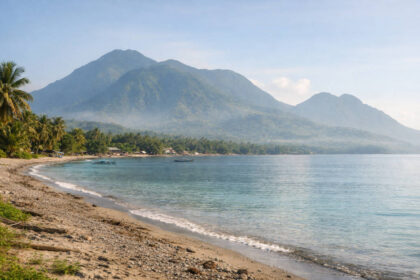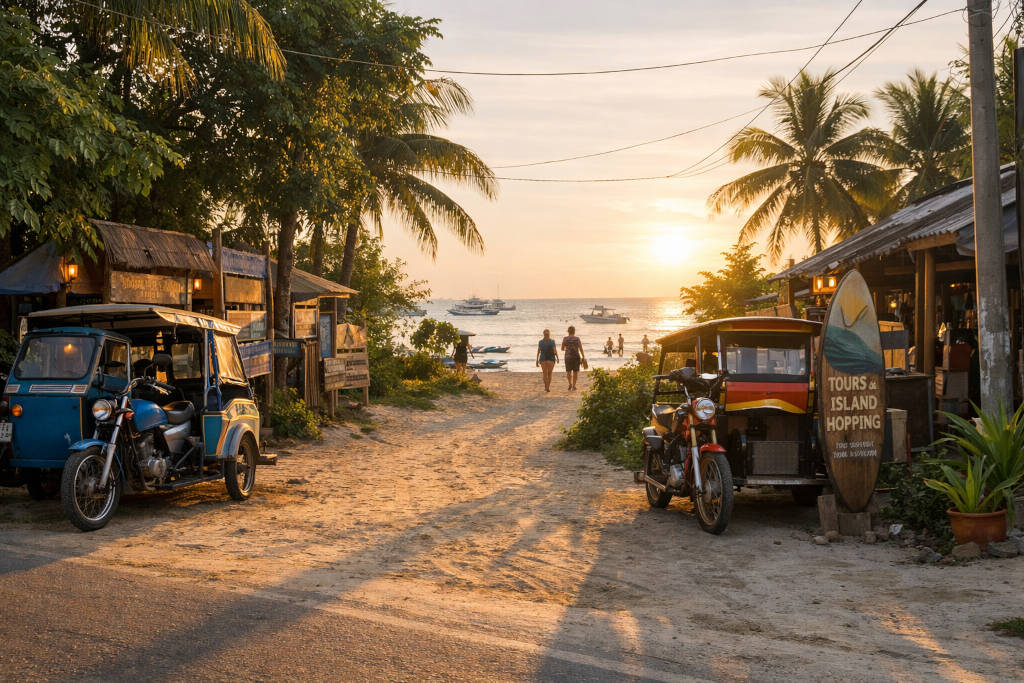
Figuring out where to stay in Bantayan Island can shape your whole first trip. On paper, the island looks simple: white-sand beaches, small roads, tricycles, and a relaxed pace.
In real life, your base affects how often you need rides, how easy dinner plans feel after sunset, how close you are to the ferry flow, and how well you handle heat, rain, brownouts, patchy Wi-Fi, or a late arrival. For most first-timers, Santa Fe is the easiest answer. But the easiest base is not always the quietest, cheapest, or best for the kind of trip you want.
This guide stays focused on the real decision behind where to stay in Bantayan Island: choosing the area that matches your routine, comfort level, and tolerance for extra transport. If you still need the wider island overview, read this Bantayan Island first-timer guide after this one. For broader planning across the country, this Philippines first-trip planning guide helps with route-building and expectations.
Where to Stay in Bantayan Island at a Glance
Short answer: Santa Fe is the easiest base for most first-timers, but not always the quietest. If you want the least friction for meals, tricycles, beach access, and everyday convenience, stay in or near the Santa Fe core, especially around the MJ Square to Kota Beach zone.
If you want a softer, quieter mood and do not mind being more ride-dependent, Pooc and the Alice Beach side can feel more restful. If you want more space and lower noise, small resort pockets outside the core can work well, as long as you are realistic about transport. Bantayan Town Proper is practical and local, but it is not the first choice for travelers whose picture of the trip includes easy beach time.
Best time window: the driest months usually feel easier for first-timers, while wetter periods can bring schedule uncertainty and muddier movement. Realistic travel time: expect a layered trip with land transfer, ferry, and a final tricycle ride, so your base matters more than it would in a compact city.
Budget band: Santa Fe has the widest spread, from simple rooms to more polished stays. Crowd risk: weekends, holidays, and school breaks can make the easy zones fill fast. Rain or heat backup: choose a stay with decent shade, a usable common area, and reliable power support rather than chasing a perfect beach photo.
Reality Check: “Walkable” on Bantayan Island does not always mean breezy or effortless. It can mean a hot roadside walk at noon, a dark lane after dinner, sandy access, or a short tricycle ride that you end up taking anyway.
Santa Fe Town Center and the MJ Square to Kota Beach Zone
What this area feels like
 If you are asking where to stay in Bantayan Island for the simplest first trip, this is the default answer. The Santa Fe center and the stretch toward Kota Beach feel the most practical for arrivals, meals, casual beach time, and day-to-day flexibility.
You are closer to restaurants, convenience stops, tricycles, and the familiar rhythm that helps first-timers settle in faster. The mood is still island-slow, but compared with quieter pockets, this area has more visible movement and more decision-making ease.
Reality Check: The same convenience that makes Santa Fe easy also makes it busier. Noise can travel from dining strips, roadside activity, karaoke, or neighboring rooms, especially on weekends and holiday-heavy dates.
Best for
Santa Fe works best for first-timers, short-stay travelers, solo visitors who want easier movement, and families who do not want every meal to depend on transport. Couples who like early sunset walks and easy dinner options also tend to do well here. For remote workers, it is often the least stressful starting point because you have more backup options if one café, signal pocket, or stay setup is not enough.
Not ideal for
It is less ideal for travelers who want deep quiet, extra privacy, or a more tucked-away beach mood. If your ideal trip means hearing mostly wind and water, staying right in the easy zone may feel too active. Budget travelers should also compare carefully, because convenience can push rates up during peak dates.
Walkability, beach access, and noise notes
This is the most walkable part of the island for most visitors, but the walkability is relative. You may still deal with sun exposure, uneven roadside stretches, and darker sections later in the evening.
Beach access is generally easier here, especially if your stay is truly near the shore and not just using “beachfront” loosely in a listing. Tricycle access is straightforward, which matters if you arrive tired, carry luggage, or get caught in rain. For ferry and transfer planning, this Philippines public transport guide is useful context.
What to ask before booking here
Ask whether your room is near bars, live music, a main road, or a busy dining lane. Request the exact map pin, not just the property name. Confirm generator coverage during brownouts, water pressure at peak shower hours, and whether the Wi-Fi works in the actual room, not just the lobby.
If you are arriving late, ask who will meet you and whether check-in support is active after the last ferry-related rush.
Pooc and Alice Beach Side for Quieter Stays
What this area feels like
 Pooc and the Alice Beach side feel calmer, softer, and more spaced out than the Santa Fe core. This side can suit travelers who want a quieter first-timer base without going fully remote.
The atmosphere usually feels slower, with more pauses between establishments and a more residential or tucked-away mood depending on the exact property. If your ideal Bantayan base includes early nights, less passing noise, and a little more breathing room, this area can make sense.
Reality Check: Quieter usually means less spontaneous convenience. You may need to think ahead about dinner, transport, snacks, and what the road or path feels like after dark or after rain.
Best for
This area is often better for couples, travelers who value lower noise, and families who prefer a more contained stay environment. It can also work for repeat island visitors who already know they do not need to be near the busiest practical zone all the time.
Not ideal for
It is less ideal for first-timers who want to step out and immediately have many food options, easier late-evening movement, or a very simple backup plan when weather changes. Solo travelers who do not want to negotiate rides often may find it less convenient.
Quiet tradeoffs, beach access, and transport
The tradeoff here is clear: quieter surroundings, but less everyday walkability. Beach access can feel more peaceful, and the shoreline mood may be the reason you choose it.
But “near the beach” may still involve sandy paths, side roads, or longer walks in midday heat. Tricycle access is still part of the routine, especially for meals or errands outside the immediate stay area. During the rainy season, extra distance from the core can feel bigger than it looks on a map. To time a trip more carefully, this Philippines weather guide gives a helpful bigger-picture frame.
What to ask before booking here
Ask how dark or quiet the access road becomes at night, whether transport is easy to arrange from the property, and whether mobile signal is stable indoors. Confirm water supply, especially after busy weekends or high-occupancy periods. If you are booking mainly for the beach mood, ask for an honest description of the path from room to shore and whether there are neighboring construction works or event spaces.
Resort Pockets Slightly Outside the Core for More Space and Lower Noise
What this area feels like
 Some stays just outside the Santa Fe core offer a middle ground: a more spacious setup, lower noise, and a resort-style feel without being too far removed from the practical center. For travelers comparing areas on Bantayan Island, this option often looks attractive because the photos show room to breathe, landscaped grounds, and a more private atmosphere. It can feel more restful, especially for multi-night stays.
Reality Check: A peaceful-looking resort pocket can still be transport-dependent. The distance that feels minor in daylight may feel less casual when you are hungry, wet from rain, or trying to get home after dinner.
Best for
This setup works well for couples, families with children who need more space, and travelers who plan to spend more time inside the property. It can also suit people who want a cleaner line between beach time and rest time, rather than staying right inside the busiest activity pocket.
Not ideal for
It is less ideal for travelers on a tight budget, solo visitors who want to move around independently without extra ride costs, and guests who expect constant strong Wi-Fi everywhere just because the property looks polished online.
Space, transport, and property access
Noise is often lower here, and that alone can make the stay feel more comfortable. Beach access varies a lot, though, so do not assume every resort pocket gives the same shoreline experience.
Some properties feel close to everything on a listing but are still better treated as ride-first locations. Walkability is usually limited to the property and a few nearby stretches, not the wider meal-and-errand convenience of central Santa Fe.
What to ask before booking here
Ask how often guests actually use tricycles to reach restaurants, whether the property can arrange late rides, and how the generator works during outages. Request a room-specific answer on Wi-Fi speed, signal strength, and desk space if remote work matters. Ask whether all room categories have the same water pressure and whether some are closer to event areas, pools, or service roads.
Bantayan Town Proper for Local Access and Lower-Frills Practicality
What this area feels like
Bantayan Town Proper feels more local, more everyday, and less beach-oriented. It can be a practical choice for travelers who care more about town access, errands, and a simpler local rhythm than being near the shore. In this guide, it usually makes sense only if your priorities are clearly practical rather than beach-first.
Reality Check: Staying here changes the emotional texture of the trip. You are not in the easiest zone for casual beach dips, sunset walks by the water, or the classic first-timer island feel many travelers expect.
Best for
This area can work for long-stay budget travelers, people visiting for practical reasons, and return visitors who want a more local base. It may also appeal to travelers who prefer lower-frills lodging and do not mind arranging beach trips separately.
Not ideal for
It is not ideal for families wanting easy sand access, couples planning a beach-led getaway, or short-stay first-timers who want a smoother island experience with fewer transfers inside the island itself.
Local convenience, beach distance, and rides
Walkability here is more about local errands than leisure. You may find day-to-day necessities more straightforward, but beach access is not the point of the base.
Transport becomes part of the plan if swimming or sunset time is central to your trip. If you want to understand local tourism context beyond the beach strips, the Bantayan local tourism inventory and the Cebu Province tourism page give useful background.
What to ask before booking here
Ask how far the stay is from transport pickup points, whether the area gets noisy from town traffic or community activity, and how early or late you can easily head toward beach areas. If you are comparing prices, include your likely ride costs before deciding it is the better deal.
Best Area by Traveler Type
Families
For most families, the best answer is either central Santa Fe or a quieter resort pocket just outside it. The sweet spot is easy food access, manageable ride needs, and enough space for rest. A family-friendly stay is not only about the beach. It is also about shade, smoother room access, backup power, and fewer logistics when a child is tired or the weather shifts suddenly.
Couples
Couples usually split between the quieter Pooc or Alice Beach side and the lower-noise resort pockets near but not inside the core. If romance means ease plus evening flexibility, Santa Fe still works. If romance means fewer people, softer mornings, and earlier nights, go quieter and accept the transport tradeoff.
Solo travelers
Solo travelers are usually better off in Santa Fe for the first trip. It is the easiest for meals, movement, and feeling less stranded if plans change. The extra convenience can also feel safer and less stressful after dark. For broader practical precautions, this travel safety guide for the Philippines is a useful companion read.
Digital nomads and remote workers
Remote workers should lean toward Santa Fe unless a quieter property can clearly prove strong room-level Wi-Fi, steady mobile signal, and reliable power backup. On islands, “good for work” can be true in one room and disappointing in another. Ask for a recent speed test, the strongest network in the area, and generator hours. A simple desk, charging access, and better airflow matter more than a photogenic balcony when you actually need to finish tasks.
Noise, Walkability, Beach Access, and Transport Notes
 The biggest mistake first-timers make when choosing where to stay in Bantayan Island is treating all “nearby” descriptions the same. One property may be five minutes from restaurants on a map but still feel inconvenient in noon heat, on a rainy evening, or with luggage. Another may sound slightly farther away but still be fine because tricycle access is easy and the road feels straightforward.
Walkable can mean different things here: a paved lane with passing scooters, a beach-adjacent path with sand underfoot, a dark stretch after dinner, or a route you only enjoy in the morning and sunset hours. Beach access also needs decoding.
Some stays are beach-near, some are beach-view, and some are beach-convenient only if you are willing to ride. Practical convenience usually peaks in Santa Fe. Quieter beach mood usually improves as you move away from the core. The right answer depends on which tradeoff annoys you less.
For readers who want to browse more trip-planning reads after this, the Bakasyon Travel Guides hub is a helpful starting point. And if part of your ideal Bantayan stay includes local food and everyday island flavors, this guide to island cooking traditions in the Philippines adds nice context.
What to Ask Before Booking
Before paying anything, ask questions that affect real comfort, not just the photos. Start with brownouts: is there a generator, what does it power, and during which hours? Then ask about water pressure and water supply consistency, especially during fuller occupancy.
For Wi-Fi, ask whether it works inside the exact room category you want. If you rely on mobile data, ask which network is strongest on the property and whether the signal drops indoors.
Also ask how far the room is from bars, dining strips, roads, event spaces, or staff areas. A peaceful property can have a noisy room placement. Request the exact map pin and a recent exterior photo of the access road if location matters a lot.
Confirm late check-in support, especially if sea conditions or land transfers slow down your arrival. These details matter more than a styled breakfast shot when you are deciding where to stay in Bantayan Island with fewer surprises.
Safe Booking Tips for Bantayan Island
Use official pages where possible, verify that the property has a real contact number, and look for consistent page transparency across recent posts, guest replies, and booking details. Ask for a written booking confirmation with dates, room type, total price, and deposit terms before sending money.
Save screenshots of the listing, the chat thread, and the payment instructions. Be more cautious with personal-account payments, especially if the page feels rushed, incomplete, or evasive about basic questions.
For most first-timers, the safest answer to where to stay in Bantayan Island is still Santa Fe, because it reduces friction in so many small ways. But the best base is the one that matches your actual routine: easier and busier, quieter and less walkable, or practical and lower-frills. Choose with heat, transport, power, water, and after-dark comfort in mind, and your first Bantayan stay is much more likely to feel easy in the good way.