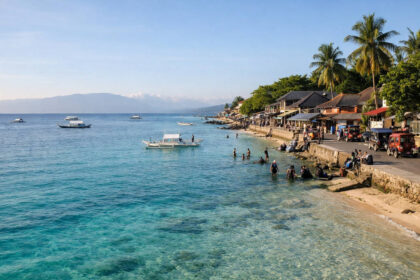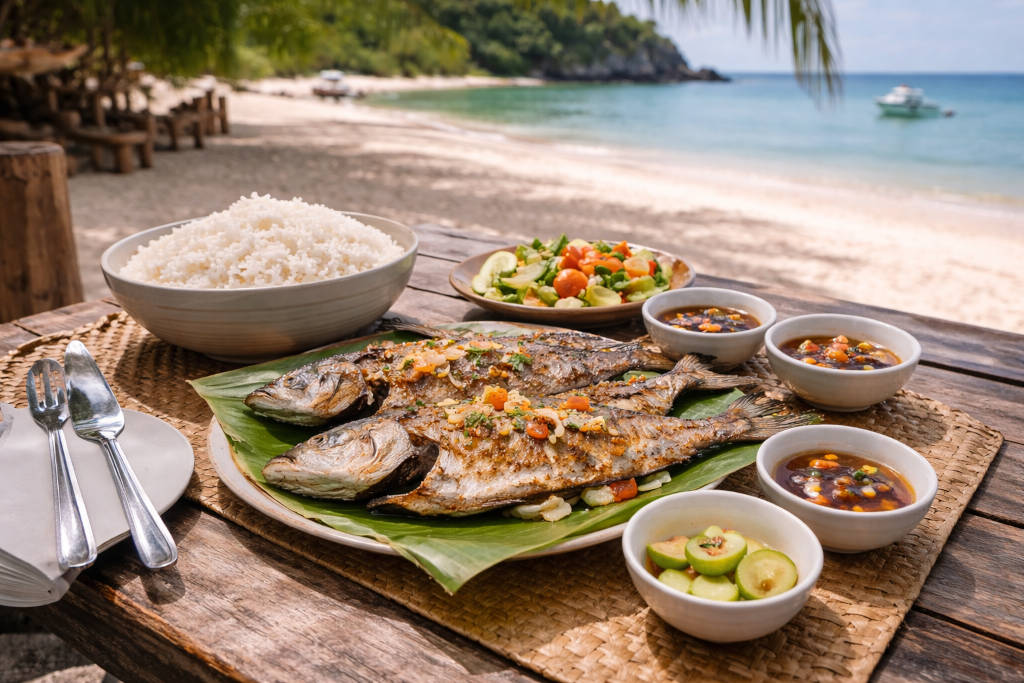
Figuring out Philippines travel planning guide details is one thing. Figuring out What to Eat in Malapascua is another, especially if this is your first small-island stop in Cebu. The good news is that food on the island is usually easier to understand than many first-timers expect. You will likely see a mix of local Seafood, Filipino staples, simple breakfast plates, noodle dishes, and tourist-friendly meals near the beach. The bigger adjustment is not usually the flavor. It is the island rhythm: some menus are short, some dishes sell out, fresh catch changes day by day, and Cash Only is often the safest assumption.
Malapascua is part of the wider Cebu travel picture, and planning food works better when you think about arrival time, weather, and transport delays. Before you settle into meals, it helps to know the low-stress options to reach Malapascua, review a broader Philippines public transport guide, and check Philippines weather and best months because rough seas, rain, and supply timing can affect what appears on a menu. For wider island context, the Cebu Province tourism overview helps explain why Malapascua feels both local and visitor-friendly.
This guide stays practical. It focuses on What to Eat in Malapascua, how much to budget, how to order with more confidence, when to choose cooked food, and what is normal on a small island where the day’s catch matters more than a printed menu.
Quick Answer: What to Eat in Malapascua First
If you only want the simplest answer to What to Eat in Malapascua, start with cooked dishes that are easy to understand and easy on the stomach: Grilled Fish with rice, a basic fish soup, a silog breakfast, Lugaw, Pancit, or an adobo-style comfort dish. These are usually the most useful first meals because they are familiar in structure, filling, and less dependent on raw preparation. If you already enjoy sour seafood dishes and are comfortable judging freshness, Kinilaw is one of the local dishes worth trying next.
At a glance, many travelers do well with a daily food budget of around PHP 350 to 700 for simple meals, around PHP 700 to 1,200 for a more mixed day of local meals plus a Casual Restaurant stop, and more if you choose resort dining or more premium Seafood. Breakfast is often straightforward, lunch can depend on what is cooked that day, and dinner near the beach may cost more. Rain, rough supply days, or late arrivals can reduce choice, so the safest plan is to eat when food is available rather than assume every place will stay fully stocked all day.
Reality Check: the island is small, but that does not always mean instant service or fixed menus. Some of the best practical choices are also the simplest ones, and sometimes the right decision is just to order the fresh cooked dish that is ready now.
What Kind of Food to Expect in Malapascua
What to Eat in Malapascua usually comes down to four broad categories: local Seafood, Filipino comfort food, simple breakfasts, and tourist-friendly casual meals. That mix is helpful for first-timers because it gives you options whether you want to keep things local, stay budget-conscious, or choose something more familiar after a long travel day.
Local Seafood and Island Staples
Because Malapascua is an island destination, Seafood is part of the food picture many visitors look for first. Depending on supply and the day’s catch, you may see fish, squid, shrimp, shellfish, and simple brothy preparations. The most common appeal is freshness and straightforward cooking rather than complicated sauces. Expect flavors that are smoky, salty, garlicky, lightly sour, or simply seasoned to let the fish stand out.
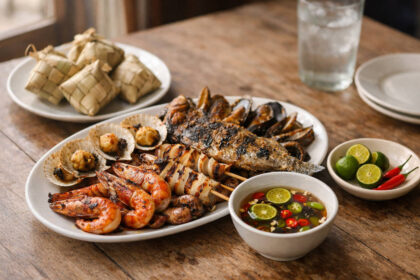
Grilled Fish is often the easiest island classic to understand. It is usually savory and smoky, served with rice and a dipping sauce that may lean salty, sour, or spicy. A Sutukil-style idea may also appear in island dining language, referring loosely to grilled, souped, or raw-cured Seafood choices, though the exact format and availability can vary. Pusô, the hanging rice common in Cebu, may appear as a handy side, though plain steamed rice is also common.
Reality Check: even on an island, not every stall will have the same Seafood every day. Freshness can be good, but supply still depends on weather, catch, transport, and the time you arrive.
Filipino Comfort Food You Are Likely to See
First-timers often do best when they mix local Seafood with Filipino comfort food. In a Carinderia or simple local eatery, you may find adobo, Humba-type pork dishes, fried fish, egg dishes, vegetable sides, or soup-based meals. These dishes are practical because they are familiar in structure: rice plus viand, sometimes with broth. Flavors are usually savory, salty, mildly sweet, soy-based, garlicky, or gently stewed rather than sharply spicy.
Lugaw is one of the easiest low-risk meals to understand. It is a soft rice porridge, warm and plain enough for travelers who want something filling but not heavy. Pancit or noodle dishes may also appear as easy group food or a shareable meal.
Reality Check: a simple local meal may look plain on the plate, but plain is often useful on travel days. This matters more than presentation when your goal is comfort, budget control, or a gentle reset after a boat transfer.
Tourist-Friendly Casual Meals Near the Beach
Near beach areas, What to Eat in Malapascua often expands to include fried rice meals, pasta, sandwiches, burgers, grilled platters, fruit shakes, and mixed breakfast menus. These tourist-friendly places can be helpful if someone in your group wants familiar food while another wants Seafood or a local dish. A Casual Restaurant may also be more comfortable for asking questions about ingredients, spice level, or cooking preference.
These meals are not always the cheapest, but they can be the easiest for ordering confidence. If you are nervous about Food Safety, this category often gives you the clearest path: freshly cooked, hot food, simple customization, and more obvious menu descriptions.
Reality Check: “beachfront” does not always mean “fast” or “fully stocked.” On small islands, a printed menu can be an ideal version of the day, not a guarantee.
Local Dishes Worth Trying in Malapascua
When people ask What Food Is Worth Trying First in Malapascua If You Are New to Filipino Island Food, the best answer is to begin with dishes that match your comfort level. There is no need to jump straight to raw or strongly sour dishes if you prefer simple, cooked meals.
Kinilaw
 Kinilaw is one of the most talked-about island dishes, but it helps to describe it plainly. It is usually raw or lightly cured fish in a sour mixture, often with vinegar, citrus, onion, and seasonings. The taste is fresh, tangy, salty, and sharp rather than creamy or rich. If you already like ceviche-like dishes, Kinilaw may feel familiar. If you dislike raw textures, strong sourness, or are uncertain about your stomach during a trip, this may not be the first dish to try.
What Does Kinilaw Taste Like, and Who Should Skip It? It tastes sour first, then clean and fresh, with a firm but soft fish texture depending on the cut. Travelers who are pregnant, highly sensitive to raw seafood, managing a delicate stomach, or unsure about freshness may want to skip it and choose cooked Seafood instead.
Grilled Fish and Other Sugba Dishes
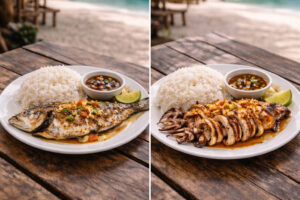 Sugba simply points to grilling, and this is often the safest and most satisfying introduction to island food. Grilled Fish is smoky, savory, a little salty, and easy to pair with rice. Grilled squid tends to be soft with a slight chew and a gently sweet-sea flavor. Shrimp or shellfish, if available, may be served with garlic, butter, or a simple grilled treatment. These are useful choices for people who want local flavor without a big leap in texture.
If you are wondering Which Local Dishes in Malapascua Are Mild, Salty, Sour, or Spicy, grilled dishes are usually the easiest mild-to-savory option. The spice often comes from the dipping sauce, not the fish itself.
Seafood Soups or Brothy Dishes
Soup-based dishes are often underrated by first-timers. A fish soup or tinola-style dish can be one of the most practical orders on a humid day, after a boat ride, or when you want something lighter than fried food. The taste is usually brothy, clean, mildly savory, and gently warming. If ginger is used, the flavor can feel fresh and comforting without becoming too strong.
These are good middle-ground meals when you want Seafood but do not want raw fish or heavily grilled food. They are also easier to eat when weather is unsettled and your appetite feels smaller.
Silog Breakfasts, Lugaw, and Simple Fillers
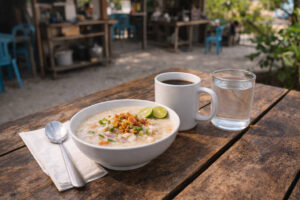 Silog breakfasts are among the best first-day meals in Malapascua. They usually combine garlic rice, egg, and a protein such as tapa, tocino, sausage, fish, or another house option. The taste is savory, a little garlicky, and comforting. Lugaw is softer, plainer, and often the safer pick if you want something very gentle.
These meals matter because island travel sometimes means early departures, boat schedules, or diving routines that make timing important. Breakfast options that are ready quickly can shape your whole day better than a more ambitious lunch plan.
Pusô and Other Cebuano Side Staples
Pusô is rice packed in woven coconut leaves and steamed until compact. The taste is still just rice, but the format is convenient, portable, and distinctly Cebuano. It is especially useful with grilled dishes or simple street-style meals. Other staples may include plain rice, dipping sauces, and uncomplicated vegetable or noodle sides.
Reality Check: not every Cebuano staple appears in every corner of the island every day. It is better to think in categories than fixed menu promises.
Where to Eat by Budget
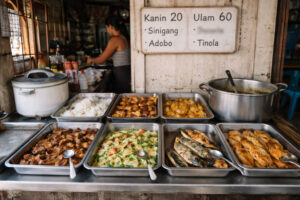 What Is a Good Budget for Food per Day in Malapascua? A simple answer is: budget low if you mostly eat in local spots, budget mid if you want one or two more comfortable sit-down meals, and budget higher if you prefer beachfront or resort dining. The difference usually comes from setting, not just portion size.
Budget: Carinderia and Simple Local Meals
A Carinderia is usually the easiest answer to Where Can You Eat Cheaply in Malapascua Without Overplanning. These are practical local eateries where cooked dishes are displayed or listed simply, and you choose what is available. A Budget Meal here may include rice plus one viand, sometimes soup, and often a straightforward local atmosphere with limited extras.
This is usually the best value category for travelers who want filling food without long menu reading. It is also where you are most likely to find comfort dishes and simple home-style cooking. If you arrive hungry and do not want to overthink, a Carinderia is often the best first step.
Mid-Range: Casual Restaurants and Small Cafes
A Casual Restaurant often gives a little more choice, clearer menu wording, and more room for preferences like less spice or well-done Seafood. You may find local dishes, grilled plates, breakfast sets, coffee, smoothies, pasta, and mixed Filipino-international meals. This category suits couples, small groups, and cautious eaters who want flexibility without resort prices.
What Is the Difference Between a Carinderia, a Casual Restaurant, and a Resort Restaurant on the Island? A Carinderia is usually the most local, cheapest, and most availability-driven. A Casual Restaurant is more menu-based and easier for customization. A resort restaurant often focuses more on setting, slower dining, and a higher price point.
Higher Budget: Beachfront or Resort Dining
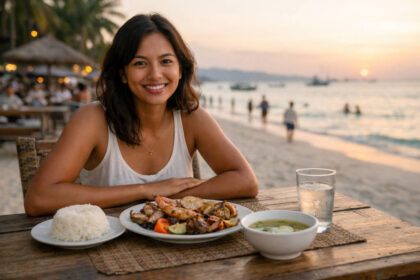
Beachfront and resort dining can be pleasant when you want a slower meal, a wider drinks list, or a more relaxed dinner setting. The food may still overlap with Casual Restaurant menus, but the setting and service style usually cost more. This can be a good choice for one planned dinner rather than every meal, especially if you are watching cash.
Reality Check: on a small island, “higher budget” does not always mean dramatically better food. Sometimes it means more comfort, more ambiance, and more time spent at the table.
What These Dishes Taste Like in Plain Terms
For first-timers, taste descriptions help more than labels. Kinilaw is sour, fresh, and sharp. Grilled Fish is smoky, savory, and usually mildly salty. Grilled squid is soft, slightly chewy, and lightly sweet from the Seafood itself. Fish soup is brothy, gentle, and often comforting. Adobo is savory, soy-vinegar rich, and sometimes a little salty. Humba-type dishes lean savory with a mild sweetness. Silog is garlicky, hearty, and breakfast-friendly. Lugaw is soft, warm, and plain in a good way. Pusô tastes like rice, but the wrapped format makes it practical with grilled food. Halo-halo, when available, is sweet, cold, and useful in hot weather, though it is more dessert than meal.
If you want the mildest path, start with Lugaw, fish soup, a simple silog, or Grilled Fish with plain rice. If you want something more sour, Kinilaw is the standout. If you want spicy food, ask first rather than assume, because many dishes are not spicy until sauce or chili is added.
Reality Check: menu names can sound more exotic than the food actually tastes. In many cases, the flavors are simple, direct, and easier than the names suggest.
Food Safety Basics for First-Timers
Food Safety matters more than food hype on a small island. A useful rule is this: choose places with steady turnover, observe whether food is handled calmly and cleanly, and use heat as your friend when you are unsure. The general Department of Health food safety basics and wider advice on travel safety in the Philippines support the same idea: safer choices usually come from clean handling, proper cooking, and realistic caution.
What Is Normal
What Is Normal for Island Dining, Such as Slow Service, Limited Menu Items, or Cash-Only Payments? Quite a lot of it is normal. Slow service can simply mean food is cooked fresh or there are few staff. Limited menu items can mean the day’s catch was small or supply boats arrived differently than expected. Cash Only is common enough that carrying enough small bills is a smart default. It is also normal for one dish to be available at lunch but sold out by dinner.
Some travel stomach adjustment can also be normal: feeling extra full, needing lighter meals after transit, or noticing your body reacts differently to richer, saltier, or more seafood-heavy food than at home.
What Is Not Normal
Not normal signs include raw seafood with an off smell, fish that tastes stale, shellfish that seem questionable, food sitting uncovered in strong heat for too long, or a cooked dish arriving lukewarm when it should be hot. Also pay attention to your own body. Severe stomach pain, repeated vomiting, or symptoms that feel stronger than a mild adjustment are signs to slow down and choose simpler food, hydration, and more caution.
When to Pick Cooked Food Instead of Raw Seafood
When travelers ask Is Seafood in Malapascua Usually Fresh, and What Signs Should You Look For, the balanced answer is that island Seafood can be fresh, but freshness should never be assumed from the location alone. If you are arriving after a long trip, adjusting to heat, uncertain about hygiene, or not used to raw fish, cooked food is usually the safer choice. Pick grilled, fried, or soupy dishes when you want lower risk. Save Kinilaw for a time when you feel well, trust the place, and are comfortable with raw-cured Seafood.
Reality Check: choosing cooked food first is not a lesser island experience. It is often the smartest one.
Ordering Tips That Make Things Easier
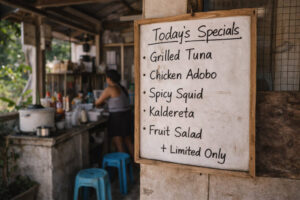 Ordering becomes much easier once you accept that small-island menus can shift. Confidence comes from asking a few simple questions, not from memorizing dishes.
Portion Sizes and Sharing
How Do Portion Sizes Usually Work for Solo Travelers, Couples, or Groups? In simpler eateries, many meals are single-plate portions with rice. In more Seafood-focused places, fish, squid, noodle dishes, and some platters may be better for sharing. If you are unsure, ask before ordering, especially for grilled Seafood. “Good for how many?” is one of the most useful questions on the island.
Spice, Sauces, and Cooking Preferences
If you prefer mild food, ask before the sauce is added. Many dishes are mild by default, but dipping sauces may carry the heat. For Seafood, it is reasonable to ask for well-done cooking. This is especially practical for travelers who prefer firmer texture or want extra Food Safety confidence.
Allergy Notes and Ingredient Questions
If you cannot eat pork, shellfish, or certain sauces, ask directly and simply. On a small island, exact menu wording may not cover every ingredient. Clear, short questions are more useful than long explanations. If a dish is sold out, do not force the menu. Ask what is available now and choose from that list instead.
Cash, Waiting Time, and Sold-Out Items
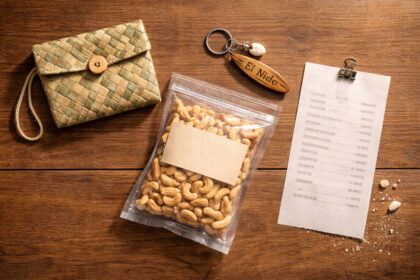
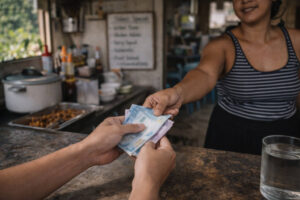 May GCash or cards work in some places? Possibly. But May GCash o cash lang? is still worth asking, and Cash Only remains the safest assumption. Carry enough for meals, especially if you plan to eat in more than one place. Waiting time may be longer when a meal is cooked from scratch, and sold-out items are part of island reality. This is not always poor planning. Sometimes it simply means the available catch or supply has changed.
Reality Check: the fastest path to a good meal is often flexibility. On Malapascua, the best order may be the fresh, hot dish that the kitchen can confidently make now.
Simple Filipino and Cebuano Phrases to Use When Ordering
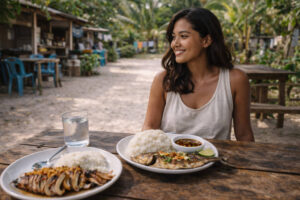 You do not need a language lesson to order well. These short lines are usually enough:
“Pwede less spicy?” — Can it be less spicy?
“Pwede no pork?” — Can it be without pork?
“May shellfish ba ito?” — Does this have shellfish?
“Pwede well-done?” — Can it be well-done?
“Isa lang po.” — Just one, please.
“Good for how many?” — How many people is this for?
“May rice na ba ito?” — Does this already come with rice?
“Take out lang.” — For takeaway only.
“May GCash o cash lang?” — Do you accept GCash or cash only?
These lines help with confidence more than fluency. A calm, polite tone goes a long way, especially when the kitchen is busy or the menu is changing for the day.
FAQ for First-Time Visitors
What Food Is Worth Trying First in Malapascua If You Are New to Filipino Island Food?
Start with Grilled Fish, fish soup, silog, Lugaw, or an adobo-style meal. They are easier to understand, usually filling, and lower-stress than raw seafood.
What Is a Good Budget for Food per Day in Malapascua?
A practical range is around PHP 350 to 700 for simple local eating, PHP 700 to 1,200 for a mix of local and Casual Restaurant meals, and more if you choose resort dining or premium Seafood.
Where Can You Eat Cheaply in Malapascua Without Overplanning?
Look for a Carinderia or simple local eatery. These are usually the most straightforward places for a Budget Meal and do not require much advance planning.
How Can You Ask for Less Spice, No Pork, No Shellfish, or Well-Done Seafood?
Use short, direct phrases such as “Pwede less spicy?”, “Pwede no pork?”, “May shellfish ba ito?”, and “Pwede well-done?”
What Counts as a Normal Travel Stomach Adjustment, and What Is a Sign to Slow Down or Choose Simpler Food?
Mild heaviness, wanting plainer meals, or needing a reset after travel can be normal. Stronger warning signs such as repeated vomiting, severe pain, or feeling worse after questionable food are reasons to slow down and choose simpler cooked meals.
What Else Should You Keep in Mind for a Cebu Trip?
Food planning fits better when the rest of your trip is practical too. For activity prep, review what to bring for Cebu activities. For a city food contrast after island time, browse Manila food neighborhoods.
In the end, What to Eat in Malapascua does not need to be a stressful question. The best first-timer approach is simple: start with cooked dishes, keep your budget realistic, carry cash, ask direct questions, and stay flexible when menus change. Once you understand that island dining follows weather, supply, and the day’s catch, the food becomes easier to enjoy. What to Eat in Malapascua is less about chasing a perfect list and more about choosing the right meal for the moment: fresh when possible, cooked when needed, and always practical enough to keep your trip comfortable.