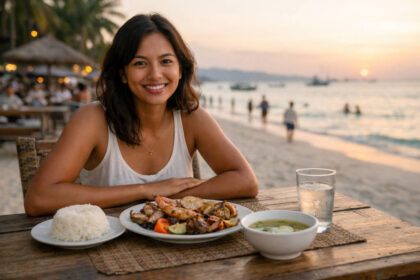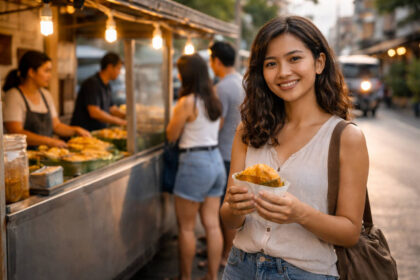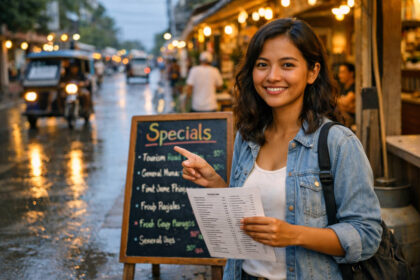
First time staying in Mactan (Lapu-Lapu City and nearby areas) often comes with the same small stress: you’re hungry, the menu looks unfamiliar, and you don’t want to guess wrong. This guide is designed for low-stress decisions—what to order, what it usually tastes like, where to eat by budget, and how to ask simple questions politely. If you’re searching for what to eat in Mactan without turning your trip into a research project, start here and keep it practical.
Quick context: Mactan is an island connected to Cebu by bridges, known for resorts, beach days, and seafood-focused dining in many areas. If you want a one-page overview of the island before you plan meals and transport, see Mactan. For a broader destination overview, you can also check Cebu from the official tourism site.
At-a-Glance
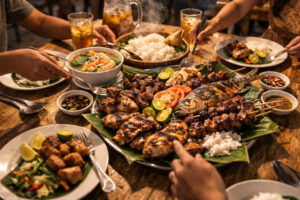 Best time window: Drier months are generally easier for seafood trips and evening walks, but Mactan still gets sudden showers. Realistic travel time: Many food spots are 10–40 minutes apart depending on traffic and bridge flow. Budget band: From carinderia rice meals to resort dining with service charges—plan for a wide range. Crowd risk: Dinner peaks and weekend nights can add waiting time. Rain/heat backup: Choose indoor food hubs, mall-area dining, or resort restaurants when weather turns.
If this is your first trip in the Philippines and you want a simple planning checklist (SIM, money, transport, basics), use this: Philippines Travel Planning Guide For First Trip.
Reality Check: Menus and pricing can change fast, especially for seafood sold by weight. Asking “How much?” before ordering is normal and expected in Mactan.
Quick Picks: What To Eat In Mactan If You Only Have One Day
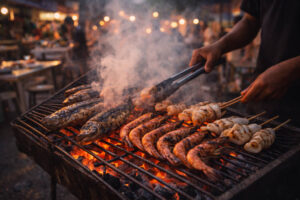 If you only have one day, the easiest approach to what to eat in Mactan is to choose a “safe starter set” (familiar flavors) or a “seafood starter set” (the Mactan classic). Either way, aim for one grilled main, one warm soup or stew, rice, and one small sweet—enough variety without over-ordering.
Reality Check: Portions are often meant for sharing, especially seafood. If you’re solo, ask for a smaller portion or choose a rice-meal format to avoid food waste.
A Safe Starter Set (Grilled, Soup, Rice, One Sweet)
Grilled: Chicken barbecue (sweet-savory, lightly smoky) or a simple grilled fish option if available. If you eat pork, pork barbecue is common too—but it’s also easy to avoid if needed.
Soup: A clear broth soup (often ginger-forward in some Filipino soups) or a simple vegetable soup. Warm soups are a good “reset” meal if you’re adjusting to travel.
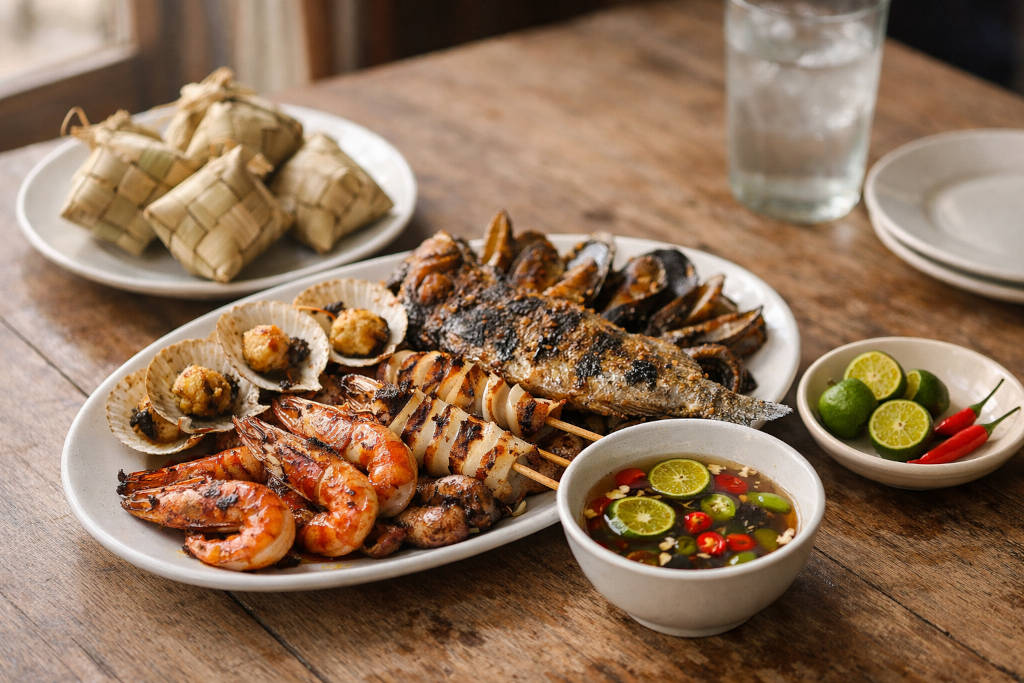
Rice: Plain rice is the default, but try Pusô (also called hanging rice): rice steamed in woven coconut leaves, shaped like a small diamond. It’s practical for grilled meals and dipping sauces.
One sweet: Halo-Halo (mixed shaved ice dessert) if you want something cooling, or a simple local pastry/snack if you prefer something not too cold.
If you want a simple rule: for a first-timer deciding what to eat in Mactan, grilled + rice + warm soup is a steady combination that’s easy on the stomach.
A Seafood Starter Set (If You Eat Seafood)
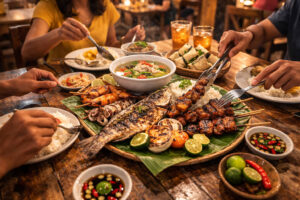
Grilled fish or squid: Look for “Sinugba” (grilled) options—usually smoky, lightly salty, and best with a vinegar-based dip.
One cooked seafood stew: Choose a cooked soup/stew style if you want gentler flavors—ask for the mild option and confirm if it’s spicy.
Rice: Pusô is especially common with seafood grilling in Cebu.
One sweet: Fresh fruit, a simple cold dessert, or a small bakery snack you can pack for later.
Reality Check: Seafood is often priced by weight (per kilo). Before you commit, ask how it’s priced and what portion size you’re getting.
How Eating Out Works In Mactan For First-Timers
Knowing how dining works reduces decision fatigue—especially when you’re still figuring out what to eat in Mactan. Mactan has resort dining, casual restaurants, food hubs, and local carinderia-style spots. The same dish name can look different across these places, so focus on cooking method, portion size, and price clarity.
Reality Check: In busy areas, staff may be moving fast. Short, polite questions are the easiest way to get what you need without slowing anyone down.
Resort Dining Vs Local Spots (What Changes In Price And Portions)
Resort dining: Expect higher prices, more consistent plating, and usually clearer allergen communication. Some restaurants add service charge and taxes—check the menu notes.
Local casual restaurants and food hubs: Often the easiest middle ground—more variety, shareable plates, and staff used to explaining dishes.
Carinderia and turo-turo: “Carinderia” is a small, home-style eatery. “Turo-turo” means you point at cooked dishes in trays. It’s practical for budget meals and quick choices, but portion sizes and freshness depend on turnover and time of day.
When Places Are Usually Busy (Lunch And Dinner Peaks, Night Food Areas)
Lunch often peaks around midday, while dinner crowds build early evening—especially on weekends and holidays. Night food areas can be lively, but waiting times go up when groups arrive together.
For a quick seasonal planning note (rainy periods can change walking comfort and traffic flow), see Philippines Weather And Best Months To Travel.
Reality Check: A “short drive” can still mean slow movement near bridges and main roads. If you have a reservation or airport run, build buffer time before choosing what to eat in Mactan.
Cash, Card, And E-Wallet Expectations (Keep It General And Practical)
Resorts and many mid-range restaurants commonly accept cards, while smaller local spots may prefer cash. E-wallets are increasingly common, but it’s safest to keep a mix: small bills for carinderia meals and transport, plus a card for bigger restaurant bills.
If you’re moving between food areas by local transport, this guide can help set expectations: Getting Around In The Philippines By Bus Jeepney And Ferry.
Reality Check: Some places can’t break large bills late at night. Keeping smaller denominations makes ordering smoother.
Must-Try Mactan And Cebuano Dishes (With Simple Taste Descriptions)
When people ask what to eat in Mactan, they often mean “What can I order with confidence?” These are common choices you’ll see in Mactan and around Cebu, with taste notes you can use like a mini flavor map.
Reality Check: Names can be regional and menus vary. If you don’t recognize a dish, ask what meat it uses and how it’s cooked—those two questions solve most uncertainty.
Grilled And Roasted Favorites (Sinugba, Barbecue, Cebu Lechon, Chorizo De Cebu)
Sinugba: Cebuano-style grilling—often seafood or pork/chicken grilled over charcoal. Expect smoky aroma and a savory finish, usually paired with vinegar dips (suka) and sometimes chili (sili).
Barbecue: Sweet-savory glaze, tender meat, and a familiar grilled profile. Great if you want something predictable while still local.
Cebu Lechon: Roasted pork known for crisp skin and seasoned meat. In Mactan, you may see it in restaurants or as sliced orders. If you avoid pork, skip this and choose grilled chicken or fish instead.
Chorizo De Cebu: Slightly sweet, garlicky sausage with a distinct aroma. Often served sliced; it’s rich, so it pairs well with plain rice.
If you’re building a simple first-timer plan for what to eat in Mactan, “Sinugba + rice + vinegar dip” is the core pattern you’ll see repeatedly.
Seafood Favorites (Grilled Fish, Garlic Butter Styles, Simple Stews)
Grilled fish (often sold by weight): Mild, smoky, and best with a sharp vinegar dip. Ask what fish is available and whether it has many bones.
Squid and shrimp: Often grilled or sautéed; garlic-forward versions feel familiar and pair well with rice.
Cooked seafood stews: If you want something warm and comforting, pick a cooked soup or stew style. Ask if it’s sour, spicy, or coconut-based so you know what you’re getting.
Reality Check: Seafood freshness is everything. Choose places with visible turnover and don’t hesitate to ask what was cooked today.
Easy Comfort Food Options (Soups, Noodles, Rice Meals)
Rice meals: A practical format—one protein, rice, and sometimes a small soup. Ideal when you want a quick answer to what to eat in Mactan without ordering multiple plates.
Noodle dishes: Pancit-style noodles vary by restaurant—typically savory, sometimes with vegetables and meat/seafood. If you have allergies, ask what’s mixed in.
Warm soups: Clear broths, ginger notes, and simple ingredients can feel gentle after a travel day. Ask if it’s spicy and whether it contains seafood or pork.
Reality Check: “Spicy” can be mild or intense depending on the kitchen. If you’re sensitive, ask for no chili and sauces on the side.
Merienda And Sweets (Simple Snacks You Can Order Without Guessing)
Halo-Halo: Sweet, cold, and customizable by default (you can ask to skip ingredients). If you’re cautious about ice, choose a reputable place or switch to baked snacks.
Local pastries and biscuits: Cebu is known for baked treats like Otap (crisp, sugary pastry) and other simple snacks you can pack for later.
Fresh fruit or fruit shakes: If you’re watching food safety, ask about water/ice use and choose places that look clean and busy.
Reality Check: Some desserts can be very sweet. If you prefer lighter, ask for a smaller serving or share.
SuTuKil Explained (The Mactan Seafood Style)
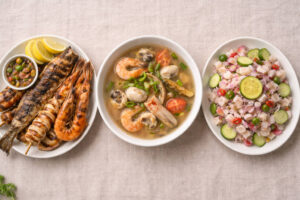 SuTuKil is one of the clearest answers to what to eat in Mactan if you enjoy seafood. It’s less about one dish and more about a seafood ordering style—choose seafood, then choose how it’s cooked.
Reality Check: In some SuTuKil settings, seafood is priced by weight and cooking style can add cost. Confirm price and serving size before the kitchen starts.
What SuTuKil Means (Sugba, Tuwa, Kilaw)
Sugba: Grilled—smoky, savory, often served with vinegar dip.
Tuwa (or Towa): Cooked in broth—warm, soupy, usually mild and comforting.
Kilaw: Vinegar/citrus-cured style (similar to kinilaw concepts)—bright, tangy, and not cooked by heat.
When you’re deciding what to eat in Mactan, SuTuKil can be as simple as choosing just Sugba (grilled) for a first visit, then adding Tuwa if you want something warm.
How Ordering Usually Works Step By Step (Choose Seafood, Choose Style, Ask Portions)
Step 1: Choose the seafood. Common picks include fish, squid, shrimp, scallops, or shellfish. Ask what’s freshest today.
Step 2: Ask how it’s priced. A helpful question is whether it’s per piece or per kilo, and what the approximate serving looks like.
Step 3: Choose the cooking style. Start with Sugba if you want familiar grilled flavors. Add Tuwa if you want a soup component. Consider Kilaw only if you’re comfortable with vinegar-based, non-heat-cooked textures.
Step 4: Confirm portions and rice. Ask if the serving is good for how many people, then decide on plain rice or Pusô.
Step 5: Decide on dips and spice. Request sauces on the side and ask for no chili if you’re sensitive.
If you want the simplest first-timer flow for what to eat in Mactan: pick one seafood item + Sugba + Pusô + sauce on the side. That’s enough to feel “Cebu” without stress.
What To Pick If You Are New To Raw Or Vinegar-Based Dishes
If Kilaw/kinilaw-style dishes feel uncertain, start with fully cooked options: Sugba (grilled) or Tuwa (broth). If you want to try a vinegar-based bite anyway, ask for a small portion and choose milder seafood (like fish) rather than shellfish, and only at places with strong turnover and good cleanliness cues.
Reality Check: Vinegar-based dishes can still vary widely in sourness and spice. “Small portion first” is a completely normal request.
Where To Eat In Mactan By Budget (Decision Tree, Not A Huge List)
Instead of a long list of names, here’s a simple decision tree to answer what to eat in Mactan based on budget, time, and comfort level. Use it like a quick filter.
Reality Check: “Cheap” can still be great, and “expensive” doesn’t always mean better flavor. What matters most is turnover, clarity on pricing, and cooking method.
Decision Tree:
- If you want the lowest stress: Choose a mid-range casual restaurant or food hub where menus are printed and staff can explain dishes.
- If you want the lowest budget: Choose a carinderia/turo-turo at peak meal times (fresh turnover), pick hot dishes, and ask the price per serving.
- If you want “Mactan-style” seafood: Choose a SuTuKil-style setup, confirm per-kilo pricing, and start with Sugba before trying Kilaw.
- If you want air-conditioning and clear allergy handling: Choose a resort restaurant and check service charge/taxes on the menu.
Budget: Carinderia And Turo-Turo (What To Expect, What To Ask)
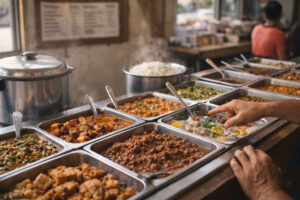 Carinderia and turo-turo spots are practical for rice meals: you point at trays of cooked dishes, then choose rice and add-ons. It’s one of the easiest ways to solve what to eat in Mactan on a budget—especially at lunch when food is freshly cooked and moving quickly.
What to ask: “How much is this?” “Is it spicy?” “What meat is this?” If you avoid pork, ask directly before pointing.
Reality Check: Quality depends on turnover. Choose busy counters with hot food and clean serving utensils.
Mid-Range: Casual Restaurants And Food Hubs (Best For Groups And Variety)
This is the sweet spot for many first-timers: shareable grilled plates, familiar options (noodles, soups, rice meals), and staff used to explaining Cebuano dishes. If your group can’t agree on what to eat in Mactan, food hubs make it easy to split orders—one grilled plate, one soup, one snack, and rice.
Reality Check: Dinner peaks can mean waiting. If you’re hungry now, order one quick starter (like soup or a small grilled item) while deciding on mains.
Higher-End: Resort Restaurants (When It’s Worth It, What To Check First)
Resort restaurants can be worth it when you want consistent service, comfortable seating, and clearer communication for allergies or dietary restrictions. It’s also a calmer environment for learning what to eat in Mactan if you feel overwhelmed by busy food areas.
What to check first: Service charge and taxes, portion sizes, and whether sauces/spice can be adjusted.
Reality Check: Some resort portions are designed for presentation rather than maximum volume. If you’re very hungry, order rice and one extra side early.
If You Are Short On Time Near Mactan-Cebu International Airport (Keep It General)
If you’re close to Mactan-Cebu International Airport, prioritize speed and predictability: choose a nearby casual restaurant, a food hub, or a resort restaurant with quick service rather than a seafood-by-weight setup. For fast decisions on what to eat in Mactan between flights, rice meals and grilled plates are usually quicker than stews that cook to order.
Reality Check: Traffic can shift quickly near main roads. If you’re within a tight window, pick the closest comfortable option and keep orders simple.
Short Compare Box: If you’re planning a food-focused stop in Manila too, the pacing and neighborhoods feel different—here’s a planning-friendly guide: Manila Food Neighborhoods For First-Timers.
Cebu Side-Trip Box: If you’re building a wider Cebu itinerary beyond Mactan, you might be planning a day trip with a different kind of appetite. This packing guide helps with timing and comfort: Kawasan Canyoneering What To Bring.
Ordering Tips That Prevent Stress
A few small ordering habits make what to eat in Mactan feel easy—especially when you’re tired, jet-lagged, or simply hungry now.
Reality Check: It’s normal to ask questions. Polite, simple requests are common in tourist areas and local spots alike.
Portion Sizes And Sharing (Solo Order Vs Group Order)
 Solo: Choose rice meals, noodle bowls, or one grilled item plus rice. If seafood is sold by weight, ask for the smallest portion available.
Group of 2–4: One grilled plate (Sinugba), one soup or stew (Tuwa style), one vegetable dish if available, and rice (plain or Pusô). This usually covers variety without over-ordering.
If you’re unsure what to eat in Mactan as a group, start with one “anchor dish” (grilled) and add one warm dish next.
Spice And Sauces (How To Ask For Less Chili, Sauces On The Side)
If you’re spice-sensitive, ask for no chili and request sauces on the side. In Cebuano contexts, chili may appear in dips, not just in the main dish, so “sauce on the side” matters.
Reality Check: Some kitchens pre-mix spice. If they can’t remove it, choose a different dish rather than forcing it.
Allergy Notes And Food Restrictions (No Pork, No Shellfish, Gluten Caution)
No pork: Choose grilled fish, chicken barbecue, egg dishes, or vegetable options where available. Say it early, before ordering.
No shellfish: Be careful with shared grills and mixed seafood platters. Choose a non-shellfish fish option and ask if the kitchen can cook separately.
Gluten caution: Soy sauce, certain marinades, and some fried coatings may contain gluten. Ask about sauces and breading, and keep meals simple (plain grilled + rice) when in doubt.
Reality Check: Cross-contact can happen in busy kitchens. If you have a severe allergy, choose places with clearer communication (often mid-range or resort settings).
Rice Options And Add-Ons (Plain Rice Vs Pusô, Extra Soup, Extra Condiments)
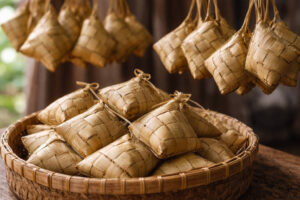 Plain rice: The default, easy with everything.
Pusô: Compact, slightly aromatic from the woven leaves, and convenient with grilled food and dipping sauces.
Add-ons: “Extra soup” or “extra condiments” can make a simple meal feel complete—useful when you’re narrowing down what to eat in Mactan and want comfort without extra risk.
Reality Check: Some condiments can be spicy or very sour. Ask for a small amount first.
Food Safety Basics (Normal Vs Not Normal)
Food safety is part of planning, not panic. When deciding what to eat in Mactan, use simple cues: heat, cleanliness, turnover, and clarity on water/ice. For general travel safety context you can keep bookmarked, see Travel Safety In The Philippines Guide.
Reality Check: Even careful travelers can have an off day. The goal is to reduce risk, not to chase perfection.
Normal: Freshly Cooked, Hot Food, Busy Stalls, Clear Turnover
Normal “green flags” include food served hot (especially soups and stews), busy counters where dishes move quickly, clean utensils, and staff who can answer basic questions about ingredients and pricing. For first-timers choosing what to eat in Mactan, hot cooked dishes are often the lowest-stress choice.
Not Normal: Lukewarm Food Sitting Too Long, Strong Off Smell, Questionable Ice Or Water
Skip food that’s lukewarm, looks like it has been sitting too long, or smells off. Be cautious with drinks that use unclear ice or water sources if you’re sensitive. If you want cold drinks, choose reputable places where ice handling looks clean and consistent.
Reality Check: Saying “No, thank you” is okay. Pick a different dish or a different spot—especially with seafood.
What To Do If Your Stomach Feels Off (Hydration, Rest, When To Seek Help, Keep It Non-Medical And Practical)
If your stomach feels off, keep it simple: rest, hydrate, and choose bland foods (plain rice, bananas, toast if available, clear soup). Avoid alcohol for the moment and pause on spicy or rich dishes. If symptoms feel severe, persistent, or worrying, contact your accommodation front desk for help finding an appropriate clinic or pharmacy option nearby.
Reality Check: It’s better to slow down for one meal than to push through and lose a full day of your trip.
Simple Phrases To Use When Ordering (Cebuano And Filipino Friendly)
 These phrases help you order calmly while deciding what to eat in Mactan. Cebuano is common in Mactan, but Filipino and English are also widely understood in many tourist-facing places. Use whichever feels comfortable.
Reality Check: Accent and spelling vary, and that’s okay. Even a few polite words plus pointing at the menu works.
- Asking the price: “Pila ni?” (Cebuano: How much is this?) / “Magkano po ito?” (Filipino)
- Confirming price by weight: “Pila kada kilo?” (Cebuano: How much per kilo?) / “Per kilo po ba ito?” (Filipino)
- Not spicy: “Dili halang, palihug.” (Cebuano: Not spicy, please.) / “Hindi maanghang, please.” (Filipino/English)
- Sauce on the side: “Sawsawan sa kilid lang.” (Cebuano: Sauce on the side.) / “Sauce on the side po.” (Filipino/English)
- No pork: “Walay baboy, palihug.” (Cebuano: No pork, please.) / “Walang baboy, please.” (Filipino/English)
- Stating an allergy: “Allergic ko sa (shrimp/shellfish/peanuts).” (Cebuano: I’m allergic to…) / “Allergic po ako sa…” (Filipino)
- Takeout: “Pa-takeout ko, palihug.” (Cebuano: For takeout, please.) / “For takeout po.” (Filipino/English)
- Small portion: “Gamaya lang, palihug.” (Cebuano: Just a small portion, please.) / “Small portion lang po.” (Filipino/English)
FAQ For First-Timers
If you’re still narrowing down what to eat in Mactan, these answers are meant to be straightforward and planning-first.
What Food Is Mactan Known For Compared To Cebu City
Mactan is often associated with seafood dining and SuTuKil-style ordering, especially in areas that cater to groups and beach-goers. Cebu City is often associated with broader city dining—markets, neighborhood restaurants, and a wider range of street snacks—plus strong lechon culture. If your main goal is seafood and grilled flavors, that usually aligns well with what to eat in Mactan.
What Are The Safest First-Timer Dishes To Try In Mactan
For many first-timers, the safest-feeling choices are fully cooked and served hot: grilled chicken barbecue, grilled fish (well-cooked), warm soups, and rice meals. If you want to include Cebuano flavor without risk, choose Sinugba (grilled) with sauces on the side and Pusô or plain rice. That combination answers what to eat in Mactan with minimal guesswork.
What Does SuTuKil Mean And How Do You Order It Step By Step
SuTuKil refers to Sugba (grilled), Tuwa (broth-cooked), and Kilaw (vinegar/citrus-based). Step by step: choose seafood, ask how it’s priced (per piece or per kilo), choose the cooking style (start with Sugba if you’re new), confirm portion size, then choose rice and dips. If you’re uncertain, keep it to one seafood item + Sugba + rice for a clean first answer to what to eat in Mactan.
Is It Safe To Eat Street Food In Mactan
Street food safety depends on turnover and handling. Choose vendors with busy lines, food cooked fresh and served hot, and clean utensils. Avoid lukewarm items that have been sitting out for a long time, and be cautious with unsealed water or questionable ice. If you want the street-food vibe with less risk, choose grilled items and eat them hot—this approach fits a careful plan for what to eat in Mactan.
How Big Are Portions In Cebu Casual Restaurants
Many Cebu casual restaurant dishes are shareable, especially grilled plates and seafood. Rice meals are usually individual, but mains can still be generous. If you’re solo, ask if a dish is good for one person or if there’s a half portion. Portion clarity is part of making what to eat in Mactan feel low-stress.
How Do You Ask For Less Spice Or No Chili In Cebuano
You can say “Dili halang, palihug” (not spicy, please) and “Sawsawan sa kilid lang” (sauce on the side). If chili is already mixed in, choose another dish rather than forcing it. This is an easy win when you’re deciding what to eat in Mactan and want predictable flavor.
What Can You Order If You Avoid Pork Or Have Food Allergies
If you avoid pork, prioritize grilled fish, chicken barbecue, egg-based dishes, vegetable plates, and rice meals with clearly identified ingredients. If you have allergies (especially shellfish), choose places that can communicate clearly, ask about shared grills, and keep orders simple (one main + rice). For many travelers, that’s the calmest way to answer what to eat in Mactan with confidence.
Where Can You Eat On A Budget In Mactan Without Overthinking
Carinderia and turo-turo spots are the simplest budget option: point at hot, freshly cooked dishes, ask the price per serving, and pair with rice. Go during peak meal times for better turnover. If you want budget plus clearer menus, choose a casual food hub. Both routes give you a practical answer to what to eat in Mactan without needing a long list of restaurant names.
When you’re ready to plan your next food stop after Cebu, you might enjoy this practical read too: La Union Souvenir Shopping Guide. And if you keep one takeaway from this whole page, let it be this: the easiest way to decide what to eat in Mactan is to choose a cooking method first (grilled or hot soup), confirm the price, then add rice and sauces on the side—simple, calm, and flexible.