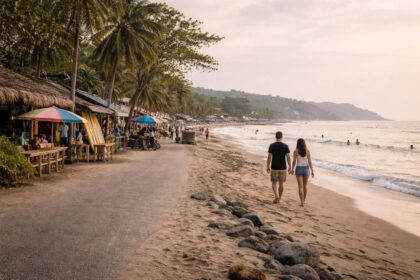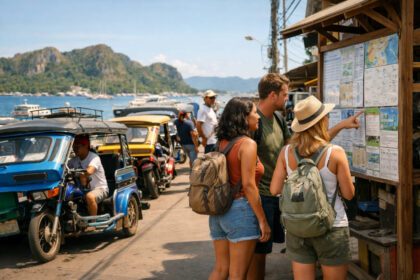
 The first time I truly understood the meaning of sustainable travel practices, I was standing barefoot on a quiet shore in La Union, watching the tide pull soft ripples across the sand. A local surfer beside me picked up a stray plastic wrapper as naturally as breathing. No lecture, no announcement – just a simple act of care. That moment became my compass, reminding me how sustainable travel practices begin with the smallest, most intentional choices and what it really means to travel sustainable in places you love.
If you are mapping out future trips, it helps to see how conscious choices fit into bigger itineraries. Reading reflective planning pieces like Budget Travel Philippines: How I Explore More Without Spending More shows how simple decisions about transport, food, and lodging can quietly support the destinations you visit, without requiring perfection.
Understanding What Sustainable Travel Practices Look Like
Defining Sustainable Travel Practices
 Across the Philippines, sustainable travel practices take many shapes, each one rooted in respect – for the land, the people, and the stories held within every community. Global perspectives, like the sustainable tourism overview, highlight how ecotourism is redefining global adventures, but it is on local shores and mountain roads where these ideas become real. In La Union, I’ve seen sustainable travel practices reflected in early-morning beach clean-ups led by surfers and sari-sari store owners. In Zambales, they appear in how fishermen guide travelers around marine sanctuaries with quiet pride. In Palawan, sustainable travel practices quietly anchor daily life, especially in places where nature and livelihood intertwine deeply.
La Union: Small Acts With Big Impact
 In San Juan, the dawn light makes everything feel new. I once joined a group of volunteers picking up debris along the shoreline. One child carried a small woven basket instead of a plastic bag – a simple reminder of how sustainable travel practices often come from homes that already practice resourcefulness. Between waves, surfers waited their turn patiently, careful not to disturb the tide pools where tiny fish darted around. Watching them felt like witnessing sustainable travel practices in motion, woven into ordinary routines.
I’ve noticed how cafés in La Union increasingly reduce waste by offering discounts to travelers who bring reusable cups. Even choosing small, locally owned eateries supports sustainable travel practices by keeping income within the community and lowering environmental footprints compared to larger chains. Articles such as The Art of Slow Travel echo this mindset, showing how unhurried journeys often become the most sustainable ones.
Zambales: Nature as a Teacher of Sustainable Travel Practices
Everyday Choices in Zambales
Zambales has a very different energy – rugged, open, unfiltered. It’s a place that teaches sustainable travel practices without saying much. On one unforgettable morning in Pundaquit, I watched fishermen haul boats onto the sand with careful coordination. Instead of racing speedboats through coral-rich waters, they maintained slow routes, respecting the fragile marine life beneath them. When you explore coastal spots highlighted in guides like Zambales Hidden Gems, you see how these small choices protect both livelihoods and landscapes.
Moving With Respect Across Land and Sea
When I hiked toward Anawangin Cove, the guide reminded us not to carve initials on trees or stack rocks along the trail. He said these small alterations confuse local wildlife and disrupt natural patterns – a gentle lesson in sustainable travel practices that stayed with me. Following these mindful habits, even as simple as staying on marked paths, preserves the land for future generations.
In Zambales, I’ve also seen homestay owners encourage travelers to segregate waste and use water thoughtfully. These reminders aren’t rules meant to restrict enjoyment; they are gestures of care that echo the principles of sustainable travel practices and help visitors feel connected to the community’s stewardship. Broader snapshots in resources like Tourism in the Philippines show how these local actions fit into the national picture of growing visitor numbers and shared responsibility.
Palawan: Where Sustainable Travel Practices Feel Like a Way of Living
Palawan holds a kind of magic that reveals itself slowly – in the way locals speak of their waters, where every cove feels sacred. When you arrive, you’ll notice sustainable travel practices woven into island life. Boatmen use mooring buoys instead of anchors to protect coral gardens. Guides teach visitors to float gently above marine life rather than chase after turtles. Even choosing eco-friendly sunscreen becomes a love letter to the sea, aligned with ideas of sustainable travel and ecotourism described in references such as the ecotourism overview.
Features like Palawan Travel Guide: Island Hopping, Lagoons, and Hidden Coves help you see how these practices show up in real itineraries, from boat briefings to reef-friendly rules.
Encounters That Deepen Appreciation
On a quiet afternoon in El Nido, I met a boat captain who told me how reefs changed after tourists learned to follow sustainable travel practices. “Mas buhay ang dagat,” he said softly – the sea is more alive. His story reaffirmed how collective mindfulness can revive what was once fading.
During another visit, I shared lunch with a family in Coron who relied on fishing but embraced sustainable travel practices to keep their waters thriving. They served grilled fish caught earlier that morning, cooked simply with calamansi and salt – proof that sustainability and tradition can beautifully coexist. Their hospitality reminded me that sustainable travel practices aren’t just environmental; they are cultural, social, and deeply human.
Practical Ways to Embrace Sustainable Travel Practices
Every Filipino traveler can adopt habits that support the places they love. Always bring reusable containers and water bottles. Choose accommodations that value sustainability. Support local artisans instead of mass-produced souvenirs. Take public or shared transport when possible. These small, consistent decisions ripple outward, reinforcing sustainable travel practices wherever you go. Many of these actions mirror the sustainable travel tips shared in planning stories such as Budget Travel Philippines, where careful choices make trips both lighter and kinder to the places you visit.
Travel With Awareness, Travel With Intention
One of the most grounding lessons I’ve learned is to slow down. When you rush less, you consume less, waste less, and appreciate more. Sustainable travel practices blossom in these slower moments – buying fruit from a roadside stand, chatting with a farmer about their harvest, or walking instead of taking a tricycle for short distances.
Travelers often ask me how to begin. My answer is simple: start with one mindful action. Then let it grow into a habit. Eventually, it becomes part of your travel identity, shaping not only your adventures but the way you see the world. The Philippine Department of Tourism at tourism.gov.ph increasingly highlights responsible tourism initiatives, reminding us that individual choices support wider national efforts to protect destinations.
FAQ: Sustainable Travel Practices
 What are sustainable travel practices?
Sustainable travel practices are everyday habits that reduce negative impact and increase positive contributions to the places you visit. They include conserving water and energy, minimizing waste, choosing local businesses, respecting cultural norms, and supporting conservation initiatives so that destinations remain healthy for future generations.
What are the 5 P’s of sustainable tourism?
Different organizations use slightly different models, but many frameworks emphasize People, Planet, Prosperity, Peace, and Partnerships. Together, they show how responsible trips should protect communities and ecosystems, support fair livelihoods, avoid conflict, and encourage collaboration between travelers, locals, and institutions.
What is an example of sustainable travel?
A simple example is choosing a family-run guesthouse, bringing your own water bottle, joining a community-led beach clean-up, and following local rules about marine sanctuaries during an island visit. In many Philippine destinations, these small decisions echo what you see in eco-focused guides and show that memorable adventures can also be gentle on the environment.
What is the most sustainable way to travel?
The most sustainable way to travel is usually to move slowly and choose lower-carbon options: walking, cycling, or using shared transport whenever possible, and flying less often but staying longer in each place. When you do need to fly, you can still reduce impact by packing light, supporting local conservation projects, and choosing operators who clearly integrate sustainability into their trips.
As you journey across La Union’s swells, Zambales’ rugged coasts, and Palawan’s gentle waters, carry these sustainable travel practices like a quiet promise. Let them guide your steps, remind you to honor every place you visit, and inspire others to do the same. In the end, the most powerful change often begins with a single traveler choosing to care a little more – and choosing to care consistently.