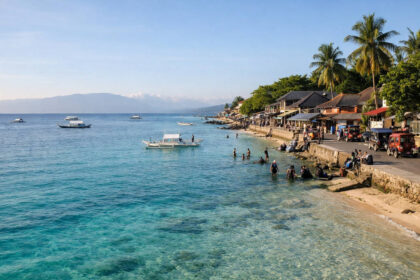
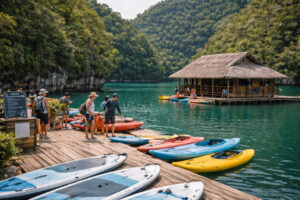
Sugba Lagoon is one of Siargao’s most popular half-day water trips: you ride a pump boat through mangroves, arrive at a blue-green lagoon framed by lush hills, and spend a few hours swimming, floating, and renting boards or kayaks. It’s beautiful, but it’s also a “logistics” destination—registration, boat assignment, shared costs, small fees, and weather cutoffs can shape your day. This Sugba Lagoon guide focuses on plan-changing details: timing, costs, facilities, crowds, safety, and what to do if conditions shift.
Quick Summary: What Sugba Lagoon Is And Who Will Enjoy It
Sugba Lagoon is a sheltered lagoon area in Del Carmen, Siargao known for calm water activities like swimming, paddleboarding, kayaking, and short jumps from a diving board platform. People go for an easy nature reset: warm sun, water time, and a scenic boat ride through mangrove channels.
Who will enjoy Sugba Lagoon: travelers who like gentle water activities, families who want an easy “big nature” day, and groups who can share boat costs. If you dislike wet transfers, sun exposure, or waiting for boat schedules, plan extra buffers and pack for comfort.
Reality Check: This is not a “walk in and you’re done” attraction. Your experience depends on the jump-off flow, crowd levels, and the day’s weather window.
If you’re building a bigger itinerary around this day trip, keep Siargao Travel Guide open as your overall planner for transport rhythm and base locations.
For a simple planning mindset—especially if this is one of your first island trips—bookmark Philippines Travel Planning Guide For First Trips early so you can compare options with less stress.
Where Sugba Lagoon Is Located (Del Carmen, Siargao) In Simple Terms
Sugba Lagoon sits in Del Carmen, a municipality on the west side of Siargao. It’s not in the main tourist strip of General Luna, so you’ll usually combine a road transfer (from your base to Del Carmen) and a boat ride (from the Del Carmen jump-off through mangroves to the lagoon).
In simple terms: you start from wherever you’re staying (often General Luna), drive to Del Carmen’s tourism jump-off, register, then ride a pump boat through mangrove routes until you reach Sugba Lagoon.
Reality Check: Because the trip is managed through a jump-off system, opening times, fees, and boat availability can change. Plan to verify on the morning of your trip.
Choose Your Starting Point
Your lowest-stress Sugba Lagoon day starts with the right launch point. The three common starting points below keep the planning clear: choose based on road time, where you’re sleeping, and how early you can leave.
Starting From General Luna
General Luna is the most common base for Siargao travelers, with the most accommodation, food options, and tour organizers. Starting from here means a longer road transfer to Del Carmen, but it’s convenient because most travelers already have transport contacts (motorbike rental, tricycle drivers, or vans).
If you’ll be arranging your own ride, this guide can help you decide between motorbike, tricycle, and transfers: How To Get Around Siargao From General Luna.
Low-stress tip: If you’re leaving from General Luna, aim for an early start so you arrive at the Del Carmen jump-off before crowds stack up.
Reality Check: If you leave late morning from General Luna, you’re more likely to meet heat, peak queues, and fewer “flexible” boat options.
Starting From Del Carmen
If you’re staying in or near Del Carmen, you’re in the simplest position for Sugba Lagoon logistics. Your road transfer is shorter, and you can show up early with less rushing. This can be a calm choice if you prefer quieter nights and a “morning nature trip” vibe.
Low-stress tip: Being close makes it easier to adjust if there’s a temporary closure or if weather becomes unstable—you lose less time repositioning.
Reality Check: Even if you’re based in Del Carmen, you’ll still encounter registration and shared boat schedules. You’re saving road time, not removing waiting entirely.
Starting Near Siargao Airport
If your accommodation is closer to Siargao Airport (Sayak Airport area) or you’ve planned a “land here, do Sugba Lagoon, then move to General Luna” day, you may reduce total road time compared to starting deep in General Luna. This is also a useful strategy if your main goal is to do Sugba Lagoon before you settle into surf-town pacing.
Low-stress tip: If you’re timing this on arrival day, avoid tight scheduling. Flight delays and baggage waiting can quietly erase your buffer.
Reality Check: Doing Sugba Lagoon immediately after landing can be tiring: you’ll be managing luggage, heat, and wet bags in the same day. Consider a light travel day if you try this.
How To Get There Step-By-Step
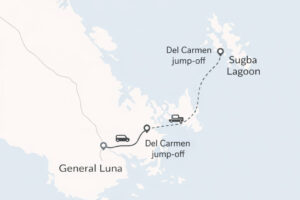 Think of Sugba Lagoon as a two-part journey: road transfer to Del Carmen, then boat to the lagoon. Each step has common “friction points” you can plan around.
Road Transfer Options
From General Luna or nearby areas, travelers usually choose one of these:
- Motorbike: flexible timing and often the simplest for pairs who are comfortable riding. Bring rain cover, secure a dry bag, and plan sun protection.
- Tricycle: good for short-to-medium distances or small groups, but confirm the price, pickup time, and whether it waits for you.
- Van or shared transfer: often arranged by accommodations or tour contacts; can be cost-efficient but less flexible with timing.
- Private car/transfer: lowest stress if you want fixed timing and door-to-door convenience, especially with kids or elders.
If you want a wider lens on what’s normal for transfers and expectations in the country, keep Public Transport Options In The Philippines as a general reference for how shared rides and scheduling typically work.
Reality Check: Siargao roads can be sunny, hot, and occasionally slick after rain. If you’re not comfortable on a motorbike, don’t force it just to save money—choose a tricycle or transfer and keep the day calm.
What Happens At The Del Carmen Jump-Off
 At the Del Carmen jump-off (often managed through local tourism coordination), the typical flow includes:
- Registration: you’ll provide names and basic trip details; sometimes you’ll be asked about group size for boat assignment.
- Fees: expect small fee payments (environmental/entrance categories and sometimes facility-related charges), usually paid before boarding.
- Boat assignment: you may be assigned a boat based on your group size, or you may wait to share with others depending on the day’s system.
- Waiting: even on organized days, waiting happens—boats return, groups complete paperwork, and departure timing can bunch up.
Low-stress tip: Bring small bills and keep your phone charged. Save a note with your driver’s contact so your return pickup is easy to coordinate.
Reality Check: If you arrive during peak hours, the jump-off area can feel crowded and warm. A hat and water make a real difference while you wait.
Boat Ride Reality
The pump boat ride is part of the appeal—mangrove scenery, salt air, and that “we’re heading somewhere special” feeling—but it’s also where comfort planning matters. Expect:
- Time range: the boat ride can vary; plan a flexible window rather than a strict minute-by-minute schedule.
- Wet bags: splashes are common. Put phones, wallets, and car keys in a waterproof pouch or dry bag.
- Sun exposure: midday sun is strong on open water; cover up early, not after you’re already hot.
- Noise and motion: boats can be loud and bumpy depending on conditions; sensitive travelers may want earplugs and motion-sickness meds.
Reality Check: If you’re the kind of traveler who hates getting splashed before you’re “ready,” this is where stress starts. Waterproofing your essentials is the simplest win.
Timing Planner
Most people visit Sugba Lagoon as a half-day trip, but the difference between “fun and calm” versus “hot and rushed” is often just time of day. Use the plans below as realistic blocks you can adjust based on your start point and weather.
Early Morning Plan
Best for: travelers who want calmer water time, easier photos, and less waiting. The early plan often feels smoother because you’re moving before lines and heat build.
Suggested flow: early road transfer → register early → boat out → spend 2–3 hours at Sugba Lagoon → return before midday peak.
Reality Check: Early morning requires discipline—set your night-before checklist (cash, dry bag, towels, sun protection) so you’re not scrambling at sunrise.
Midday Plan (Heat And Crowds Reality)
Best for: travelers who can’t start early and don’t mind a busier atmosphere. Midday is usually hotter, and the floating platform area may feel more “active,” with more rentals and photo queues.
Suggested flow: late morning arrival at jump-off → accept some waiting → prioritize shade breaks and hydration → keep your lagoon time efficient (2 hours can be enough if it’s packed).
Reality Check: Midday sun and salt can drain your energy fast. If you’re doing this time slot, plan a quiet dinner night after—don’t stack another exhausting tour.
Late-Day Plan
Best for: travelers who want a quieter feel and softer light, as long as return schedules allow it. Late-day can be calmer, but it comes with one key planning rule: do not cut return timing too close.
Suggested flow: early afternoon travel → shorter lagoon time → return with plenty of buffer before the last practical boat departures.
Reality Check: If weather shifts late in the day, the last boats may become the busiest. A calm late-day plan is the one that leaves earlier than you think you need.
Costs And Cash Notes
 Fees at Sugba Lagoon and the Del Carmen jump-off can change, and different days may bundle costs differently. The key is to plan in cost buckets and bring enough cash so you aren’t searching for an ATM mid-trip.
Typical Cost Buckets
Common spending categories for Sugba Lagoon include:
- Boat cost: often the biggest piece; may be priced per boat (shared among your group) or via a shared arrangement depending on the day.
- Entrance and environmental-type fees: small per-person fees that support management and upkeep.
- Rentals: paddleboards and kayaks are common; prices vary by time block and demand.
- Cottage/table or seating: some days have cottage-style areas or table fees, especially if you’re staying longer or bringing food.
- Road transfer: motorbike fuel/rental or tricycle/van/private transfer fees from your base.
Planning note: Build a personal range rather than a single number (for example, “base costs + rentals + snacks + buffer”). This keeps your day calm even if the exact fee list shifts.
Reality Check: The stress moment usually happens when travelers only budget for the boat, then forget rentals, small fees, and the ride back to their base.
What Is Usually Cash-Only And What To Screenshot Or Save
In many community-managed setups, cash is the safest assumption for fees and rentals. Signal can be inconsistent, and card payments may not be available. Bring small bills and keep them in a separate pouch so you can pay without pulling out everything.
Save or screenshot these before you leave your accommodation:
- Driver contact (for pickup and return)
- Your accommodation details (in case someone asks where you’re staying)
- Any confirmation notes from Del Carmen coordination (if you arranged ahead)
- A photo of your ID (stored securely) in case you need details quickly
Reality Check: “I’ll just check it online when we get there” is risky in places with patchy data. Save what you need while you still have good signal.
Group Math: How Costs Change If You Are 2, 4, Or 6 People
Sugba Lagoon tends to feel more budget-friendly as group size increases because the boat cost is often shared. Here’s a simple way to think about it:
- If you are 2: expect a higher per-person share of the boat, so you may want to skip some add-ons or keep rentals short.
- If you are 4: boat sharing often lands in a comfortable middle where you can still rent a board or kayak without feeling rushed.
- If you are 6: per-person boat share can drop, making it easier to add rentals or a longer stay—just keep crowd and timing limits in mind.
Reality Check: Bigger groups are not always “easier.” Coordinating payment, photos, and lunch plans can slow you down. Choose one person to handle cash and receipts.
Facilities And Comfort
Comfort details are what turn a lagoon day from stressful to smooth. Facilities can be basic, and crowds can test patience, so set expectations early.
Toilets And Changing Expectations
Expect basic toilets and changing areas, especially during busy hours. Bring tissue, hand sanitizer, and a small dry bag for valuables. A light cover-up or quick-dry towel helps when changing feels awkward in a tight space.
Reality Check: If you’re traveling with kids, plan bathroom breaks before boarding the boat. It reduces stress for everyone on the platform.
Food Options Versus Bringing Snacks And Water
Some days have simple food options near the lagoon or at the jump-off area, but availability can change. The low-stress approach is to bring:
- Water (more than you think you need in the heat)
- Light snacks that won’t melt easily
- A small trash bag so you can pack out wrappers
Reality Check: Hungry + wet + sunburned is the fastest path to a grumpy group. Keep snacks reachable, not buried under towels.
What To Bring
Sugba Lagoon is a wet, sunny day by design. Packing correctly is the difference between “relaxing” and “why is everything damp?”
Dry Bag, Waterproof Phone Pouch, Small Towel, Change Of Clothes
- Dry bag: for phone, wallet, and keys (your non-negotiables)
- Waterproof phone pouch: so you can take photos without panic
- Small towel: quick-dry is easiest
- Change of clothes: for the ride back (even a dry shirt helps)
Reality Check: If you keep your “dry set” in a sealed bag, you’ll be thankful on the road transfer back when air-conditioning or wind hits.
Sun And Foot Protection
Siargao sun can feel intense, especially on water. Bring reef-safe sunscreen when possible, a hat, and light coverage (rash guard or long-sleeve). Reef shoes can help if you’re stepping on slippery areas or want extra confidence moving around platforms and ladders.
Reality Check: Sunburn makes everything feel harder—boat rides, queues, even dinner. Reapply early and often, not only when you start to feel warm.
Motion Sickness And Kids’ Comfort Items If Needed
If you’re sensitive to motion or traveling with kids:
- motion-sickness meds (taken early, following label directions)
- earplugs for boat noise
- a simple comfort snack and a small toy/book for waiting time
Reality Check: Kids usually handle the lagoon well; it’s the waiting and transitions that cause meltdowns. Plan for “in-between” moments.
Safety Rules That Matter
Water activities feel gentle at Sugba Lagoon, but safety still matters—especially with crowds, jumping platforms, and sudden weather shifts. Keep this safety baseline in mind, and review Travel Safety Guide For The Philippines if you want a broader checklist for island travel and common issues.
Life Vest Use And Non-Swimmer Tips
Wear a life vest if you’re not fully confident in deep water, if you’ll be jumping, or if you’re supervising kids. A calm plan for non-swimmers:
- stay close to the platform edges and ladders
- use a life vest even if you’re “just floating”
- avoid crowded zones where accidental bumps can happen
Reality Check: People sometimes remove life vests for photos. Safety beats aesthetics—especially in a busy lagoon.
Diving Board Do’s And Don’ts
The diving board platform is a highlight for many visitors, but it’s also where etiquette and judgment matter most.
- Do: wait your turn, check the water below is clear, follow staff guidance, and jump only when you’re comfortable.
- Don’t: push, rush the person ahead, attempt flips without experience, or jump when you feel dizzy, tired, or unsure.
- Skip it when: the platform is overcrowded, waves/chop pick up, you’re not a confident swimmer, or you’re feeling pressured.
Reality Check: Most injuries happen when people feel rushed or try to match someone else’s confidence level. Choose calm over performance.
Weather Red Flags And When To Reschedule
Weather is the biggest variable for Sugba Lagoon. Watch for:
- strong winds that make the boat ride rough
- dark, building clouds that don’t move through
- boat operators delaying departures or advising shorter stays
For quick checks, use PAGASA Weather Updates the night before and again early morning, then confirm locally with the Del Carmen tourism coordination on the day.
Reality Check: If locals are hesitating, it’s usually for a reason. Your best trip is the one you can enjoy safely, not the one you force through bad conditions.
Etiquette And Community Notes
Sugba Lagoon is closely tied to local management and community livelihoods. Your behavior affects everyone’s day—especially in a shared space with limited platforms and rentals.
Quiet Respect, No Litter, Take Turns For Photos And Platforms
- keep voices low around crowded areas so the space feels calmer
- pack out your trash (even small wrappers)
- take turns at photo spots and the diving board without blocking others
- avoid bringing glass containers
Reality Check: The biggest crowd stress isn’t the number of people—it’s when groups “camp” on platforms for too long. A little awareness keeps the vibe friendly.
Support Community-Managed Rentals Without Overpaying Stressfully
If you’re renting paddleboards or kayaks, ask for the posted price list and time blocks, then pay clearly and keep your stub/receipt if one is given. Community-managed tourism is part of how destinations like this sustain operations; for one planning context note, see Del Carmen Community-Managed Tourism Note.
Reality Check: “Overpaying to avoid awkwardness” can become stressful later. The calm approach is polite clarity: confirm price, confirm duration, keep any receipt.
Easy Pairings With Nearby Stops
If you’re already traveling to Del Carmen, it can make sense to pair Sugba Lagoon with one or two nearby stops—only if you keep the timing gentle. The goal is to avoid turning a relaxing water day into a rushed checklist.
Del Carmen Mangrove Areas And Nearby Beaches Or Islets If Available That Day
The boat ride itself often passes through mangrove routes, and some days may allow quick add-ons nearby depending on conditions and what’s open. If your boat operator offers a short mangrove-focused detour or a calm nearby stop, ask these questions first:
- How much extra time does it add door-to-door?
- Will it affect the return boat window?
- Are there additional fees, and are they cash-only?
Reality Check: Add-ons are only “easy” if your return timing stays safe. Don’t sacrifice a calm ride back for one more photo stop.
Pairing With A Siargao Land Tour Day
If your schedule is tight, it’s usually calmer to separate Sugba Lagoon (a water-and-boat day) from a heavy land tour day. If you must pair, keep it light: do Sugba Lagoon early, then choose one relaxed land stop later rather than stacking multiple driving segments.
Reality Check: After several hours in sun and water, even a short motorbike ride can feel exhausting. Give yourself a slow evening.
Backup Plan If Plans Change
Your backup plan for Sugba Lagoon should be simple: shorten, reschedule, or swap. You don’t need a complicated reroute—just a decision rule you can follow when weather or closures show up.
If Rain Or Wind Picks Up
If conditions start changing while you’re at the lagoon:
- prioritize safety: wear a life vest, avoid jumping, and stay near ladders
- switch to low-risk activities (floating, short paddles close to platforms)
- consider leaving earlier than planned if boat operators advise it
Before you leave your accommodation, do a quick two-step check: PAGASA Weather Updates + a local confirmation from Del Carmen coordination or your accommodation’s tour contact.
Reality Check: The calm win is leaving while it’s still manageable—not waiting until everyone decides to leave at the same time.
If Sugba Lagoon Is Temporarily Closed
Temporary closures can happen for safety, management, or weather reasons. If Sugba Lagoon is closed:
- Step 1: confirm closure details (is it day-only, partial, or multi-day?) through local contacts at Del Carmen coordination.
- Step 2: decide if you reschedule to the next good-weather morning (often the calmest choice).
- Step 3: swap to a low-friction alternative: a relaxed café day in General Luna, a beach afternoon with minimal transfers, or another nearby activity that does not rely on open-water boats.
- Step 4: keep receipts and message your driver/tour contact early to avoid cancellation confusion.
Reality Check: On closure days, the most stressful choice is rushing into a totally different itinerary without transport planning. Choose the simplest swap.
FAQ: Sugba Lagoon Planning Questions
How long should you spend at Sugba Lagoon?
Most travelers are happy with 2 to 4 hours at the lagoon itself, plus the boat ride and jump-off waiting time. Treat it as a half-day block from General Luna, or a shorter block if you start from Del Carmen.
What is the best time of day to visit Sugba Lagoon?
Early morning is usually the calmest: cooler weather, fewer people, and smoother registration. Midday is often hotter and busier. Late-day can be quieter, but only if return boat timing stays safe and weather remains stable.
Is Sugba Lagoon good for non-swimmers?
Yes, if you treat safety seriously. Wear a life vest, stay near ladders and platform edges, and avoid crowded jump zones. Choose floating and gentle paddling close to support points rather than deep-water roaming.
Do you need cash for Sugba Lagoon?
Cash is the safest assumption for fees and rentals. Bring small bills and keep them dry. Save screenshots of any confirmations and keep stubs/receipts until your day is complete.
What should you do if the weather looks unstable?
Check PAGASA Weather Updates, then confirm locally before you leave. If wind and rain are building, reschedule to an early morning window. If you’re already there, shorten activities and return earlier.
 Sugba Lagoon is easiest when you plan it like a gentle water day: early start, flexible timing, cash and waterproofing ready, and a simple backup plan if weather or operations shift. For more itinerary ideas you can add after your lagoon day, browse More Siargao Spots To Add To Your Trip. If you want the same planning-first style for other destinations, continue to More Travel Guides.