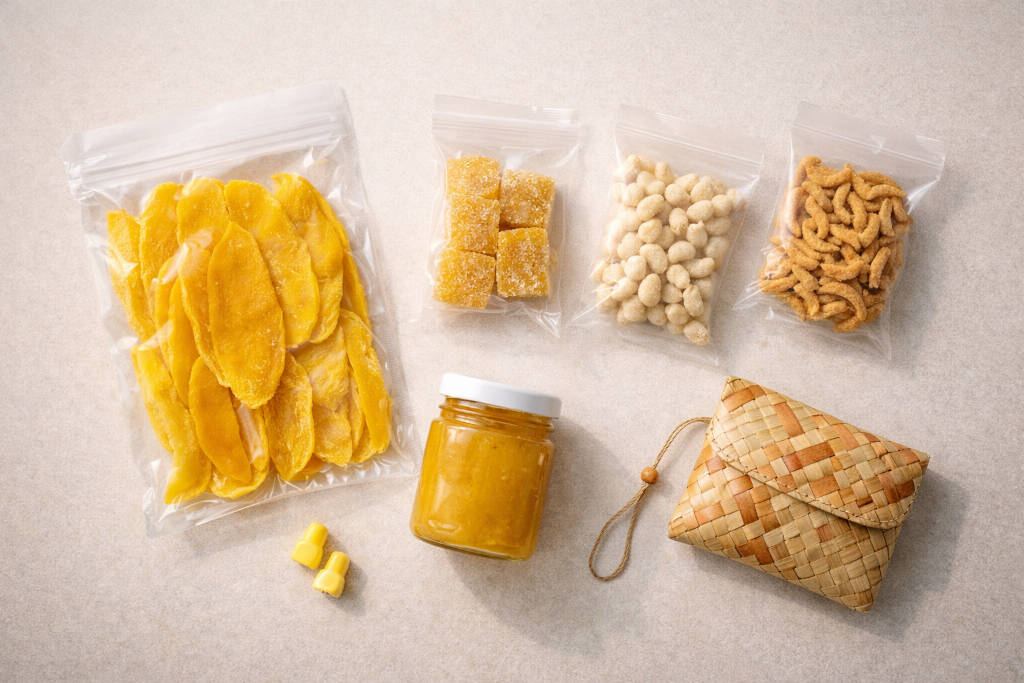
In the Philippines, “souvenirs” usually means pasalubong: food gifts for family, officemates, and neighbors, plus a few small items that feel local and useful. For souvenir shopping in Zambales, the best buys tend to be simple and travel-friendly—mangoes and mango-based products, locally made snacks from MSMEs, and a few practical crafts that won’t crack in your bag.
This guide keeps it planning-first: what’s common (and why), what’s worth it for value-for-money, where to buy, quick quality checks, and how to pack food and fragile items safely. For broader trip setup (routes, timing buffers, and what to prioritize), see Philippines trip planning basics.
At-a-Glance: Quick Pasalubong Strategy for Zambales
Buy timing: early for browsing, late for heat-sensitive items
Browse early in your trip to compare products and prices, then buy heat-sensitive items (fresh mangoes, some sweets) closer to departure—especially if you’ll be stuck in midday traffic or long van rides.
Value-for-money rule: pay for freshness and proper packaging
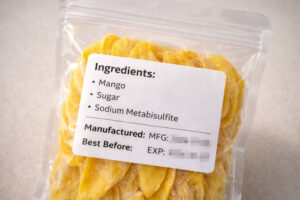 Good pasalubong doesn’t need to be expensive. The “worth it” choices are usually the ones with clean handling, clear labels/dates, and packaging that can survive a commute.
Travel reality: heat and handling matter more than the item itself
If you’re traveling by bus/van, expect bags to be moved and stacked. If you’re flying out via Clark or Manila, expect liquid and weight limits in checked baggage to shape what you can bring.
Reality check: The most common regret is buying too early, then leaving food in a hot car or a warm room—plan your buying window around heat and travel time.
What Makes a Souvenir “Worth It” in Philippine Context
Souvenirs here are often food gifts first
In many Filipino trips, the default question after “Kamusta ang biyahe?” is “May pasalubong?” That’s why food gifts dominate: they’re easy to share, easy to explain, and they feel thoughtful even in small sizes.
A “worth it” souvenir is local, practical, and travels well
For souvenir shopping in Zambales, “worth it” usually means at least two of these: made locally or strongly associated with the province, good quality (not repacked or stale), priced fairly for what you’re getting, and sturdy enough for your route home.
Plan your pasalubong list like a packing list
Before you shop, decide who you’re buying for and how you’re traveling home. A simple plan prevents overspending on random bundles. If your trip includes multiple stops around the province, keep a small “pasalubong allowance” and shop with a shortlist rather than impulse.
Reality check: The fastest way to overspend is buying “just in case” gifts that don’t match your luggage space or travel time.
Zambales Mangoes and Mango-Based Products: The Big Theme
Fresh mangoes: best when timing and handling are right
Zambales is often associated with mangoes, so it’s common to see travelers prioritize fresh fruit when it’s in season and when travel conditions allow. Fresh mangoes work best as pasalubong when you have a short, cool-ish travel time, a sturdy bag/box, and a plan to keep them out of direct heat.
Quick buying questions that help: “Hinog na po ba ito o pang-ilang araw?” and “Gaano katagal bago masobrahan sa hinog?” Those answers should match your actual travel time home.
Mango-based products: easier for long commutes and gifts
If you’re doing souvenir shopping in Zambales with a long drive (or a flight), mango-based products are often easier than fresh fruit. Common categories include dried mango, mango jam/spread, mango candies, mango pastries, and mango-flavored snacks. The best choice depends on your travel conditions: shelf-stable packs are easiest for long commutes, while soft pastries are more sensitive to heat and crushing.
How to pick mango products based on your route
If you’re leaving Zambales early and still have beach stops or side trips, prioritize sealed, shelf-stable mango snacks. If you’re buying just before heading out, you can consider more delicate items like pastries—still with the expectation that heat and handling can affect quality.
Reality check: “Mango” on the label doesn’t automatically mean local—use labels and seller information to check where it’s made and how it’s stored.
If you want a neutral reference list of delicacy ideas commonly associated with the province, see Zambales delicacies (Visit My Philippines), then prioritize what fits your travel logistics.
Other Local Food Pasalubong That Usually Travels Well
Sweet snacks from MSMEs: easy to share
Beyond mangoes, Zambales pasalubong often includes small, locally made snack packs that are easy to share at work or at family gatherings. Travelers commonly look for: sweet potato (camote)-based snacks, pastillas-style candies, sesame candies (like brittle-style sweets), and ginger candy or salabat-style products.
These are popular because they’re portable, portionable, and usually shelf-stable when properly packaged and stored away from heat.
Savory and salty options: check sealing and smell control
Pickled items, dried fish, bagoong, and local salt products can be great “pang-ulam” gifts—but they need stricter packaging. For anything salty or strongly scented, prefer sealed packs or well-closed jars, and double-bag them to protect your other items.
When to choose shelf-stable over “freshly made”
Freshly made items can be tempting, but they may spoil faster if you’re commuting in heat. If your route includes long travel time, choose shelf-stable items with clear storage notes and an expiry date, then keep them out of hot cars.
Reality check: Some of the tastiest snacks are also the most heat-sensitive—choose based on your commute, not just your cravings.
Non-Food Souvenirs: Simple Crafts That Make Sense
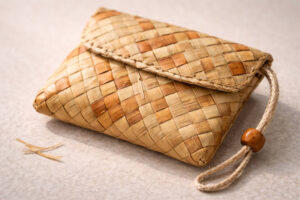 Bamboo-based crafts: practical, light, and usually sturdy
For non-food items, bamboo-based crafts are a practical category because they’re light, useful, and less likely to shatter. Examples include small trays, simple containers, or woven items that can be used at home rather than stored as clutter.
Stonecraft or beaded items: check finishing and durability
Beaded bracelets, small stonecraft pieces, and simple accessories can work as budget gifts. The key is finishing: smooth edges, secure knots, and consistent beadwork. If it looks rushed or flimsy, it may not survive daily use.
Pick souvenirs that won’t cause “extra luggage stress”
The most “worth it” craft souvenirs are the ones that don’t create packing problems. If an item is bulky, sharp-edged, or easily cracked, it may cost more in hassle than it’s worth—especially for souvenir shopping in Zambales on a weekend road trip.
Reality check: If you can’t picture how to pack it safely in 10 seconds, it’s probably not the right item for your route home.
What’s Commonly Overpriced (Gently) and What to Skip
Generic magnets and shirts priced like “premium”
Magnets, printed shirts, and generic keychains can be fun, but they’re often the most overpriced items in tourist-heavy areas—especially when the design isn’t Zambales-specific or the material quality is basic. If you want these, buy them as small add-ons, not your main pasalubong plan.
“Tourist bundles” that hide per-item costs
Bundled gift packs can be convenient, but some are priced in a way that hides the per-item cost. If you can’t see individual labels or sizes, or if the pack feels like a mix of random items, compare against buying two or three items separately.
Repacked snacks with no label or dates
Unlabeled repacked snacks are a common risk for both value and safety: you can’t check ingredients, you can’t confirm freshness, and you don’t know storage requirements. For gifts, choose properly labeled products—even if they cost slightly more.
Shell/coral-like decor with questionable quality
Avoid items that look like coral, shells taken from the sea, or anything that feels environmentally harmful. Even when the item is “just decor,” it can raise ethical and practical issues (breakage, smell, and sustainability concerns).
Reality check: The “cheap” souvenir can become the expensive one if it breaks, leaks, or gets confiscated—or if it’s simply not something anyone can use.
Where to Shop: Markets, Pasalubong Centers, Malls, and Last-Minute Hubs
Public markets: best for fresh produce and everyday prices
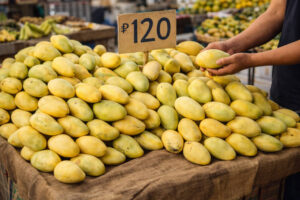 Public markets are usually the best option for fresh mangoes and everyday pricing on local produce. The tradeoff is effort: you need time to check quality, carry bags, and handle heat. Bring reusable bags and plan market stops earlier in the day when it’s cooler.
Pasalubong centers and OTOP-style hubs: easier browsing for packaged gifts
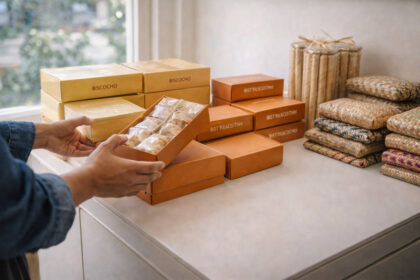
For packaged local products (mango snacks, candies, sealed jars), pasalubong centers and OTOP-style hubs are convenient. You can compare labels more easily, find giftable packaging, and often get proper receipts—helpful if you’re buying in bulk.
Malls in the Subic/Olongapo area: convenient, not always local
Malls can be practical for last-minute buys, especially if you need a supermarket run (zip bags, bubble wrap alternatives, extra tote bags). But mall items are not always Zambales-specific, and convenience markups can apply to generic goods. Treat malls as backup for essentials and selected sealed snacks, not the main plan for souvenir shopping in Zambales.
Travel hubs and “airport shopping”: buy earlier when possible
Zambales does not have a major commercial airport for most traveler itineraries. If you’re flying out via Clark or Manila, airport shopping tends to be pricier and more generic. The practical move is to buy local items earlier in Zambales (especially clearly labeled products) and reserve the airport for small emergency items only.
Shopping safety and common sense (quick reminders)
Stick to well-lit, established shops or market areas, keep receipts for bulk buys, and avoid leaving purchases unattended. If you want a broader set of reminders for handling cash, phones, and transactions while traveling, review travel safety checklist for the Philippines.
Reality check: The “best place” depends on your route—souvenir shopping in Zambales is easiest when it matches your actual day plan, not just what looks convenient on a map.
For area context and ideas on where travelers usually pass through (and where shopping stops fit), browse Zambales travel guide and, if you’re building a slower route, Zambales hidden gems.
How to Spot Good Quality Fast (60-Second Checks)
Packaged food: look for seals, labels, and dates
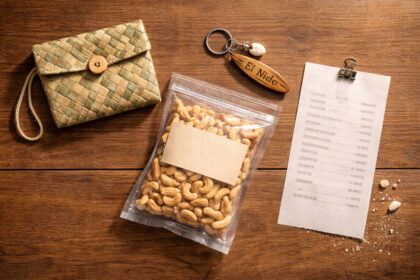
For packaged snacks and mango products, do a quick label scan: sealed packaging, product name, ingredients, manufacturer details, manufacturing/expiry dates, and storage notes. If the pack is unsealed, sticky, or has unclear dates, skip it—especially for gifts.
Fresh mangoes and produce: match ripeness to travel time
Choose fruit with balanced ripeness: no deep bruises, no leaking spots, and no strong fermented smell. Ask how long it will last and choose slightly firmer fruit if you still have a long commute. If your route includes midday heat and multiple stops, consider shelf-stable alternatives instead of fresh mangoes.
Bottles and jars (jams, vinegar, pickles): check the seal and leaks
Inspect the cap and seal integrity. Look for sticky residue, wetness around the lid, or a loose cap—those are leak risks. Prefer containers that feel travel-safe and not overly thin. If the seller can’t confirm how it should be stored, choose another product.
Crafts: check finishing, sturdiness, and honest details
Run a quick durability check: smooth edges, firm joins, and no wobble. Ask one simple question: “Saan po gawa?” or “Sino po gumagawa?” Good sellers can answer clearly. Be cautious with vague “handmade” claims with no details.
When to walk away
Walk away when: packaging is unclear, pricing feels pressure-based, or the seller rushes you to buy without letting you inspect. Calm shopping is normal—pressure is not.
Reality check: If you’re tired and hungry, everything looks “worth it.” Eat and hydrate first, then shop with clearer judgment.
Packing Tips for Food, Bottles, and Fragile Items
For bus/van travel: expect stacking and sudden braking
Pack as if your bag will be moved and stacked. Put fragile items (jars, delicate snacks) in the center of your luggage, cushioned by clothes. Use zip bags as a first layer for anything that can leak or crumble.
For flying out via Clark or Manila: plan around liquids and weight
Liquids and heavy jars can affect baggage weight quickly. If you’re checking a bag, protect bottles/jars with wrapping, then double-bag to contain leaks. Keep anything you can’t afford to lose out of checked baggage where possible. Airline rules vary, so avoid overbuying liquids if you’re uncertain.
Bottles/jars: wrap, double-bag, and protect the center
Wrap bottles/jars in clothing (or paper plus cloth), seal them in two plastic bags, then place them upright in the middle of the bag with padding all around. This reduces both breakage and leak damage.
Heat-sensitive items: buy later and avoid hot-car storage
Don’t leave food pasalubong in a parked car under the sun. If you have a long commute or multiple beach stops, buy heat-sensitive items closer to departure and choose shelf-stable packs when possible.
For a broader packing framework you can adapt to road trips vs flights, refer to packing list for different trip types.
Reality check: Packing is part of the “true cost” of souvenirs—if you can’t pack it safely, it’s not a good buy for your route.
Budget-Friendly Gift Ideas That Still Feel Thoughtful
Small budget: simple, shareable packs
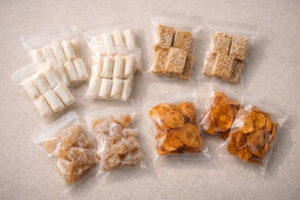 Think “pang-opisina” portions: small packs of mango snacks, sesame candies, ginger candies, or pastillas-style sweets. Add a short note (“from Zambales”) and it instantly feels more personal than a generic magnet.
Medium budget: a themed mini-set
Create a simple set: one mango-based product + one sweet snack + one savory item in a travel-safe pack (for example, sealed salt or bagoong if well-packaged). This feels curated without needing premium pricing.
Group pasalubong: bigger packs that are easy to portion
For families or teams, choose bigger, sealed packs that can be portioned at home: multiple small snack packs, a larger sealed mango product, or a mix-and-match bundle where each item is labeled and dated.
Value-for-money choices: compare by weight, labeling, and durability
When comparing items, look at net weight, packaging quality, and how likely it is to arrive intact. This is where budgeting helps: align your pasalubong spending with your overall trip plan using sample Philippines travel budgets, so gifts feel generous without causing a “last-day budget crash.”
Reality check: The most appreciated gifts are usually the easiest to share and use—not the most expensive ones.
FAQ: Souvenir Shopping in Zambales
What souvenirs are most common in Zambales? Mangoes and mango-based products are the big theme, followed by locally made snack packs (camote-based snacks, pastillas-style sweets, sesame candies, ginger candy/salabat items) and a few simple crafts like bamboo items or small beaded pieces.
What Zambales souvenirs tend to be overpriced? Generic magnets and shirts priced like premium items, tourist bundles that hide per-item costs, unlabeled repacked snacks, and generic goods sold at convenience markups in malls or travel hubs when they aren’t Zambales-specific.
Where should you shop: market, pasalubong center, mall, or last-minute travel hubs? Markets are best for fresh mangoes and everyday prices; pasalubong centers are best for packaged local products with easier browsing; malls are convenient for last-minute essentials but not always local; last-minute hubs (including airports outside Zambales) are often pricier and more generic.
How do you choose good-quality mango products? Prefer sealed packs with clear labels, ingredients, dates, and storage notes; check for intact packaging and avoid items stored in direct heat. For fresh mangoes, match ripeness to your travel time and avoid bruised or leaking fruit.
How do you check quality for packaged food souvenirs quickly? Look for sealed packaging, clear product name, ingredients, manufacturer details, manufacturing/expiry dates, and storage guidance; skip items with unclear dates, broken seals, or messy handling.
How do you pack bottles/jars and fragile items safely? Wrap and cushion items in the center of luggage, double-bag to prevent leak damage, and avoid placing fragile goods near the outer edges where they’re most likely to get hit or crushed.
What are the easiest budget-friendly pasalubong ideas from Zambales? Small packs of mango snacks, sesame candy, ginger candy, pastillas-style sweets, sealed salt/bagoong packs, and small durable crafts like bamboo items or simple keychains that won’t break.
When is the best time to buy souvenirs during your trip? Browse early to compare options, then buy heat-sensitive items closer to departure; for long travel days, prioritize shelf-stable sealed products and avoid leaving food in hot vehicles.
To keep planning simple, treat souvenir shopping in Zambales as part of your route—not an afterthought. If you want more destination context, browse Zambales travel guides and tips, and for more practical food-focused travel reads, visit more Food & Culture guides.
For a quick province background reference (useful when explaining gifts to friends back home), see Zambales (Wikipedia).