“Good pasalubong” in La Union usually means one thing: it gets home in one piece. Most visitors are on a road trip (private car, bus, or van), so the smartest souvenirs are durable, sealed, easy to carry, and priced fairly for what you’re getting. This matters even more when you’re buying for a group—co-workers, family, barkada—where value and practicality beat anything fragile or hard to pack.
This guide to souvenir shopping in La Union focuses on what’s commonly available, what’s usually worth it, and what’s not worth the hassle for most travelers. Because products depend on the exact town, season, and seller, use the suggestions as a checklist—not a promise. Always check labels, seals, and packaging before you pay.
If you’re planning a first-time road trip itinerary (stops, cash, what to pack, and how to keep the day realistic), this Philippines travel planning guide for first-timers can help you set up a smoother trip before you even think about shopping bags.
Reality Check: In peak weekends and holidays, the most “giftable” items can sell out early. If a specific product is your main goal, shop before your last day.
At-a-Glance
- Most practical buys: sealed bottled goods (grape products, vinegar) and small, sturdy crafts.
- Most common La Union theme: grape products in Bauang-area stops (taste and sweetness vary by brand).
- Most common packing problems: leaky caps, sticky residue, and breakables without a box.
- Best shopping style for road trips: one planned stop at a pasalubong hub + a small market run for basics.
- Easy rule: if it can’t survive a bumpy ride, don’t buy it unless you can pack it properly.
Reality Check: “One more bottle” feels small until you’re carrying it through a crowded terminal or stacking it under a bus seat. Buy with your transport in mind.
What Souvenirs Are Common in La Union (and What’s Usually Worth It)
There’s no single “official” souvenir, but certain items show up again and again in souvenir shopping in La Union—especially at pasalubong centers and along common road-trip routes. The most worth-it items are usually those that are easy to verify (labels, seals) or easy to judge (sturdy weave, clean stitching).
Grape products (wine, juice, jam/jelly, pickled items)
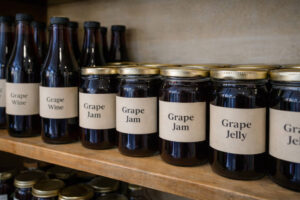 Grape-themed pasalubong is a typical Bauang-area buy. You’ll commonly see grape wine, grape juice, jams/jellies, and sometimes pickled grape items. What to expect: flavor and sweetness vary a lot by producer, and some products are more “novelty sweet” while others taste more balanced. Choose based on your recipient—some people prefer juice or jam over wine.
Practical checks: look for intact seals, clean bottle necks, readable labels, and clear manufacturer info. If the product is meant to be refrigerated after opening, make sure that’s stated clearly.
Reality Check: “Local grape product” is a broad category. Don’t assume every bottle tastes the same—check the label, and buy one to try if you’re unsure.
Vinegar (sukang Iloko) and bottled condiments
Iloko vinegar and other bottled condiments are practical gifts because they’re useful at home and easy to share (one bottle can be a household staple). These are usually worth it when packaging is solid and seals are reliable.
Smart picks: smaller bottles for gifting, or medium bottles for family homes. Avoid anything with a loose cap, sticky residue, or unclear ingredient list.
Reality Check: A single leak can ruin a bag—and your clothes. If the bottle looks questionable, skip it and buy a cleaner one.
Local textiles (inabel-inspired items)
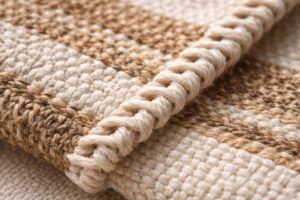 Textiles inspired by inabel weaving often appear as scarves, table runners, small towels, pouches, and other fabric items. These can be great gifts because they’re light and pack flat. One note: quality and origin vary, and not everything labeled “inabel” is made the same way or from the same source.
What to look for: neat stitching, straight edges, consistent weave, and fabric that feels durable (not overly thin for its price). It’s okay to ask the seller where it’s made and what material it uses.
Reality Check: If a textile looks rushed—loose threads, uneven edges—it will often look worse after one wash. Choose workmanship over patterns.
Baskets and handicrafts
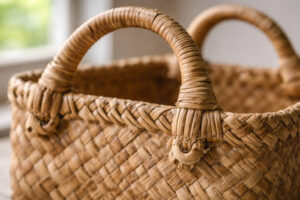 Small baskets, woven trays, and simple handicrafts can be good value when they’re sturdy. They make useful gifts (home storage, desk organizers) and can feel more thoughtful than generic souvenirs.
Choose pieces with strong handles, tight joints, and a dry, clean smell. If it smells damp or moldy, skip it—odors can linger and worsen in humid storage.
Reality Check: Some woven items look nice but feel flimsy in the hand. If it bends too easily or the handle feels weak, it may not survive travel.
Pottery and handmade crafts (buy only if you can pack well)
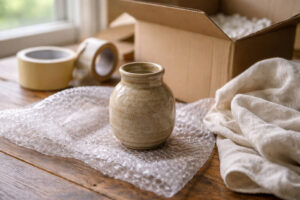 Handmade ceramics or pottery-style crafts can be meaningful gifts, but they’re also the most breakable category. These are worth it only if you can get proper wrapping and a box—or if you can carry the item carefully for the rest of your trip.
Inspect for cracks, chips, or uneven bases. Ask if the seller can provide padding and a box before you commit.
Reality Check: If you’re commuting by bus/van and the item must go under the bus, fragile souvenirs are a gamble unless you can protect them well.
Simple snacks and dried goods
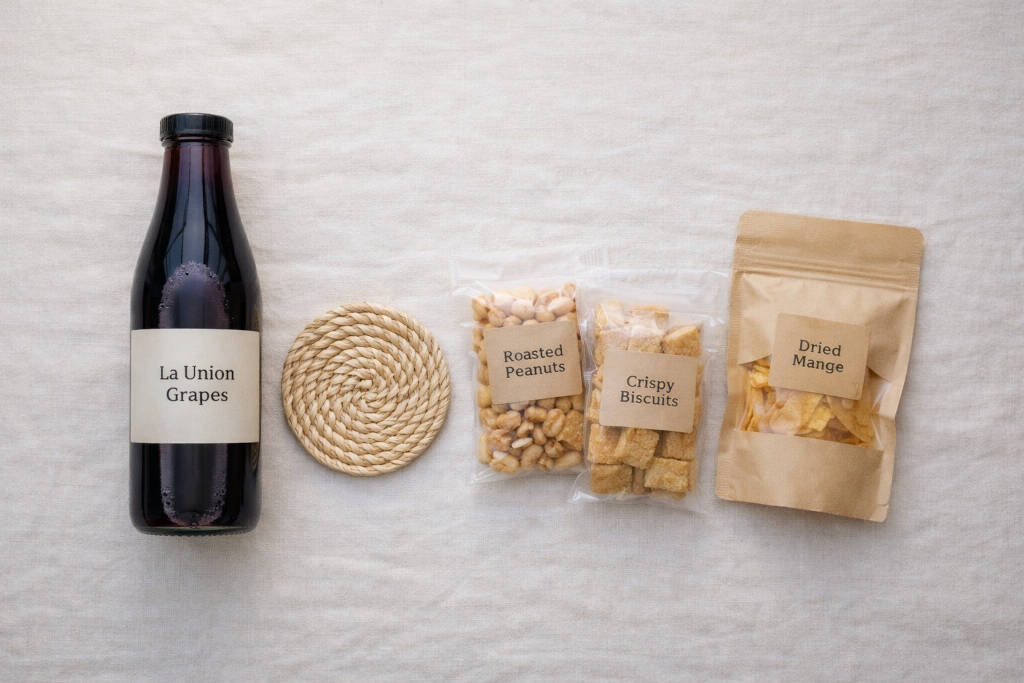
Packaged snacks, dried goods, and simple pantry items are practical gifts—especially for offices or large families—because they pack easily and don’t require special handling (as long as packaging is sealed). If you’re considering dried fish or strong-smelling items, make sure odor-control is solid for shared rides.
Reality Check: “Good price” isn’t good if it opens in transit. Choose sealed packs and double-bag anything with odor.
What’s Overpriced or Not Worth It (for Most Travelers)
This isn’t about judging anyone’s taste—some items are fun tokens. But for most people doing souvenir shopping in La Union on a road trip, these tend to be low-value or high-hassle:
- Generic tourist shirts/keychains that aren’t locally made: fine as a small reminder, but often overpriced for the fabric or finish.
- Poorly sealed bottled goods: loose caps, sticky residue, or unclear labels usually mean higher leak risk.
- Fragile items without proper boxing/wrapping: if the seller can’t help you protect it, it’s a risk.
- Very bulky decor when you’re commuting by bus/van: big items are hard to secure and easy to damage.
Also: skip souvenirs made from corals, shells, or wildlife products. Aside from environmental and ethical concerns, these can create legal problems and are better left unbought.
Reality Check: If you feel pressured to buy quickly, step back. The calm purchase is usually the better purchase.
Where to Shop: Market vs Mall vs Pasalubong Center vs “Airport”
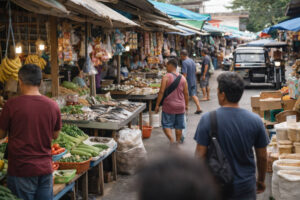 Where you shop shapes what you’ll see—and how much effort you’ll spend checking packaging. For souvenir shopping in La Union, these are the most common routes:
Public markets
Best for: everyday prices on basic goods, simple snacks, and pantry items—especially if you have time and small cash. Markets can be great for quantity buys, but you’ll need a careful eye for packaging and storage conditions.
What to expect: more variety, less “gift-ready” packaging, and more responsibility on you to check seals and dates. If you’re buying bottles, plan how you’ll carry them right away.
Reality Check: Markets reward patience. If you’re rushing, you may miss quality checks and end up with leaky or poorly packed items.
Pasalubong centers/hubs
Best for: one-stop shopping with curated local products and more giftable packaging. Labels are often clearer, and it’s easier to compare items quickly. Prices can be a bit higher, but the trade is convenience and less hassle.
A commonly referenced official stop is the La Union agri-tourism and pasalubong hub—details and updates are best checked through the provincial page here: La Union Ultimate Pasalubong Center (official page).
Reality Check: “One-stop” can tempt you to buy too much. Decide your gift list first, then shop to the list.
Malls
Best for: standardized packaged goods, last-minute basics, and predictable shopping hours. Malls are convenient, but not everything there is specific to La Union—some items may be widely available elsewhere in the Philippines.
Reality Check: If your goal is “something distinctly local,” malls can feel generic. Use them for backup, not as your only shopping plan.
“Airport” shopping
Realistically, La Union itself isn’t an airport-shopping destination for most travelers. Many visitors pass through Clark or Manila instead, and airport items there tend to be more expensive and less specific to La Union. Treat airport buying as a last resort if you ran out of time, not as your main plan.
Reality Check: Airport souvenirs often cost more for smaller sizes. If you can, buy earlier in the trip when you can still choose carefully.
How to Spot Good Quality (Simple Checks)
Quality checks don’t need to be complicated. In souvenir shopping in La Union, the best habit is slowing down for 30 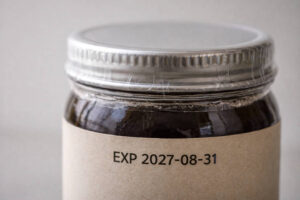 seconds before you pay.
Food and bottled goods
- Seals: cap should be tight; seals should be intact; avoid bottles with sticky residue.
- Labels: readable ingredients, expiration date, and storage instructions.
- Manufacturer info: prefer products with clear producer details.
- Packaging: sturdy glass or thick plastic, and a box if available for gifting.
Textiles and crafts
- Textiles: check stitching, straight edges, and consistent weave; tug gently to see if seams feel secure.
- Baskets: smell-check for damp/moldy odor; check handles and joints for strength.
- Pottery: check for hairline cracks, chips, and uneven bases; ask for boxing/bubble wrap.
Reality Check: If a seller can’t answer basic questions (storage, ingredients, where it’s made), it’s okay to choose a different stall.
Packing Tips for Fragile Items (Road Trip and Bus-Friendly)
Packing is half the success of souvenir shopping in La Union. These tips are simple but effective—especially for bumpy rides.
Bottles and jars
- Double-bag each bottle/jar (two plastic bags or one bag + a reusable pouch).
- Secure the cap area with tape if appropriate (only if it won’t damage labels you want to keep).
- Wrap in clothes (shirts, towels) and keep bottles upright if possible.
- Place in the center of luggage, cushioned on all sides.
- Separate liquids from electronics and important documents.
Pottery and breakables
- Ask for a box + padding first. If none, build a padded “nest” with clothes.
- Pack in the middle of your bag, not near the outer walls.
- Mark as fragile (even a simple note helps if someone else handles the bag).
- On buses/shared rides: keep fragile items with you if possible instead of under the bus.
Smelly food (like dried fish)
- Odor control: choose sealed packs, double-bag, and place in a separate pouch.
- Be mindful: in shared vans/buses, strong smells affect everyone—pack it so it doesn’t leak or scent the whole ride.
If you want a broader checklist that fits your trip type (road trip vs commute-heavy travel), this packing list guide for different trip types is a useful reference.
Reality Check: The most common souvenir disaster is a small leak you only notice at home. Bagging and cap checks are worth the extra minute.
Shopping Safety: Avoiding Bad Deals Without Stress
Shopping safety is mostly about staying calm and keeping your routine simple—especially in busy areas. When doing souvenir shopping in La Union:
- Carry small cash and keep bigger bills separate.
- Ask for the total before items are wrapped—especially for bundles.
- Check packaging again after wrapping (caps tight, boxes closed).
- Don’t rush if you feel pressured—step aside and compare calmly.
For more general guidance on staying safe while traveling—handling cash, avoiding scams, and navigating crowded areas—this travel safety guide for the Philippines is a good read before your trip.
Reality Check: The safest purchase is the one you can explain clearly: what it is, who it’s for, and how you’ll pack it.
Budget-Friendly Gift Ideas (Easy to Buy in Multiples)
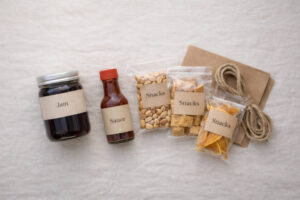 If you’re buying for many people, the goal is “small, shareable, and packable.” These ideas are common in souvenir shopping in La Union and usually travel well. Prices vary by shop and season, so think in ranges, not exact tags.
Under PHP 100 (small tokens)
- Small snack packs or simple local treats in sealed packaging
- Postcards or sticker sheets from local artists (when available)
- Mini woven items (small coasters or tiny organizers) if workmanship is clean
Under PHP 200 (small but thoughtful)
- Small jars of jam/jelly (choose sealed, clearly labeled)
- Mini bottles of vinegar or condiments (double-bag for travel)
- Simple textile items like small pouches or towels (check stitching)
Under PHP 500 (giftable, still practical)
- Grape wine or juice (choose based on recipient taste; check seals)
- Better-quality woven baskets or trays with strong handles and joints
- Textile runners or scarves with consistent weave and neat edges
If you’re budgeting your whole trip (not just pasalubong), these Philippines travel budget examples can help you set a realistic shopping allowance without cutting into transport and meals.
Reality Check: Buying in multiples gets easier when you stick to one category (like small jams or mini condiments) instead of mixing many fragile items.
A Practical La Union Shopping Plan (So You Don’t Overbuy)
If you want a simple system for souvenir shopping in La Union, try this:
- Step 1: write your recipient list (family homes, offices, close friends).
- Step 2: choose 1–2 “core” items that pack well (sealed jam + mini vinegar; or snacks + small woven items).
- Step 3: do one focused stop at a pasalubong hub for gift-ready items.
- Step 4: only add fragile items if you can pack them safely for your transport.
For grape-related stops and context around the grape-picking theme often associated with Bauang, you can check the local tourism page here: Bauang grape picking information. Use it mainly to confirm what’s seasonal and what may depend on timing.
Reality Check: Seasonal products can vary most in taste and stock. If something matters to you, buy it when you see a well-sealed, clearly labeled version—not after you’ve already left the area.
More Food and Culture Guides
If you’re collecting trip ideas beyond pasalubong—local food culture, market browsing, and practical travel habits—explore more Food & Culture guides. And if you’re commuting home by bus or van, keep your souvenir list simple: sealed, sturdy, and easy to carry.