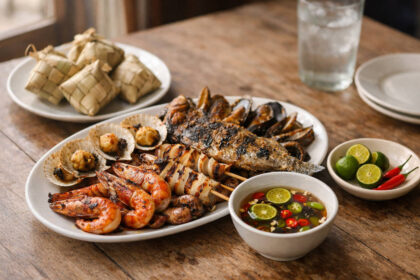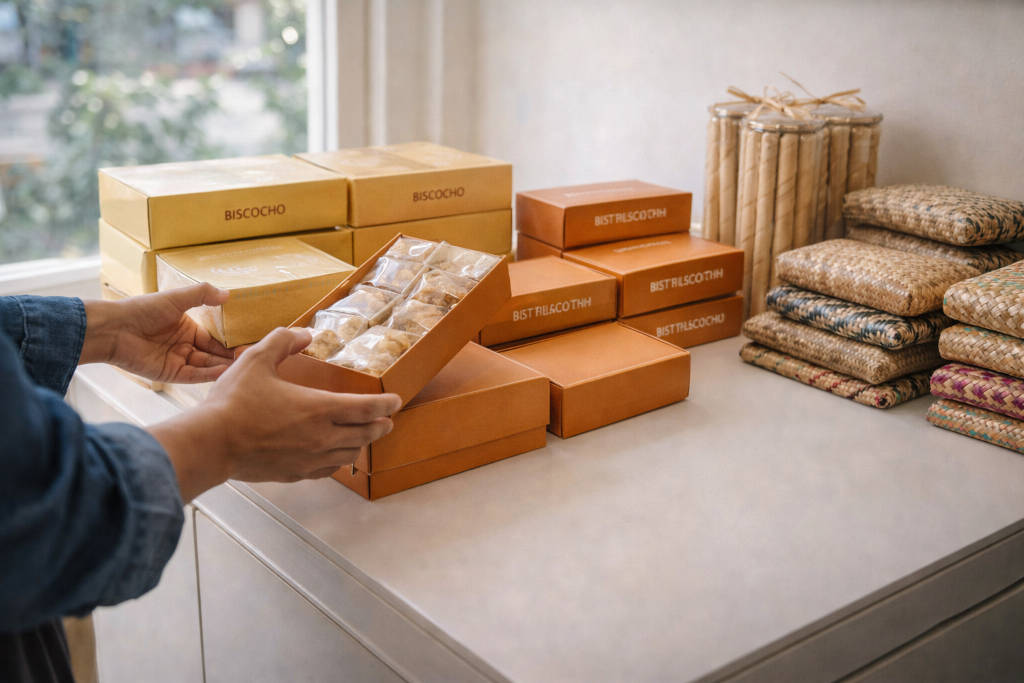
Souvenir Shopping In Iloilo City is easiest when you treat it like a quick decision exercise: what will travel well, what fits your baggage space, and what feels thoughtful without being complicated. Iloilo is known for shelf-stable snacks you can share at home and woven pieces that can last for years, but it is also a place where convenience markups happen fast, especially when you are shopping tired, hungry, or rushed.
This guide focuses on practical choices: what souvenirs are most common, which ones are often overpriced, where to shop based on your time and budget, how to check quality (food and textiles), and how to pack everything so it arrives intact. No exact prices, just rules you can use in real life.
At-a-Glance: Souvenir Shopping In Iloilo City
Best time window: Weekday mornings for markets (cooler, calmer). Late afternoon to early evening for mall kiosks (most convenient). If you are buying near a holiday or festival weekend, add extra time.
Realistic travel time: Market-to-mall can be quick on paper, but traffic and waiting time can stretch your plan. Keep your route simple and cluster stops.
Budget band: Expect markets to give you more size choices, malls to give you more standardized packaging, and the airport to be the most expensive per piece. Plan your “nice gifts” first, then fill in with small add-ons.
Crowd and traffic risk: Weekends and payday periods tend to be busier. Dinagyang season can raise foot traffic and reduce “quick in, quick out” shopping.
Rain and heat backup: If it is hot and humid (or sudden rain starts), shift to malls for air-conditioning and drier storage. For general timing and weather planning, keep a handy reference like Philippines Weather Travel Guide.
Reality Check: If you only have one shopping window, prioritize items that are sealed, sturdy, and easy to repack. The “perfect” souvenir is the one that survives the trip and still feels good to give.
What Are The Most Common Souvenirs To Buy In Iloilo City
Iloilo pasalubong tends to fall into two reliable categories: (1) boxed snacks that can handle travel and (2) woven or locally made items that feel more personal than mass-produced trinkets. If you are shopping for a mixed group (family, coworkers, neighbors), start with snacks, then add a few non-food pieces for variety.
Classic Snack Pasalubong: Biscocho Iloilo, Butterscotch Iloilo, Barquillos Iloilo
These three are the usual starting point. Biscocho Iloilo is crisp and buttery, Butterscotch Iloilo leans sweet and caramel-like, and Barquillos Iloilo adds a light wafer crunch that feels less heavy after a meal. They are familiar, easy to share, and generally easy to find in multiple pack sizes.
Reality Check: Texture matters. Heat and humidity can soften crisp snacks, so packaging quality often matters more than the fanciest box design.
Other Shelf-Stable Picks: Galletas And Similar Snacks
If you want variety without risking spoilage, look for galletas and other dry cookies, nut mixes, or candy-style treats sold in sealed packs. These are especially useful for coworkers because you can split them into small bundles without needing refrigeration.
Decision rule: if you will travel during peak midday heat, favor snacks in sturdier boxes or tins rather than thin plastic sleeves that crush easily inside bags.
Non-Food Souvenirs: Hablon Iloilo, Small Crafts, Dinagyang Souvenirs
For non-food items, Hablon Iloilo (woven pieces often associated with nearby weaving communities) can be a meaningful, practical souvenir if you know what to look for. Smaller woven items like coin purses, pouches, placemats, and runners can fit most budgets and luggage limits.
Seasonal Dinagyang Souvenirs can also be a nice add-on if you are visiting near the festival period: small prints, pins, or neatly made accessories can feel specific to Iloilo City without being bulky.
Reality Check: Non-food items can take longer to choose because you need to check weave, stitching, and finish. If you are rushed, prioritize food first, then add one or two woven items only if they are clearly well-made.
Which Iloilo Souvenirs Are Often Overpriced And Not Worth It
Overpriced does not always mean “never buy.” It often means you are paying extra for convenience, location, or packaging. The key is recognizing when the markup buys you something useful (like a sturdier box or guaranteed sealing) versus when it is just branding.
Small Packs With Fancy Boxes: When The Packaging Is The Real Product
One common trap is the tiny pack inside a thick, glossy box. It looks gift-ready, but you may be paying for air and presentation more than the snack itself. If you are buying for many people, compare pack size, number of pieces, and how much protection the packaging actually provides.
Decision rule: gift-ready boxes can be worth it for a small number of VIP gifts (hosts, elders, close family). For bulk gifting, simpler boxes with clean seals usually make more sense.
Generic “Iloilo” Keychains And Mass-Produced Trinkets
Keychains, ref magnets, and generic “Iloilo” items can be convenient, but they often feel the same as souvenirs from anywhere else. If you do buy them, choose pieces with better finishing: clean edges, sturdy rings, clear printing, and packaging that prevents scratching.
Reality Check: These are easiest to grab last-minute, but they rarely feel memorable. If you want a lightweight souvenir that still feels specific, consider small woven pouches or food bundles instead.
“Woven” Items That Look Printed Or Heat-Pressed
Some items are marketed as woven, but the pattern looks printed on flat fabric. If the surface feels slick like a print and the back side does not show the same weave structure, it may not be true weaving. This is where slowing down for a 20-second check can save you money and disappointment.
Airport Gift Shops: Higher Markups, Limited Variety
Airports are built for convenience. Expect higher markups and fewer brand choices, especially for popular snack boxes. The airport is not “bad,” it is simply the priciest place to assemble a big pasalubong haul.
Decision rule: the airport is best for filling gaps (a few boxes you forgot) or when your time is worth more than comparison shopping.
Where Should I Shop In Iloilo City: Public Market Vs Mall Vs Airport
The best shopping spot depends on your schedule and your comfort level. Markets offer variety and local energy, malls offer consistency and easy payment, and the airport offers speed. The smart approach is mixing them: do your main buying where you get the best choices, then leave “emergency backup” purchases for the most convenient stop.
Public Market Option: Iloilo Central Market And Nearby Stalls
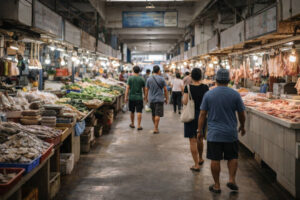 Iloilo Central Market is useful for variety and for seeing multiple options in one area. It can also be a good place to find practical food items and locally made goods, especially if you enjoy browsing and comparing.
Market rules that help: choose stalls that keep food items sealed and clean; avoid open containers for anything you plan to gift; and prioritize sellers who store boxes away from direct sun and dust. If you are using public transport to get there, brushing up on routes and etiquette helps, especially during busy hours: Philippines Public Transport Guide.
Reality Check: Markets can be hot, crowded, and easier for items to get jostled. If you are carrying a lot, bring a foldable tote and plan a direct ride back to your hotel so your boxes do not get crushed in transit.
Mall Option: Convenience, Consistent Packaging, Easy Payment
Malls are the “planning-first” choice: air-conditioning, predictable hours, and souvenir kiosks with consistent packaging. This is where you go if you want quick decisions, less bargaining pressure, and a cleaner environment for inspecting sealed boxes and best-before dates.
Malls are also useful when you need multiple identical gifts (for example, team giveaways) because it is easier to buy the same item in the same packaging.
Reality Check: You may pay slightly more than market rates, but you often gain time and predictability, which can be worth it on a tight schedule.
Airport Option: Last Resort, Fastest Checkout
The airport is the right choice when you are truly out of time. Selection can be narrower, but you can often find a few recognizable snack boxes and ready-to-carry bags. If you are planning airport shopping, keep your list short and realistic: one or two snack types, plus one “safe” extra.
Reality Check: If you are buying at the airport, avoid fragile, complicated items. Choose sturdy boxed snacks and small, durable souvenirs that do not need much inspection.
How To Move Between Shopping Stops Without Losing Time
If you want to combine a market stop and a mall stop, keep transit friction in mind: waiting time, traffic, and the effort of carrying bags. It helps to plan your route and avoid unnecessary backtracking. For practical tips on moving around efficiently, see How To Get Around Iloilo City.
Reality Check: The fastest plan is usually “one main stop plus one backup stop,” not three or four stops. Your souvenirs will thank you.
Quick Shopping Plan (30 Minutes, 2 Hours, Half A Day)
This section is designed for real schedules, including the “I forgot pasalubong” moment. Treat these as templates you can adjust based on where you are staying and how much baggage space you have left.
What Should I Buy If I Only Have 30 Minutes Before My Flight
Go for the simplest, sturdiest options:
- Choose 1–2 types of boxed snacks (often Biscocho Iloilo and Butterscotch Iloilo are the safest crowd-pleasers).
- Pick boxes that feel firm and not crushed, with intact corners and clear best-before dates.
- Skip fragile crafts and anything that needs careful wrapping.
- If you need extra “filler gifts,” choose small sealed packs you can hand out easily.
Reality Check: In a 30-minute window, you are paying for convenience. Focus on “good enough and safe to travel” rather than trying to find the best deal.
2 Hours: One Main Stop, One Backup Stop
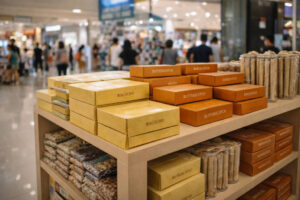 With two hours, you can do a smarter mix:
- Main stop at a mall kiosk for consistent packaging and easy payment.
- Add a quick second stop only if it is on the way (for example, a nearby specialty shop) to expand variety.
- Build a “mix and match” set: one crisp snack (like Barquillos Iloilo), one sweet snack (like Butterscotch Iloilo), and one classic (like Biscocho Iloilo).
If you are fitting this into a larger trip plan, it helps to place shopping near the end but not on your most rushed day. You can map it alongside Iloilo City Itinerary so you are not forcing souvenirs into a tight transit day.
Reality Check: Two hours disappears quickly if you also need to eat, withdraw cash, or repack. Decide your “top three items” before you leave your hotel.
Half A Day: Market Browsing Plus One Controlled Purchase Stop
Half a day is ideal if you want both variety and quality checks:
- Start with Iloilo Central Market for browsing and comparison.
- Buy only items that are sealed, clean, and easy to carry.
- Finish at a mall for standardized boxes and any items you could not confidently check at the market.
- Return to your accommodation to sort, repack, and set aside fragile items before travel day.
Reality Check: Markets reward patience. If you find yourself rushing, it is better to stop buying than to buy things you cannot inspect properly.
How Do I Check Quality For Iloilo Food Pasalubong Before Buying
Food souvenirs are the easiest to buy in volume, but quality can vary. The goal is not perfection; it is choosing packs that will taste fresh and arrive intact.
Food Quality Checklist (Use This In Any Shop)
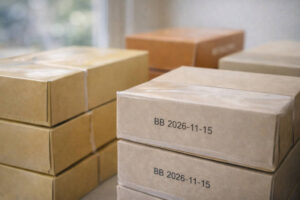
- Seals: Prefer packs that are factory-sealed or properly heat-sealed. Avoid torn plastic, loose tape, or boxes that open too easily.
- Best-before dates: Choose items with clear, readable best-before dates. If the label is smudged or missing, move on.
- Box condition: Corners should be intact, not crushed. Avoid boxes with soft spots that suggest moisture exposure.
- Oil stains: For buttery snacks, light oil can happen, but visible oil stains soaking through the box can mean older stock or heat stress.
- Storage cues: Prefer items stored away from direct sunlight and heat. If boxes sit beside a hot window, freshness can drop faster.
- Portion logic: For gifting, multiple medium packs often travel better than one huge fragile pack that crushes easily.
Reality Check: Even good snacks can suffer if they ride in a hot car trunk for hours. Buy closer to departure day when possible, but still leave time to repack properly.
Heat And Humidity Rules For Keeping Snacks Fresh
Iloilo City weather can feel sticky, especially mid-day. Use simple storage rules: keep snacks in a cool room, avoid leaving them in direct sun, and separate strongly scented items so flavors do not “mix” inside your bag. If you are traveling during hotter months, use the planning tips in Philippines Weather Travel Guide to decide whether you should prioritize sturdier packaging and shorter storage time.
Reality Check: If you are doing island transfers or long road rides, assume your bags will experience heat. Choose packaging that can handle it.
Mix And Match Sets That Feel Thoughtful (Without Being Expensive)
A simple set often looks more intentional than one random box. For example:
- Crunch set: Barquillos Iloilo plus a dry cookie pack.
- Sweet set: Butterscotch Iloilo plus a candy-style treat.
- Classic set: Biscocho Iloilo plus galletas for variety.
Decision rule: if you are buying for coworkers, choose items that are easy to portion out and do not need utensils or refrigeration.
Reality Check: The best “set” is the one that fits your baggage. Do not build bundles so large that you cannot protect them.
How Do I Spot Good Quality Hablon Or Woven Items
Woven pieces can be the most meaningful non-food souvenir, but they are also the easiest to misjudge in a quick shopping rush. You do not need expert knowledge; you just need a few basic checks that reveal workmanship.
Textile Quality Checklist (Fast, Practical Checks)
- Tight, even weave: Look for consistent spacing with no obvious gaps.
- Pattern consistency: Stripes or motifs should look steady, not warped.
- Clean edges: Edges should be neatly finished; avoid pieces that look frayed from the start.
- Minimal loose threads: A few can happen, but many loose threads suggest weaker finishing.
- Weight and feel: Good woven fabric often feels structured rather than flimsy.
- Print vs weave check: If the “pattern” disappears on the back or feels glossy and flat, it may be printed rather than woven.
Reality Check: True woven items can cost more than generic souvenirs. If your budget is tight, choose smaller woven pieces (pouches, placemats) rather than forcing a larger purchase.
Colorfastness And Care: Questions Worth Asking
If you can, do a gentle color check: lightly rub a small corner with a clean tissue or white cloth. If dye transfers easily, consider another piece, especially if it might touch light clothing inside your luggage. Ask about basic care instructions (hand wash vs gentle cycle, air-dry recommendations). A seller who can explain care calmly is often a good sign.
Reality Check: Some dyes can run in humid conditions. Keep woven items in a separate plastic sleeve or pouch during travel so they do not rub against snacks or other gifts.
Supporting Local Makers: OTOP Philippines Products And Background Reading
If you want to support locally made items, look for cues beyond the label: clear maker info, consistent product finishing, and packaging that protects the textile without hiding it. You can also familiarize yourself with programs that highlight local products, like DTI OTOP Philippines, which is a helpful reference when you are trying to understand what “locally made” can look like in practice.
For deeper context on Hablon, this document is a useful background read: Miag-ao Hablon Weaving Background.
Reality Check: “Local” can still be uneven in quality. Use the textile checklist first, then use origin and maker details as an extra confidence boost.
Budget-Friendly Iloilo Gift Ideas For Coworkers
 For coworkers, the best gifts are easy to distribute, not messy, and not heavy. Your goal is thoughtful and practical, not expensive.
Small-Pack Bundles That Look Intentional
Instead of one big box per person, consider small bundles with variety. Buy a few different snack types (for example, Biscocho Iloilo plus a wafer-style snack like Barquillos Iloilo) and assemble neat pairs using clean paper bags or slim pouches. This can feel more personalized while keeping each bundle light.
Reality Check: If you are bundling yourself, do it in a clean, dry place and keep food packs sealed. Avoid rebagging snacks into unsealed containers.
Lightweight Non-Food Add-Ons
If you want a non-food add-on without heavy baggage cost, choose small woven pieces like coin purses, key pouches, or flat placemats. These are easy to pack and feel less generic than typical trinkets. If Dinagyang-themed items are in season, small, neatly made Dinagyang Souvenirs can also work as add-ons.
Reality Check: Keep non-food gifts simple if you are buying for many people. One well-chosen woven add-on can be nicer than a handful of mass-produced items.
A Simple Budgeting Guide Without Exact Prices
Use this as a planning-first approach:
- List your recipients by group: family, close friends, coworkers, “extras.”
- Assign effort level: higher-effort gifts for fewer people, simple snack gifts for bigger groups.
- Match gifts to baggage space: bulky boxes for checked baggage, flatter items for carry-on.
- Build a backup plan: leave space for 2–4 extra small gifts in case you forgot someone.
If you want a broader framework for budgeting and trip organization in the Philippines, it can help to review Philippines Travel Planning Guide and then apply it specifically to your Iloilo City shopping list.
Reality Check: The hidden cost is usually baggage space, not the item. A smaller, sturdier gift often saves you stress.
How Do I Pack Fragile Souvenirs And Keep Food Fresh During Travel?
Packing is where most souvenir plans succeed or fail. A calm rule: assume your bag will be dropped, squeezed, and stored in warm places. Pack so your gifts still look decent when you hand them over.
Carry-On Vs Checked: What Goes Where
- Carry-on is best for: crushable snacks, anything with delicate corners, and items you do not want exposed to heat for long periods.
- Checked baggage is best for: sturdy boxes, tightly packed bundles, and items that you can cushion in the middle of your suitcase.
- If you can only choose one: keep your most fragile and most “gift-ready” items in carry-on so they do not get crushed.
Reality Check: Even “hard” boxes can collapse under pressure in overhead bins. If a box is part of the gift presentation, protect it like it is fragile.
Packing Method For Crushable Snacks (Boxes, Wafers, Cookies)
- Choose sturdy packaging: when possible, pick firmer boxes or tins over thin sleeves.
- Cushion with soft layers: wrap boxes in a T-shirt or thin towel, then place them in the center of your bag.
- Avoid edge placement: do not place boxes against suitcase edges where impacts happen.
- Use “flat stacking”: keep boxes flat rather than vertical to reduce corner crushing.
Reality Check: If you are moving through multiple transfers (car, ferry, plane), pack like you will repack at least once. Keep a small roll of tape and a few extra bags handy.
Packing Fragile Crafts: Bubble Wrap, Double-Box, And Receipts
- Wrap first: use bubble wrap or thick cloth wrap; secure it so it will not slip.
- Double-box method: place the wrapped item in a small box, then place that box inside a larger box with padding.
- Tape edges: reinforce box corners and seams with tape.
- Label if needed: a simple “Fragile” label can help, especially for checked baggage.
- Keep receipts: hold onto receipts in case security asks what the item is or if you need to prove value for claims.
Reality Check: If you do not have time to pack properly, do not buy highly fragile items at the last minute. Choose sturdy alternatives and protect your schedule.
Liquids, Sauces, And Anything That Can Leak?
If you are considering sauces, oils, or any liquid souvenir, prioritize leak-proof packaging and assume it can still leak. Use layered protection:
- Place the bottle in a sealed plastic bag.
- Add a second bag as backup.
- Wrap with clothing away from electronics and documents.
Also check your airline’s liquid rules for carry-on and be ready to place liquids in checked baggage if required.
Reality Check: One leak can ruin multiple gifts. If you are unsure, skip liquids and choose dry, sealed pasalubong instead.
Are There Any Items That Are Hard To Bring On Planes Or Ferries?
Most boxed snacks and textiles are straightforward. The usual problem categories are liquids (carry-on limits), sharp objects (some crafts or tools), and items that can be considered messy or strongly scented. For ferries, protect items from humidity and splashes by using sealed bags or plastic sleeves, and keep fragile boxes out of foot-traffic zones.
In crowded terminals and busy shopping areas, keep your phone and wallet secure, and avoid flashing large amounts of cash. A quick refresher like Travel Safety In The Philippines Guide can help you stay calm and alert without overthinking it.
Reality Check: Rules can be enforced differently by staff and by situation. When in doubt, keep items sealed, keep receipts, and pack in a way that makes inspection easy.
More Iloilo Ideas (After You Finish Shopping)
Once your pasalubong list is done, the rest of your trip feels lighter. If you still have time to plan food stops, short side trips, or a smoother route around Iloilo City, browse Iloilo Destinations And Guides and build your schedule around the parts of the city that match your pace.
Souvenir Shopping In Iloilo City works best when you keep it simple: choose sealed snacks that travel well, pick woven items only when the quality is clear, and pack like your bag will be handled roughly. You do not need to buy a lot. You just need to buy smart, so every gift arrives looking neat and feeling worth giving.