Why Sorsogon Feels Different
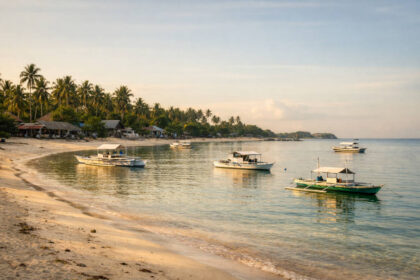
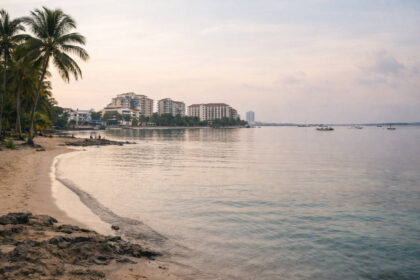
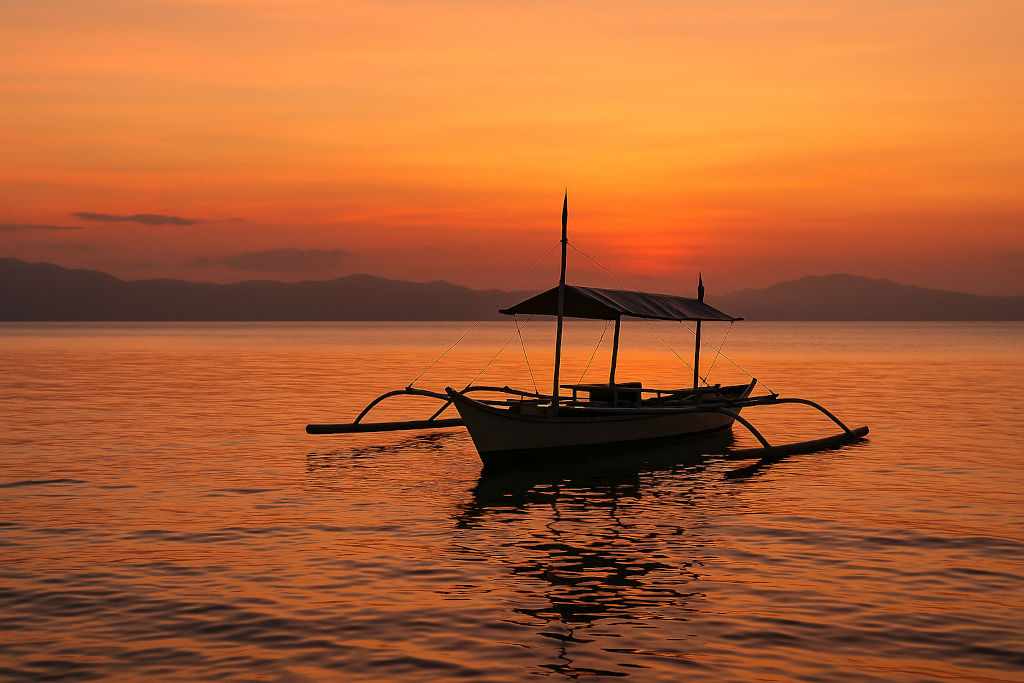
On your first morning in Sorsogon, the world might smell like salt and coffee. In Donsol, banca boats are already lined up offshore, silhouettes against a soft orange sky. Guides in rash guards laugh quietly on the beach, checking masks and snorkels while someone prepares tapsilog in a small seaside carinderia. A few hours’ drive away, Bulusan Lake is still wrapped in mist, the rainforest dripping from last night’s rain. Down south in Matnog, waves curl onto pinkish sand while kids chase each other around a parked tricycle.
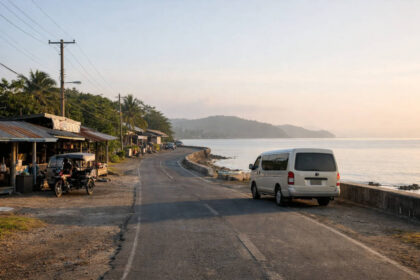
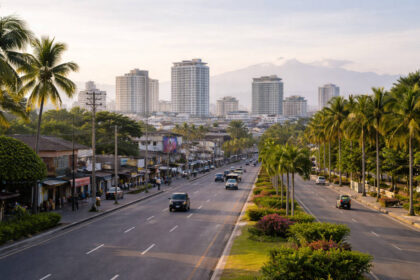
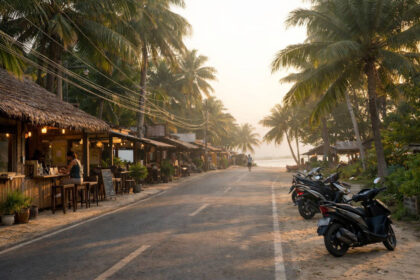
This is the rhythm at the heart of a real Sorsogon travel guide: slow, slightly scattered, deeply coastal. Sorsogon doesn’t hit you with towering resorts or megamalls. Instead, it feels like a series of small, damp, sunlit scenes stitched together by long provincial roads, sari-sari stores, and the low hum of Bicolano life.
Sorsogon in the Bicol map
Sorsogon sits at the southern tip of the Bicol Region in Luzon, about an hour or two by land from Legazpi in neighboring Albay. If you look at a map of Luzon destinations, it’s the last province before the jump to Samar. While Albay often gets the spotlight for Mayon Volcano, Sorsogon quietly gathers its own charms: butanding (whale sharks) in Donsol, the emerald water of Bulusan Lake, Irosin’s hot springs at the foot of Bulusan Volcano, and the laid-back coasts of Matnog, Gubat, Bacon, and Sorsogon City.
Compared to big-name beach spots like island-hopping in Palawan or urban getaways in Cebu and Manila, Sorsogon feels more like a province you live in for a few days rather than “do” in one quick stop. This Sorsogon travel guide leans into that slower pace—because the magic of this corner of Bicol sits in long jeepney rides, extra rice in homestay kitchens, and the way locals talk about the sea like an old neighbor.
When to Go to Sorsogon
Best time for whale sharks in Donsol
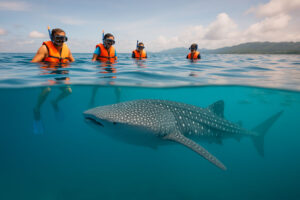 If whale sharks are your main reason for visiting, timing matters. Donsol’s butanding season usually runs from about November to June, with higher chances of sightings between February and May. This is when plankton blooms in Donsol Bay draw the whale sharks closer to the surface. Even then, sightings are never guaranteed—this is wild ocean, not an aquarium.
Booking your Donsol whale shark watching tour in the main season gives you better odds, but avoid seeing your trip as a sure thing. Treat whale sharks as a bonus rather than the only goal, and you’ll appreciate the bigger picture: sunsets over the bay, firefly cruises on the river, and quiet afternoons in a sleepy fishing barangay.
Weather, seas, and typhoons
Sorsogon’s dry-ish months generally fall from December to May, while June to November is wetter, with possible typhoons. In the dry season, seas around Donsol, Matnog, and Gubat are more likely to be calm, which is kinder to everyone—especially if you’re prone to seasickness on a rocking banca. Bulusan Lake is gorgeous year-round, but rain can make trails muddier and leeches more likely, so pack proper shoes.
In the wet season, expect heavy downpours, sudden squalls, and occasional trip adjustments. Island hopping from Matnog and surfing in Gubat can be affected by rough seas or strong winds. Boats may not be allowed to sail if the coast guard raises warnings. For current advisories and official notes on Sorsogon tourism, you can always double-check with the local government via the Sorsogon tourism office website before your trip.
Crowds, prices, and wildlife ethics
Peak months (Holy Week, long weekends, March–May) mean more visitors in Donsol and Matnog, higher demand for boats, and busier roads. Prices for accommodation and tours can stretch upward, and Donsol’s visitor center gets crowded in the early morning. On the upside, more boats go out, and guides are fully staffed.
In low or shoulder season, you get quieter days, more space on boats, and sometimes better deals on rooms. The trade-off is less predictable sea conditions and lower chances of whale shark sightings. From a wildlife ethics side, smaller groups and less pressure on guides to “perform” can actually be healthier for butanding, especially if everyone understands that seeing one is a privilege, not a right.
How to Get to and Around Sorsogon
Manila or Cebu to Legazpi, then down to Sorsogon
Most trips begin with a flight into Legazpi City in Albay. From Manila or Cebu, daily flights to Legazpi take about an hour. Once you land, it’s roughly 1.5 to 2 hours by van or bus to Sorsogon City, and a bit more if you’re heading straight to Donsol or Bulusan. You can pair your Sorsogon itinerary with some time around Mayon by reading up on nearby Albay travel ideas, but try not to rush through either province.
Another option from Manila is the overnight bus (around 10–14 hours, depending on traffic and stops) that takes you straight to Sorsogon City or sometimes to Legazpi first. Self-drive is also possible if you’re comfortable with long hours behind the wheel, provincial highways, and occasional rougher sections of road.
Moving between Donsol, Bulusan, Irosin, Matnog, Gubat, and Sorsogon City
Once you’re in Sorsogon province, expect travel between hubs to take a bit of time. Roughly speaking: Legazpi to Donsol takes around 1.5–2 hours; Sorsogon City to Bulusan/Irosin is about 1–1.5 hours; Sorsogon City to Matnog is roughly 1.5–2 hours; Sorsogon City to Gubat is about an hour. Everything depends on traffic, weather, and how often your driver stops for snacks or gasoline.
Most visitors treat Sorsogon City as a transport hub, transferring to jeepneys or vans bound for Donsol, Bulusan, Irosin, Matnog, or Gubat. It’s normal to ask locals at the terminal: “Kuya, saan po yung jeep papuntang Bulusan?” and be pointed to the right line. Vans are faster but a bit more expensive; jeepneys are cheaper and more exposed to the heat but very much part of the experience.
Local transport: jeepneys, vans, tricycles, and hired cars
On the ground, you’ll use a mix of jeepneys, UV vans, tricycles, and possibly habal-habal (motorbike taxis) to get around. In Donsol and Matnog, tricycles often shuttle guests between town centers, ports, and accommodation. In Bulusan and Irosin, some hot springs and farm stays may require a short tricycle or motorbike ride from the main highway.
For groups, hiring a private car with driver for a day can be worth it if you’re hopping between Donsol, Bulusan, and Matnog in quick succession. But if your Sorsogon travel guide dreams lean toward slow travel, riding jeepneys with locals, waiting at roadside sheds, and arriving sweaty but satisfied can be part of the story.
Donsol and Ethical Whale Shark Encounters
How Donsol whale shark tours work
Whale shark tourism in Donsol centers on a regulated system. You go first to the Donsol Tourist Center by the bay, register, pay the environmental and boat fees, then attend a short orientation. Each boat usually takes a maximum of six to seven guests plus a butanding interaction officer (BIO), spotter, and boat crew.
A typical half-day starts around 7–8 a.m. Boats fan out across Donsol Bay, spotters scanning for the characteristic shadow of a whale shark just below the surface. When one is seen, your BIO calmly tells you to sit on the side of the banca, mask and snorkel ready. At the signal, you slide into the water and swim parallel to the butanding for as long as you can keep up—never above, never touching, and never riding. Some days, encounters are quick; other times, you might spend long minutes floating near a gentle giant just a few meters away.
Rules, briefings, and what ethical tourism looks like
Donsol is often held up as a more ethical model for whale shark encounters in the Philippines. There’s no feeding of the animals, fewer boats than in some other spots, and a clearer emphasis on interaction guidelines. The orientation covers basics: keep a safe distance (usually about 3–4 meters from the body, more from the tail), do not touch, do not ride, no flash photography, and allow space for the whale shark to move freely.
It helps to understand why this matters. Whale sharks that are constantly fed or surrounded by boats can change their natural behavior, which may affect migration patterns and long-term health. Conservation groups like WWF have worked with Donsol for years; their WWF report on Donsol whale sharks explains how photo-identification and strict rules help keep the experience sustainable. When you join a tour here, you’re not just getting a bucket-list moment—you’re participating in a model that tries to put the animals’ needs first.
If you’ve read about other whale shark sites where feeding is common, you can check perspectives in guides like the Cebu travel guide to city, waterfalls, and whale sharks to understand the differences. In Donsol, expect fewer guaranteed sightings but more emphasis on the whale shark’s welfare.
More things to do in Donsol beyond butanding
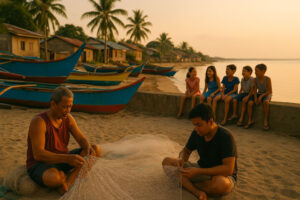 Donsol is more than a one-morning thing. After your whale shark trip, there are gentle afternoons to enjoy: walking the barangay roads, watching kids play basketball, or sitting on the beach as small fishing boats head out. Sunset in Donsol Bay can be stunning, with the sky melting into orange and purple over silhouettes of bancas.
At night, you can join a firefly river cruise on the nearby Ogod River, gliding along mangrove-lined banks as fireflies glitter in the trees like quiet Christmas lights. Some homestays and guesthouses also offer simple boat rides, village walks, and home-cooked meals—maybe Bicol Express simmering in coconut milk, or fresh fish grilled by the shore. This side of Donsol tourism is slower, less Instagrammed, but just as worth falling in love with.
Bulusan Lake and Bulusan Volcano Natural Park
What Bulusan Lake feels like in person
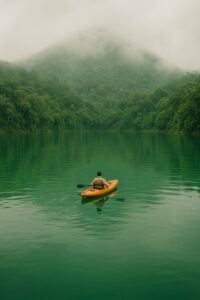 Bulusan Lake looks like something out of a fantasy film on a cloudy day: deep green water cradled by rainforest, with the slopes of Bulusan Volcano rising in the background. When you arrive, you’ll likely hear birds, dripping leaves, and the occasional shout from other visitors taking photos on the viewing deck.
You can rent a canoe or kayak to paddle over the calm surface, the banca rocking gently as you glide past overhanging trees. The air is cooler here compared to lowland Sorsogon, and the smell of wet earth and moss wraps around you. There are short lakefront trails and viewing platforms where you can sit, sip a bottle of tubig, and just watch clouds move over the ridge.
Short hikes and side trips inside the park
Bulusan Volcano Natural Park has marked paths for short treks, usually guided to keep visitors on safe routes and to protect the forest. Trails can be muddy and root-filled, so expect to get your shoes dirty. Leeches are possible in rainy months—nothing dangerous, just part of the rainforest reality. The reward is that feeling of being enveloped in green, with glimpses of the lake through the trees.
Nearby, small farms and countryside guesthouses offer simple stays surrounded by rice fields and coconut trees. It’s a good area to include in any Sorsogon itinerary focused on nature and quiet. Some places serve farm-to-table meals and Bicolano dishes with fresh gata (coconut milk), perfect after a day of paddling and hiking.
Sorsogon’s Hot Springs and Wellness Side
Irosin hot springs: rustic vs resort-style
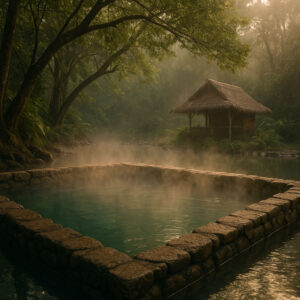 South of Bulusan, the town of Irosin sits in a valley ringed by hills, with Bulusan Volcano looming nearby. Thanks to geothermal activity, it’s dotted with hot springs ranging from rustic pools to more developed resorts. Some springs are simple concrete basins fed by naturally warm, slightly sulfuric water; others have landscaped gardens, private cottages, and multiple pools at different temperatures.
Expect a sulfur smell—that faint, eggy scent that tells you the water really does come from underground. Day-use fees are usually affordable, with options to rent small cottages for picnics. Many travelers like to spend the day at Bulusan Lake (paddling, walking, short hikes) and then drive down to Irosin in the late afternoon, soaking sore legs in a hot pool as evening fog creeps over the valley.
Some hot spring resorts offer overnight stays with simple rooms, where you can hear rain on the roof at night and smell woodsmoke and instant coffee in the morning. It’s easy to imagine a night like this in Sorsogon: clothes hanging up to dry, a pot of rice cooking in the communal kitchen, and your muscles loosening in the hot water after a long travel day.
Laid-Back Coastal Life and Beaches
Matnog island hopping to Subic Beach and Tikling Island
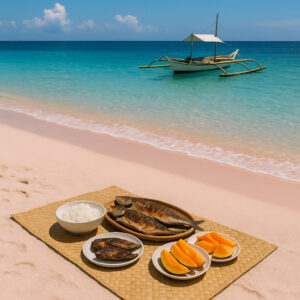 Matnog, on Sorsogon’s southern tip, is known for Matnog island hopping tours that visit Subic Beach, Tikling Island, and nearby sandbars and islets. Boats leave from the port area or nearby beaches, usually in the morning when the sea is calmer. Subic Beach Sorsogon is famous for its pinkish sand—caused by crushed red coral mixing with white sand—which glows softly under the sun. Tikling Island, often part of the same route, offers clear water, swaying trees, and simple huts for shade.
You ride out on a wooden banca, the hull thumping gently over waves, salt spray on your face. Life jackets are usually provided; it’s okay to double-check before boarding. Most tours last half a day to a full day, with stopovers for swimming and simple beach picnics: grilled fish, rice, maybe inihaw na liempo, and of course ice-cold soft drinks or buko juice. Bring your own reusable water bottle and avoid leaving trash; these islands are still relatively low-key, and everyone has a part in keeping them that way.
Gubat surf days and Sorsogon City/Bacon sunsets
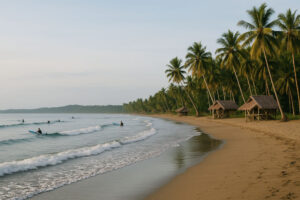 On the eastern side of the province, Gubat has quietly built a small surf scene. It’s not as developed as Siargao, but that’s part of the charm. Long, mellow waves roll toward sandy shorelines where local surf guides and kids hang out with soft-top boards stacked by nipa huts. It’s a good place for beginners, especially during surf season when swells are consistent but not intimidating.
Sorsogon City and nearby Bacon district offer another version of coastal life. There are simple promenades where locals walk at sunset, small seafood eateries lining the shore, and views of fishing boats bobbing gently offshore. A plate of grilled pusit and a halo-halo dessert eaten by the seawall can feel just as memorable as a grand resort dinner. If you enjoy observing local life more than chasing “top Sorsogon tourist spots,” these slow afternoons will be some of your favorite trip moments.
Where to Stay in Sorsogon
Sleeping by the bay in Donsol
In Donsol, most accommodation clusters along the bay and near the tourist center. You’ll find a mix of small resorts, eco-lodges, and homestays. Budget travelers can opt for simple fan or aircon rooms in family-run guesthouses, while mid-range visitors might choose beachfront resorts with small pools and in-house restaurants. Higher-end stays remain relatively modest compared to big-city hotels, but you pay for quieter grounds and good views.
Staying near the bay means waking up to the sound of banca engines and waves, easy access to your whale shark tours, and sunset views over the water. It’s a good base for a day or two, especially if you want to join both morning butanding trips and evening firefly cruises.
Staying near Bulusan and Irosin’s green hills
Near Bulusan Lake and Irosin, lodging leans more rural: farmstays, countryside guesthouses, and hot spring resorts. Some places are literally surrounded by rice paddies and coconut trees, where nights are quiet except for crickets and occasional karaoke echoing from another barangay. Hot spring resorts with rooms let you soak after dark, which is magic on a cool, rainy night.
On the coast, you can base yourself in Matnog, Gubat, or Sorsogon City/Bacon. Matnog offers easy access to island hopping but limited nightlife—most people sleep early after sunburn and sea. Gubat has surf camps and beachside homestays, ideal for those who want to wake up and literally walk to the waves. Sorsogon City and Bacon have more restaurants, banks, and shops, making them practical bases for exploring multiple Sorsogon tourist spots by day and returning to a bit more convenience at night.
Sample Sorsogon Itinerary (3–4 Days)
A realistic 3–4 day Sorsogon itinerary
Day 1: Fly or bus into Legazpi, then travel onwards to Donsol. Check into your lodge or homestay, walk along the bay, and book your whale shark tour for the next morning. If you arrive early enough, you might catch sunset on the beach and a simple dinner of Bicol Express and grilled fish.
Day 2: Early morning Donsol whale shark watching. After the tour, rest in the afternoon—maybe a nap in a hammock, maybe halo-halo by the shore. In the evening, join a firefly river cruise if the weather cooperates. Stay a second night in Donsol to avoid rushing.
Day 3: Travel from Donsol toward Bulusan Lake, passing through Sorsogon City. Spend midday to afternoon at Bulusan Volcano Natural Park: paddling on the lake, short trail walks, and photos from the viewing decks. By late afternoon, head to Irosin and check into a hot spring resort or nearby guesthouse. End the day soaking in warm sulfur water while the air cools around you.
Day 4: Depending on energy and season, you can either (a) head south to Matnog for a shortened Matnog island hopping tour focused on Subic Beach Sorsogon and Tikling Island, then travel back toward Sorsogon City for your onward journey; or (b) take a slow morning in Irosin, then head to Gubat or Bacon for a relaxed beach afternoon before returning to Legazpi or onwards to your next stop. If you have more time, you can stretch this into a 5–6 day Sorsogon itinerary with extra nights in Gubat or Matnog for pure beach days.
Budget, Safety, and Practical Tips
Example budgets for a Sorsogon trip
Costs vary, but a rough daily budget might look like this per person: around ₱800–₱1,500 for basic to mid-range accommodation (shared rooms can lower this), ₱300–₱600 for food if you eat at carinderia-style places and occasional cafés, and ₱500–₱1,500 for tours and transport depending on the day. Donsol whale shark tours and Matnog island hopping are your biggest single-day expenses, especially if you’re not sharing boats with other travelers.
Overall, a comfortable but not luxurious Sorsogon travel guide budget for 3–4 days might land somewhere between ₱6,000 and ₱12,000 per person excluding flights, depending on your accommodation choices, private versus shared tours, and how often you treat yourself to extras like surf lessons or café meals.
Responsible Sorsogon tourism and safety notes
Responsible travel here means respecting both nature and local communities. In Donsol, that means following the whale shark rules: no touching, no flash, no crowding. On Matnog boats, it means using reef-safe sunscreen, keeping trash secured, and not standing on coral. In Bulusan, stay on marked trails and listen to guides about where it’s safe to walk or swim. At hot springs, don’t treat pools like bathtubs—proper swimwear and basic hygiene go a long way.
Boat-wise, always check that life jackets are available and that your banca doesn’t feel dangerously overloaded. Seas can suddenly get choppy; if you’re nervous, sit closer to the center of the boat and let the crew know if you’re not a confident swimmer. Heat and sun are no joke in Bicol, so bring a hat, sunscreen, and enough water, especially on island-hopping days or mid-day hikes.
As for who Sorsogon suits: families, older travelers, and solo visitors can all enjoy it, as long as you’re okay with some long drives, basic infrastructure, and uneven paths. If you’re traveling with kids or seniors, choose calmer seas and shorter tours, ask for ground-floor rooms when possible, and don’t pack your Sorsogon itinerary too tightly. This is a province that rewards patience and slow mornings more than frantic checklists.
Sorsogon Travel Guide FAQs
Why should I visit Sorsogon instead of more famous beach destinations?
Sorsogon offers a softer, slower kind of coastal trip. You get Donsol whale shark watching with stronger ethics, Bulusan Lake and rainforest trails, Irosin hot springs, and quiet beaches in Matnog, Gubat, and Bacon—with fewer crowds than many big-name islands. It’s ideal if you like nature, small towns, and simple meals by the sea instead of loud nightlife.
When is the best time to go to Sorsogon?
For the best mix of calm seas and higher butanding chances, aim for February to May. Whale sharks are usually around from November to June, but orcas of weather and plankton mean no guarantees. Dry months are also kinder for Bulusan hikes and Matnog island hopping. Wet season trips can still be beautiful, but build in flexibility for rain, rough seas, and possible cancellations.
How do I reach Sorsogon and move between the main spots?
Most people fly into Legazpi (Albay) from Manila or Cebu, then ride a van or bus to Sorsogon City or Donsol. From there, jeepneys, vans, and tricycles connect you to Bulusan, Irosin, Matnog, Gubat, and Bacon. It’s not complicated, but expect travel days to feel long; this Sorsogon travel guide works best when you accept that road time is part of the trip.
What does ethical whale shark tourism look like in Donsol?
Ethical tourism in Donsol is built around no feeding, limited swimmers per shark, clear distance rules, and a strong briefing before tours. You slip quietly into the water, swim parallel to the butanding without touching, and give it space to move. Some days you might not see any whale sharks at all—and that’s part of choosing a model that puts wildlife before human entertainment.
What can I do in Sorsogon beyond whale sharks?
Plenty. You can paddle across Bulusan Lake, hike short forest trails, soak in Irosin hot springs, join Matnog island hopping trips to Subic Beach and Tikling Island, learn to surf small waves in Gubat, and stroll Sorsogon City’s seaside areas eating seafood and halo-halo. This Sorsogon travel guide encourages you to mix these into a relaxed loop rather than racing through them in two days.
How should I structure a 3–4 day itinerary and budget?
A balanced plan is Donsol (1–2 nights), Bulusan Lake plus Irosin hot springs (1 night), then either Matnog or Gubat/Sorsogon City for coastal time (1–2 nights). Budget roughly ₱6,000–₱12,000 per person for 3–4 days excluding flights, depending on where you stay and whether you opt for shared or private tours.
Is Sorsogon good for families, older travelers, or slow-travel lovers?
Yes, with some planning. Families and older travelers should pick calmer seasons, avoid overly rough seas, and choose accommodation with easy access. Slow-travel people will probably fall in love: mornings on verandas with coffee and rain, afternoons watching waves in Gubat, evenings soaking in hot springs or listening to distant karaoke. If that’s your idea of a good trip, this Sorsogon travel guide is basically your love letter.
For more ideas to pair with your time here, you can explore other Philippines travel guides and weave Sorsogon into a longer Bicol or Luzon adventure. Just remember: let Sorsogon set the pace. It’s a province best experienced one slow banca ride, one hot spring soak, and one steaming bowl of Bicol Express at a time.