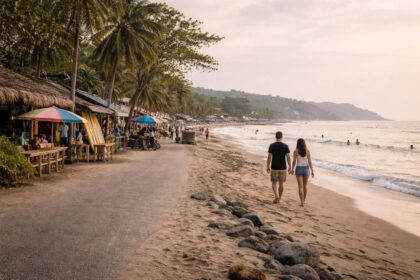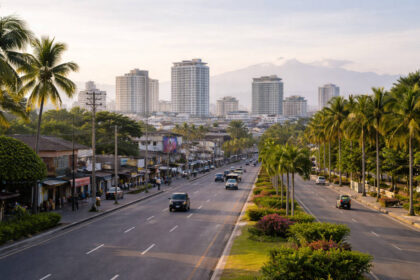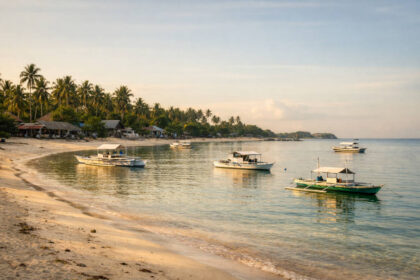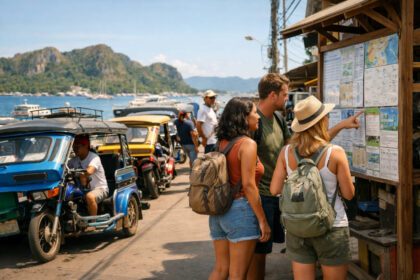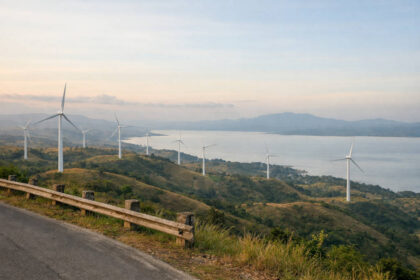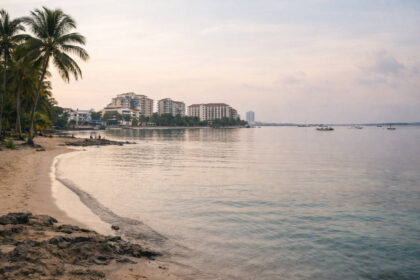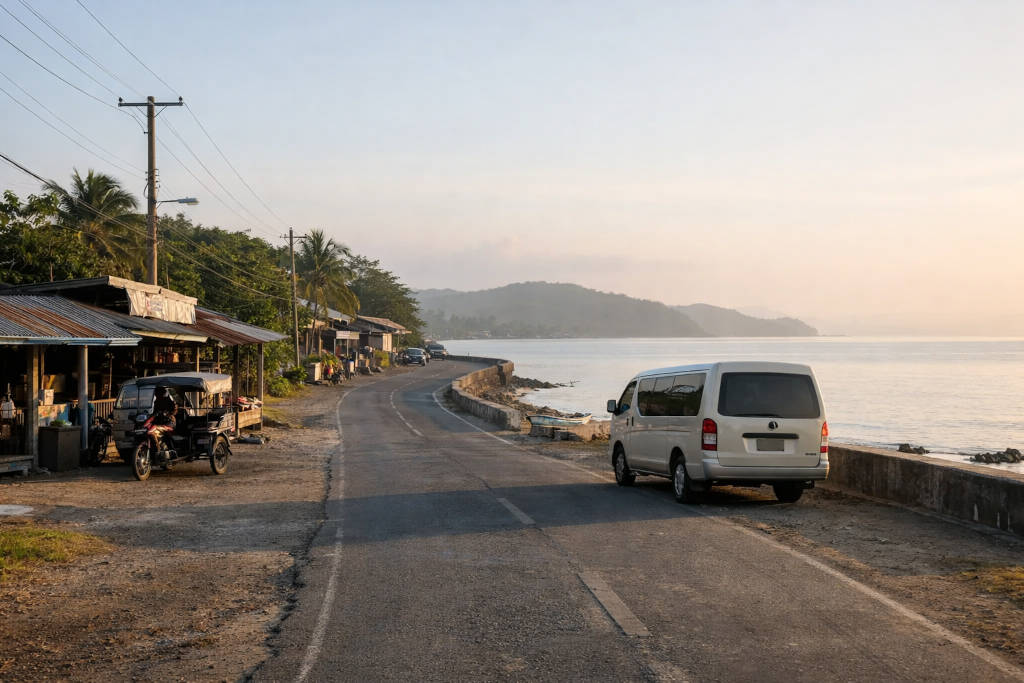
A good Sorsogon travel guide usually shows you what is possible. This Sorsogon itinerary 4 days guide is about what feels calm, realistic, and worth your energy once buses, vans, terminals, weather, and early starts enter the picture.
Instead of squeezing every famous stop into one trip, this route groups the province into manageable clusters: one timed activity day in Donsol, one flexible choice between Matnog and Bulusan, and a final buffer that protects the whole plan from falling apart when the sea gets rough, the rain rolls in, or everyone is simply more tired than expected.
Yes, four days can work in Sorsogon, but only if you accept that not every attraction belongs in the same itinerary. The gentlest version keeps one major cluster per day and lets Day 4 absorb cancellations, transfer friction, or a slow final morning. That is the heart of a stress-light four-day Sorsogon plan: do fewer things, group them better, and leave room for reality.
At-a-Glance
Best time window: Aim for a drier stretch with calmer sea conditions, but keep expectations flexible because island plans and marine activities still depend on day-to-day weather.
Realistic travel time: Moving between towns can quietly eat more time than map pins suggest, especially once you add waiting, pickup coordination, and short transfers from highway drop-off points.
Budget band: Budget travelers can make this route work with buses, shared vans, tricycles, and simple inns, while comfort travelers will feel a real difference from private transfers and smarter overnight placement.
Crowd and traffic risk: Donsol activity slots and long weekends create pressure earlier in the day, while Matnog becomes more tiring when jump-off timing slips.
Rain and heat backup: Keep Bulusan or a gentler town-based half day ready as your inland fallback if the sea does not cooperate.
Who this Sorsogon itinerary 4 days guide is for
 This outline is for travelers who want the province to feel spacious instead of frantic. It suits couples, friends, solo travelers, and families who care more about good pacing than bragging rights. It also works well for first-timers to Bicol who would rather have one strong memory each day than a blur of terminals, rushed photos, and missed meals.
It is especially helpful for travelers deciding between a budget setup and a comfort setup. Both can follow the same route logic. The difference is not the places themselves, but how much transfer stress you are willing to absorb. Reality Check: Sorsogon looks compact on a map, but highway arrival points, tricycle hops, and weather-sensitive planning can make one extra stop feel heavier than expected.
Quick route logic and the best base for 4 days
The least stressful route order is simple: arrive and settle first, use Day 2 for Donsol because it is a timed activity day, use Day 3 for either Matnog or Bulusan depending on weather and energy, then protect Day 4 as a real buffer and departure day. This order works because Donsol often benefits from a more structured start, Matnog depends heavily on sea conditions, and Bulusan is your calmer inland answer when you want a slower nature day.
For most travelers, Sorsogon City is the easiest base to understand because it keeps food options, transport access, and last-minute adjustments relatively straightforward. It is not perfect for every early start, but it gives your trip a steadier center. Reality Check: the best base is not always the nearest pin to one activity; it is often the one that reduces total decision fatigue across four days.
One-base version for lower stress
If your priority is convenience, use Sorsogon City as your main base for the whole trip. This setup keeps packing light, avoids extra check-in and check-out friction, and makes Day 4 much easier if you need to recover from a weather cancellation. A one-base version is the most forgiving setup for travelers arriving by bus or van and for anyone who dislikes constantly repacking.
Split-stay version if early starts matter more than convenience
If you value earlier jump-offs more than overall simplicity, a split stay can make sense: one night around your arrival base, then a night closer to your Day 2 or Day 3 priority. This is more comfortable when you want to trim pre-dawn transfer time, especially for activities with briefings or fixed meeting points. The trade-off is obvious: less waiting on travel mornings, but more logistics overall.
Before you lock the trip
Before confirming everything, read this route the same way you would read a tide chart: some pieces should be fixed early, and some should stay open on purpose. For broader prep, a Philippines travel planning guide helps frame timing, packing, and expectations before you even board your ride south.
What to prebook before arrival
Prebook your intercity transport into Sorsogon, your first-night accommodation, and any activity with timing pressure or limited slots. That usually means your arrival ride, your first bed, and the experiences that are hardest to replace if the timing goes wrong. If Donsol is a major reason for the trip, treat that day with extra structure. The same goes for any private transfer that materially reduces stress or helps you reach a meeting point on time.
Also prebook only what would genuinely hurt to lose. A calm four-day Sorsogon route is not built on overbooking every hour. It is built on protecting the pieces that have the highest consequence if you miss them.
What to decide on the day
Leave weather-sensitive swaps, low-stakes side stops, extra meal detours, and your Day 3 choice between Matnog and Bulusan flexible until you can see the sky, sea, energy level, and actual pickup reality. Check the Sorsogon tourism office pages for local orientation and review the PAGASA regional forecast before finalizing your sea day.
Reality Check: flexibility is not a sign of weak planning here. In Sorsogon, it is often the smartest part of the plan.
Day 1 arrival and settle-in plan
Day 1 should not try to prove anything. Its job is to absorb transit fatigue, food timing, and all the tiny delays that happen after a long overland trip. Use this day to check in, confirm tomorrow’s meeting point, identify nearby cash access or convenience stores, and have one easy meal without pressure to chase sunset content.
Morning arrival version
If you arrive in the morning, keep the afternoon soft. Drop bags, eat somewhere close, rest, then do one light town-based errand or short stop. This is a good window for buying snacks, confirming activity details, and asking your accommodation exactly where the next day’s pickup or self-arranged jump-off will be. A quiet town walk, a simple merienda, or a short coastal pause is enough.
Reality Check: even a “free afternoon” can disappear into check-in timing, tricycle negotiations, and the mental crash that follows an early departure from home.
Afternoon or evening arrival version
If you arrive later, resist the urge to salvage the day with a rushed side trip. Eat, shower, charge devices, and sleep early. A realistic Sorsogon itinerary 4 days plan gets stronger when the first night is steady. The reward comes on Days 2 and 3, when you are more alert and less likely to resent every transfer.
Day 2 Donsol day at a realistic pace
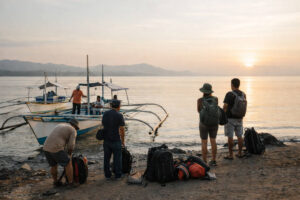 Make Day 2 your Donsol day because it is the most structured day in this route. Donsol tends to work best when you arrive organized, fed, and clear on timing. For more detailed background on seasonality and expectations, see this Donsol whale shark guide. In this itinerary, the goal is not to overload the day with side trips. It is to protect the main activity and still leave enough energy for the afternoon.
Morning block
Wake early, eat something light but filling, and leave more margin than you think you need. Confirm the exact briefing or meeting location the night before, not just the town name.
A common planning mistake is assuming “hotel pickup” means doorstep service when the real pickup may still require a short tricycle ride or waiting at a main road. If you are staying in Sorsogon City, factor in actual road time plus the reality that morning coordination is rarely as clean as it looks in chat messages.
This is the heart of the Sorsogon itinerary 4 days rhythm: one main commitment in the morning, no extra pressure to stack too many famous stops afterward.
Afternoon block
After the main activity, keep the afternoon intentionally lighter. Eat properly, hydrate, and decide whether you want a gentle local stop, a return to your base, or simply a slower evening. Travelers often underestimate how much early starts, sun exposure, saltwater, and waiting time can drain them even when the morning looked short on paper.
Reality Check: Donsol days are not only about the activity itself. They are also about the energy cost of getting there on time, listening to briefings, and staying flexible if conditions change.
Day 3 choose Matnog or Bulusan based on weather and energy
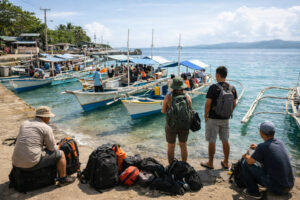 Day 3 is where this guide becomes more useful than a generic checklist. Instead of forcing both Matnog and Bulusan into one long day, choose only one.
Matnog is your sea-conditions day. Bulusan is your inland reset. The right answer depends on what the weather is doing, how everyone feels after Day 2, and whether you want a high-movement day or a slower nature day.
Morning and afternoon blocks for a Matnog day
If the forecast looks cooperative and the group still has energy, make this your Matnog day. Start early because sea days become more tiring when every small delay pushes the jump-off later.
Expect waiting time around coordination, boarding, and departures, especially if you are not on a highly controlled private setup. Bring sun protection, dry bags, and low expectations for perfectly smooth timing. The practical side of Matnog is part of the day: jump-off logistics, changing conditions, and the possibility that plans get shortened or adjusted.
For the afternoon, leave breathing room. Do not schedule another ambitious inland detour afterward. Eat late lunch, return at a sensible pace, and preserve enough energy for departure the next day. Reality Check: the sea may be beautiful, but sea days are rarely the most restful days in a four-day trip.
Morning and afternoon blocks for a Bulusan day
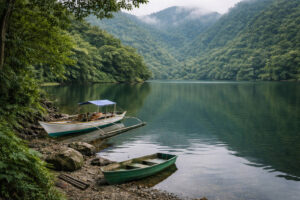 If weather looks uncertain, if the sea feels too risky to build around, or if the group is simply tired, choose Bulusan. This is the better backup and often the better emotional pace. Lake Bulusan and nearby inland nature stops suit travelers who want cool greens, a slower rhythm, and less dependence on marine conditions. A Bulusan day also fits a Sorsogon itinerary 4 days plan surprisingly well because it balances the structured Day 2 with something quieter and more adaptable.
Use the morning for your main Bulusan stop, then keep the afternoon open for one additional nature-based pause, coffee, or an early return rather than a frantic chain of viewpoints. Reality Check: slower days are not wasted days. In Sorsogon, they often save the trip from becoming all transfer and no joy.
Day 4 buffer, short stop, and departure
Day 4 should be treated as a real buffer, not filler disguised as productivity. This final day is what makes the whole Sorsogon itinerary 4 days structure realistic.
It gives you a place to put whatever the province asks of you: rough sea yesterday, a delayed arrival on Day 1, low energy, extra transit stress, or a last-minute switch in plans. For weather timing context across the country, this Philippines weather guide is a useful companion read.
If weather cancelled a key activity
If Day 2 or Day 3 got disrupted, use Day 4 to restore only one important piece of the trip. Do not try to replay the entire itinerary. Choose the missed anchor activity or the most meaningful short substitute, then leave enough time for your departure transfer. This is where travelers often make their most exhausting mistake: treating the buffer like a challenge to win back every lost hour.
Rest-first final half day option
If nothing was cancelled, reward yourself with a softer ending. Have breakfast without watching the clock too hard, take one short stop close to your base, buy pasalubong if convenient, and leave for your terminal or pickup point with margin. A final half day that feels easy is not wasted potential. It is proof that the route worked.
Budget and comfort versions of the same 4 days
The same route can feel very different depending on transport style and overnight choices. This is not about luxury versus hardship. It is about how much friction you want to carry personally.
Budget version
Budget travelers can keep one main base, use buses or shared vans for the long approach, and rely on tricycles or local transfers for the shorter hops. Choose simple stays near practical roads rather than scenic but inconvenient locations.
Keep meals flexible and focus spending on the activity that matters most. This version works best when everyone accepts that waiting is part of the day and that convenience may not be perfectly aligned with the cheapest option.
Reality Check: a budget route can still be beautiful, but it usually asks for more patience at terminals, more walking to pickup points, and more tolerance for loose timing.
Comfort version
Comfort travelers should spend strategically, not blindly. The best upgrades are private or semi-private transfers when they cut stressful dead time, accommodation placed to reduce early-morning movement, and fewer same-day jumps between towns. A smarter overnight choice can matter more than a fancier room. In Sorsogon, comfort often means lower decision load, earlier arrival at meeting points, and less risk of a beautiful day feeling eaten by logistics.
Transport notes that actually change the plan
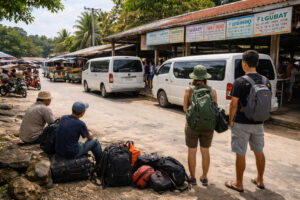 Transport is where many itineraries become fiction. Before departure, review how your route into the province works, especially if your setup begins farther north; this guide on how to get to Sorsogon from Clark is useful for travelers building the long-haul approach. For local-style movement expectations, this Philippines public transport guide helps explain what shared transport days can really feel like.
Pickup points and terminal reality
Always ask where the actual meeting point is, not just whether pickup exists. “Pickup available” may still mean the highway, a nearby landmark, a terminal, or a tourism office rather than your exact accommodation. That small detail can decide whether your morning feels smooth or stressful. In a short trip, five unclear pickup assumptions can quietly ruin half a day.
Travel-time friction readers underestimate
The biggest hidden cost is not always distance. It is transition time: waiting to fill seats, finding the right tricycle, paying for luggage handling, stopping for cash, or discovering that the terminal is not where your map pin suggested.
Transfer time between towns can shrink sightseeing more than expected, which is why this route avoids stacking Donsol, Matnog, and Bulusan too tightly. Reality Check: the cheapest transfer on paper is not always the easiest transfer for your nerves.
Final planning tips before readers go
Keep your route simple, your first night secure, your Day 3 flexible, and your final day protected. That is the most useful summary of a Sorsogon itinerary 4 days plan at a realistic pace. Bring cash margin, message accommodations directly about meeting points, and check weather without becoming hostage to it. Plan enough to feel ready, then leave enough open to respond calmly.
Before you leave, it also helps to read a practical Philippines travel safety guide and browse more travel guides if you are connecting Sorsogon with a wider Luzon trip.
The best version of this province is not the version you conquer in a rush. It is the one you move through with enough time to notice the green inland roads, the salt in the air, the sleepy terminal mornings, and the relief of a plan that still works even when the weather changes. That is what makes this route feel human, not just efficient.