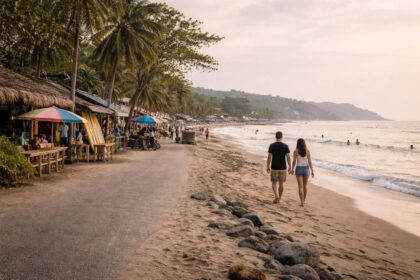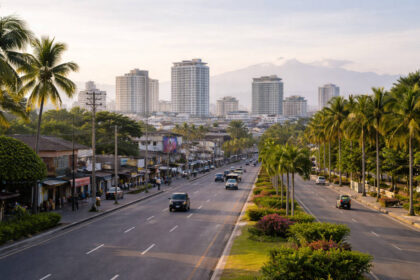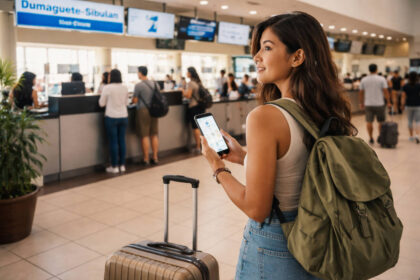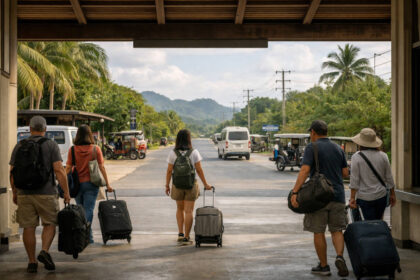
There’s a version of the Philippines that reveals itself only when you stop rushing: the vendor who recognizes you at the palengke, the carinderia that remembers your usual, the neighborhood walk that turns into a familiar loop. slow travel Philippines is not about collecting islands like stickers. It is about staying long enough that your days feel lived-in, not just “visited.”
And yes, it can be more practical (and cheaper) than constant flights.
If you’ve ever arrived somewhere beautiful and still felt oddly tired, sunburned, overstimulated, juggling transfers, this guide is for you.
We’ll make slow travel Philippines copyable with concrete scenarios: one month in a city (with a weekly rhythm you will not get bored of), 2–4 weeks in a single island province (with weather and transport realities), and a “spend better” playbook so your money supports local communities on purpose.
For an extra mindset nudge, you can also read the art of slow travel.
At-a-Glance: The Slow Travel Setup That Changes Everything
Best time window: Dry months are generally easier for transport and beach days; rainy season can be magical but needs buffer days for downpours and possible storm disruptions (varies by region).
Realistic travel time: Plan “half-day transfers” even for short distances. Terminals, traffic, waiting, loading, and delays add up.
Budget band (per person): Budget ₱8,000–₱15,000/week; midrange ₱15,000–₱30,000/week; comfort ₱30,000–₱60,000/week (accommodation choice is the biggest swing).
Crowd risk: Weekends, holidays, and festivals spike prices and traffic. Do popular sights early mornings or on weekdays.
Rain/heat backup: Keep a “rain menu” (museums, cafés, indoor markets, massages, cooking class) and a “heat menu” (sunrise walks, midday naps, late-afternoon swims).
Reality check: Slow travel still takes planning, especially around weather and transport. The difference is you plan fewer transfers, and you build recovery into the rhythm.
Slow Travel Philippines, Explained in Real Life
What it is (and why it’s different from island-hopping)
Slow travel is choosing depth over distance: one base you actually like, repeat visits that feel familiar, and short trips that return you to your “home” bed.
Typical Philippines island-hopping is transfer-heavy: boats, vans, flights, repacking, checking out, checking in. slow travel Philippines flips the ratio: more ordinary days, fewer transition days, and more energy for the moments that matter.
If you want the broader concept, “slow tourism” is a useful reference point: slow tourism.
Local examples that make it click
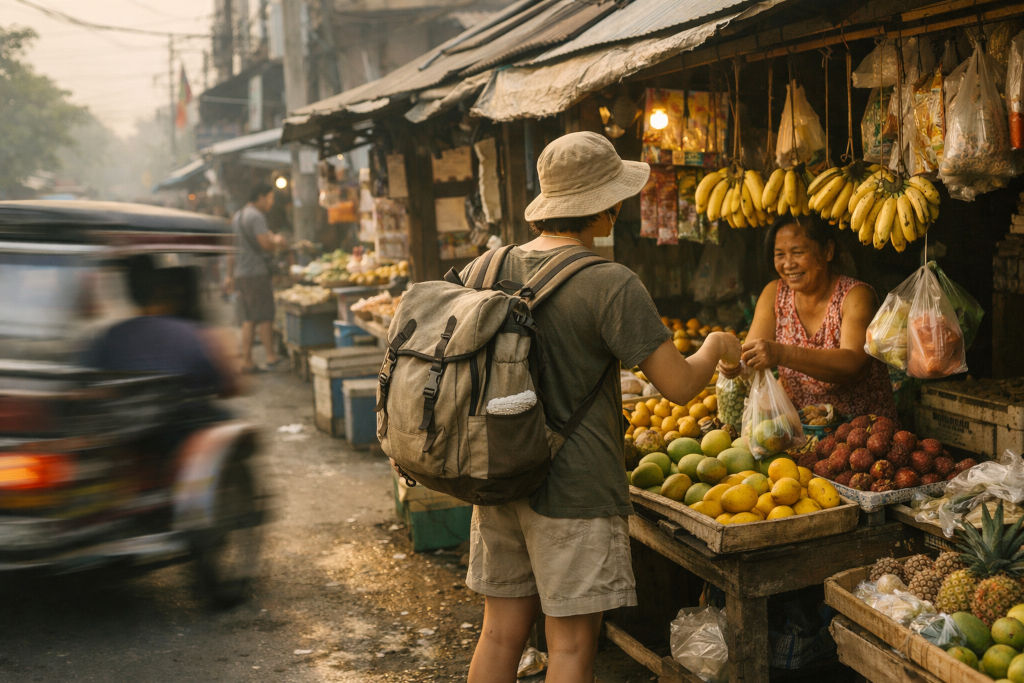
Think: palengke mornings where you learn which mangoes are sweetest, barangay walks where you notice sari-sari stores and shaded corners, repeat café visits where you finally try the local pastry you ignored the first time.
It’s returning to the same beach at two different tides. It’s knowing which jeepney route gets you home without thinking.
Reality check: The Philippines runs on real life: fiestas, power interruptions, sudden rain. Slow travel works because you are not trying to “win” every day.
The Framework: One Base, Weekly Rhythm, Short Trips, Better Spending
This is the core system behind slow travel Philippines: choose one base, build a weekly rhythm, plan short loops, then spend in ways that support local life.
1) Pick a base that matches your daily comfort
Choose the place where you’ll spend your “boring” days, because those days make up most of the trip. Ask: Can you walk to food? Is there a market nearby? Is transport simple? Can you handle the heat/noise?
A base does not have to be famous; it has to be livable.
2) Build a weekly rhythm you can repeat
A rhythm prevents burnout. Set anchor days: a market morning, a café work block, a museum afternoon, a laundry/reset day. Then rotate “one highlight” days (a day trip or neighborhood deep-dive).
The magic is the repeat. Your brain stops treating everything as urgent.
3) Plan short trips like loops, not leaps
Instead of hopping islands, do loops from your base: bus day trips, one overnight max, then back. Fewer transfers means fewer ticket lines, fewer missed connections, and less spending on “panic convenience” (private vans, last-minute rooms, airport food).
Reality check: In the Philippines, delays are normal: traffic, loading time, weather. Buffer days are not laziness; they are insurance.
Scenario A: One Month in Iloilo City (A Weekly Rhythm You Won’t Get Bored Of)
Where to base: livable neighborhoods and why they work
Iloilo City is a strong base for slow travel Philippines because it’s food-rich, walkable in key areas, and connected to easy day trips without the constant chaos of bigger metros.
 Consider staying near the Iloilo River Esplanade for morning walks, or in a central area with quick access to malls, groceries, and transport terminals. Prioritize reliable water pressure, a real workspace/table, and a location where you can eat well without always taking a ride.
Reality check: Heat and humidity can sneak up on you. Pick a place with decent ventilation or air-conditioning if you know you will struggle sleeping.
A copyable weekly rhythm (with rest built in)
Monday: Reset day. Laundry, groceries, long Esplanade walk at sunrise or after 4:30 PM, early night.
Tuesday: “Neighborhood day.” Pick one area: cafés, small museums, a slow lunch, then stop when you feel done (not when your map is “complete”).
Wednesday: Palengke + cooking day. Buy fruit, snacks, and something you can assemble easily at home; treat it like a ritual, not a chore.
Thursday: Day trip by bus. Go somewhere close enough that you are back before late evening.
Friday: Food crawl (light version). One merienda stop, one dinner place, and a long walk in between.
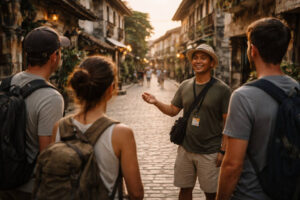 Saturday: Social/experience day. A guided heritage walk, a workshop, or a community-run experience, something that puts money into local hands.
Sunday: Rest. Brunch, journaling, a quiet café, or a movie. No guilt.
To avoid tourist burnout, keep one rule: one “big” thing per day. Everything else is optional.
Short trips that feel easy (not exhausting)
From Iloilo City, think in half-days and full-days, not “must-see lists.” Choose trips where transport is straightforward and you can return to your base without racing the clock.
When planning, check terminal locations and avoid stacking transfers in one day. Those are the days that quietly drain budgets and patience.
Cost feel (monthly, per person): Budget ₱35,000–₱70,000 (simple room, carinderia meals, mostly public transport); midrange ₱70,000–₱120,000 (comfortable studio, café mix, a few guided experiences); comfort ₱120,000–₱220,000 (nicer condo, more rides, more tours). Biggest cost drivers: your rent style, air-conditioning use, and how often you “convenience” your way out of friction.
Scenario B: 2–4 Weeks in Bohol (One Base, Mini-Loops, Weather-Smart Days)
Pick one home base (and how to decide)
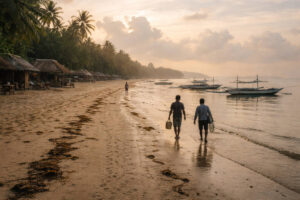 Bohol works beautifully for slow travel Philippines because it has a mix of nature, culture, and beaches without requiring you to change hotels every two nights.
The key is choosing a base that matches your pace:
Panglao: easiest for beach time and tours, but more tourist-oriented and pricier.
Tagbilaran: more local daily life and transport access, but you’ll commute to beaches.
Anda: quieter and slower, great if you want calm mornings, but it is farther from central hubs.
Reality check: If you base somewhere too far from your daily needs, you’ll spend more on rides than you expect. Convenience costs compound over weeks.
How to do short loops and day trips (without overplanning)
Build your weeks around “two active days, one light day” cycles. Example loop logic: one inland day (early start, cooler air), one coastal day (late afternoon swims), then one recovery day (laundry, café, massage, rain plan).
Practical tip: schedule anything popular either early morning or late afternoon, and keep midday for shade, naps, or indoor stops. Over a few weeks, you’ll naturally spread out highlights, and you’ll enjoy them more because you are not arriving already exhausted.
Weather and transport realities (and how to buffer for them)
In rainy months, plan “movable” days: beaches and boat-dependent activities should be swappable with inland or indoor options.
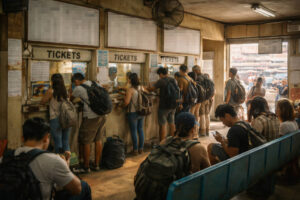 Keep a buffer day before any onward flight or ferry, especially during storm-prone periods. In dry months, your main challenge is heat, so front-load outdoor activities to sunrise hours.
Cost feel (weekly, per person): Budget ₱10,000–₱18,000 (simple stays, local eats, selective tours); midrange ₱18,000–₱35,000 (better room, more café meals, a few paid experiences); comfort ₱35,000–₱65,000 (beachfront upgrades, more guided days, more rides). On islands, transport and tours can become the “silent spend,” so track them weekly.
Scenario C: Spending Better So Your Money Lands Where It Matters
Choose stays, food, and guides that are locally rooted
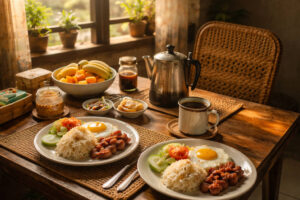 Spending better does not mean spending fancy. It means spending intentionally.
Book homestays or small locally owned inns when you can. Eat where locals eat: carinderias, market stalls, family-run restaurants. Hire local guides for walking tours and nature trips, and ask what your fee covers (guide pay, permits, community share).
For a deeper checklist, this guide on sustainable travel practices in the Philippines pairs perfectly with slow travel Philippines planning.
Red flags to avoid (especially “community tours” and wildlife)
If an experience uses “community” as a marketing word but can’t explain where the money goes, be cautious. Red flags include pressure tactics, vague “donations,” no clear local partner, prices that do not match what is included, or activities that disrespect people’s privacy (treating neighborhoods like photo backdrops).
For wildlife, avoid experiences that involve touching, feeding, or stressing animals for photos. Be wary of operators who promise guaranteed sightings on nature trips.
Reality check: Ethical choices can take a little extra time: asking questions, reading reviews, choosing smaller operators. That’s exactly why slow travel makes it easier.
Budgeting for Slow Travel: Think Weekly, Not “Daily Splurges”
Simple weekly budget ranges (and what usually eats the money)
Slow travel Philippines becomes cheaper when you stop paying the “transfer tax” (flights, baggage fees, hotel churn, last-minute rides). Use a weekly budget so you can flex: spend more on one great guided day, then keep the next days simple.
Budget: ₱8,000–₱15,000/week (basic room, mostly local meals, public transport).
Midrange: ₱15,000–₱30,000/week (comfortable stay, mixed dining, a few tours).
Comfort: ₱30,000–₱60,000/week (upgraded rooms, more rides, more paid experiences).
Where money tends to go: accommodation, transport convenience, tours, and “tiny daily treats” (iced coffee, pastries, late-night delivery). Track those treats weekly. They are not bad, they just add up.
Use real examples to calibrate your plan
If you want sample ranges for different trip lengths, use Philippines travel budget examples to sanity-check your weekly spending before you commit to a base.
Reality check: The cheapest trip is not always the best. If your room is too uncomfortable, you’ll “escape” into cafés and rides, which can cost more than paying for better basics.
Transport Choices That Make Slow Travel Easier (and Mistakes That Waste Time)
Fewer transfers matter more than you think
Every transfer costs time: packing, checkout, waiting, traffic, lines, and the mental load of “what if we miss it?” slow travel Philippines works because you reduce those friction points.
Choose one base near the places you’ll repeat (food, walks, work cafés), then do short loops.
For practical mode-by-mode tips, keep this bookmarked: public transport in the Philippines.
Common mistakes that quietly cost money
These are the big ones: planning tight same-day connections, traveling on Friday afternoons or holiday eves, assuming ferries run like clockwork, and skipping buffer days before flights.
Also, overpacking. The heavier your bag, the more you’ll pay for convenience rides when you are tired.
Reality check: Sometimes the “slower” option (one direct bus, one base) is the fastest route to feeling good.
If You’re Staying Longer: Visa Basics, Documents, Internet, and Power
Long-stay essentials for remote workers and longer visits
 If you are not a Philippine passport holder, start by checking current entry and extension rules directly with the Bureau of Immigration. The official visa waiver page is here: https://immigration.gov.ph/visas/visa-waiver/.
In general, keep digital and printed copies of your passport ID page, entry stamp, onward ticket (if required), accommodation address, and a couple of passport photos. Small admin tasks feel much easier when you are settled in one base, which is the whole point of Philippines slow travel.
If you’ll work online, plan for interruptions: have a backup data option (second SIM or pocket Wi-Fi), download offline maps, and choose accommodations that mention stable power or have contingency plans. This guide on digital nomad life in the Philippines can help you set expectations about connectivity and daily routines.
Reality check: Internet can be strong one day and moody the next, even in cities. A backup plan is cheaper than a missed meeting.
Weather, Crowds, Closures: How to Plan Around Real Life
Seasons, storms, and what to do when it rains for days
Dry months generally make island days easier. Rainy months bring lush landscapes and fewer crowds, but you need flexibility: swap boat plans for museums, cafés, cooking classes, indoor markets, or a slow afternoon of merienda-hopping.
Keep rain gear you’ll actually wear (a light jacket, sandals that can get wet) and protect electronics with a dry bag.
Crowd timing, safety basics, and respecting places
To avoid crowds while still enjoying popular places: go early, go late, go on weekdays, and build “two-tier lists” (must-do vs nice-to-do) so you are not forcing it.
Be especially mindful during festivals. They are beautiful, but transport and prices can spike, and accommodations fill fast.
For safety, use reputable operators, confirm prices before rides, keep valuables simple, and trust your instincts if something feels off. Also expect occasional closures due to weather, maintenance, or community rules.
Respect signage, ask before photographing people closely, and choose tours that prioritize dignity over spectacle.
Reality check: You won’t control weather or crowds, but you can control your pace and your buffers, which changes everything.
FAQ: Slow Travel in the Philippines (Quick Answers)
What is slow travel, and how is it different from island-hopping?
Slow travel focuses on one base, repeat routines, and short loops. Island-hopping is transfer-heavy, with more packing, more ticketing, and more recovery time.
How do you plan a month-long stay in one city without getting bored?
Build a weekly rhythm (market day, neighborhood day, reset day), limit yourself to one “big” thing per day, and repeat places you like until they feel familiar.
Which island provinces work best for a 2–4 week slow trip?
Choose places with variety and workable transport from one base, like Bohol, Palawan (with one town base), Siquijor, or Negros Oriental, then plan mini-loops instead of constant hotel changes.
How do you budget for slow travel?
Track weekly, not daily. Accommodation + transport convenience are the biggest levers. Fewer transfers usually saves money (and energy).
How do you ensure your money supports local communities (and what are red flags)?
Book locally owned stays, hire local guides, eat at local spots, buy from markets. Red flags: vague “community fees,” pressure tactics, and wildlife experiences that stress animals.
How do weather seasons affect plans?
Dry months simplify travel; rainy months need buffer days and swappable activities. Always keep flexibility before flights or ferries during storm-prone periods.
What transport choices make slow travel easier?
Choose fewer transfers, stay near daily essentials, and avoid tight same-day connections. Buffer days prevent expensive last-minute fixes.
What do you need to know about staying longer?
Check current visa waiver and extension rules, keep copies of key documents, and plan internet/power backups if you work remotely.
If you take only one thing from this: pick a base you love on an ordinary Tuesday, not just a postcard Sunday. That is where slow travel Philippines turns from an idea into a relationship, warm mornings, familiar faces, and a trip that feels like it actually belonged to your life.