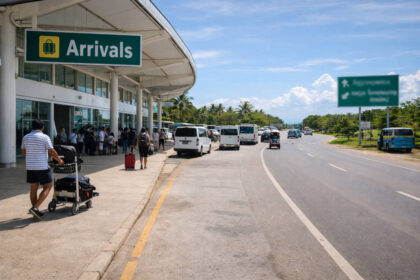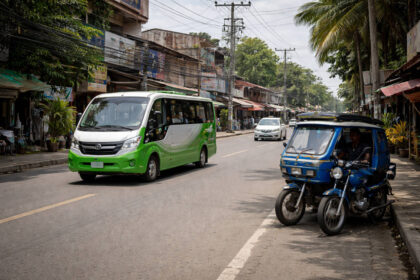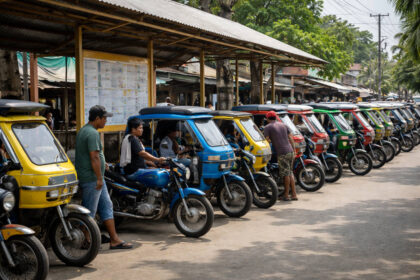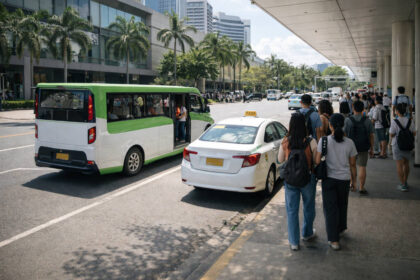
Most day trips to Tagaytay City feel straightforward: good food, cool air, and quick getaways from Metro Manila. But like many tourist towns, the busy weekends and high-foot-traffic zones can create “pressure moments” where surprise charges, unclear pricing, or pushy sales tactics happen. This guide focuses on scams in Tagaytay in a calm way: not to make you paranoid, but to help you reduce surprise costs and avoid situations that feel rushed or unclear. For broader trip ideas and planning context, you can open Tagaytay Travel Guide 2025 before you finalize your itinerary.
At-a-Glance
When pressure happens most: Weekends, holidays, long weekends, and peak meal times.
Where it happens most: Tourist corridors, transport pickup points, and crowded parking areas.
Best low-stress habit: Ask for clear pricing before you commit, and keep your route pinned on your phone.
Money habit that prevents arguments: Carry small bills and ask for receipts when available.
Reality Check: Not every uncomfortable moment is a scam. The goal is to spot patterns of unclear disclosure, pressure, and sudden price changes—then exit early and calmly.
Quick Take: Tagaytay Is Usually Easy, But Weekends And Tourist Zones Create “Pressure Moments”
Most scams in Tagaytay are not dramatic. They’re often small: a short ride priced like a long ride, a parking fee revealed late, or a “helpful” person redirecting you to a place you didn’t ask for. The simplest way to reduce risk is to slow down and ask one question before you move: “How much, and what does it include?”
Reality Check: If you’re tired, hungry, or rushing, you’re more likely to agree to unclear terms. Build tiny buffers—especially on weekends—so you don’t feel cornered.
What “Normal” Looks Like In Tagaytay
Normal Pricing Behavior
Normal businesses disclose prices before service. That usually means menus with prices, posted fee boards, ticket counters, and staff who can answer calmly when you ask, “Magkano po?” Service charge and add-ons are disclosed before you order or before you confirm a booking.
Reality Check: “Normal” can still be expensive in a tourist town. The key difference is disclosure—prices are visible or clearly stated before you commit.
Normal Transport Behavior
Normal drivers can state a fare clearly before you ride and won’t get angry if you decline. In areas where tricycles are common, you may encounter “special trip” pricing (exclusive ride, not per seat). That can be normal if it’s explained upfront and agreed before you move. If a tricycle fare matrix or posted guide exists, normal drivers won’t mind you asking to see it.
Reality Check: Transport costs can rise on peak hours. What matters is agreeing on the fare and whether it’s per person or a special trip before you ride.
Normal Tourist Sales Behavior
Normal vendors accept a polite no and do not follow you. They may offer tours, snacks, or souvenirs near busy areas, but they should stop when you decline. Normal sales don’t require urgency language like “Last chance” or “Right now only” to get you to pay.
Reality Check: Friendly persistence can be part of sales culture. The line is when a person ignores repeated no’s, blocks your path, or tries to rush you into paying.
Common Scam Pattern 1: Overcharging On Short Rides And Unclear “Special Trip” Pricing
What It Looks Like
You ask for a short ride (for example, around Olivarez Plaza or between nearby restaurants), and the driver quotes a price that feels like a long-distance rate. Or the driver avoids numbers and says something vague like “Bahala na,” then charges high after arrival. Another version: you assume it’s per person, but it turns out to be a special trip price (or vice versa) and the amount changes mid-conversation.
Why It Happens In Tagaytay
Tourist demand spikes quickly in Tagaytay City—especially weekends—so some drivers try to maximize earnings during the busiest windows. Unclear disclosure is where problems start: when a fare is not stated clearly, not agreed, or changed after the ride.
Reality Check: Some price variation is normal in peak periods. What’s not normal is refusing to disclose the fare, then changing it after you arrive.
How To Avoid It
Use one simple rule before you move: ask the fare first, confirm whether it is per person or special trip, and confirm the destination before the ride starts. If the answer stays vague, decline and step back into a public area. If you’re using an app-based option like Grab where available, the in-app price visibility reduces this friction.
Normal Vs Not Normal Checklist
Normal
☐ Driver states a clear price before you ride
☐ You can ask to see a fare matrix or posted guide when available
☐ Driver accepts No, thank you without argument
Not normal
☐ Driver refuses to state a price first and says Bahala na
☐ Driver pressures you to ride immediately or blocks your path
☐ Driver changes the price after arrival without any prior agreement
Reality Check: If you feel embarrassed to ask, remember: asking first is normal. It’s the simplest way to prevent scams in Tagaytay that rely on confusion.
Common Scam Pattern 2: “Tourist Trap” Redirection To Places You Did Not Ask For
What It Looks Like
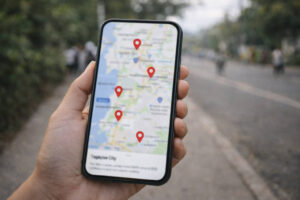 You say your target (a specific café, view deck, or attraction), and someone tells you it’s closed, too far, “not nice,” or “traffic is bad there,” then pushes you toward a different stop—often one that benefits them (commission, partner business, or overpriced venue). This can happen with informal “helpers,” some drivers, or overly aggressive vendors.
Low-Stress Prevention
Arrive with a specific place name and a pinned map location. Decide your stops before you leave your accommodation or before you exit your car, then avoid negotiating while walking. The more you “work out the plan” in public, the easier it is for someone to insert themselves.
Reality Check: Sometimes places really do close early or change hours. The difference is pressure. If someone insists you must switch right now, treat that as a cue to pause and verify on your own.
Exit Line
Use short polite lines and repeat once, then disengage. Example: “Okay na po, may plan na kami.” If they continue, step into a well-lit store or crowded area and stop responding.
Common Scam Pattern 3: Parking Fee Surprises And Unclear “Consumable” Claims
What Is Normal
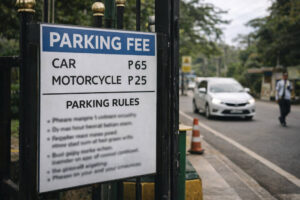 Parking fees are posted at entry, and rules are explained before you park. If a place has a “consumable” system (where part of a fee can be used as credit), normal disclosure includes clear terms before you enter: how much is consumable, where it can be used, and any limits.
What Is Not Normal
Fees appear only after you want to leave, or they’re not disclosed until after service. Another red flag is a rule that keeps changing depending on who you ask, especially if nobody can show a posted notice or a written policy.
What To Ask Before You Enter
Ask if parking is paid, per entry, per hour, or consumable, and request clarity before committing. If the answer is vague, choose a different parking option where the rules are posted.
Reality Check: Crowded weekends can turn parking into a stress spiral. A quick question at the gate can prevent an argument later—and that’s the point of a planning-first approach to scams in Tagaytay.
Common Scam Pattern 4: Staycation And Condo Booking Scams (Fake Pages, Fake Agents, Fake Units)
The Common Setup
The pattern is usually the same: a deal that looks unusually cheap, urgency language (“Last slot,” “Someone else is getting it”), and requests for deposits sent to personal accounts with limited documentation. Sometimes the “agent” claims the unit is in Tagaytay City but can’t provide verifiable details, or the photos are generic and reused across multiple listings.
Low-Stress Verification Steps
- Verify the property name and contact details independently
- Ask for a recent timestamped photo or short video walkthrough
- Ask for a written confirmation of check-in rules and exact unit details
- Avoid paying full amounts via unverified personal accounts
- Save receipts and written agreements
Reality Check: The “best deal” is not the one that disappears fast—it’s the one that can be verified calmly.
Normal Vs Not Normal Checklist
Normal
☐ Clear booking confirmation, rules, and cancellation policy in writing
☐ Payment goes through a traceable channel with receipts
Not normal
☐ Rushed deposit demands with threats that someone else will get it
☐ Refusal to provide proof of unit ownership or a verifiable booking record
☐ Blocking or aggressive language when you ask basic questions
Common Scam Pattern 5: Restaurant And Attraction Price Surprises
What Is Normal
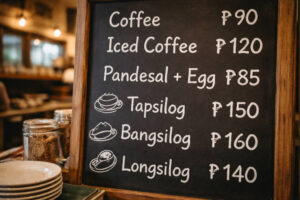 Menus show prices, service charge is disclosed, and staff can answer before you order. For attractions, normal practice is a posted ticket rate or a clear statement of fees before entry. Receipts are available when requested, especially in established venues.
What Is Not Normal
No menu, unclear pricing, add-ons not explained, or pressure ordering. Watch for vague “package” offers that skip details (“Basta masarap,” “Basta sulit”) without naming what’s included and how much each item costs.
Low-Stress Habit
Ask “May menu po with prices?” and “May service charge po ba?” before committing. If the answer is unclear, choose another place—Tagaytay has many options, and walking away is a normal consumer choice.
Reality Check: A calm “pass muna” saves more money than a long argument after you’ve already ordered.
Pressure Spending Reset (When You Feel Rushed To Buy Something)
Sometimes “scam risk” is really just pressure spending: you didn’t plan a rest stop, so you end up buying whatever is closest and priciest. A simple fix is to keep a free or low-cost backup list, especially on peak days. If you want a planning-friendly list for that, save Free Things To Do In Tagaytay Rest Day.
Reality Check: The best anti-pressure tool is having alternatives. When you know you have options, you don’t get cornered into expensive choices.
How To Say No Politely In Tagaytay (Copy-Paste Lines)
Salamat po, pass muna kami
Okay na po, may plan na kami
Hindi na po, thank you
Sa susunod na lang po
May booking na po kami, salamat
Sorry po, budgeted na po kami today
Sandali lang po, i-check lang namin sa phone
Reality Check: Polite repetition works. You do not need to negotiate your no.
Transport And Tour Booking Tips That Reduce Scam Risk
Default Low-Stress Choices
 When possible, use official ride-hailing where available (for example, Grab in supported areas) or book through your accommodation, especially for longer trips. These channels usually provide clearer pricing and a record of the booking.
If You Must Take A Tricycle
Agree on the fare and destination first, keep small bills, and avoid changing plans mid-ride. If you need to add a stop, ask for the updated fare before you move again. “Special trip” is not automatically bad—what matters is that it’s clearly stated and agreed.
Reality Check: Many misunderstandings happen because people assume it’s per person, then learn too late it’s a special trip. Ask one clarifying question and you prevent most transport-related scams in Tagaytay.
What To Screenshot Or Save
☐ Booking confirmations
☐ Driver details if provided
☐ Agreed fare in chat if applicable
☐ Map pins for your destination and pickup point
Group Travel Note
Splitting costs can reduce pressure and gives you an easier exit if something feels off. Even for day-trippers, staying together during transport decisions makes it easier to pause and verify.
Reality Check: The most common “overcharge” arguments happen when someone feels isolated or rushed. Group alignment lowers both.
Planning Habits That Prevent Most Surprise Charges
Most problems don’t start at the payment moment—they start earlier, when details are unclear. A planning-first habit is to make “verification” part of your routine: confirm terms in writing, screenshot key details, and keep your itinerary pinned. If you want a simple planning system you can reuse for all trips, save Philippines Travel Planning Guide First Trip.
Reality Check: Verification is not being difficult. It’s how you keep your day calm—especially in peak-season Tagaytay City crowds.
Timing And Crowd Stress Note
Pressure moments increase when crowds peak and everyone is rushing at the same time. If you can, schedule Tagaytay City plans earlier in the day, avoid tight back-to-back stops, and consider weekdays for a calmer experience. For seasonal crowd and weather context, this guide can help with expectations: Philippines Weather Travel Guide Best Months.
Reality Check: When weather shifts (fog, rain, sudden temperature drops), people bunch into the same indoor spots. Crowding itself can create confusion—so keep your plan simple.
What To Do If Something Feels Wrong (Calm Action Plan)
- Step into a well-lit public area and pause the conversation
- Do not hand over your phone or wallet to helpers
- End the interaction with a short no and walk away
- If you already paid, ask for a receipt or written acknowledgment
- Document key details discreetly (time, place, plate number, screenshots)
- Call your accommodation or a trusted contact and tell them where you are
- If needed, contact the City Government of Tagaytay or file a consumer complaint with DTI for applicable issues
For official local reference, you can start with https://tagaytay.gov.ph/. For consumer reporting and dispute guidance, use https://consumercare.dti.gov.ph/. For broader safety habits (money handling, situational awareness, and de-escalation), keep Travel Safety Philippines Guide saved on your phone.
Reality Check: If you feel unsafe, you don’t have to “win” the conversation. Your goal is to exit cleanly, stay in public, and reconnect with a safe support point.
FAQs About Scams in Tagaytay
What Scams Are Most Common In Tagaytay For Day-Trippers And First-Timers?
The most common scams in Tagaytay are small and practical: unclear “special trip” transport pricing, sudden changes in agreed fares, redirection to places you didn’t ask for, parking fee surprises, and staycation booking scams involving fake pages or bogus agents.
What Is Normal Vs Not Normal Pricing And Behavior For Tricycles In Tagaytay?
Normal is a driver stating a clear fare before you ride and accepting a polite no. Normal can include special trip pricing if it’s explained upfront. Not normal is refusing to state a price (“Bahala na”), pressuring you to ride immediately, or changing the price after arrival without any prior agreement.
How Do I Avoid Being Redirected To Tourist Trap Stops I Did Not Ask For?
Pin your destination, use specific place names, and avoid negotiating while walking. If someone says your target is closed or “not nice,” pause and verify independently on your phone or through your accommodation before changing plans.
How Do I Verify Tagaytay Staycation And Condo Rentals So I Do Not Get Scammed?
Verify the property independently, ask for a recent timestamped photo or short video walkthrough, get rules and unit details in writing, and pay through traceable channels with receipts. Avoid rushed deposit demands, and treat aggressive responses to basic questions as a red flag.
What Is Normal Vs Not Normal For Parking Fees And Consumable Charges In Tagaytay?
Normal parking policies are posted at entry and explained before you park, including whether fees are per entry, per hour, or consumable. Not normal is discovering fees only when you leave, or policies that change depending on who you ask without any posted notice.
How Do I Say No Politely Without Escalating The Situation?
Use short lines, repeat once, then disengage. “Salamat po, pass muna kami” and “Okay na po, may plan na kami” work well. Step into a well-lit public area if someone continues to pressure you.
What Should I Do If Something Feels Wrong Or I Think I Am Being Overcharged?
Pause in a public place, don’t hand over your phone or wallet, end the interaction, and document details discreetly. If you already paid, ask for a receipt. If needed, contact the City Government of Tagaytay or file a complaint through DTI’s consumer portal.
More Tagaytay Reads
If you’re planning your stops next, browse Tagaytay Travel Guides for itinerary ideas that keep pacing calm. With a clear route, small-bills planning, and a habit of asking prices before you commit, you can enjoy Tagaytay City while reducing the surprise costs that most scams in Tagaytay rely on.