Most trips in Ilocos Norte go smoothly—people are helpful, routes are straightforward, and the main “problems” travelers face are usually small: unclear inclusions, last-minute add-on fees, or someone trying to charge a higher “tourist rate.” This guide is here to reduce confusion, prevent budget blowouts, and help you handle pressure tactics calmly. The focus is simple: understand what’s normal vs not normal, so you can make clear agreements and move on quickly.
The examples below focus on the most common traveler situations—transport, tours, and online bookings—because that’s where scams in Ilocos Norte most often show up in practical terms: overcharging, price-changing after agreement, fake pages, and unclear inclusions.
At-a-Glance: Quick Ways to Avoid Confusion
Two habits that prevent most issues
First: confirm the “all-in” price before you move (before boarding a tricycle, before starting a van hire, before sending a deposit). Second: keep proof—screenshots, written inclusions, and receipts—so there’s less room for “special fee” surprises later.
Build your plan with buffers and backup options
Scam-avoidance is easier when you’re not rushing. Give yourself time to compare options at terminals, ask your accommodation what’s typical, and walk away from pushy offers. For a broader foundation—budgeting, timing, and planning habits—start with Philippines trip planning basics.
What “Scams” Usually Look Like in Ilocos Norte (and Why “Normal vs Not Normal” Matters)
 Set expectations: it’s often overcharging and pressure pricing
When travelers talk about scams in Ilocos Norte, it’s rarely about dramatic schemes. More often it looks like: a price that changes after you arrive, a vague “tourist rate” with unclear inclusions, a “special fee” that appears mid-transaction, or an online page using stolen photos to collect deposits. These situations can be stressful mostly because they create uncertainty—especially if you’re tired, it’s hot, or you’re trying to catch the next stop.
Where it tends to happen: common routes and decision points
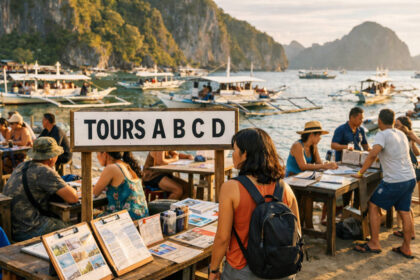
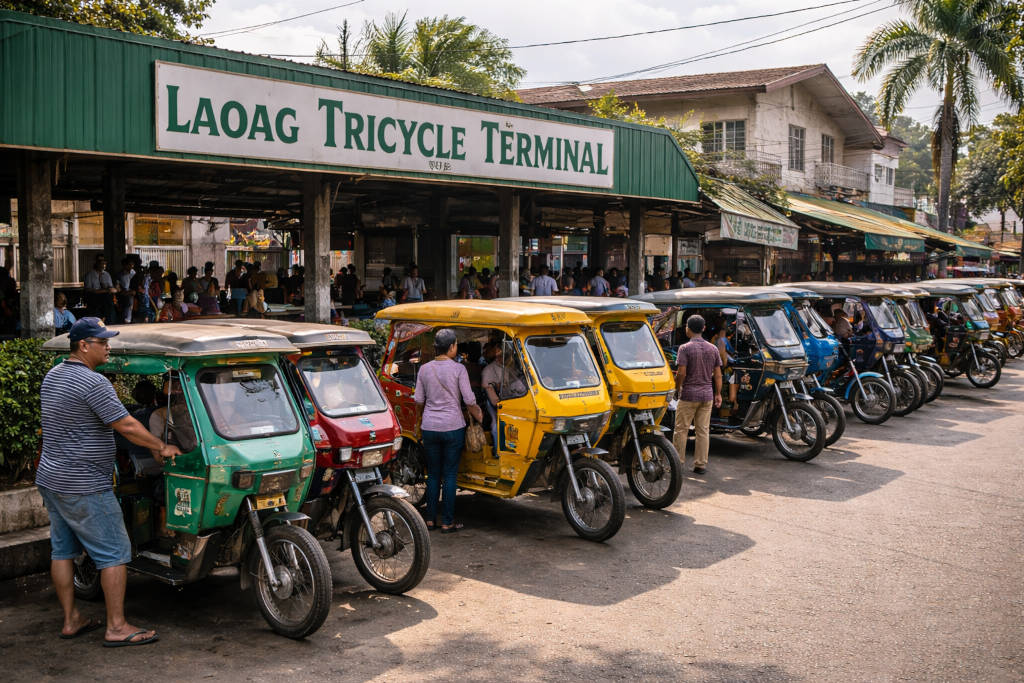
Most visitors pass through similar decision points: transport terminals in Laoag, short hops to beaches and viewpoints, and day-tour bookings to cluster stops around Pagudpud and nearby areas. If you’re mapping routes and stops, it helps to know the usual flow first—see Ilocos itinerary and places guide to understand where travelers typically book transport, hire drivers, or join tours.
Once you know the usual flow, “normal vs not normal” becomes clearer: normal means the price and inclusions are stated upfront; not normal means someone refuses details, rushes payment, or changes the deal after you commit.
Common Patterns to Watch For (Without Panic)
Transport overcharging or price-changing after agreement
The most common traveler complaints involve tricycles near terminals, “special” van hires, or drivers who agree to one price, then increase it after you arrive or after a stop is added. This can also show up as confusion about whether the price is per person or per ride, or whether luggage and extra stops cost more.
What keeps this calm: agree on an all-in price before boarding, clarify the unit (per head vs per trip), and confirm whether the route includes waiting time or multiple stops. If something feels unclear, step back and ask again—clarity is normal.
“Tourist rate” pressure, vague inclusions, and “special fee” surprises
Pressure pricing often sounds like: “Ito na ang tourist price,” “May special fee,” or “Last slot na, ngayon na.” Sometimes the price itself is not the real issue—the issue is that it’s vague. If you can’t list what you’re paying for (transport, entrance fees, guide, meals, pickup/drop-off, timing), you can’t compare offers fairly.
A clean, normal offer can be summarized in one sentence: “This is the all-in price, it includes X and Y, starts at this time, ends at this time.” Anything that can’t be summarized clearly is a risk for misunderstandings.
Tour package and booking scams in Ilocos Norte (fake pages, deposits, no confirmation)
 Online scams in Ilocos Norte are usually simple: a fake agency page using stolen photos, a “too-good-to-be-true” promo, or a request to send a deposit to a personal account with no written confirmation. Another common pattern is “payment first, details later,” where the seller refuses to provide inclusions, start/end times, or a real business identity.
Legit operators can still use personal payment channels sometimes, but the difference is documentation: they can provide written confirmation, clear inclusions, and a verifiable business presence. If you cannot verify who they are, treat it as a high-risk booking.
Small but real risks: payment/QR tricks, public Wi-Fi caution, and receipts
Most travelers won’t encounter sophisticated payment scams in Ilocos Norte, but small risks exist anywhere tourists transact: a QR code that leads to the wrong account, a “wrong amount” entered quickly, or a rushed payment screen where you don’t get time to review. Public Wi-Fi can also expose accounts if you log into sensitive apps without protection.
Simple habits help: check the recipient name before sending, confirm the amount before approving, and keep receipts or screenshots. If a transaction feels rushed, slow it down—there is no legitimate reason you can’t review what you’re paying.
What’s Normal vs Not Normal (Practical Examples)
 Normal examples (green flags)
- Agreeing on a fare before riding, including whether it’s per person or per trip.
- Asking for a posted fare matrix (or being shown one) at a terminal or tricycle area.
- Being offered choices, like shared vs private rides, with different prices explained clearly.
- Receiving written tour inclusions: route, start/end time, pickup point, what fees are included.
- Being given time to think, compare, and message your accommodation for confirmation.
Not normal examples (red flags)
- Changing the price after you arrive, after you load bags, or after you finish the ride.
- Refusing to name a price upfront but demanding payment later.
- Asking for full payment with no details, no inclusions, and no written confirmation.
- Rushing you to pay “right now” and discouraging questions (“Basta, ganito na.”).
- Refusing basic business details (real name, registration, office address, official pages).
If you remember one rule: normal offers can be explained calmly and in writing; not-normal offers rely on pressure, vagueness, and urgency.
What’s “Normal” Pricing and Behavior Guidance (Without Brittle Numbers)
Anchor prices safely using posted guidance and local confirmation
Instead of hunting for exact numbers online (which can be outdated), anchor your expectations using three sources: (1) posted fare matrices where available, (2) your accommodation/front desk, and (3) official references when published. Ilocos Norte maintains a transportation reference page that can help you understand official guidance and contacts: official Ilocos Norte transportation page.
This is not about “getting the cheapest.” It’s about avoiding surprise pricing and having a reasonable range in mind.
Confirm the unit: per person vs per trip, and what changes the price
Many misunderstandings happen because travelers assume one unit and the driver assumes another. Ask directly: “Per head po ba ito or per ride?” If you have luggage, extra stops, or want waiting time, confirm whether that changes the price. A normal answer is specific; a not-normal answer stays vague.
Confirm inclusions in plain language before moving
For transport, confirm the route and endpoint. For tours, confirm: pickup and drop-off points, start and end time, whether entrance fees are included, and whether meals or guide fees are included. If you’re budgeting for a longer trip, it helps to compare these day costs against sample Philippines travel budgets so one “surprise day” doesn’t distort your whole plan.
When the agreement is clear, you’ll feel less tension—and you’ll be less vulnerable to pressure tactics commonly associated with scams in Ilocos Norte.
How to Say No Politely (Simple Scripts in English/Taglish)
Short scripts that reduce back-and-forth
Use calm, repetitive lines. You don’t need a long explanation.
- “Salamat po, pass muna.”
- “Mag-iisip muna kami.”
- “May kausap na kami.”
- “Magkano po all-in? Kasama na lahat?”
- “May written confirmation po ba?”
Exit lines that help you leave without arguing
- “Sige po, check muna kami sa hotel/terminal.”
- “Balik na lang kami pag decided na.”
- “May schedule po kami, salamat.”
- “We’ll compare options first, thank you.”
If they keep pushing: repeat and move to a public anchor
If someone persists, don’t debate prices on the spot. Repeat your line once, then move: step toward an official counter, a brighter public area, or your accommodation lobby. Persistence often fades when you’re no longer isolated or rushed.
Transport Tips (Tricycles, Vans, and Driver Hire)
Where to ask first: accommodation and official counters
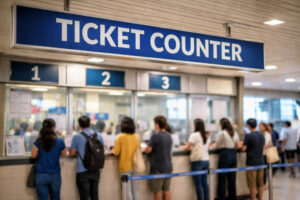 Before accepting offers near terminals, ask your hotel/front desk for a typical range and where to queue. At terminals, look for official ticket counters or organized queues first. These steps reduce confusion and make it less likely you’ll run into the “price changes later” situation linked to scams in Ilocos Norte.
If there’s a posted fare matrix, take a quick photo (no people, no personal data). It helps you remember what was posted and keeps the conversation factual.
Confirm before boarding: route, unit, and add-ons
Use a simple pre-boarding checklist:
- “Magkano po hanggang (destination)?”
- “Per head po ba or per ride?”
- “Kasama na po luggage? May extra po ba kung may stop?”
- “All-in na po ’yan?”
If the driver won’t name a price or gets irritated by basic questions, that’s a signal to choose another option.
For day hires: define the day clearly (time, stops, waiting)
For vans or car-with-driver arrangements, define the day in writing: start time, end time, the list of stops, whether fuel and driver meals are included, and whether waiting time at attractions is part of the price. Misunderstandings often come from “assumed” waiting time. A clear itinerary protects both sides.
Tour and Accommodation Booking Tips (Avoiding Fake Pages and Vague Inclusions)
Verify the operator identity (not just the photos)
Scam pages often look polished—nice photos, many followers, lots of “promo” posts. What matters is verifiable identity: consistent business name across platforms, a real contact number that answers professionally, clear location details, and written booking terms. If you want an extra reference point, you can check whether a provider is listed on the DOT accredited tourism enterprises list (note: not every good operator is listed, but refusal to share basic details is still a red flag).
Insist on written inclusions and a proper confirmation message
A proper tour confirmation should include: date, guest name(s), meeting/pickup point, start and end time, route or key stops, what’s included (transport, guide, entrance fees, meals if any), what’s not included, cancellation or rebooking terms, and a contact person on the day. If a seller says “Okay na ’yan, trust us,” without writing anything down, treat it as not-normal.
Be careful with deposits: keep documentation and receipts
If paying a deposit, keep screenshots of the agreement and proof of payment. Avoid sending money if there’s no written confirmation, no inclusions list, and no reliable way to contact the operator afterward. For accommodations, watch for too-good-to-be-true deals, pages that can’t provide a booking reference, or bait-and-switch room descriptions. When possible, book through channels that provide written confirmations and customer support.
What to Do If Something Feels Wrong (Before, During, After)
Before paying: step back and verify, don’t argue
If a price suddenly changes or inclusions become vague, pause the transaction. Step aside, check with your accommodation, compare another provider, or contact a local tourism office. Calm verification is your best tool—arguments rarely improve outcomes, and pressure thrives on rushed decisions.
During: keep calm, move to a public area, end the transaction if safe
If someone becomes aggressive or you feel cornered, prioritize space and safety. Move toward a well-lit, populated area—an official counter, a café, or your hotel lobby. If it’s safe to do so, end the transaction and walk away. Your goal is to exit, not to “win” a debate.
After payment: document and follow up through formal channels
Save screenshots, receipts, chat logs, and any identifying details you can note safely (vehicle plate number, operator name, pickup point). Contact the operator formally and clearly state what was agreed vs what happened. If you need more general safety guidance for travel situations like this, refer to travel safety checklist for the Philippines and follow the steps that keep you calm and documented.
If you feel unsafe right now: go to a populated place, contact your accommodation for help, and call local authorities or emergency services as appropriate. If you’re traveling as a group, stay together and avoid splitting up while stressed.
FAQ: Common Questions About Scams in Ilocos Norte
What scams are most common for travelers in Ilocos Norte?
A: The most common issues are overcharging, price-changing after agreement, vague “tourist rate” offers with unclear inclusions, fake booking pages using stolen photos, and small payment/receipt problems.
What’s normal vs not normal when negotiating local transport?
A: Normal: agreeing on a fare before boarding, clarifying per person vs per ride, and being shown a fare matrix when available. Not normal: refusing to state a price, changing the price after arrival, or pressuring you to pay without details.
How do you avoid tricycle/van overcharging without being rude?
A: Ask calmly and early: “Magkano po all-in?” and “Per head po ba or per ride?” If there’s a posted rate, refer to it. If the answer stays vague, thank them and choose another option.
How can you tell if an Ilocos tour package is legit?
A: Legit packages have verifiable operator identity (consistent business details), clear written inclusions, and a confirmation with date/time/pickup details. Fake packages often rush you to deposit, avoid specifics, and can’t provide basic business information.
What should a proper tour booking confirmation include?
A: Date, names, pickup/meeting point, start and end time, route/stops, inclusions and exclusions (fees/meals), cancellation terms, and an on-day contact person.
How do you say no politely to persistent offers?
A: Use short lines and repeat once: “Salamat po, pass muna.” “Mag-iisip muna kami.” Then move toward an official counter or public area without arguing.
What should you do if someone changes the price after you agree?
A: Stay calm. Restate the agreed price once. If they insist on changing it, end the transaction if safe, and choose another provider. If you already used the service, document what happened and follow up formally with receipts/screenshots.
What should you do if you think you already paid a scammer?
A: Collect documentation (screenshots, proof of payment, chat logs), contact the operator through official channels, and report to the platform you used (bank/e-wallet support, booking platform support). If needed, ask your accommodation or local tourism office where to file a local complaint. Keep the steps general, calm, and documented.
Who can you contact for help in Ilocos Norte?
A: Start with your accommodation (front desk can help verify typical prices and reputable operators). For official references, use the official Ilocos Norte transportation page for guidance and contacts, and contact local authorities or emergency services if you feel unsafe.
With clear agreements and calm boundaries, most “scam” situations become simple misunderstandings you can avoid. If you’re planning more routes and want more safety-first, budget-first travel notes, browse more travel advisories.