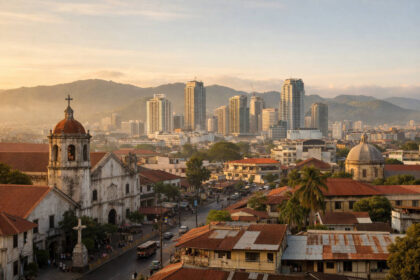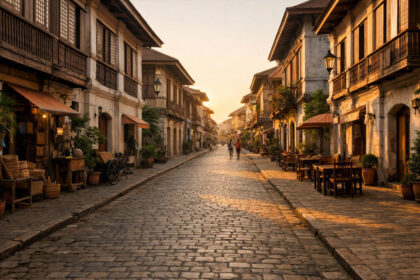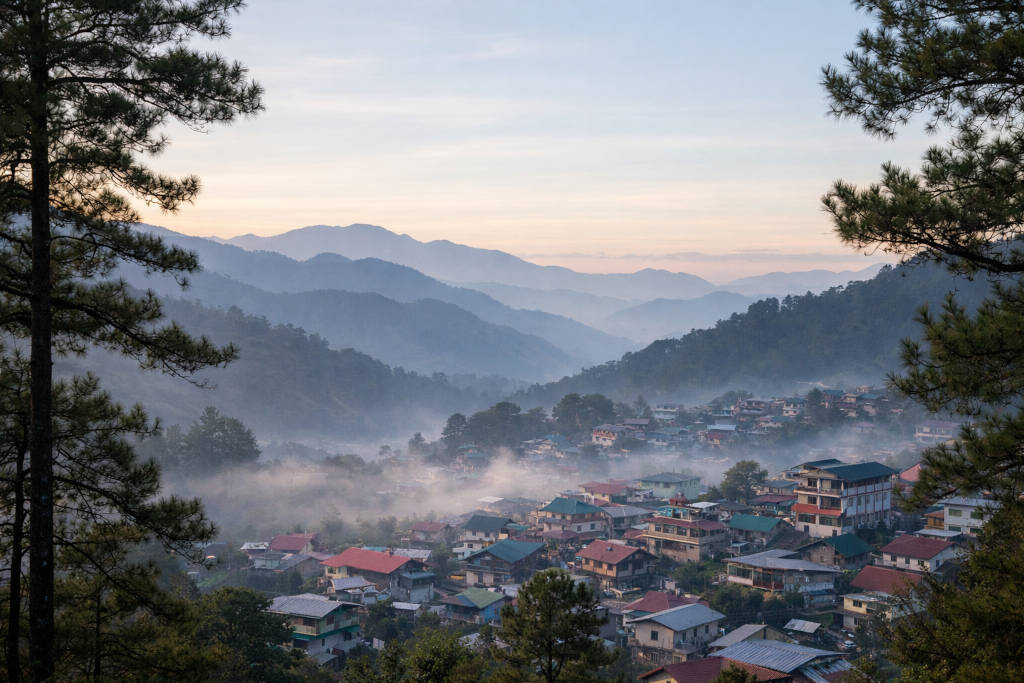
A good Sagada travel guide should help you decide not just what to see, but whether the trip fits your energy, budget, and time. Sagada rewards travelers who like cool air, pine-scented mornings, cave and trail days, and a slower rhythm after long road hours. This Sagada travel guide is built for first-timers who want a broad, honest planning hub: where to stay in Sagada, which activities match different travel styles, how to get to Sagada without turning the journey into a test of endurance, and how many days actually feel relaxed.
Think of Sagada less as a checklist town and more as a mountain base for simple pleasures: soup on a cold afternoon, coffee after a walk, fog lifting from the hills, and one meaningful activity each day. With the right pacing, this guide becomes more useful than a big list of attractions because it helps you protect your mood, your knees, and your buffer time. For broader route ideas beyond the mountains, you can also browse the Bakasyon Travel Guides hub and this Philippines first-trip planning guide before locking in your route.
Quick Decision Summary: Who Sagada Suits
This guide starts with the real decision: is this your kind of trip? The best time window for many travelers is the drier stretch from roughly November to April, with December to February feeling coolest but also busier. Realistic travel time is long enough that Sagada works best when it is not squeezed into a blink-and-you-miss-it weekend. Budget-wise, many travelers land somewhere between budget and mid-range rather than ultra-cheap or luxury. Crowd risk rises on long weekends and school breaks. If rain or thick fog disrupts plans, your backup is not “do everything anyway” but “slow down, eat well, and switch to low-key town time.”
Reality Check: A guide to Sagada only works if it is honest about effort. The town is charming, but getting there takes commitment, and many days include uphill walks, early starts, or both.
Best for quiet mountain trips, cool weather, and walking days
Sagada suits travelers who enjoy mountain towns more than resort convenience. If you like cool mornings, pine trees, simple cafés, heritage sites, and activity days built around walking, this is where the trip starts to make sense. Couples who prefer quiet over nightlife, friends who want a nature-and-food mix, and solo travelers who enjoy a slower pace often do well here. This guide is especially helpful for people who do not need nonstop entertainment and are happy with one anchor plan a day.
Less ideal for beach-focused trips, tight weekends, or travelers who hate long road journeys
If your dream trip means sand, swimming, and easy transfers, Sagada may feel like the wrong mood entirely. It is also less ideal for travelers who get carsick easily, hate winding roads, or only have a very tight weekend. Families with tiny kids, seniors with limited mobility, or travelers recovering from burnout may still enjoy it, but only if the plan is deliberately softened. The biggest green flag is simple: you are willing to trade convenience for atmosphere.
Before You Book: The Big Planning Realities
A first-timer guide should solve the practical friction before the romantic mountain mood takes over. That means thinking about time, weather, crowds, and your personal comfort threshold before you book the room that looks cutest online.
Reality Check: The most common first-timer mistake is planning Sagada like a flat, easy town. It is beautiful, but mountain logistics always ask for more patience than the photos suggest.
Time and road fatigue
Road fatigue is not a side note in Sagada planning. It is one of the main characters. Even when the route goes smoothly, the long trip can leave you too tired to enjoy a packed arrival day. That is why this guide recommends giving your first day a gentle shape: arrive, register, eat, walk lightly, then sleep early. A low-stress trip usually means at least three days total, with four to five feeling much kinder if you want room for weather, recovery, and actual enjoyment.
Weather and rainy-season disruptions
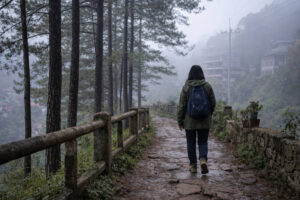
Sagada weather is part of the charm and part of the gamble. Cool mornings can feel lovely, but mist, rain, and slippery trails can reshape your plans fast. During wetter periods, trails can turn muddy, views can disappear behind cloud, and transport can feel slower than expected. For broad seasonal context, read the Philippines weather planning guide, then use the PAGASA climate and weather context page for a wider sense of how Philippine weather patterns behave.
Crowds, long weekends, and early starts
Even a calm destination has crowd spikes. Long weekends, peak cool-season dates, and holiday stretches can make room choices tighter and the most popular activities feel less serene. Early starts matter here, not because every plan must be hardcore, but because mountain light, shared tours, and site logistics often work better before the day gets busier. A guide that ignores crowd timing can make a peaceful place feel more stressful than it needs to be.
Cash, signal, and comfort expectations
Cash still matters. Signal quality can vary. Hot water, heating, room size, and soundproofing can vary too, especially in simpler stays. Bring layers, not just for photos, but because damp cold feels different when you are tired from the road. For current tourist registration details, advisories, and local updates, check the Sagada Tourism official site. For wider trip readiness, this Philippines travel safety guide is a useful companion.
Where to Stay in Sagada
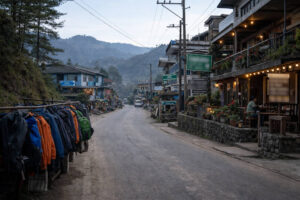 Where to stay in Sagada changes the whole tone of your trip. A good guide should not treat every inn and homestay as interchangeable, because your location affects how much you walk, how quiet your nights feel, and how easy it is to pivot when weather shifts.
Reality Check: In Sagada, “near enough” can still feel far after a long day. A small distance on the map may feel bigger when roads slope, rain starts, or you are carrying bags.
Best area for central convenience near town proper
If you want the easiest first trip, staying near town proper is usually the least stressful choice. You will have simpler access to cafés, basic shops, some eateries, and orientation points that make the first twenty-four hours feel easier. This works well for travelers who want to walk out for breakfast, keep evenings simple, and avoid unnecessary transfers. For beginners, central convenience is often worth more than the prettiest distant view.
Best area for quieter stays with views and slower mornings
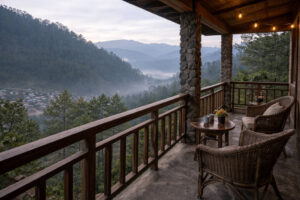 If your dream Sagada stay means pine-covered slopes, valley views, and gentler mornings, a slightly quieter hillside setting can be a lovely fit. These stays often feel more restful and scenic, especially for couples or travelers who want the mountain mood to begin right outside the room. The tradeoff is practical: you may need more walking, more coordination, or more patience at night and in bad weather.
Best area for budget-minded stays with simple access
Budget-minded travelers can still have a comfortable trip in Sagada, but it helps to be honest about what matters most. If your priority is keeping room costs manageable, look for simple stays with straightforward access rather than chasing the cheapest option in a location that adds friction later. Low room cost only counts as savings if it does not create transport costs, extra uphill walks, or daily hassle.
Budget versus comfort tradeoffs when choosing an inn or homestay
The best area to stay in Sagada depends on your trip style. Budget stays can save money, but comfort-first rooms may reduce stress through better bedding, quieter surroundings, easier access, stronger hot showers, or a more reliable place to recover after a trek. For a short stay, comfort often matters more than travelers expect. For a longer stay, location and rhythm matter just as much. This guide should help you choose the stay that protects your energy, not just your wallet.
What to Do in Sagada by Travel Style
The best things to do in Sagada depend less on what is “famous” and more on how you like to travel. A useful first-timer guide should separate nature, culture, food, and effort level so you can build days that match your actual mood.
Reality Check: Not every activity belongs in the same trip. Sagada feels better when you choose a few good-fit experiences rather than trying to prove something to your itinerary.
Nature and views
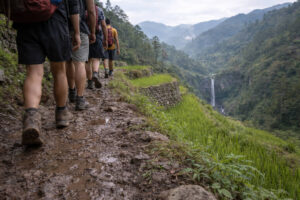 If you came for mountain air and landscapes, Sagada delivers through viewpoints, valleys, rice terrace scenery, and waterfall or trail days that feel grounded rather than flashy. Nature lovers often enjoy sunrise or morning-view plans, slow walks around green areas, and one bigger outdoor activity with enough rest around it. A low-stress first-timer guide should remind you that weather affects the mood of these places. Sometimes fog erases the grand view, but the pine scent, the cold air, and the hush of the mountains still carry the day.
Culture and heritage
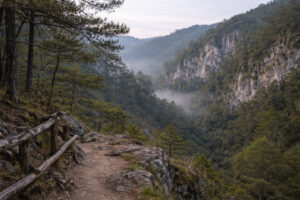 Sagada’s heritage is one of the reasons it feels so distinct from a generic highland stop. Echo Valley and the Hanging Coffins are not just photo subjects but part of a living cultural landscape that asks for respectful pacing and tone. This guide should frame heritage visits as learning moments, not thrill stops. If cultural context matters to you more than adrenaline, this part of the trip may become your most memorable one.
Food, coffee, and low-key stops
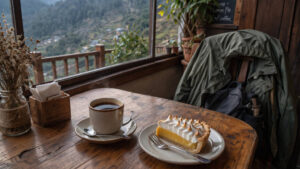
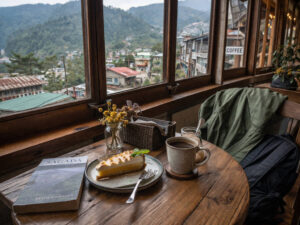 Some of the nicest hours in Sagada are not the dramatic ones. They happen over warm soup, coffee after the rain, fresh bread, or a slice of lemon pie in a chilly café. Food-focused travelers do well here when they treat meals and café time as part of the itinerary rather than filler between activities. This is also the gentlest backup plan when weather turns or energy dips. A plan that leaves room for these pauses usually leads to a happier trip.
Soft adventure versus harder activities
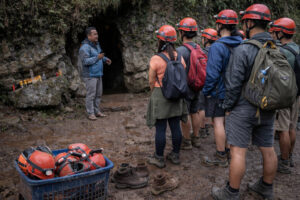 Sagada has a wide effort range. Soft adventure can mean easy-to-moderate walking, scenic stops, heritage areas, and gentle outdoor time without pushing your limits. Harder activities, especially cave experiences or more demanding trail days, ask for proper footwear, confidence on uneven terrain, and respect for guide instructions. If you are curious but not fully sure, choose one harder activity at most and build recovery around it. That is usually enough for a first trip.
If you were hoping for beaches, what to swap your expectations to instead
This Sagada travel guide is honest about a common mismatch: some travelers book Sagada hoping for the emotional ease of a beach break. Swap that expectation to mountain stillness, layered clothing, walking days, and cozy indoor moments. Instead of sunset swims, think foggy mornings. Instead of island-hopping, think cave prep, viewpoints, and a late breakfast after a cold night. Once that expectation shifts, Sagada starts making sense on its own terms.
Sample 3D2N Sagada Itinerary with Buffer Time
A short first-timer guide should still show realistic pacing. For a Sagada 3D2N itinerary, the secret is not clever sequencing. It is restraint.
Reality Check: Three days can work, but only if you accept that you are sampling Sagada, not conquering it.
Arrival-day pacing
On arrival day, keep the plan light. Check in, handle tourist registration if needed, have a proper meal, and spend the rest of the day on a soft walk or a café stop near your base. If the road drained you, protect the evening. The best version of a 3D2N stay starts with recovery, not urgency.
One anchor activity per day
On your full day, choose one anchor activity: a heritage walk, a cave experience, or a nature-focused outing. Add one low-key meal stop and one flexible pocket for weather or rest. On your departure day, keep only a simple final look around town, breakfast, or a short stop if your route allows. A first-timer guide should always favor one strong memory per day over four rushed ones.
What to skip if the weather turns
If rain or fog arrives, drop exposed or slippery plans first. Swap them for a slower breakfast, café time, local food stops, or easy-town wandering if conditions allow. The goal is not to “salvage every minute” but to keep the trip pleasant. That mindset is what makes a short Sagada plan realistic instead of stressful.
Sample 5D4N Sagada Itinerary with Buffer Time
A longer stay in Sagada usually feels kinder for travelers who want the town to feel gentle instead of demanding. A Sagada 5D4N itinerary gives you room for road recovery, weather movement, and the small pleasures people remember most.
Reality Check: Extra days are not wasted days in Sagada. They are what turns a tiring mountain transfer into a trip with actual breathing room.
A slower version with rest space
Day 1 is for arrival and settling in. Day 2 can hold one meaningful outdoor or heritage activity. Day 3 is ideal for either your second anchor plan or a deliberate rest day with food and café time. Day 4 can carry another activity only if energy and weather cooperate. Day 5 stays light for departure. This is the version of the trip that suits travelers who want to enjoy the town rather than recover from it after every outing.
Optional add-ons if energy and weather allow
If conditions are kind and your body feels good, you can add a second scenic stop, a low-key countryside view, or more food-focused time. If you prefer even softer pacing, read this guide to free and low-key rest-day ideas in Sagada and this realistic 7-day Sagada itinerary with buffers. They help extend the trip without making it feel overdesigned.
Sagada Travel Guide: Getting There and Getting Around
How to get to Sagada matters because the journey shapes your mood before the town even has a chance to. A practical guide should explain the rhythm without drowning you in transport trivia.
Reality Check: The hard part is rarely understanding the route on paper. It is the accumulated friction of long hours, transfers, winding roads, and timing decisions when you are already tired.
Manila and common route options
Most first-timers think about Sagada from Manila, but some reach it as part of a wider North Luzon route. However you approach it, the low-stress rule is the same: do not stack too many demanding transfers back to back. If you need a wider grounding on buses and transfers before you commit, this Philippines public transport basics guide helps frame the big picture. If you are pairing mountain stops, this Sagada and Banaue combo journey guide can help you judge whether the route fits your energy.
Arrival rhythm and where the friction happens
The friction usually happens in the gaps: waiting, adjusting to weather, managing bags, feeling hungry at the wrong time, or arriving with less energy than planned. That is why this guide keeps returning to the same advice: protect arrival day, book a stay that reduces walking stress, and avoid pretending you will be fresh enough for a hard activity right away.
Walking, local rides, and guided site logistics
Once in Sagada, some days are best handled on foot, some with short local rides, and some through guide-led logistics depending on the site. You do not need to master every detail in advance, but you do need to accept that movement takes coordination. For the deeper transport breakdown that this article intentionally avoids duplicating, read how to get around Sagada.
Why this is not a place to overpack your schedule
Any good guide should warn you here: overpacking the schedule makes the town feel harsher than it really is. Distances, terrain, weather, and simple human fatigue all add up. One solid plan per day is usually enough, especially if you want room for coffee, lunch, a nap, or the very Filipino joy of lingering where the view feels good and the air feels cold.
Budget vs Comfort Tradeoffs
Any honest first-timer guide has to talk about money in terms of tradeoffs, not fantasy budgets. Sagada can be done on a leaner plan, but comfort choices often buy back energy, time, and peace of mind.
Reality Check: The cheapest choice is not always the most affordable once you factor in fatigue, extra rides, or a room that does not let you rest well.
Where saving money is easy
Saving money is usually easiest with simple local meals, shared transport or shared activity costs when available, and a modest room that still has decent access. You can also save by keeping activity count realistic. A first-timer guide should remind you that fewer paid activities can still feel like a richer trip if the pacing is right.
Where paying more may reduce stress
Paying more often helps most with room comfort, quieter surroundings, better location, or easier transfers. These do not sound glamorous on paper, but they matter deeply after a long road trip or a cold rainy afternoon. Spending a bit more for the right base can improve the entire stay more than adding one extra activity.
Sample daily spend logic without pretending one budget fits everyone
 As a rough planning frame, many travelers end up around a mid-budget daily rhythm once they combine a room, meals, local movement, and one paid activity or guide cost shared across the day. Budget-first travelers can aim lower by keeping the stay simple and the activity list selective. Comfort-first travelers can expect to spend more on private rooms, more frequent café stops, easier logistics, and extra buffer choices. Use this guide to build ranges, not promises, because prices move and travel style changes everything.
Common Pitfalls and Low-Stress Tips
The best Sagada travel guide is often the one that helps you avoid preventable mistakes. Most first-timer problems come from optimism without buffer time.
Reality Check: Sagada rewards humility. When travelers respect the roads, the weather, and their own limits, the trip usually feels far better.
Overplanning too many treks
Do not stack multiple demanding activities just because they look close together on a map. Your legs, sleep, and appetite will notice. Choose one priority a day and let the rest breathe.
Underestimating mountain road fatigue
Even experienced travelers can arrive more drained than expected. Keep snacks, water, layers, and medicine you personally trust for the road. Then let the first evening stay simple.
Forgetting weather buffers and cash needs
Build financial and schedule buffer into the plan. Bring enough cash for the kind of trip you actually want, not the most optimistic version of it. Keep rain-friendly clothing and proper footwear close, not buried at the bottom of your bag.
Choosing the wrong area to stay for your trip style
If you want convenience, book for convenience. If you want silence and views, accept the added friction. This guide can give suggestions, but your best choice always depends on whether you care more about access, scenery, savings, or recovery.
Useful Internal Reads for Next-Step Planning
 A final planning guide should leave you with the next best clicks, not just more pressure. Use these as follow-ups once your dates, energy, and route are clearer.
Reality Check: No planning article can remove every unknown in a mountain trip. What it can do is help you make calmer choices.
Itinerary follow-up
For travelers who already know they want more breathing room, the 7-day realistic Sagada itinerary with buffers is the natural next read.
Transport follow-up
If your main question now is movement inside town and how to keep daily logistics manageable, start with this practical guide on getting around Sagada. If you are still comparing mountain travel with other routes in the country, the bigger-picture planning pieces above will help.
Rest-day and combo-trip follow-up
For softer pacing, save the free and low-key rest-day guide. For travelers mapping a wider Cordillera route, the Sagada and Banaue mountain journey guide is worth a read. In the end, the best Sagada travel guide is the one that leaves enough room for cold mornings, unhurried meals, and the quiet feeling that you did not rush a place built for slower days.