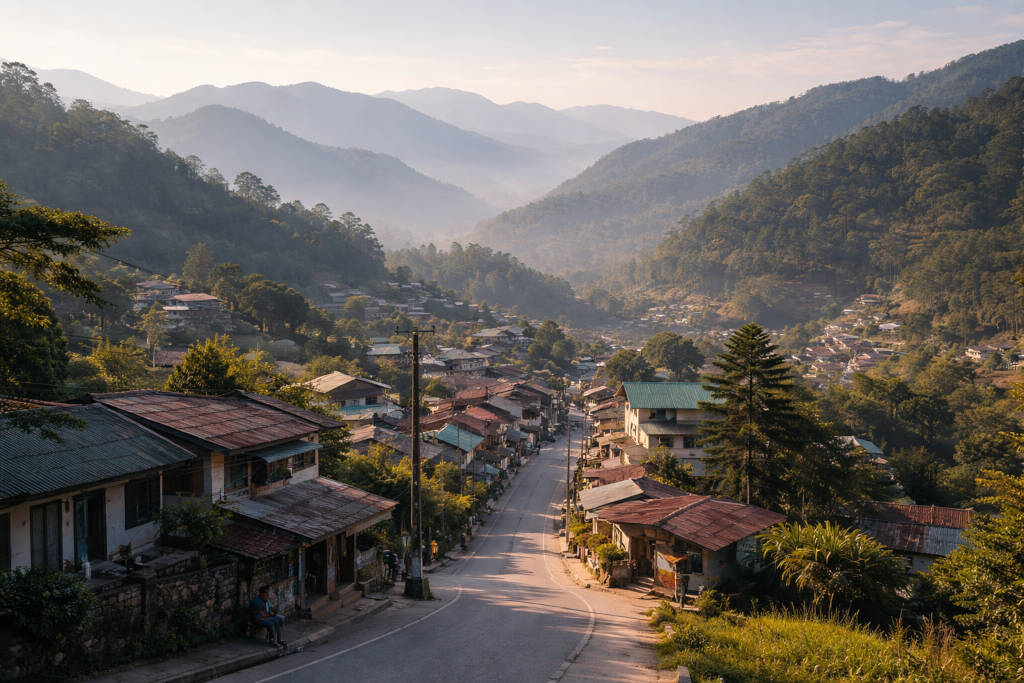
Planning a week in Sagada works best when the schedule is built around the realities of mountain travel: overnight buses, winding roads, early arrivals, rain that changes trail conditions, and tours that run on guide availability. This Sagada itinerary 7 days keeps things practical and flexible so you can still see the classics (Echo Valley and the Hanging Coffins, caves, hills, and a waterfall) without forcing tight timings that usually fall apart in the Cordillera.
If you want more planning-friendly routes like this Sagada itinerary 7 days, browse more travel guides and mix-and-match based on your pace and season.
At-a-Glance
- Best time window: Typically drier months are easier for caves, viewpoints, and waterfall trails; wet months can still work but expect more swaps and cancellations.
- Realistic travel time: Long land travel from Metro Manila or nearby hubs; most routes include mountain roads that can slow you down.
- Budget band (7 days): Roughly PHP 9,000–45,000+ per person depending on lodging style, tours (joiner vs private), and transport comfort (verify current rates).
- Crowd/traffic risk: Weekends, long weekends, and holiday periods fill rooms and guide slots faster; expect busier Echo Valley trail windows.
- Rain/heat backup: Keep one buffer day flexible; shift viewpoint hikes to the clearest morning and keep craft stops and town time for rainy blocks.
Quick overview: what a realistic Sagada itinerary 7 days looks like (including travel-fatigue reality)
Sagada is a small mountain town in Mountain Province known for its limestone landscapes, cool weather, and guided outdoor sites. For basic context on location and geography, a quick skim of Sagada’s destination overview can help you visualize where it sits in Northern Luzon.
A realistic week usually means:
- Day 1 is light because many travelers arrive after an overnight trip with sleep debt and motion fatigue.
- Big-energy activities are spaced out (for example: a cave day separate from a long waterfall trek day).
- One buffer day is non-negotiable so you can swap plans when it rains, when a trail is temporarily unsafe, or when you simply need a slow reset.
- Grouping by “clusters” saves time: do town-core walks and Echo Valley together, and schedule farther jump-off points (Marlboro Hills/Blue Soil, Bomod-ok Falls) on separate days.
Reality check: Even if the map looks close, road conditions and trail time can stretch plans. In this Sagada itinerary 7 days, the difference between “possible” and “pleasant” is usually your buffer and your morning starts.
Before you go: quick checklist (weather, fitness, shoes, cash, signal)
Use this as a simple pre-departure list for a Sagada itinerary 7 days. For broader first-timer essentials (IDs, booking rhythm, packing logic), this Philippines travel planning guide is a helpful baseline. For season planning, keep this Philippines weather and best months to travel open while you build your dates.
Weather and comfort
- Bring layers: Evenings can feel cold, and mornings can be damp.
- Pack rain protection: A light rain jacket beats an umbrella on trails.
- Waterproof your day bag: Dry bags or zip pouches help for phones and wallets.
Reality check: Fog and light rain can be “normal” even in drier months. Viewpoints are best treated as “try if clear,” not “guaranteed.”
 Fitness and footwear
- Grip matters: Choose trail shoes or sturdy sneakers with traction; avoid smooth soles.
- Knees and ankles: Bomod-ok Falls and some village paths have uneven steps and muddy sections after rain.
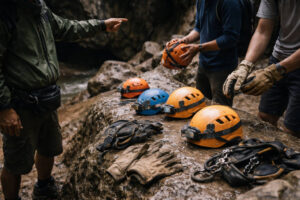
- Caves: If you plan Sumaguing Cave, expect slippery rock, water, and scrambling; confidence with uneven terrain helps.
Cash, signal, and power
- Cash-first habits: Many small businesses prefer cash; carry enough for guides, transport, and meals.
- ATM reliability: ATMs can be inconsistent in small towns—don’t rely on a last-minute withdrawal.
- Signal varies: Expect weak pockets; download offline maps and save screenshots of confirmations.
- Power backup: Bring a power bank, especially for long travel days and tour days.
Reality check: If you’re coordinating with guides or drivers, weak signal can delay replies—finalize key meet-up points the night before.
Getting to Sagada: options and friction (and how that changes Day 1)
Sagada is reached by land travel, often via a combination of buses and local rides. Many travelers start from Metro Manila terminals (Cubao is a common reference point for some routes), but exact departures and arrivals change—always check the latest with operators and local announcements before travel. If you want a refresher on how bus routes, terminals, and on-the-ground transfers typically work, this public transport guide in the Philippines is a good primer.
Common route patterns (verify the latest)
- Overnight bus + transfer: Many plans involve an overnight ride to a regional hub, then a morning transfer toward Mountain Province.
- Daytime travel: Longer in “clock time” but easier on the body if you’re prone to motion sickness.
- Private van/car hire: More control over stops and pacing, but higher cost and still subject to road conditions.
Friction to plan around
- Winding roads: Motion sickness is common; consider meds, ginger candy, or a lighter meal before mountain stretches.
- Early arrival = sleep debt: If you arrive before standard check-in, you’ll need a plan (early check-in request, a rest-friendly café, or a light morning activity).
- Limited daily trips: Some connections have fewer runs; missing one can reshape your day.
- Rain effects: Heavy rain can slow travel and make some trails unsafe later.
Reality check: Day 1 often feels longer than expected. A light Day 1 is not wasted—it protects the rest of your week.
Prebook vs decide-on-the-day (simple decision list)
Sagada works best when you lock in only what’s truly limited, then keep the rest flexible. For official planning essentials like tourist registration and accredited guides, use the Sagada Tourism Office website as your first reference and verify the latest rules before your trip.
Prebook: what’s safest to secure ahead
- Accommodation (especially weekends/holidays): Limited room inventory means popular weekends can sell out quickly. If you want a private room or comfort features (heater, better soundproofing), reserve early.
- Transport seats during peak dates: Long weekends, holidays, and festival periods can tighten seat availability. Book once your dates are fixed.
- Must-do tours with limited guide capacity: If your trip is short on flexibility (e.g., fixed departure day), it helps to reserve key guided activities ahead, especially caves and long treks.
- Early check-in (if arriving early): If possible, message your lodging to ask about early check-in or baggage storage so Day 1 stays calm.
Reality check: Walk-in and decide later can work on quieter weekdays, but it becomes stressful on peak weekends when rooms and guides fill up.
Decide on the day: what can stay flexible
- Viewpoint hikes (Marlboro Hills/Blue Soil): Best decided after checking cloud cover and rain. Clear mornings are the goal.
- Short town and culture stops: Pottery, weaving, cafés, and museum time can fill rainy blocks or rest blocks.
- Easy walks: Echo Valley trail windows can be adjusted to avoid crowds or heat.
- Meal choices: Keep one quick, simple option for heavy-activity days so you don’t lose time waiting for food.
The 7-day itinerary (Day 1 to Day 7)
This Sagada itinerary 7 days route is arranged to protect your energy early, then stack outdoor highlights with breathing room. If you’re traveling as a group, consider keeping guided days either all joiner-style (budget-friendly) or all private (smoother pacing). Mixing can work, but it’s harder to time transfers when you switch styles every day.
Reality check: In Sagada, “morning” activities often start earlier than you’d expect if you want clearer skies and fewer crowds—especially for hills and viewpoints.
 Day 1 — Morning block: Arrival + settle, keep it light
- Arrive, drop bags (or request early check-in if available).
- Complete tourist registration and ask the tourism office about current trail/cave conditions, guide availability, and any temporary closures.
- Do a short, flat town walk to reset your body after the road.
Day 1 — Afternoon block: Easy culture time + early night
- Choose one low-effort activity: pottery/weaving visit, a small museum stop, or a relaxed café break.
- Buy simple trail essentials (snacks, water, rain poncho if needed).
- Sleep early to recover from overnight travel.
Day 1 — Notes (difficulty, weather sensitivity, plan B)
Difficulty: Easy. Weather sensitivity: Low. Plan B: If you arrive very early and feel okay, add a short sunset viewpoint near town—only if it doesn’t steal sleep.
Reality check: If the bus ride left you dizzy or nauseous, don’t push through a hike. Use Day 1 to stabilize—your legs will thank you later.
Day 2 — Morning block: Sumaguing Cave (guided)
- Do a guided cave experience (commonly Sumaguing Cave) with proper gear and an accredited guide.
- Wear quick-dry clothes and secure phones in waterproof protection.
- Bring a small towel and a change of shirt for comfort after the cave.
Day 2 — Afternoon block: Recovery + town-core stops
- Lunch and a long rest block.
- Optional: a short, flat visit to a church, viewpoint near town, or a small museum—keep it gentle.
- Confirm your next guided days (waterfall trek and/or hills) based on weather.
Day 2 — Notes (difficulty, weather sensitivity, plan B)
Difficulty: Moderate to challenging depending on the cave route.
Weather sensitivity: Medium to high—heavy rain can change water levels and safety.
Plan B: If caves are unsafe or closed, switch to town-core culture activities and move the cave to the buffer day.
Reality check: Caves can feel tougher than expected because you’re using hands and balance on wet rock. If anyone in your group is unsure, choose a gentler cave option if available or shorten the route.
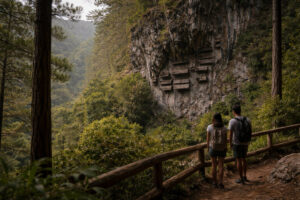
 Day 3 — Morning block: Echo Valley walk + Hanging Coffins (respectful viewing)
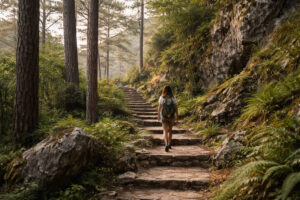
- Do the Echo Valley trail at a calm pace.
- View the Hanging Coffins from respectful distances and follow local guidance and signage.
- Keep voices low in sensitive areas; treat it as a cultural site, not just a photo stop.
Day 3 — Afternoon block: Light add-on (choose based on energy)
- Option A: easy viewpoint near town or a short nature walk.
- Option B: pottery/weaving activity if you skipped it on Day 1.
- Option C: rest block if the cave day still lingers in your body.
Day 3 — Notes (difficulty, weather sensitivity, plan B)
Difficulty: Easy to moderate (mostly walking). Weather sensitivity: Medium—mud can slow you down but it’s usually manageable with good shoes. Plan B: If trails are too muddy, do town-core stops and move Echo Valley to the clearest half-day later.
Reality check: Echo Valley is popular. If you prefer quieter paths, aim for earlier walking windows and keep your afternoon free.
Day 4 — Morning block: Buffer decision block (weather + body check)
- If the sky looks clear: Do a viewpoint morning (often Marlboro Hills and/or Blue Soil) with a guide/transport arrangement as required.
- If it’s rainy or foggy: Save hills for another morning and switch to indoor-friendly plans (crafts, slow cafés, museum time).
- If your legs feel heavy: Make this a rest morning with laundry, a long breakfast, and a short town stroll only.
Day 4 — Afternoon block: Fill based on what you chose
- If you did hills in the morning: keep afternoon light—nap, snack run, and early dinner.
- If you rested in the morning: add an easy walk or a short cultural visit in the afternoon.
- If weather is unstable: confirm the Bomod-ok Falls trek conditions for Day 5 (or swap with Day 6 if needed).
Day 4 — Notes (difficulty, weather sensitivity, plan B)
Difficulty: Flexible (easy to challenging). Weather sensitivity: High for hills/viewpoints. Plan B: Treat this as your swap day: it absorbs cancellations without breaking the whole week.
Reality check: A buffer day can feel empty on paper, but it’s what keeps the rest of the itinerary from turning into a tiring checklist.
Day 5 — Morning block: Bomod-ok Falls trek (guided, early start)
- Start earlier for cooler weather and safer trail conditions.
- Expect a longer walk with uneven steps and village paths; bring water and simple snacks.
- Wear shoes that handle mud; bring a dry bag for phones and wallets.
Day 5 — Afternoon block: Return + full recovery block
- Return to town, clean up, and eat a proper meal.
- Keep the rest of the afternoon unplanned: naps, light stretching, and an early night.
Day 5 — Notes (difficulty, weather sensitivity, plan B)
Difficulty: Moderate to challenging (longer trek). Weather sensitivity: High—trails can be slippery; falls conditions can change. Plan B: If heavy rain makes the trek unsafe, swap this with your culture day (Day 6) and try the trek on the clearest day available—or skip if conditions remain risky.
Reality check: Bomod-ok is often the most physically demanding day. Don’t stack a late-night café crawl right after—protect your recovery.
Day 6 — Morning block: Easy village/town walk + craft time
- Choose an easy walk option (short trails, village paths, or town-core roaming).
- Schedule a pottery or weaving activity as a low-impact cultural anchor.
- Shop for small, easy-to-pack pasalubong (keep breakables protected).
Day 6 — Afternoon block: Optional add-on based on what you missed
- If hills were foggy earlier: attempt Marlboro Hills/Blue Soil again only if the morning forecast improves the next day (or if your departure timing allows a dawn run).
- If the cave was moved: do the guided cave today if conditions are safe.
- If you’re fully spent: keep it simple—coffee, journaling/planning, and an early dinner.
Day 6 — Notes (difficulty, weather sensitivity, plan B)
Difficulty: Easy to moderate. Weather sensitivity: Low to medium depending on your add-on. Plan B: This day is designed to absorb whatever you didn’t get earlier without forcing a full reset.
Reality check: Many travelers underestimate how much energy the cold + walking + stairs can take. A gentler Day 6 often makes Day 7 travel smoother.
Day 7 — Morning block: Pack, last town loop, confirm departure
- Pack early and keep rain protection accessible for the travel out.
- Do one last short loop for coffee and breakfast.
- Buy last-minute snacks for the road and confirm your departure details (always check the latest).
Day 7 — Afternoon block: Departure (plan for delays)
- Leave with buffer time—road conditions can change.
- If you’re connecting to another bus/ride, keep transfer time generous.
Day 7 — Notes (difficulty, weather sensitivity, plan B)
Difficulty: Easy. Weather sensitivity: Medium—rain can slow roads. Plan B: If your departure is very early, shift the last-town loop to the night before and keep Day 7 purely functional.
Reality check: The trip out can feel longer than expected when you’re tired. Keep snacks, water, and motion-sickness support ready.
Buffer options (clear menu: rain plan, rest plan, crowd plan)
The simplest way to keep your week calm is to treat one day (or half-day) as movable. In this plan, Day 4 is the built-in buffer, but you can also use a half-day swap on Day 6 if needed.
Rain plan: what to swap when trails or caves become unsafe
- Swap out: Marlboro Hills/Blue Soil, Bomod-ok Falls, and any long exposed trails.
- Swap in: pottery/weaving activities, cafés, museum time, slow town walks, and planning sessions with the tourism office.
- Decision rule: If rain is steady in the morning or if guides advise against a trail, treat it as a no-go and move the outdoor plan to the next clearer morning.
Reality check: In mountain towns, light rain can still mean slippery rock and low visibility—safety advice should override sunk costs.
Rest plan: what to do when the road + cold air catches up
- Swap out: caves (if you feel low energy), long treks, stacked walking days.
- Swap in: a late breakfast, laundry, massage/rest (if available), and a short flat walk only.
- Decision rule: If your group is moving slowly by midday or getting headaches from lack of sleep, turn the next morning into a rest block.
 Crowd plan: how to avoid peak congestion without missing highlights
- Echo Valley/Hanging Coffins: Go earlier or later in the day; avoid the busiest midday window when possible.
- Viewpoints: Prioritize the clearest morning rather than forcing a specific date.
- Decision rule: If you arrive and see heavy crowding, switch to a town-core stop first, then return when the trail is quieter.
Reality check: Crowds don’t just affect photos—they affect pace. A slower trail can push your next activity into rain hours.
Budget and comfort guide (budget/mid/comfort tiers)
Costs vary by season, group size, and whether you choose joiner tours or private arrangements. The ranges below are meant for planning, not as fixed prices—verify current rates with operators and the tourism office before you commit. For bigger-picture context on how these numbers fit into longer trips, see sample Philippines travel budgets.
Budget tier (approx. PHP 9,000–14,000 per person for 7 days)
- Stay: basic guesthouse or dorm-style rooms, fan room or simple amenities.
- Tours: mostly joiner tours; fewer extras.
- Transport: public transport and shared rides; more waiting time and transfers.
- Meals: carinderia-style and simple cafés.
- Usually includes: lodging + typical meals + shared tours/guide fees (varies). Usually excludes: shopping, comfort upgrades, private transfers.
Reality check: Budget plans work best when you’re flexible with timing—joiner tours and transfers can mean waiting.
Mid tier (approx. PHP 15,000–25,000 per person for 7 days)
- Stay: private room in a well-reviewed inn/guesthouse; better sleep and privacy.
- Tours: mix of joiner and semi-private arrangements depending on your group.
- Transport: a more comfortable route selection, plus occasional tricycle/jeep/shuttle for jump-off points.
- Meals: a mix of cafés and sit-down restaurants with a few treat meals.
- Usually includes: improved lodging + more reliable tour choices.
- Usually excludes: full private van hire, high-end stays.
Comfort tier (approx. PHP 26,000–45,000+ per person for 7 days)
- Stay: best-available rooms for warmth, quiet, and convenience (where available).
- Tours: private guide arrangements for smoother pacing and fewer compromises.
- Transport: private transfers for portions of the route (or private van from a hub), minimizing waiting and transfer stress.
- Meals: more sit-down meals, plus better flexibility for early breakfasts on tour days.
- Usually includes: time savings and comfort.
- Usually excludes: major shopping, special arrangements beyond typical tours.
Cash note: Regardless of tier, plan to carry enough cash for several days of guides, transport, and meals. Treat ATM access as a bonus, not your main plan.
Reality check: Comfort in Sagada often means better pacing, not luxury. The biggest upgrade is usually control over timing.
Common mistakes and safety notes (roads, rain/landslide risk, caves/waterfalls conditions, guide rules)
Mistakes that quietly ruin a week
- Overloading Day 1: An early arrival can tempt you to maximize, but fatigue compounds. Keep Day 1 light.
- No buffer day: Without a swap day, one rainy morning can domino into missed highlights.
- Stacking hard days back-to-back: Caves + long treks on consecutive days often leads to sore legs and a rushed experience.
- Underpacking for cold/rain: Being wet and cold drains energy fast, even if the hike itself is easy.
Reality check: The best itineraries are the ones you can actually follow when weather and road conditions are imperfect.
Road and weather safety
- Expect delays: Mountain roads are slower, and rain can reduce visibility.
- Motion sickness planning: Sit where you feel most stable, keep water handy, and avoid heavy meals before winding segments.
- Landslide risk awareness: In prolonged rain, follow local advisories and don’t insist on pushing through unsafe conditions.
Caves, waterfalls, and guide rules
- Go with accredited guides: Caves and major treks are not DIY experiences; follow local rules and safety procedures.
- Don’t chase best photos at the expense of footing: Slippery rock and water flow can change quickly.
- Respect cultural sites: Echo Valley and the Hanging Coffins are significant—keep noise low and follow posted guidance.
Reality check: If guides recommend cancelling or changing a route, treat that as part of responsible travel—not a failure of planning.
Sagada Itinerary 7 Days FAQ
Is tourist registration required in Sagada?
Registration rules can change, but Sagada commonly requires some form of tourist registration and uses accredited guides for specific sites. Check the latest requirements and where to register through the official tourism channels before arrival, and confirm again when you reach town.
Do you need a guide for Echo Valley, Hanging Coffins, caves, and Bomod-ok Falls?
Many key sites operate with guide requirements or strongly recommended guides for safety and local management. Caves and longer treks especially should be done with accredited guides. For Echo Valley and the Hanging Coffins, local rules may still apply—follow the current process advised by the tourism office.
What’s the best time of year to follow a sagada itinerary 7 days?
Weeks with more stable weather make it easier to complete caves, hills, and waterfalls without constant swaps. That said, Sagada can be foggy even in drier months, and rainy periods can still be enjoyable if you keep a buffer day and plan indoor-friendly blocks.
Can this itinerary work without a private car?
Yes. Sagada town is walkable for many basics, but jump-off points for hills and some treks typically require shuttles/jeeps or arranged rides. Grouping activities by area reduces back-and-forth and helps you rely less on last-minute transport.
How many days do you actually need in Sagada?
Many travelers try 2–3 days, but a full week feels calmer: you can space out caves, viewpoints, and waterfalls, and still have rest time. A Sagada itinerary 7 days is ideal if you want buffers for weather, avoid rushing, and keep at least one flexible day.
What should be booked ahead for weekends and holidays?
Secure accommodation first, then transport seats, then priority guided activities (especially if your departure day is fixed). Weekends can be tight for rooms and guide availability, so prebooking reduces stress.
Is Sagada suitable for kids or seniors?
It depends on the activities chosen. Town walks and some viewpoints can be gentle, but caves and long treks can be physically demanding and slippery. Build the week around easier blocks, choose safer guided options, and keep the buffer day fully open.
What are the simplest “video-friendly” topics to help planning?
Two helpful formats are: (1) a short “how to get to Sagada” explainer focused on public transport transfers and real-world friction (early arrivals, limited trips), and (2) a “Sagada tours overview” that clarifies which activities need accredited guides and how weather affects caves and waterfalls.
With the right pacing, Sagada feels less like a checklist and more like a breathable mountain week. Keep your buffer day protected, decide hills based on the clearest morning, and treat guide advice as part of the plan—not an obstacle.