 The first time I embarked on Sagada and Banaue travel, the mountains felt like gentle giants watching from a distance. The air was crisp enough to sting my cheeks, yet comforting in a way only highland mornings can be. As the road curled upward into the Cordillera, I felt myself shedding the noise of city life, preparing to meet landscapes shaped by time, ritual, and quiet resilience. Each curve in the road whispered stories, and every stop invited a deeper breath along this classic Northern Luzon route that links Baguio, Ilocos, and beyond.
Arriving in the Heart of the Mountain Province
What surprised me most about traveling this route was how the silence holds you the moment you step off the bus. In Sagada, mist hangs low over pine forests, carrying the faint scent of sap and earth. Walking through the small town, I watched elders greet the day with soft conversation, their footsteps unhurried. This slow pace is part of what makes this highland journey feel different from a quick city break in places like Manila — here, the reward is stillness rather than rush.
 As I followed winding trails around town, I realized Sagada and Banaue travel is not just about seeing sights; it is about learning to move at a pace that honors the land. The soundscape shifts depending on where you stand: pine needles crunch softly underfoot, roosters call from distant yards, and the wind murmurs through ridges that have witnessed lifetimes. This mountain rhythm becomes the heartbeat of the whole journey, steady and grounding.
The Soft Rhythms of Mountain Life
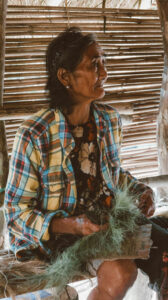
Visiting local weaving houses deepened my sense of connection. Threads dyed with natural pigments stretched across looms, creating patterns rooted in ancestry. Watching artisans work in near silence, I felt humbled by how tradition is preserved stitch by stitch, color by color. It reminded me that trips like this are also about supporting small communities, much like choosing family-run inns or homestays highlighted in guides to other Luzon escapes such as the best beach resorts on Luzon Island.
Banaue’s Terraces and Highland Horizons
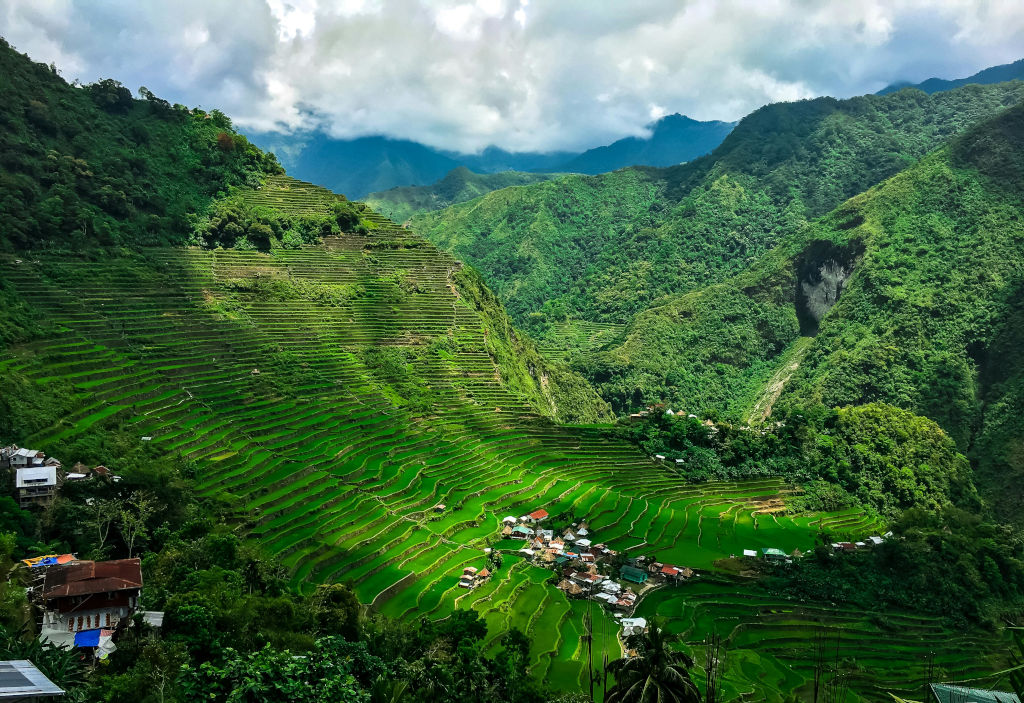
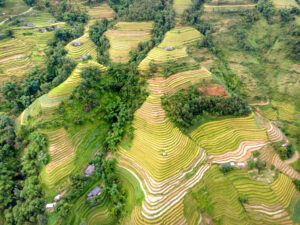 Arriving in Banaue is like stepping into a painting brushed by centuries. The sagada and banaue rice terraces rise in cascading layers, each one carved by hand, each one holding the weight of history. For many travelers, Sagada and Banaue travel reaches its emotional peak here, where the land and its people stand as one. The terraces, recognized globally for their heritage, remind visitors that beauty can be both functional and sacred.
One morning, I joined a guide who walked with a quiet, measured grace. He talked about the rituals performed before planting and how the people depend on the seasons with a deep sense of stewardship. His stories reshaped my understanding of Sagada and Banaue travel — that each step across the terraces is a step across living culture. Respect is not optional; it is essential, just as it is when exploring other fragile coastlines and coves in places like El Nido or the coves featured in Zambales hidden gems.
Walking the Terraces With Respect
 We passed through narrow stone paths, sidestepping flowing irrigation channels that glimmered in the sun. Water — cool and clear — trickled from mountain springs, feeding the rice below. In moments like these, the route between Sagada and Banaue feels like a lesson in interconnectedness; everything, from the smallest seedling to the tallest ridge, plays a part in sustaining the community.
Learning From Local Guides
Guides who grew up along this mountain corridor often share stories that never make it into brochures. They point out where grandparents once planted the first seedlings of the season, or where a certain bend in the terrace wall marks a family boundary. Listening to them turns the trail into a living classroom and makes the journey as meaningful as any island-hopping day described in a Palawan travel guide.
Spiritual Echoes in Caves and Villages
Sagada is known for its caves and sacred traditions, and stepping inside Sumaguing Cave felt like entering another world. The rock walls shimmered with droplets, and every sound — every drip, every breath — echoed softly into darkness. Spaces like these are reminders that Sagada and Banaue travel is never just sightseeing; it is entering a place where spirituality is woven into landscape, ancestry, and memory.
The Stories Carried by the Mountains
 During my trip, I read through materials about the Cordillera Administrative Region, learning from resources like the Cordillera Administrative Region page to gain deeper context. These readings enriched my Sagada and Banaue travel journey, helping me appreciate the complexity of the region’s identity — its strength, its history, its careful preservation of indigenous lifeways.
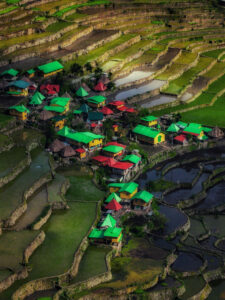
In villages near Banaue, I saw wooden houses standing on stilts, granaries decorated with carved figures, and elders sharing stories with youthful listeners as the sun dipped behind the hills. Scenes like these affirm how Sagada and Banaue travel invites quiet contemplation. You don’t just observe culture; you witness its continuity, much like revisiting familiar streets described in guides to cities such as Manila or other Luzon destinations.
Meals, Markets, and Quiet Evenings
The mountain air sharpens your appetite, making every meal taste like comfort. Hearty etag soup warmed my hands after a chilly trek, while fresh tinawon rice — grown in the terraces — added earthy sweetness to each bite. Food becomes memory in Sagada and Banaue travel, connecting visitors to the land not just visually but physically.
Sharing Tables, Sharing Stories
In Sagada, I spent an evening in a small café where travelers traded stories over locally brewed coffee. Hearing their experiences reminded me that this kind of mountain journey shapes each person differently. Some seek adventure, others seek healing, and many simply seek quiet. The conversations felt similar in spirit to the reflections shared in Bakasyon.ph’s budget travel Philippines stories, where meaningful journeys rarely depend on luxury.
Coffee, Cold Nights, and Conversation
As the temperature dropped, we wrapped our hands around warm mugs and watched the fog roll gently between the pines. It was in these small moments that Sagada and Banaue travel felt most intimate — not in the big views, but in the way strangers became companions. I thought of other nights like this in different corners of Luzon and Visayas, from quiet lodge verandas in Bohol’s hills to seaside cafés mentioned in the Davao travel guide, and realized how food and conversation are often the truest souvenirs.
Practical Tips for Sagada and Banaue Travel
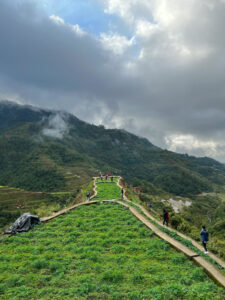 One thing I always tell friends planning Sagada and Banaue travel is that a little preparation keeps the trip relaxed. Some prefer to build their own itinerary, while others choose organized options such as dn sagada tour packages or other sagada tour packages with banaue that bundle transport, guides, and select meals. Package trips can be helpful if you want to see key spots — including viewpoints of the famous rice terraces around Banaue and nearby villages and sunrise stops — without worrying about logistics.
How long is the trip from Sagada to Banaue Rice Terraces?
The land journey between Sagada and Banaue usually takes about three to four hours, depending on road conditions and weather. Many travelers include it as part of a longer loop through North Luzon, pairing it with coastal detours like those described in Zambales hidden gems or relaxed stays mentioned in the Ilocos travel guide. If you see offers for a whirlwind sagada banaue rice terraces day itinerary, remember that the roads are winding; it is technically possible but often tiring.
How many days should you stay in Sagada?
To really feel Sagada and Banaue travel instead of rushing through it, I recommend at least two full days in Sagada and another one or two in Banaue. That gives you time for caves, terraces, and slow walks through town — plus space for weather changes, which are common in the highlands.
What is the best month to visit Sagada?
Many travelers favor the cooler, drier months from November to February, when mountain views are clearer and walking feels more comfortable. Holy Week and major holidays draw crowds, so traveling just before or after peak dates keeps your time in Sagada and Banaue calmer and more reflective.
Is it worth going to Banaue?
Absolutely. Standing at a viewpoint and seeing the terraces spread out like green amphitheaters is unforgettable. Whether you arrive independently or through Sagada and Banaue travel packages, Banaue’s landscapes and communities leave a lasting impression — the kind that stays with you long after you’ve returned to the lowlands.