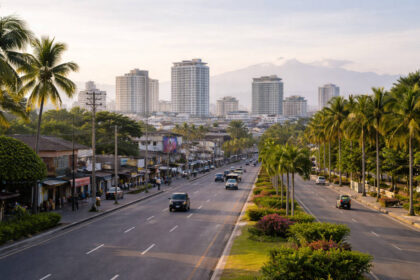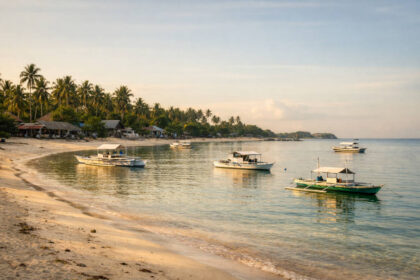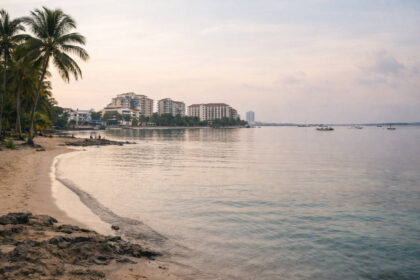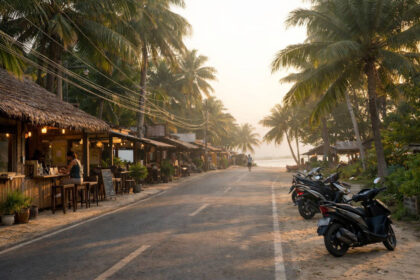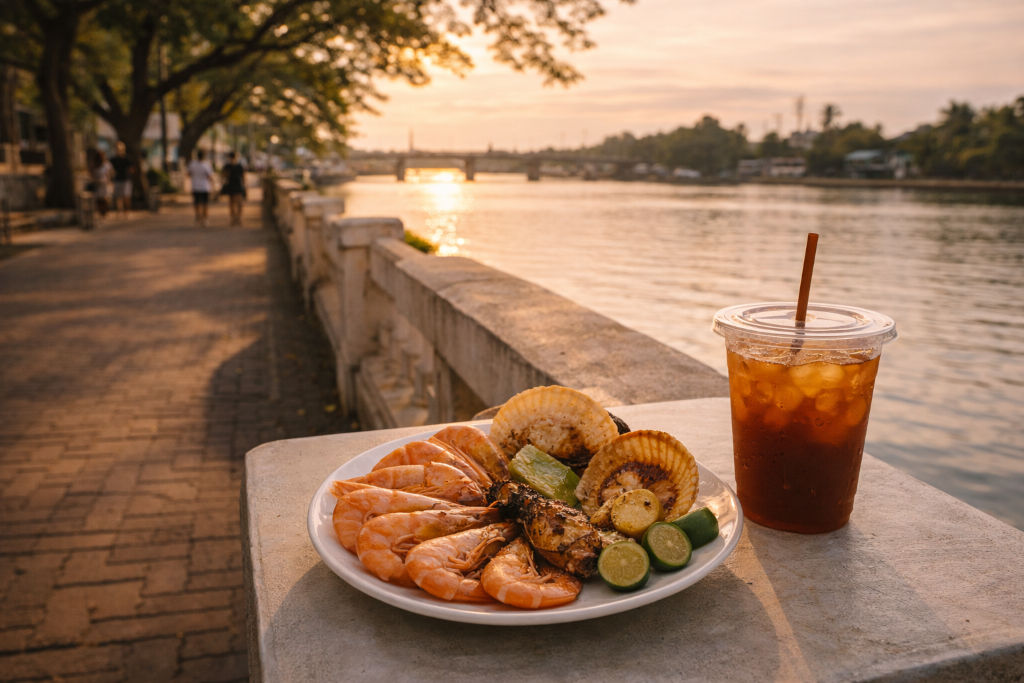
Roxas City feels like a deep exhale. It’s not a sprint-from-landmark-to-landmark kind of trip. It’s a food-forward weekend that rewards slow pacing: early seafood market mornings while the air is cool, a shaded riverside break when the sun gets sharp, and Baybay Beach at sunset when the breeze arrives.
This guide is a calm, practical plan for real Roxas City travel: where to eat, how to do paluto without stress, when to walk the riverside, what to expect at Lipunan Market, and how to keep the weekend feeling sulit without feeling pagod.
Roxas City Travel Quick Plan (Low-Stress Version)
- Best for: seafood lovers, slow weekends, heat-sensitive travelers who like shade breaks.
- Ideal length: 2D1N (tight but doable) or 3D2N (most comfortable).
- Core loop: Lipunan Market morning → paluto lunch → riverside rest → Baybay sunset dinner.
- Biggest friction points: midday heat, over-ordering seafood, late market timing.
- Comfort rule: main walking before 9am and after 4pm.
Why Roxas City: Seafood Plus Slow-City Calm
The pitch in one line
Come to Roxas City for the seafood capital energy—fresh catch, paluto comfort, diwal (angel wing clams)—then stay for the gentle river breeze and Baybay Beach sunsets that make your body unclench.
What makes it different from bigger food cities
Roxas isn’t trying to overwhelm you with choices. The city feels smaller, calmer, and more “liveable,” which is exactly why it works as a weekend reset. You can eat incredibly well without constantly fighting crowds, and you can build a trip around simple pleasures: market mornings, merienda breaks, a slow promenade walk, and seafood dinners that don’t need a dress code.
Must-answer: Why is Roxas City called the Seafood Capital of the Philippines?
Roxas City, in Capiz on Panay Island, is widely known as the Seafood Capital because of its strong seafood industry and abundant fresh catch flowing through local markets, restaurants, and coastal communities. The city’s identity is tied to seafood—how it’s sold, cooked, and celebrated as everyday life, not just a tourist experience.
Roxas City at a Glance: Who It’s For and What Kind of Trip It Is
Who will love this city
If your ideal trip is food-forward and unhurried—early mornings, long lunches, breezy afternoons, and sunset dinners—Roxas City will feel like it was made for you. It’s also friendly for travelers who want a “gentle itinerary”: not too many transfers, not too many decisions, and enough quiet pockets to rest.
What this trip is (and isn’t)
This is a seafood trip with a side of riverside calm. It’s not a party destination, and it’s not a high-adrenaline adventure base. The best Roxas City travel guide mindset is: go for flavor and ease, not for “how many places can I cram.”
The relaxed city life rhythm
Plan your days around comfort: mornings for markets and walking, midday for shade and slow meals, late afternoon for river strolls, then Baybay Beach at sunset for that breezy, seafood-night feeling.
Best Time to Visit: Weather, Weekends vs Weekdays, and Market Energy
Dry-season comfort and the joy of early mornings
Roxas City can get hot—Panay heat that feels like it sticks to your skin—so the “best time” is often less about the month and more about the clock. If you can do mornings early and afternoons slow, you’ll enjoy the city in almost any season.
Weekdays vs weekends
Weekends can feel livelier at Baybay Beach and in popular seafood spots. Weekdays are calmer and easier if you want quieter walks and less waiting. For a truly relaxed Roxas City itinerary, arrive on a Friday afternoon, do markets Saturday morning, then keep Sunday gentle.
When markets feel most alive
Markets are best early—when vendors are fully set up, seafood looks freshest, and you’re not battling heat. Plan your market run before breakfast if you can, then reward yourself with a slow meal right after.
Must-answer: What are the best times of day for market, river stroll, and Baybay sunset?
Market: early morning (as early as you can manage). River stroll: late afternoon when the sun softens and shade feels generous. Baybay Beach: arrive before sunset for a short walk, then stay for dinner as the breeze settles in.
Getting to Roxas City and Getting Around: Walkability, Tricycles, Comfort Notes
Getting to Roxas City: set realistic expectations
Roxas City is on Panay Island, so your route depends on where you’re coming from—flight connections, ferries, and land travel all factor in. The key is to plan arrival so you still have energy to enjoy your first night. If you land midday and immediately chase activities, you’ll feel it in your mood. If your route includes sea travel, this guide can help you think through ferry planning: Philippines ferry travel guide and RORO routes.
Walkable zones vs tricycle reality
Parts of Roxas can feel walkable in short bursts, especially for quick food runs or river-area strolls. But in the heat, walking long distances becomes less “exercise” and more “why am I doing this.” Tricycles are your friend—budget-friendly, convenient, and very much part of daily life.
Comfort tips that matter more than you think
Bring water everywhere. Plan shade-first. Build “sit down” moments into your day (coffee, halo-halo, merienda). If you’re sensitive to heat, schedule your main walking time before 9 a.m. and after 4 p.m. That’s how Roxas City travel stays chill instead of punishing.
Seafood Capital Essentials: What to Eat, What Diwal Is, and How to Do Paluto Without Stress
Start with the must-try: diwal (angel wing clam)
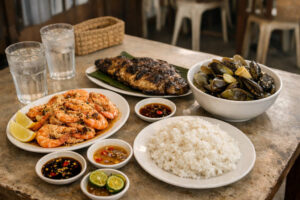 Díwal—often called angel wing clams—is one of the local seafood stars people associate with Capiz. It’s delicate, slightly sweet, and feels special because you don’t see it everywhere. If you spot it fresh, that’s your sign to try it.
Other seafood to look for
Beyond diwal, keep your eyes open for whatever is freshest that day: prawns, crabs, squid, scallops, fish that looks bright-eyed and firm. The best “Roxas City seafood capital” move is to let freshness decide your order, not a rigid list.
Paluto basics (the stress-free version)
Paluto means you buy seafood and have it cooked for you—usually with a cooking fee depending on preparation. It can feel overwhelming if you’ve never done it, so here’s the calm method:
- Step 1: Decide your budget first (so you don’t over-order).
- Step 2: Choose 2–3 items only (one shellfish, one fish or squid, one crab/shrimp if you want).
- Step 3: Pick 2 cooking styles max (garlic butter + grilled is a safe combo).
- Step 4: Add rice and one vegetable dish if available—balance helps.
Seafood tummy safety (without paranoia)
Stick to busy stalls with high turnover. Eat seafood cooked properly and served hot. If you have a sensitive stomach, go easy on raw or barely-cooked options and avoid overindulging in one sitting. A seafood trip should feel joyful, not like a personal dare.
Must-answer: What’s the best way to do a Roxas City seafood trip (market, paluto, Baybay)?
Follow the city’s natural rhythm: do a seafood market morning (browse, buy, snack), enjoy paluto for lunch when you’re still fresh and hungry, then slow down through the afternoon by the river. Save Baybay Beach for sunset—walk first, then do a breezy seafood dinner at night.
Seafood Markets and Fish-Port Energy: Doing Lipunan Well
 Where to go: Lipunan Market / Teodoro Arcenas Trade Center
The main seafood hub visitors often look for is Lipunan Market, also referred to as the Teodoro Arcenas Trade Center. Locals may use either name, so it helps to mention both when asking a tricycle driver.
Must-answer: Where is Lipunan Market (Teodoro Arcenas Trade Center) and what should I buy?
Lipunan Market (Teodoro Arcenas Trade Center) is a central seafood trading area in Roxas City. The simplest way to get there is by tricycle; just say “Lipunan” or “Arcenas Trade Center.” What to buy depends on the day’s catch, but look for: diwal if available, fresh prawns or crabs, and a fish you can have grilled or sinigang-style. If you’re shopping for pasalubong, dried goods and sealed snacks travel better than anything that needs ice.
Timing: when to arrive and how long to stay
Arrive early while the selection is best and the air is still cool. Give yourself 45–90 minutes: enough time to browse without rushing, but not so long that you get overwhelmed by choice and noise.
What to buy for pasalubong (practical edition)
If you’re flying out or traveling long hours, choose items that won’t stress you: dried fish (properly packed), local snacks, and market treats that can handle heat. Bring a tote bag and small bills. If you’re unsure, ask vendors what travels well—many will be happy to recommend the “safe” options. If you love market mornings as a travel ritual, this is a good companion read: Filipino market mornings travel guide. And if you enjoyed a market-to-plate style trip elsewhere, you might also like: Iloilo fresh flavors market to plate guide.
River Areas and Riverside Calm: Panay River, Shade-First Walks, Quiet Pockets
The Panay River vibe
 After the sensory buzz of the market, the river area feels like relief. The air shifts. The pace slows. You start noticing small things again: leaves moving in the breeze, families taking their time, the sound of water and distant traffic blending into something almost soothing.
Paseo del Rio and the Riverside Promenade feel
Locals often refer to river-area promenades and parks as places to walk, sit, and breathe. Whether you call it Paseo del Rio or simply the riverside promenade, treat it as your afternoon reset: light walking, plenty of sitting, and a no-rush mindset.
Shade-first schedule (because heat is real)
Plan your river stroll late afternoon. If you go at noon, you’ll spend more time squinting than enjoying. Bring water, wear breathable clothes, and choose a route with benches or cafés nearby so you can pause whenever you want.
Quiet pockets to look for
Your best “quiet pockets” in Roxas City are often simple: a bench under trees, a small café off the main road, a calm corner where you can watch the river and let your thoughts settle. This is the underrated magic of Roxas City travel—it gives you space to be human between meals.
Baybay Beach the Roxas Way: Sunset, Breezy Dinners, and What to Expect
 Arrive before sunset, not after
Baybay Beach isn’t just a dinner destination. The ritual matters: arrive while there’s still light, walk along the shore, feel the breeze start to pick up, and let the day soften. This is where Roxas City becomes quietly romantic—even if you’re traveling solo.
What Baybay feels like at night
As the sky shifts into orange and violet, you’ll see tables filling up, families ordering seafood, and that unmistakable seaside appetite that appears when you’ve spent a day moving slowly. It’s casual, friendly, and very “come as you are.”
Budget-friendly seafood night tips
To keep it chill and affordable: order 2–3 dishes only, add rice, and share if you’re with friends. Ask what’s fresh and what’s good value that day. Don’t over-order just because everything sounds delicious—seafood is best enjoyed with space to actually taste it.
Must-answer: What’s the best time for Baybay sunset dinner?
Go late afternoon for the walk and stay into early evening for dinner. The breeze is part of the experience, and it’s also when the mood feels most relaxed.
Relaxed City Life Itinerary Templates
These Roxas City itinerary templates are built around comfort and appetite. The goal is to feel satisfied, not stuffed—well-fed, not worn out.
2D1N: “Seafood + River Calm + Baybay Sunset”
Day 1 (Afternoon arrival): Check in, light merienda, then head to the river area for a gentle stroll. Rest. Sunset: Baybay Beach walk + seafood dinner. Early night. Day 2: Early market morning at Lipunan/Teodoro Arcenas Trade Center. Paluto lunch (or a seafood-heavy meal), then depart after a calm coffee break. If you’re traveling out mid-afternoon, don’t squeeze in one more far stop—keep it easy.
3D2N: “Slow Food Trip + One Heritage Stop + Extra Rest Time”
Day 1: Arrival + river calm + Baybay dinner. Day 2: Market morning, paluto lunch, then a heritage or city-center stop (keep it light—think one museum/church area or a short cultural walk). Mid-afternoon rest (nap window or café). Sunset: Baybay again or a quieter dinner in town. Day 3: Sleep in, slow breakfast, one final snack run, then travel out.
Day Trip: “If You Only Have One Day”
Start early with the seafood market, then do one paluto meal before noon. Escape the heat with a river-area promenade break mid-afternoon. End at Baybay Beach for sunset and an early dinner, then travel onward. It’s a full day, but still gentle if you respect the shade-first schedule.
Must-answer: How many days do I need for a relaxed Roxas City trip?
For a weekend, 2D1N works if you arrive early enough on Day 1. For a truly relaxed pace—with extra rest time and one heritage stop—3D2N is ideal.
Where to Stay: Quiet, Walkable, Easy Food Access (and Honest Trade-offs)
What to prioritize for a calm trip
Choose lodging based on how you want to feel: quiet at night, easy access to food, and minimal transport stress. Being “in the middle of everything” can also mean more noise, so balance convenience with rest.
Best base areas (general guidance)
If you want easy access to city food spots and river walks, stay within or near the city center. If you want to be closer to Baybay Beach evenings, choose a place that makes that commute short and simple. Either way, prioritize reliable comfort: clean rooms, good ventilation or aircon, and safe late-night access.
Must-answer: Where should I stay for a quiet, easy trip?
Stay in a quieter pocket near the city center for balanced access—easy tricycle rides to Lipunan Market, the river area, and Baybay Beach—while still having nearby food options. If you’re sensitive to noise, pick lodging set slightly back from main roads and ask for a room away from street-facing sides. If you’re extending your Panay Island trip, you might browse nearby inspiration here: Iloilo destinations category.
Budget Guide: Daily Ranges, Where Costs Go, and How to Keep It Chill
Budget range (per day, relaxed but simple)
Budget Roxas City travel works well if you keep transport simple (tricycles, short rides), eat local for most meals, and do one seafood splurge instead of three. Your biggest spend will likely be seafood—especially crabs and prawns—so choose a few “special” items and keep the rest comfort-simple.
Midrange range (per day, comfort-forward)
Midrange usually means better aircon comfort, a more convenient location, and fewer “heat stress” moments because you can rest well. You’ll spend more on seafood dinners and occasional café breaks, but your trip will feel smoother.
Where costs usually go (and how to avoid surprise spending)
- Seafood ordering: easy to over-order when everything looks good.
- Paluto fees: cooking fees add to the seafood total.
- Tricycle convenience: small rides add up—still worth it for comfort.
To keep it chill: decide a seafood budget per day, order fewer dishes but higher quality, and plan merienda breaks so you don’t impulse-order while starving.
Practical Tips and Mistakes to Avoid: Heat Plan, Rain Plan, Market Timing, Cash, and Over-Ordering
Mistake: doing the market too late
If you arrive late morning, you’ll miss the best selection and you’ll feel the heat. Go early, even if it means a nap later. Roxas City travel is kinder when you match the city’s natural rhythm.
Mistake: over-ordering seafood (because everything is tempting)
Seafood feasts look fun, but too much can ruin your next day—both budget-wise and tummy-wise. Order 2–3 seafood items, pick 1–2 cooking styles, and leave space for dessert or halo-halo instead of forcing one more dish.
Heat plan: schedule shade like an activity
Midday is for slow meals, café time, or hotel rest. Your river stroll belongs late afternoon. Your Baybay Beach moment belongs near sunset. This is the simplest “comfort formula” for things to do in Roxas City without burning out.
Rain plan: keep it flexible
If rain rolls in, pivot to indoor food stops, a longer lunch, or a market-focused day. You can still have a satisfying trip even if the sunset is shy. Bring a small umbrella and waterproof slippers or quick-dry shoes.
Cash and ATMs
Carry cash and small bills for markets, tricycles, and small eateries. Don’t assume every place accepts cards. This one habit keeps your weekend smooth.
Seafood safety basics
Choose busy stalls, eat seafood freshly cooked and hot, and hydrate. If you have allergies or sensitivities, communicate clearly and keep it simple with grilled options.
Quick FAQ: Roxas City Travel Basics
Why is Roxas City called the Seafood Capital of the Philippines?
Roxas City earned the “Seafood Capital” reputation because seafood is central to daily life in Capiz: abundant fresh catch, an active fish-port market culture, and an easy pipeline from sea to paluto to dinner spots. For many travelers, that’s the whole point of Roxas City travel: you’re not chasing one “special” seafood meal, you’re stepping into a place where seafood is the default.
What’s the best way to do a Roxas City seafood trip (market, paluto, Baybay)?
Follow the city’s natural rhythm: start with an early Lipunan market run, do paluto for lunch while you’re hungry and fresh, then slow down in the afternoon (river-area walk or café), and finish with Baybay Beach at sunset followed by dinner. That market-lunch-sunset loop is the simplest plan for relaxed Roxas City travel.
Where is Lipunan Market (Teodoro Arcenas Trade Center) and what should I buy there?
Lipunan Market, also called the Teodoro Arcenas Trade Center, is the main seafood trading hub visitors look for. The easiest way to get there is by tricycle, and it helps to mention both names. What to buy depends on the day’s catch, but good “safe picks” are: diwal when available, prawns or crabs, and one fish you can have grilled or cooked sinigang-style. If you want pasalubong, choose dried or sealed items that travel well.
What are the best times of day for the market, river stroll, and Baybay sunset?
Market: early morning (the earlier, the cooler and fresher). River stroll: late afternoon when the heat softens. Baybay Beach: arrive before sunset for a walk, then stay for dinner once the breeze settles in. Timing is the biggest “comfort hack” in Roxas City travel.
What can I do along the Panay River or riverside areas for a calm day?
Keep it simple: do a shade-first riverside walk, find a bench or a quiet café nearby, and treat the river area as an “afternoon reset” rather than a big activity. The best river moments are slow: people-watching, a short stroll, and sitting long enough for your nervous system to downshift.
How many days do I need for a relaxed Roxas City trip?
2D1N works if you arrive early enough on Day 1 and you’re focused on the essentials (market + Baybay). 3D2N is ideal if you want true breathing room, a second Baybay evening, and a slower pace overall. Most people find Roxas City travel feels “right” once you have at least one slow morning.
What are the best things to do in Roxas City if I don’t want a packed itinerary?
Pick just a few anchors and go deeper: a market morning, one paluto meal, a riverside afternoon, and a Baybay sunset dinner. Add only one extra “nice-to-have” (a café hop, a short heritage stop, or a second market visit). The goal of Roxas City travel is satisfaction, not volume.
Where should I stay if I want walkable, quiet, and easy food access?
Choose a quieter pocket near the city center so you’re a quick tricycle ride from Lipunan, the river area, and Baybay. Prioritize rest and practicality: reliable aircon/ventilation, a clean bathroom, and a location that feels safe at night. For calm Roxas City travel, good sleep matters as much as good seafood.
What’s a realistic budget for a weekend in Roxas City?
Your budget is mostly driven by seafood choices and how often you use tricycles. You can keep it affordable by doing one “main” seafood splurge (crabs/prawns) and keeping other meals simple. Add a small transport buffer for convenience rides and market runs. Roxas City travel is generally budget-friendly, but seafood can climb fast if you order with your eyes instead of your plan.
What are common hassles (heat, rain, transport, timing) and how do I plan around them?
Heat: schedule walking early and late; rest midday. Rain: keep a Plan B (long lunch, indoor food stops, café time). Transport: assume tricycles, and avoid stacking far-apart stops. Timing: don’t push the market late or the Baybay walk after dark. A calm trip is mostly good pacing and buffers, which is exactly what keeps Roxas City travel enjoyable.
Where can I check official city and province info while planning?
For general references, you can look at the city and province sites: Roxas City official site and Capiz tourism. Use them for context, then rely on on-the-ground timing (early market, late river walk, sunset Baybay) for your actual weekend flow. That’s the practical way to plan Roxas City travel.
What’s the simplest “sulit but calm” weekend plan?
One market morning, one paluto meal, one river-area afternoon, one Baybay sunset dinner, then repeat what you loved and skip what you didn’t. That’s the Roxas City travel guide approach that feels both satisfying and gentle.
Roxas City is best when you let it be what it is: a place where seafood is daily life, where the river gives you shade and space, and where the sunset at Baybay feels like a soft closing song. Come hungry, come patient, and come willing to slow down. You’ll leave full—not just in the tiyan, but in the kind of calm you can carry home.