
Romblon travel tips are mostly about one thing: planning for islands, not just a destination. Romblon Province is made up of multiple islands with different ports, ferry routes, and travel rhythms. If you treat it like a single town where everything is “one tricycle away,” you’ll lose time—often on the exact days you hoped to spend at the beach. If this is your first visit, keep your plan calm: pick one main base, build buffers around sea conditions, and protect your energy during hot hours. For a helpful planning mindset (especially if this is your first multi-stop trip in the Philippines), start with this Philippines travel planning guide for first trips.
The big picture: Romblon Province is multiple islands and that’s why first trips get messy
Romblon Island vs Tablas Island vs Sibuyan Island in plain language
Think of Romblon Province as three main “trip styles,” each attached to an island:
- Romblon Island: A compact base feel. Good if you want short local trips, small-town pacing, and easier day structure once you arrive.
- Tablas Island: Bigger landmass, longer drives, and more “road day” potential. Good for people who like exploring by land and can handle longer transfers.
- Sibuyan Island: More nature-forward planning and fewer “quick fixes” if weather changes. Good for hikers and travelers who are okay with longer travel days and more schedule flexibility.
Reality Check: Even if two places look close on a map, the real question is “Which port do we need, and what’s the next boat schedule?” That’s where first trips usually wobble.
The one rule that prevents most mistakes: pick one main base and build around it
Most first-time problems come from trying to move bases too often. A simple rule: choose one main island base for most nights, then do day trips that return you to the same bed. That single decision reduces missed boats, heavy luggage transfers, and rushed mornings. If you do switch islands, treat it as a travel day (not a tour day) and protect it with buffers.
Top 10 first-visit mistakes in Romblon and how to avoid them
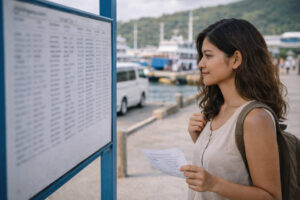 These Romblon travel tips focus on what actually goes wrong on first visits—then give you a calmer alternative.
1) Trying to cover Romblon Island, Tablas Island, and Sibuyan Island in one short trip
What goes wrong: Your trip becomes mostly transfers. You spend energy on ports, check-ins, and waiting—then feel like you “barely saw” each place.
What to do instead: Pick one main base for at least 3 nights. If you have 5–6 nights, consider a second island only if you can add minimum nights (see the switching guidance below).
2) Treating ferry travel as fixed-time like a city bus schedule
What goes wrong: You plan tight connections, then get stuck with delays, cancellations, or changed boarding times due to sea conditions.
What to do instead: Treat boat days as “floating schedule” days. Plan one anchor task only (check-in, a short walk, an early meal), and keep everything else optional.
3) Choosing accommodations without checking the port you’ll actually use
What goes wrong: You book a stay that looks central, but it’s far from the port you need—adding surprise tricycle rides, extra fees, and stressful mornings.
What to do instead: Before booking, write down: (1) arrival port, (2) departure port, (3) next-day tour jump-off. Choose lodging that reduces your next morning friction, not just the nicest photo.
4) Overplanning day tours on arrival day and departure day
What goes wrong: Late arrival = missed tours. Early departure = rushed breakfast and unfinished packing. Your “must-do” list collapses.
What to do instead: On arrival day, plan only one low-effort activity near your lodging. On departure day, plan zero major activities—just a calm checkout and early port arrival.
5) Not building a buffer day for sea conditions
What goes wrong: One canceled boat or rough-sea morning forces you to drop your best activity (usually island hopping).
What to do instead: Add one buffer day if your trip is 4+ days, especially if boats are central to your plan. Use the buffer for “retry day” or rest day.
6) Assuming you can pay by card everywhere or that ATMs are always available
What goes wrong: You run out of cash mid-island, then spend hours hunting for an ATM or settling payments with stress.
What to do instead: Carry enough cash for transport + meals + basic fees for at least 1–2 days beyond your plan. Split cash into small bundles so you can pay tricycles and small shops easily.
7) Arriving without offline maps, saved bookings, and key contact numbers
What goes wrong: You lose signal and can’t find your lodging, can’t show booking proof, or can’t contact a boat operator.
What to do instead: Download offline maps for Romblon Island, Tablas Island, and Sibuyan Island areas you’ll use. Save bookings as screenshots and keep key numbers in Notes (not just in chat apps).
8) Planning long outdoor stops at midday in hot months without rest windows
What goes wrong: Heat fatigue hits early. The group slows down, gets irritable, or needs to return to the room—so the rest of the day disappears.
What to do instead: Start outdoor activities early, then schedule shaded “do nothing” time between late morning and mid-afternoon. Hydration and sun protection are part of your itinerary, not optional extras.
9) Forgetting that island hopping depends on sea conditions and group availability
What goes wrong: You expect a boat to leave whenever you want, but the trip depends on weather, minimum passengers, and timing.
What to do instead: Ask about tomorrow’s sea conditions and the best departure window as soon as you arrive. If your trip depends on a boat, schedule it earlier in your stay, not on the last day.
10) Packing heavy luggage that’s hard for tricycles, small boats, and wet transfers
What goes wrong: Transfers become physically stressful and slow. Bags get wet. You pay extra for handling or feel stuck moving awkwardly through ports.
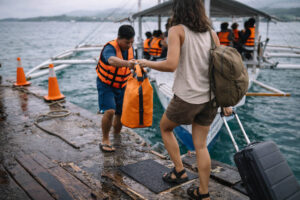 What to do instead: Pack light and use a dry bag or waterproof cover for essentials. Choose luggage you can lift yourself in narrow spaces. For a practical checklist, use this Philippines packing list by trip type as a base and adjust for boat transfers.
Reality Check: In Romblon, comfort comes from fewer transfers and lighter bags—not from squeezing in one more island.
Avoid wasted time: routing and base choice that makes or breaks the trip
Routing is the heart of Romblon travel tips. Once your base is clear, everything else becomes simpler: which tours are realistic, what time to start, and how much cash you need.
Choose your base by priority and transport reality (not by “most famous photo”)
Use this decision guide to pick your main base:
- If your priority is quick beach time and short transfers: Choose a base that minimizes boat switching and keeps you close to easy swim time. For many first-timers, Romblon Island can feel simpler once you arrive because it’s more compact day-to-day. If you choose Tablas Island, commit to fewer long drives and pick a stay that matches your beach plan.
- If your priority is hiking nature and you can handle longer travel days: Sibuyan Island is the nature-forward choice, but you need flexibility. Expect earlier starts, more weather dependence, and fewer “backup attractions” if seas shift.
- If your priority is island hopping day trips: Choose the base that gives the most reliable access to the boat trips you actually want. Ask locally which departures run most consistently for your dates, then anchor your lodging near that port area.
Reality Check: “Best island” depends on your time and tolerance for transfers. A calm first trip is usually one island done well, not three islands done fast.
Simple routing templates that reduce backtracking
These templates help first-timers avoid the most common time-wasters:
- Template A (3–4 days, calm first visit): One main base on Romblon Island or Tablas Island → 1–2 easy day trips → 1 buffer day or rest half-day → departure.
- Template B (5–6 days, one switch only): 3 nights on your main base → travel day to second island → 2 nights second base → departure from the port that makes sense (avoid backtracking).
- Template C (Nature priority): Base on Sibuyan Island with a buffer day → 1–2 early-start nature days → 1 rest day → optional short side trip only if seas cooperate.
For a realistic view of how ferries and land transport behave in the Philippines (including waiting time and comfort), keep this handy: Philippines public transport guide for ferries and land travel.
What to do if you must switch islands: minimum nights and when it becomes not worth it
If you must switch islands, protect the trip by using minimum nights:
- Minimum nights to justify one island switch: Usually 2 nights on the second island (so you get one full day that isn’t a travel day).
- When it becomes not worth it: If switching creates two back-to-back boat days, or forces you to tour on arrival/departure day, your schedule becomes fragile. That’s when first trips feel “messy.”
Reality Check: If your plan requires perfect boat timing twice, it’s not a calm plan—it’s a gamble.
Weather and heat pacing: when to start early and when to slow down
 Weather is a real decision-maker in Romblon travel tips, especially when boats are involved. Plan for the day you get, not just the day you want.
Dry season benefits and crowd tradeoffs
Drier months often mean clearer water and more reliable sea crossings, which makes island hopping easier. The tradeoff is higher demand: limited rooms fill faster and popular boat trips can cluster into the same morning windows.
Reality Check: “Better weather” also means more people traveling—book key nights earlier and keep patience for port queues.
Rainy season reality: canceled boats, Plan B days, and what to recheck
Rainy season can bring sudden changes: rough seas, canceled departures, and slower transfers. Your plan should include:
- Plan B day activities: A calm town day, a short viewpoint, a slow café day, or a “rest and reset” day near your lodging.
- What to recheck daily: Boat advisories, departure times, and the next day’s sea window.
Use PAGASA for official forecasts and advisories, and pair it with a seasonal overview using the Philippines weather guide and best months to travel.
Heat pacing: early mornings, shaded midday breaks, hydration, and sun protection
A simple rule: do your “walking and climbing” early, then slow down when the sun feels strongest. Midday is the best time for a shaded meal, a rest, or a short transfer—especially for families and mixed-age groups.
- Start early when: You have a boat trip, a hike, or a long inland drive.
- Slow down when: The plan involves open sun (beaches without shade, ports, viewpoints) and your group gets tired easily.
- Hydration rule: Don’t wait to feel thirsty. Add water stops into the route like they’re scheduled activities.
Reality Check: Heat fatigue can mimic “travel stress.” If the group seems suddenly low-energy, treat it as a pacing issue first.
Cash, ATM, and connectivity notes that prevent trip disruption
 These Romblon travel tips prevent the most common disruptions: running out of cash, losing signal at the wrong moment, and being unprepared for power interruptions.
Cash plan: how to avoid running out mid-island
- Assume cash-first: Small eateries, tricycles, and boat arrangements often prefer cash.
- Withdraw early: If you see a working ATM in a port town, consider it an opportunity, not a guarantee you’ll find another later.
- Split your cash: Keep small bills accessible for transport and snacks. Store the rest separately.
- Build a “delay cushion”: Keep extra cash for one unexpected night (room + meals + transport) in case boats don’t run.
Reality Check: The stressful moment isn’t paying for a tour—it’s paying for an unplanned extra night when the sea won’t cooperate.
Connectivity plan: mobile data expectations, power interruptions, and offline backups
- Expect patchy signal: Some areas will be fine, others will drop—especially during transfers.
- Prepare offline: Download offline maps, save booking screenshots, and store key contacts in your phone notes.
- Power readiness: Bring a power bank and charge whenever you can. If there’s an outage, your phone becomes your lifeline.
Simple first-day checklist (arrival day)
Use this checklist the moment you arrive. It’s designed to make the rest of your stay smoother—these are high-impact, low-effort steps.
- Confirm your return trip plan and how you’ll reach your departure port: Note the port name, the estimated travel time from your lodging, and a conservative arrival buffer.
- Withdraw cash early and split it into small amounts: Set aside small bills for tricycles and quick buys.
- Download offline maps and save bookings as screenshots: Include your lodging address and pin the port location.
- Buy basics (water, snacks, sun protection) before leaving the port town center: It’s easier here than after you’ve transferred.
- Ask about sea condition timing if you plan island hopping the next day: Get the recommended departure window and any warnings.
- Set realistic start time for Day 2 based on heat and travel time: Decide your “leave by” time tonight, not tomorrow morning.
Reality Check: The first day is when small planning gaps become big problems. A calm 20-minute setup saves hours later.
Official resources line (quick check before you lock plans)
For visitor info and updates, use Romblon tourism updates alongside local port announcements.
Safety reminders before you go
Island travel is safer and calmer when you plan for basics: hydration, sun protection, conservative boat-day decisions, and enough cash for delays. If you want a practical checklist for common travel risks in the Philippines (including transit days and water activities), read this travel safety guide for the Philippines.
FAQ
Which island base is best for first-timers and why?
For many first-timers, a single-base stay on Romblon Island or Tablas Island is the simplest approach because it reduces boat transfers. Choose based on your priority: shorter day structure and compact pacing can feel easier on Romblon Island, while Tablas Island can suit travelers comfortable with longer land travel. Sibuyan Island is best if nature and hiking are your main reason to come and you’re prepared for weather-driven changes.
How many days do you need to enjoy Romblon without rushing?
A calm first visit usually needs 4 days / 3 nights on one main base, with at least one flexible half-day. If you want to switch islands, aim for 5–6 days so you can give the second island at least 2 nights and still keep buffers for sea conditions.
What are the most common reasons sea trips get delayed and how do you plan around it?
The most common reasons are rough seas, weather advisories, operational delays, and shifting departure windows. Plan around it by avoiding tight same-day connections, keeping a buffer day if boats are essential, scheduling your most important boat trip earlier in the stay, and checking PAGASA plus local port updates.
Is mobile data reliable and what should you prepare offline?
Mobile data can be uneven, especially during transfers and in quieter areas. Prepare offline maps, screenshots of bookings, saved port and lodging pins, and a list of key contacts. A power bank matters as much as signal because power interruptions can happen.
How much cash should you keep on hand and why?
Carry enough cash for daily transport, meals, and small fees, plus an extra cushion for at least one unexpected delay day (room + meals + transport). The goal is not to over-carry—it’s to avoid being forced into stressful decisions if ATMs aren’t accessible when you need them.
Further reading
If you’re building a calmer, planning-first trip style, browse more Tips and Inspiration on Bakasyon.ph for practical guides you can apply across Philippine islands.