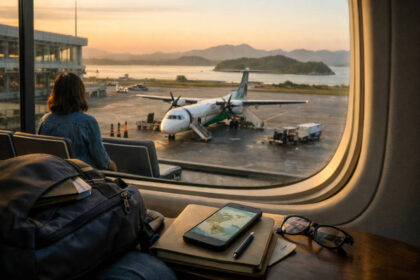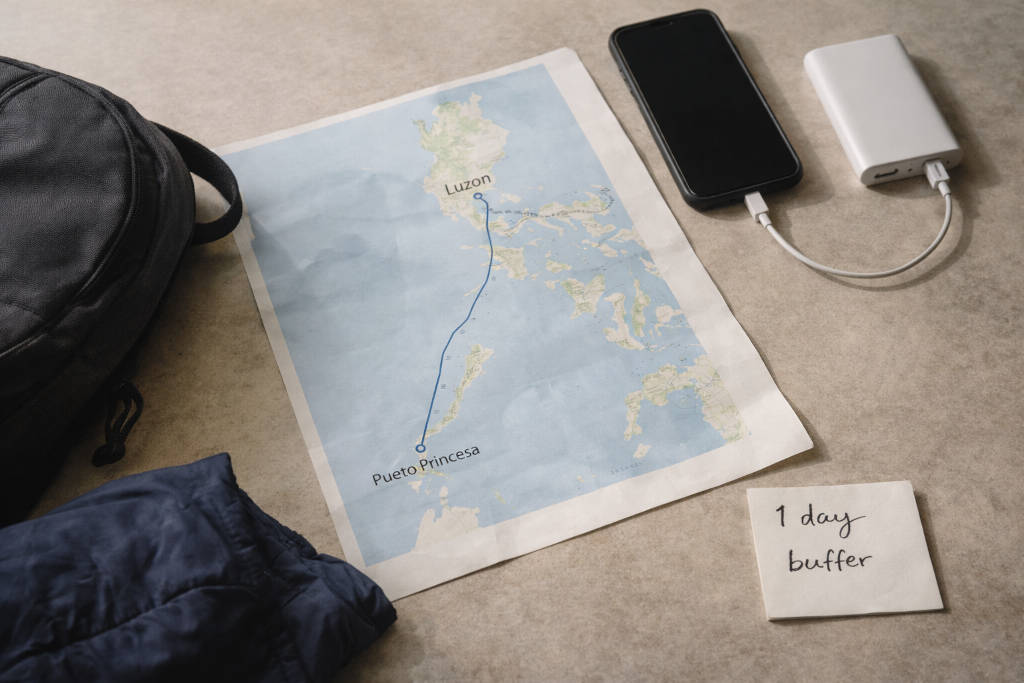
“Puerto Princesa to Sagada” sounds like one route, but it’s really a multi-leg trip: Palawan to Luzon by air (or sea), then a long land transfer into the Cordillera. The calm way to plan is to choose the route with the fewest tight connections and the easiest recovery if something runs late.
If this is your first big multi-leg day in the Philippines, set expectations early: you’re not just buying tickets—you’re buying buffers. That planning mindset is exactly what Philippines Travel Planning Guide for First Trip is for, and it will make Puerto Princesa to Sagada feel much more manageable.
Before you even leave Puerto Princesa: if you still have a day or two to tidy your errands, do it now—laundry, cash, meds, snacks—so you’re not scrambling at the airport. Here’s a simple reference plan: Puerto Princesa Weekend Trip Plan.
At A Glance: Your Main Puerto Princesa To Sagada Routes
Think of these as decision rules, not “one correct answer.” The best Puerto Princesa to Sagada plan is the one that matches your energy level, budget, and tolerance for uncertainty.
Route 1 (Option A, lowest stress for most people): Fly Puerto Princesa to Manila, then take an overnight bus to Sagada. This is usually simplest because there are more flight choices to Manila, and the overnight bus lets you “recover time” while you sleep—especially if you build a cushion before the bus departure.
Route 2 (Option B, avoid parts of Metro Manila traffic when it fits): Fly Puerto Princesa to Clark, then continue north by land toward Sagada. This can reduce some Metro Manila congestion, but it’s route-dependent and must be checked by date. You’ll still need careful timing and transfers.
Route 3 (Option C, slow and only for extra-time travelers): Ferry Puerto Princesa to Manila, then bus to Sagada. This is for people who are okay with long sea travel and extra waiting.
Route 4 (Option D, safest for people who hate tight connections): Puerto Princesa to Manila, then overnight in Manila or Baguio, then continue to Sagada. This costs one more night, but it often saves your nerves.
For a broader understanding of how buses, ferries, and terminals typically work in the Philippines, keep Philippines Public Transport Guide handy as your “context cheat sheet.”
Reality Check: Even a “simple” Puerto Princesa to Sagada day can involve late-night arrivals and long waits, so plan as if something will be delayed—and you’ll feel calmer when it isn’t.
Option A Step-By-Step: Flight Puerto Princesa To Manila, Then Overnight Bus To Sagada
 This is the most common Puerto Princesa to Sagada approach because it’s usually the fastest overall and easier to troubleshoot: if your flight moves, you can often re-time your Manila steps without rebuilding the entire plan.
Step 1: Fly From Puerto Princesa Airport To Manila
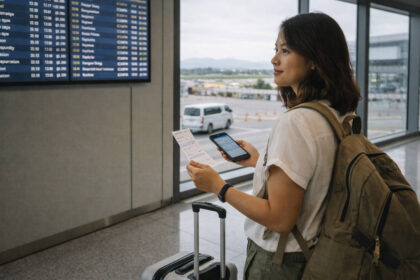
Use official airline sites or apps to check schedules and baggage rules. As one example of an official schedule page, you can start here: flights from Puerto Princesa City to Manila. The key is not “which airline,” but whether your chosen flight gives you a comfortable buffer before your bus.
Reality Check: The cheapest flight can become stressful if it lands too close to the overnight bus departure time—buffers are part of the real cost.
Step 2: Transfer From NAIA To Your Bus Terminal (Cubao Or Quezon City Area)
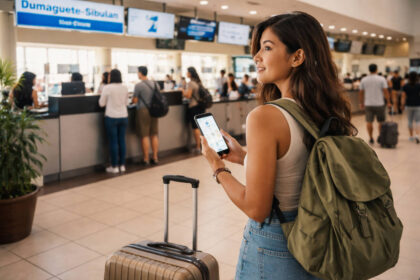
Your Manila bus may depart from Cubao or a Quezon City terminal area depending on the operator. Plan this transfer like a mini-trip: allow time for baggage claim, finding your ride, and unpredictable traffic. If your plan relies on an overnight bus, avoid landing “just a little before” departure—build a cushion big enough for delays and slow city movement.
Reality Check: Late-night terminal queues happen, and food options can be limited at odd hours—eat early and keep a snack in your day bag.
Step 3: Take The Overnight Bus To Sagada
Overnight buses are popular and can sell out, especially around weekends, holidays, and long weekends. Confirm schedules close to your travel date and keep a screenshot of the departure details. For schedule confirmation (not a price promise), check: Coda Lines schedule.
Reality Check: The mountain road can be curvy and cold inside the bus—motion sickness and strong aircon are common friction points if you’re not prepared.
Door-To-Door Time Estimate (Including Waiting And Traffic)
For Puerto Princesa to Sagada via Manila, plan in ranges and include friction:
Airport portion: arrive early for check-in and security, then add time for boarding, landing, and baggage claim. If you have checked baggage, assume extra waiting.
City transfer portion: NAIA to a bus terminal can be fast or slow depending on traffic and time of day, so build a wide cushion.
Bus portion: add early arrival at the terminal, boarding time, rest stops, and traffic variability leaving Metro Manila. Arrival time in Sagada can be early morning and may not match your ideal check-in schedule.
Rule-of-thumb buffer: if you need an overnight bus, do not plan to land close to departure. Give yourself a cushion for baggage claim and traffic so you can arrive at the terminal calmly rather than sprinting.
Terminal And Transfer Tips (Timing Buffers That Actually Help)
Pick one terminal and commit: don’t plan to “switch terminals if needed” unless you have a full backup day. Metro Manila cross-city transfers late at night add stress.
Bring a cold-bus kit: one warm layer and socks in your day bag, even if Palawan weather is hot.
Plan for arrival-hour reality: Sagada mornings can be chilly, and not everything is open early. If you arrive very early, know where you can wait quietly before check-in.
Reality Check: If you feel yourself building a plan that only works if everything is on time, that’s your sign to switch to Option D.
Option B Step-By-Step: Puerto Princesa To Clark, Then Continue North
This route can be appealing if you want to reduce exposure to Metro Manila congestion. The important caveat: Puerto Princesa to Sagada via Clark is route-dependent and must be checked by date. Availability and timings can change based on season and airline scheduling.
When This Is A Good Idea (And When It’s Not)
Good idea when: your flight timing into Clark gives you generous daylight transfer options, and you’re comfortable navigating land transfers without rushing. It can also suit travelers who prefer starting northbound immediately.
Not a good idea when: your arrival time forces late-night transfers, you have a lot of luggage, or you’re relying on tight connections. If the plan requires “perfect timing,” it’s not low-stress.
Reality Check: “Avoiding Manila” doesn’t automatically mean easier—you can still face queues, long waits, and transfer complexity if timings don’t line up.
How To Think About The Land Transfers
From Clark, your goal is to move into a northbound path that eventually connects you toward the Cordillera route to Sagada. Treat this as a flexible chain: choose the next major hub you can reach comfortably, then reassess. For a bit more context on what the mountain travel feels like once you’re headed north, read Sagada and Banaue Mountain Journey.
Reality Check: The calmer plan is the one where you can stop for the night if needed—especially if you arrive late or the weather changes.
Option C Step-By-Step: Ferry Puerto Princesa To Manila, Then Bus
Option C is best framed as: “only if you have extra time, and you’re okay with long sea travel.” It’s sometimes useful when flights are expensive or disrupted, but it’s not the low-friction choice for most travelers.
Who This Is For And The Main Tradeoffs
This is for: travelers with schedule flexibility who don’t mind extended transit and are comfortable waiting.
Main tradeoffs: longer door-to-door time, more waiting, more fatigue, and higher sensitivity to weather conditions that can disrupt sea travel.
Reality Check: The ferry option can feel “budget-friendly” upfront, but food, extra nights, and lost time can add up quickly.
Option D: Two-Step With An Intentional Buffer (Manila Or Baguio Overnight)
If you hate tight connections, Option D is often the most peaceful Puerto Princesa to Sagada strategy. You fly Puerto Princesa to Manila, then you stop on purpose: either overnight in Manila (near your terminal plan) or in Baguio if you’re structuring your northbound route that way. Then you continue to Sagada with fresh energy.
Why it works: it turns “a scary connection” into “two manageable days.” If your flight is delayed, you’re not immediately losing your Sagada bus seat that same night.
Reality Check: Paying for one overnight buffer can be cheaper than last-minute rebooking and far cheaper than the stress of chasing a connection across the city.
Ticket Buying And What To Screenshot Save
Flight ticket source: official airline site or app and your email confirmation
Save: booking reference, full itinerary page, baggage allowance page, and the change/cancel policy screenshot
Ground transfer proof: screenshot the terminal address you’re going to, plus a map pin
Bus ticket source: operator booking page or terminal ticket counter
Save: bus booking confirmation, departure time, terminal name, seat/booking code if shown, and customer service contact
If using any ferry leg: save e-ticket, boarding time, gate closure reminder, and terminal instructions
Reality Check: Screenshots are your low-stress insurance when signal is weak, your battery is low, or you need to show details quickly to staff.
Costs: What Drives The Total (And The Hidden Add-Ons)
Costs for Puerto Princesa to Sagada vary by date and availability, so it’s safer to think in broad brackets rather than fixed fares. Your total is usually driven by flight timing, baggage add-ons, airport transfers, bus class, and how last-minute your booking is.
Broad cost brackets (varies by date and availability): budget travelers often spend the least by booking early and traveling light; mid-range travelers pay more for convenient flight times and more comfortable transfers; last-minute travelers pay the most due to limited seats and baggage fees.
Hidden costs to watch: checked baggage fees, terminal fees if any, food during long waits, last-mile transport in Sagada (especially if you arrive early or in bad weather), and “comfort buys” like jackets or umbrellas if you didn’t pack them.
Reality Check: The cheapest ticket combination can become expensive if it forces an extra night or a last-minute rebooking—price your plan with buffers included.
Luggage And Friction Points (What Causes Stress And How To Prevent It)
Air: baggage allowance differs by airline and fare type—screenshot your allowance from your booking so you’re not guessing at check-in.
Bus: luggage is typically stored below; keep valuables, medicine, gadgets, and one warm layer with you in a small day bag.
Ferry: arrive much earlier than departure; expect check-in lines and ID checks; keep essentials in a day bag.
Common friction points: NAIA transfer time, late-night terminal queues, sold-out overnight buses, limited food options at odd hours, motion sickness risk on mountain roads, and cold bus aircon.
Low-stress packing: keep one small day bag ready for long waits and cold bus aircon (water, snack, power bank, jacket, meds). Make it the bag you can reach without opening your main luggage.
Reality Check: The most stressful moment is usually “transfer + hunger + low battery” happening at the same time—your day bag prevents that combo.
Low-Stress Sample Plans (Choose One)
These timelines are designed to avoid tight connections on the same day. Adjust them based on your actual flight and bus schedules, but keep the logic: wide cushions, fewer moving parts.
Same-Day Attempt With Big Buffers (Only If Timings Are Generous)
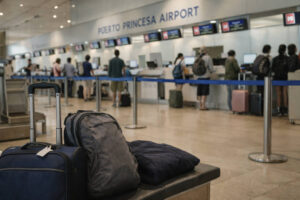 Start with an earlier flight from Puerto Princesa Airport to Manila that lands with plenty of cushion before your overnight bus departure.
After landing, do baggage claim calmly, then transfer to the terminal area with extra time for traffic.
Arrive at the terminal early enough to eat, use the restroom, and settle without rushing.
Take the overnight bus to Sagada and plan for an early arrival that may not match check-in times.
Reality Check: If your “big buffer” shrinks on paper when you add baggage claim and traffic, it’s not actually a buffer—switch to the two-day plan.
Safer Two-Day Plan With An Overnight In Manila Or Baguio
Day 1: Fly Puerto Princesa to Manila, then check in to an accommodation that keeps your next-day move simple (either near your terminal plan or in a location that reduces cross-city friction).
Day 2: Travel north toward Sagada with a calmer body clock and more patience for the mountain road.
If you prefer building in more “mountain pacing” once you arrive, plan your Sagada days with buffers too: Sagada Itinerary With Realistic Buffers.
Reality Check: Two-day planning often feels slower on paper but faster emotionally—you spend less time panicking and more time moving steadily.
Backup Plan Playbook (Delays, Cancellations, Sold-Out Bus, Late Arrival)
 If the flight is delayed and you’ll miss the overnight bus: switch to the “overnight in Manila, continue next night” plan. Focus on a safe, well-lit accommodation plan near your next step rather than chasing a disappearing connection.
If the bus is sold out: look for the next available schedule, or consider a route that goes via a major hub such as Baguio. Expect that this may require an extra day, and treat that extra day as part of the plan—not a failure.
If weather disrupts flights or sea travel: stay put and rebook with buffer rather than forcing a tight connection. Tight plans collapse fastest during weather disruptions.
Safety reminders: keep documents and valuables accessible but secure, stay in well-lit terminals, and avoid rushing across the city late at night without a clear plan. For a practical safety refresher, review Travel Safety Philippines Guide.
Reality Check: The best backup plan is the one you’re willing to do—so write it down before you travel, not while you’re tired and hungry.
FAQ: Puerto Princesa To Sagada Planning Questions
What Is The Simplest Puerto Princesa To Sagada Route For First-Timers?
Option A is usually simplest: fly Puerto Princesa to Manila, then take an overnight bus to Sagada. It tends to have the most workable scheduling flexibility, and the overnight ride gives you a built-in recovery window—if you keep a healthy buffer before the bus.
How Long Is Puerto Princesa To Sagada Door-To-Door Including Waiting?
Plan in wide ranges: airport early arrival, security, the flight itself, baggage claim, city transfer time, terminal waiting, the overnight bus duration with rest stops, and traffic leaving the city. The calm approach is to plan as if it’s a long two-part day and avoid tight same-day connections.
Where Do I Buy Tickets And What Should I Save On My Phone?
Use official airline sites or apps for flights and save your booking reference, itinerary, baggage allowance, and change policy screenshots. For the bus, use the operator booking page or the terminal ticket counter, then save your confirmation, departure time, terminal name, and customer service contact. Add a screenshot of the terminal address and a map pin.
How Much Buffer Time Should I Leave For NAIA Transfers?
Leave a cushion big enough for baggage claim and unpredictable traffic. If your plan relies on catching an overnight bus, avoid landing close to departure time—build a buffer that lets you arrive early, eat, and settle instead of rushing.
Is Going Via Clark Worth It?
It can be, if your Clark flight timing creates generous, daylight-friendly transfers and you want to reduce Metro Manila congestion. It’s not worth it if it forces late-night transfer chains or tight connections—because the complexity can cancel out the traffic advantage.
Is The Ferry Worth It Versus Flying?
The ferry is usually only worth it if you have extra time and you’re comfortable with long sea travel and additional waiting. If your priority is minimal stress and predictable timing, flying is generally the calmer foundation for Puerto Princesa to Sagada.
Once you arrive, give your Sagada days the same kindness you gave your transit plan: add buffers, keep mornings light, and don’t stack too many “must-dos” right away. For more planning-first reads, visit Tips and Inspiration.