If you’re planning a trip from Palawan to Panay, the biggest stress-saver is deciding early: do you want the fastest route (usually by air) or the most “slow travel” route (usually by sea, with longer travel and more variables)? This guide breaks down Puerto Princesa to Iloilo City options in a planning-first way—time, cost, add-ons, luggage rules, and what to do if things shift last minute. For more route-planning help across the Philippines, browse Tips And Inspiration Travel Planning Guides.
Important: flight frequencies and ferry sailings can change with season, demand, maintenance, and weather. Treat schedules and prices as moving targets, and verify directly with official airline and shipping channels before you lock in hotels or tours.
At-a-Glance
- Best time window: Drier months tend to mean fewer weather disruptions, but peak weeks can mean fuller flights and longer lines. If you’re traveling near holidays or festivals, add extra buffers.
- Realistic door-to-door time: Flights often land you in Iloilo City the same day (but waiting time matters). Ferry or RoRo can stretch into an overnight or multi-leg trip depending on sailing patterns.
- Budget band: Flights vary widely with promos and baggage add-ons. Sea travel can be cheaper up front, but meals, transfers, and “extra nights” can close the gap.
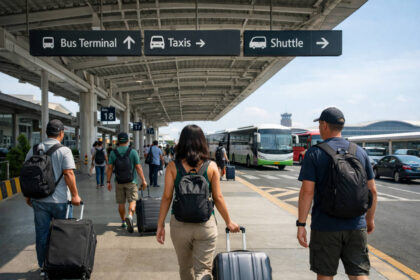
- Crowd and traffic risk: Puerto Princesa International Airport and Iloilo International Airport can get busy around lunch-to-evening waves. Ports can feel crowded close to sailing time.
- Rain/heat backup: If weather is unstable, plan a “buffer night” in Puerto Princesa City (near the airport) or Iloilo City (after arrival), and keep your first day in Iloilo flexible.
Reality Check: The smoothest plan isn’t always the cheapest. In the Philippines, the least stressful route is usually the one with the fewest transfers and the biggest time buffers.
Quick Answer And Best Option For Most Travelers
For most travelers, the lowest-stress Puerto Princesa to Iloilo City plan is flying—ideally a direct flight if one is operating on your travel date, or a single-connection itinerary via Manila or Cebu if not. Ferries and RoRo routes can work if you have flexible time, but they’re more sensitive to weather, port changes, and limited sailing schedules.
If you’re planning your first multi-leg domestic route, this Philippines Travel Planning Guide For First Trips can help you build buffers and avoid common friction points.
When A Direct Flight Is The Best Low-Stress Choice
If a direct flight between Puerto Princesa International Airport and Iloilo International Airport is available on your date, it’s usually the calmest option: one check-in, one security flow, and no anxiety about missing a connection. The “direct flight” question matters most if you’re traveling with kids, older family, tight work schedules, or checked baggage you don’t want to re-check mid-route.
Reality Check: Direct routes can be seasonal or limited to certain days. Even if you’ve seen it before, verify that it’s operating this week and that it matches your baggage needs.
When A Connecting Flight Makes Sense
If there’s no direct flight (or it’s sold out or overpriced), a connecting flight via Manila or a connecting flight via Cebu is usually the next-best move. Your goal is to reduce connection stress: pick an itinerary with one airline (when possible), a longer layover, and earlier departures so delays don’t domino into the evening.
Reality Check: The cheapest connection can be the most fragile. A tight layover plus checked baggage is a common recipe for missed flights and rebooking lines.
When The Ferry Option Is Worth Considering
Consider ferry or RoRo routes if you’re comfortable with long travel days, you’re carrying bulky items that are easier by sea, or you’re intentionally traveling slowly through islands like Cuyo. This is also an option if flights spike in price and you have extra days.
Reality Check: Sea travel can be mentally tiring even if you sleep on board. If you get seasick easily or you have a fixed event in Iloilo City, flying is usually safer.
Option 1 Flights Puerto Princesa to Iloilo City
Direct Flight Snapshot Duration Frequency What To Expect
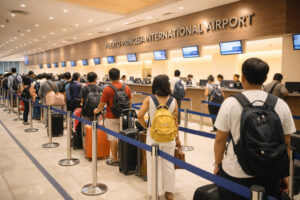 Is there a direct flight from Puerto Princesa to Iloilo City right now? This can change often. Some city pairs run year-round; others appear as seasonal schedules or limited weekly frequencies. The safest way to answer “right now” is to check the airline’s official website or app for your exact date, then cross-check that the flight number exists across multiple days.
If a direct flight is available, expect a short in-air time compared to multi-leg routes—but your total time still depends on airport transfers, check-in cutoffs, and waiting at the gate.
Reality Check: A direct flight can still be delayed. If you have a must-do appointment in Iloilo City, build a half-day buffer on arrival day.
Connecting Flight Via Manila What Changes In Door-To-Door Time And Risk
A Puerto Princesa–Manila–Iloilo routing is common because Manila has many onward flights. The trade-off is congestion risk: Manila terminals can involve longer taxi times, gate changes, and heavier passenger volume. If you’re connecting, prioritize:
- Longer layovers (especially if you have checked baggage)
- Same-ticket connections when possible (so rebooking is clearer if delays happen)
- Earlier first legs to avoid cascading afternoon delays
Reality Check: A connection that looks “efficient” on paper can feel tight in real life once you add deplaning time, terminal walks, and boarding cutoffs.
Connecting Flight Via Cebu What Changes In Door-To-Door Time And Risk
A Puerto Princesa–Cebu–Iloilo plan can be smoother than Manila for some travelers because Cebu connections may feel more straightforward, depending on the day’s traffic and terminal assignments. Cebu is also a practical choice if your flight options line up better (for example, a morning Puerto Princesa departure and a mid-day onward flight).
Reality Check: “Easier airport flow” doesn’t remove the biggest risk: if the first leg is delayed, you can still miss the second leg. Pick a layover you can breathe through.
Door-To-Door Time Estimate Range With Check-In And Waiting Built In
Door-to-door time is what you feel in your body—not just the flight duration. A realistic planning range (assuming you’re starting from Puerto Princesa City Proper and ending in Iloilo City Proper) often looks like this:
- Direct flight day: roughly 5 to 8 hours total (airport travel + early arrival + flight + arrival transport)
- One-connection day: roughly 8 to 14 hours total (extra check-in/boarding time + layover + higher delay exposure)
Why the range is wide: check-in cutoff rules differ, security lines spike at certain hours, and runway or weather holds can stretch your waiting time. If you want low stress, plan with the “slow” estimate, not the best-case estimate.
Weather matters too. For seasonal patterns and what they mean for delays, keep this bookmarked: Philippines Weather Travel Guide Best Months.
Reality Check: Even if the flight time is short, the airport day is still an airport day. Snacks, water, and power banks do more for your mood than you’d expect.
Option 2 Ferry Or RoRo Puerto Princesa to Iloilo City
Typical Routing Via Cuyo And Why It Takes Long
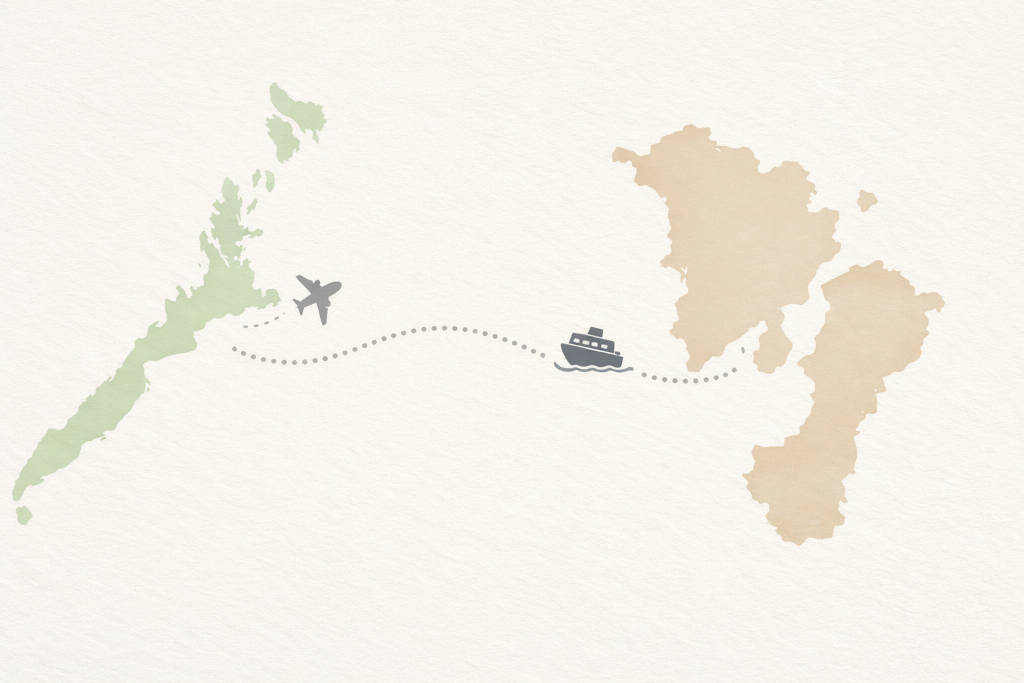
 The sea route is usually not a simple one-hop. A common concept people look for is a RoRo ferry via Cuyo: Puerto Princesa to Cuyo, then another sailing onward toward Panay (which may or may not land directly in Iloilo City depending on the operator and schedule). Some itineraries can require waiting days between sailings if frequency is limited.
If you’re considering this route, it helps to understand Philippine inter-island travel basics (ports, transfers, and how to read timetables): Philippines Public Transport Guide Bus Jeepney Ferry.
Reality Check: “Via Cuyo” often means you’re planning around the shipping calendar, not your preferred timeline. If you only have a weekend, this option is usually not worth the stress.
Realistic Door-To-Door Time Range Including Port Waiting
A realistic sea-travel estimate needs three layers: (1) city-to-port transfer time, (2) early arrival for ticket validation and boarding queues, and (3) the sailing itself plus possible sea-state slowdowns.
- Best-case (lucky alignment): an overnight sailing plus same-day onward transfer
- Common-case: 1.5 to 3 days door-to-door once you include waiting between legs
Ports can also change procedures depending on season, security rules, and crowd control, so always verify where you need to line up, when boarding starts, and whether terminal fees are collected separately.
Reality Check: The biggest hidden cost of ferries is time. If your Iloilo City plans are time-sensitive, treat sea travel as a “vacation within the vacation,” not just transport.
Comfort And Sleep Expectations What To Pack For Low Stress
Comfort depends heavily on your ticket type (open seating vs. bunk vs. private cabin) and how full the sailing is. Pack for a calm, low-stress ride:
- Light jacket or shawl (air-conditioned cabins can feel cold)
- Earplugs and eye mask for shared sleeping areas
- Snacks and water in case onboard options are limited or lines are long
- Motion sickness support if you’re sensitive to waves
- Small cash for terminal fees, simple meals, or porters
Reality Check: “I’ll just sleep” isn’t always realistic on a busy sailing. If you arrive tired, plan a gentler first evening in Iloilo City.
Cost Breakdown You Can Actually Budget
Flight Total Cost Airfare Add-On Bags Airport Transfers
For flights, the headline fare is only the start. A practical budget for Puerto Princesa to Iloilo City flights should include:
- Base airfare: varies by season and promos (plan a wide range)
- Add-ons: checked baggage, seat selection, and sometimes meals
- Airport transfers: tricycle or ride options to Puerto Princesa International Airport, then transport from Iloilo International Airport to Iloilo City Proper
- Change flexibility: if your schedule is fragile, consider fare types that allow adjustments (if available)
As a simple planning band, many travelers set aside a “flight day envelope” that covers fare + bags + transfers, then treat any promo fare as a bonus rather than the baseline.
Reality Check: The most common budget surprise is baggage. If you think you’ll shop in Iloilo or carry pasalubong, prepay checked baggage early—airport counters are often more expensive.
Ferry Total Cost Cabin Type Port Fees Local Transfers Meals
Ferry pricing is usually more stable than flights, but you need to budget for comfort and the extras around it:
- Ticket class: open seating vs. bunk vs. cabin
- Terminal fees: sometimes paid separately at the port
- Port transfers: city-to-port and port-to-city rides
- Meals and snacks: onboard options vary; you may buy extra
- Extra nights: if schedules don’t line up, you may pay for lodging between legs
Reality Check: Sea travel can look cheaper until you add the “waiting day.” If you need a hotel night in between legs, the total can approach a flight—without the time savings.
Where To Buy Tickets And What To Save On Your Phone
Safe Places To Buy Flight Tickets And When To Consider Official Channels
 To avoid scams or invalid bookings, buy from:
- Official airline websites or apps (best for direct control of changes and add-ons)
- Reputable booking platforms (only if you understand their change/refund process)
- Trusted travel agencies with clear receipts and official confirmation numbers
Avoid deals that require informal payment channels or messages like “we’ll send the ticket later.” If you can’t immediately verify a booking reference in the airline’s “Manage Booking” page, treat it as a red flag.
Reality Check: The cheapest third-party ticket can become expensive if you need a change and customer support is slow. If your schedule is tight, official channels can be worth the peace of mind.
Safe Places To Buy Ferry Tickets And How Validation Usually Works
For ferries, start with the operator’s official channels when possible. If you’re checking schedules or planning a RoRo ferry via Cuyo, you can begin with the operator site and then confirm at the port: Montenegro Lines official website.
Many ports have a “ticket validation” flow before boarding (or a final check at the gate). Even with an e-ticket, you may still need to show valid ID and sometimes exchange for a boarding pass, depending on the port’s system.
Reality Check: Ports can enforce cutoffs strictly. If you arrive too close to sailing time, you risk getting stuck even if you already paid.
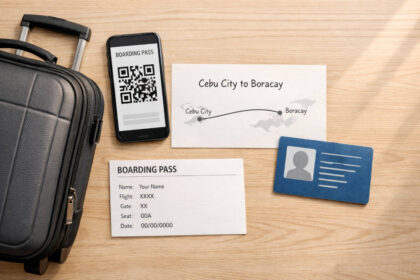
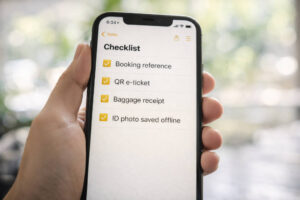
What To Screenshot Or Download Booking Reference QR E-Ticket Add-On Baggage Receipts IDs
Save these offline (screenshots + downloaded PDFs) in case your signal drops:
- Booking reference (PNR or confirmation code)
- QR code or e-ticket for each passenger
- Add-on baggage receipts and baggage allowance details
- Itinerary page showing flight numbers, terminals (if listed), and dates
- Customer support contact page (airline or operator)
- Valid IDs (photo of the ID you’ll present, stored securely)
Reality Check: “I can just search my email” fails when you’re in a crowded terminal with weak data. Offline copies are a small habit with a big payoff.
Luggage Rules And Common Friction Points
Flight Carry-On And Checked Baggage Add-Ons And Size Weight Reality
Domestic flight baggage allowance varies by airline and fare type, but common patterns include a limited carry-on (often one main bag plus a small personal item) and optional checked baggage purchased as an add-on. Watch for:
- Carry-on weight checks at the check-in counter or gate
- Strict size rules if your backpack is bulky
- Add-on baggage tiers (buying a higher tier later can cost more)
If you’re connecting, confirm whether checked bags are tagged through to Iloilo International Airport or if you need to claim and re-check during your layover.
Reality Check: Overweight baggage is one of the fastest ways to burn time and money at the airport. If you’re close to the limit, repack before you leave your hotel.
Ferry Baggage Handling And Terminal Porters What To Watch For
Ferry baggage handling can be more informal than airports. Keep valuables, gadgets, medicines, and important documents in a small bag that stays with you. If you use porters, agree on a clear fee before handing over luggage, and keep your baggage claim tags (if issued).
Reality Check: On crowded sailings, your bag may end up stacked with others. A bright luggage tag and a quick photo of your bag can prevent mix-ups.
Check-In Cutoffs Security Lines Seating Gate Changes And Why Buffers Matter
For low-stress departures, buffers are everything:
- Flights: many airlines enforce a check-in cutoff and boarding cutoff. If you’re checking bags, arrive earlier than you think you need.
- Ferries: ports may require earlier presence for validation, terminal fee payment, and boarding queues.
A safe rule for planning is to arrive earlier during peak hours, weekends, and holiday seasons—and earlier still if you’re unfamiliar with the terminal layout.
Reality Check: The line you see is not always the line you need. Ask staff early where to queue for baggage drop, validation, or boarding instead of waiting in the wrong place.
Getting Into Iloilo City After Arrival
Iloilo International Airport To Iloilo City Proper Options And Time Range
 From Iloilo International Airport, travelers usually choose between:
- Airport taxi (higher cost, direct, helpful if you have luggage)
- Shared van or shuttle-style transport (often fixed fare, may wait to fill)
- Pre-arranged pickup from your hotel (useful if arriving late)
Travel time into Iloilo City Proper varies with traffic and your exact drop-off point, so plan a flexible window—especially if you land around busy hours. To avoid overpaying, look for official transport counters or clearly posted rates, and don’t be shy about asking for the total fare before you ride.
For next steps and what to do after you arrive, browse Iloilo Travel Guides. If you want a deeper local transport primer, this is useful: How To Get Around Iloilo City Local Transport.
Reality Check: If you arrive tired, your tolerance for negotiating drops. Choosing the most straightforward airport-to-city option can be a better “value” than shaving a small amount off the fare.
If You Arrive By Port Where You Usually End Up And Next Steps
If you come by sea, your arrival point depends on the route and operator. The key planning move is to identify (1) which port you’re landing at, (2) how far it is from Iloilo City Proper, and (3) what time you’ll realistically step out of the terminal after disembarkation. From there, decide if you’re continuing the same day or sleeping nearby and moving in daylight.
Reality Check: Disembarkation can be slow on full ships. Don’t schedule a tight meetup immediately after a predicted arrival time.
Backup Plans For Delays And Cancellations
If Your Flight Is Moved Or Cancelled Rebooking Strategy And When To Switch Routes
If your flight changes, start with the calm, practical steps:
- Check official notifications (app, email, SMS) and confirm your updated itinerary in “Manage Booking.”
- Rebook to an earlier departure when possible, so you regain buffer later in the day.
- Consider switching connection cities (for example, Manila to Cebu or Cebu to Manila) if seats are open and your priority is arriving the same day.
- Keep receipts if you’re paying for unexpected transport or lodging.
For passenger assistance guidance in the Philippines during disruptions, keep this official advisory link handy: CAB Advisory On Assistance To Passengers Affected By Delays And Cancellations.
It also helps to review personal safety and decision-making basics for disrupted travel days: Travel Safety Philippines Guide.
Reality Check: In disruption moments, lines and phone queues grow fast. The earlier you act (even if you’re just securing a “good enough” rebooking), the more options you keep.
If Your Ferry Sailing Changes What To Do Same Day
If a ferry sailing changes due to weather or operational reasons, ask these three questions at the port or official hotline:
- Is the sailing delayed or cancelled?
- Is there a next sailing, and when is the latest check-in time?
- What is the process for revalidation, rebooking, or refunds?
Then decide based on your non-negotiables. If you must be in Iloilo City by a certain time, switching to flights may be the least stressful move—even if it costs more that day.
Reality Check: Sea-state decisions can be last minute. If the forecast looks unstable, avoid planning critical Iloilo commitments the morning after your intended sailing.
Where To Stay If You Need A Night Buffer And What To Prioritize
If you need a buffer night, prioritize function over aesthetics:
- Proximity to Puerto Princesa International Airport or the relevant port
- 24-hour reception or clear late check-in instructions
- Reliable Wi-Fi for rebooking and confirmations
- Early breakfast or nearby food options
Reality Check: The “best” hotel is the one that reduces transfer anxiety. A simple, clean place near your departure point can protect your whole itinerary.
Low-Stress Tips Checklist
 The Night Before
- Reconfirm your terminal or port details and your check-in cutoff.
- Screenshot your booking reference, QR, and baggage allowance.
- Pack a small “airport and ferry kit”: water, snacks, meds, wipes, and a power bank.
- Set two alarms and plan your ride with extra time.
Reality Check: Most travel stress is “morning-of” stress. Doing the boring prep the night before is the most effective hack.
Departure Day
- Arrive earlier if you’re checking bags or traveling at peak hours.
- Keep valuables and essentials in a small bag that stays with you.
- Don’t wait to eat until you’re starving—airport and port lines can spike suddenly.
- If your itinerary is Puerto Princesa to Iloilo City with a connection, watch your first flight closely and act early if delays start.
Reality Check: Tight itineraries feel cheaper until a single delay forces an expensive same-day fix. Buffer time is the real bargain.
Arrival Day
- Choose the simplest airport-to-city transport option if you’re tired or arriving late.
- Save receipts and transport details if you had disruptions.
- Keep your first Iloilo block flexible: food, rest, and a gentle walk beats a packed schedule.
Reality Check: “I arrived” isn’t the same as “I’m ready to explore.” Give yourself a soft landing, especially after a long transit day.
FAQ
Is There A Direct Flight From Puerto Princesa To Iloilo City Right Now
It depends on the current airline schedule, which can change by season and demand. Check official airline sites or apps for your exact date and confirm the flight number appears consistently.
If There’s No Direct Flight What Is The Easiest Connecting Route Via Manila Or Cebu
Pick the route with the fewest moving parts: one connection, a longer layover, and ideally a single ticket. Manila offers many onward options; Cebu can feel simpler for some travelers depending on timings.
How Long Is The Real Door-To-Door Time If You Include Airport Travel And Waiting
Direct-flight days often land around 5 to 8 hours door-to-door; one-connection days often land around 8 to 14 hours. Add more buffer during peak seasons or unstable weather.
Where Should I Buy Tickets So I Don’t Get Scammed Or Stuck With Invalid Bookings
Use official airline websites or apps when possible, or reputable platforms with clear support policies. For ferries, prioritize official operator channels and verify ticket validation steps at the port.
What Should I Screenshot Or Save Offline After Booking
Save your booking reference, QR or e-ticket, add-on baggage receipts, itinerary details, and support contact pages. Offline copies help when signal drops in busy terminals.
What Are The Usual Luggage Rules For Domestic Flights And How Do Add-Ons Work
Rules vary by airline and fare type, but carry-on limits and paid checked baggage are common. Add-ons are usually cheaper when purchased earlier, and connections may require re-checking depending on the ticket.
Is The Ferry Option Worth It And What Is The Most Realistic Sailing Pattern Via Cuyo
It can be worth it if you have flexible time and you’re comfortable with long travel. “Via Cuyo” often means multiple legs and waiting time between sailings, so verify the full chain before committing.
How Do I Get From Iloilo International Airport To Iloilo City Proper Without Overpaying
Use official taxi queues or transport counters, confirm the total fare or rate rules before riding, and choose direct options if you’re arriving late or carrying heavy bags.
If you’re ready to turn your arrival into an easy itinerary (with built-in rest and buffer time), bookmark Iloilo City Itinerary 4 Days With Buffers for your next planning step.