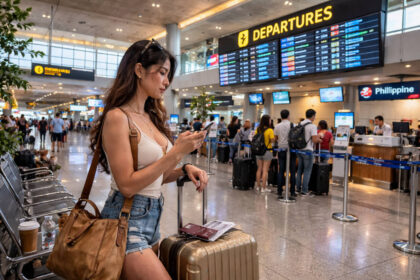
If you’re planning Puerto Princesa to Bohol, the biggest “low-stress” move is accepting that most trips involve a connection (often via Cebu or Manila), plus a few friction points that can quietly add hours: check-in lines, baggage rules, terminal transfers, and weather decisions for sea travel. This guide focuses on plan-changing logistics only—realistic door-to-door time ranges, cost buckets, where to buy tickets, what to save on your phone, and what to do if one segment falls apart.
If you’re still building your Palawan side, you can also pair this with Puerto Princesa Weekend Trip 2D1N Plan so your departure day feels calmer (and not like a sprint).
At-a-Glance: Puerto Princesa to Bohol Logistics That Change Your Plan
 Best time window: Drier months usually mean fewer sea cancellations and smoother transfers, but flights can still be delayed year-round. If you’re traveling during stormier months, lean toward flight-only options and add an overnight buffer when you can.
Realistic door-to-door time: Flight with a connection often lands around 5–10 hours total door-to-door depending on layover and transfers. Flight + ferry via Cebu often lands around 8–14 hours. Mostly-ferry routes can stretch into 1–3 days.
Budget band (very rough ranges): Flights commonly end up in the mid to high range once you add baggage and transfers; flight + ferry can be similar or slightly lower depending on promos and baggage. Treat any number you see online as a snapshot—always confirm on airline and ferry booking pages.
Crowd and traffic risk: Cebu and Manila transfer days are where stress usually spikes: queues, gate changes, terminal transfers, and traffic to the pier.
Rain/heat backup: If sea travel is part of your plan, keep a “flight-only alternative” in mind. If you can’t miss an event, the safest play is Buffer + Overnight (more on this below).
Reality Check: The calmest plan is rarely the “shortest on paper.” Choose the route with fewer moving parts, even if it looks slightly longer—because it usually feels easier.
Quick Answer: The Lowest-Stress Ways To Go From Puerto Princesa to Bohol
 For most travelers, the least-stress Puerto Princesa to Bohol route is flying with one connection and landing at Bohol-Panglao International Airport. The next best “low stress” option is fly to Cebu, then ferry to Bohol—but only if you plan for port friction and check-in cutoffs.
When A Cebu Connection Is Easiest
Choose Cebu when you want a practical middle ground: frequent domestic connections, plenty of onward options, and a clear Plan B (another flight or a ferry) if one segment changes. It’s also the simplest pivot point if you’re open to either landing at Panglao or arriving via Tagbilaran Port.
Reality Check: Cebu transfers feel easy until traffic or a long check-in line eats your buffer. Build extra time even if your flight lands “on schedule.”
When A Manila Connection Makes More Sense
Manila can make sense if the airfare is significantly better, your preferred carrier bundles baggage more affordably, or you’re already dealing with Manila for another reason (like meeting family or catching an international flight later). It’s also common to see more flight combinations via Manila when seats are tight elsewhere.
Reality Check: Manila transfers can involve terminal changes and longer walking or shuttle time. If you’re traveling with kids, seniors, or many bags, prioritize fewer transfers over slightly cheaper fares.
When A Ferry-Heavy Route Is Worth Considering (Rare Cases)
Mostly-ferry routes are only worth considering if you truly prefer slow travel, you’re not on a tight schedule, or you have constraints that make flying difficult. This is not the “low-stress” choice for most people, especially during rougher sea conditions.
Reality Check: Sea travel is the most weather-sensitive part of any plan. Even with the best prep, cancellations can happen.
Step 1: Decide Your Arrival Point In Bohol (Panglao Area Vs Tagbilaran Side)
Your first decision is where you want to end up in Bohol. Most beach-focused itineraries (Alona area, Panglao resorts) are easier if you arrive at Bohol-Panglao International Airport. If you’re arriving by ferry, you’ll typically dock at Tagbilaran Port—still workable for Panglao, just with an extra transfer step.
Why Some Sites Say Tagbilaran Even When You Land In Panglao
Older guides and some booking pages still use “Tagbilaran” as a general label for Bohol arrivals, because Tagbilaran has long been the main city reference point. These days, many travelers actually fly into Panglao and only pass through Tagbilaran if they’re using the port or heading to inland routes.
Reality Check: Don’t rely on the city name alone—double-check whether your booking says Bohol-Panglao International Airport or Tagbilaran Port, because your transfer time and cost can change.
Transfers After Landing Or Docking (Keep It Simple And Low-Stress)
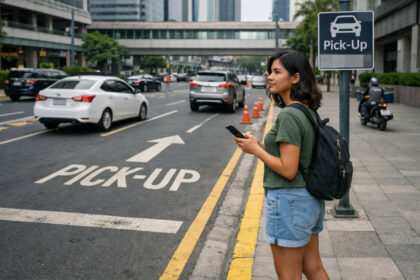
After landing in Panglao or docking in Tagbilaran, keep transfers simple: pick one method (metered taxi where available, a reputable app-based ride where available, or a pre-arranged hotel transfer) and stick to it. If you’re trying to save money, shared vans can work—but they add waiting time and extra stops.
Once you’ve settled in, these guides can help you plan what to do next: Bohol Travel Guide: Chocolate Hills And Tarsiers, Best Beaches In Bohol: Quiet To Social, and Bohol Coastal Escapes Guide.
Reality Check: The “last mile” is where stress sneaks in—heat, lines, and negotiating. Having cash, a charged phone, and one clear transfer choice helps more than hunting for the cheapest option on the spot.
Option A: Fly From Puerto Princesa to Bohol With A Connection (Most Common)
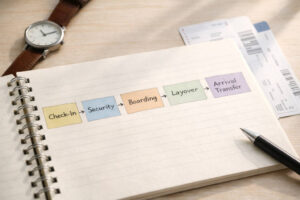 This is the most common Puerto Princesa to Bohol plan: one connection (often Cebu or Manila), then land at Bohol-Panglao International Airport. It’s usually the smoothest door-to-door option because it avoids pier transfers, sea conditions, and ferry cutoffs.
Door-To-Door Time Estimate With Real Buffers (Airport Arrival, Layover, Arrival Transfer)
A realistic planning range for Puerto Princesa to Bohol by flight connection is 5–10 hours door-to-door, depending on your layover and how far your accommodation is from the airport. Use these buffers as a planning baseline:
- Before departure: arrive at Puerto Princesa Airport about 2 hours early for domestic flights (more during peak seasons).
- Layover: if you have one booking, a shorter layover can work; if you have separate tickets, plan 3–5 hours to protect against delays and baggage re-check.
- After landing: add 45–90 minutes for baggage claim and transfer to Panglao beach areas, and longer if you’re heading inland.
Reality Check: The “hidden hour” is often security lines and gate changes. If you feel rushed on paper, it will feel worse in real life.
Cost Range Basics (Fare + Baggage + Airport Transfers)
Your total cost usually comes from three buckets: (1) airfare, (2) baggage fees, and (3) transfers at both ends. Philippine domestic fares swing a lot by season and seat sales, so use ranges and always confirm totals at checkout. If you’re bringing more than one bag or anything bulky, assume baggage fees will meaningfully change your final price.
Reality Check: “Cheap base fare” can become “normal fare” once you add checked baggage and changeable booking terms. Compare the final checkout totals, not the headline price.
Low-Stress Booking Tips (One Booking Vs Separate Tickets, Connection Buffer Rules)
One booking is usually calmer: If your flights are on one itinerary, you’re more likely to get rebooked help if the first leg is delayed. With separate tickets, you’re essentially building your own connection rules.
Connection buffer rule: For separate tickets, treat 3–5 hours as your safe zone in Cebu or Manila—especially if you must claim and re-check baggage. If you’re traveling during peak dates or weather-risk months, consider an overnight connection instead of a tight same-day sprint.
If you’re newer to planning trips like this, keep a simple framework handy: Philippines Travel Planning Guide For Your First Trip.
Reality Check: A “legal” connection time isn’t the same as a comfortable one. Plan for the version of you who’s tired, hungry, and carrying a bag.
Option B: Fly Puerto Princesa To Cebu, Then Ferry Cebu To Bohol
 This Puerto Princesa to Bohol route can work well if you prefer a clearer Plan B (fly or ferry) from Cebu. The tradeoff is port friction: moving from the airport to the right pier, queueing, and meeting ferry check-in rules.
Door-To-Door Time Estimate With Port Friction Included
Plan around 8–14 hours door-to-door depending on your flight arrival time, traffic, and ferry availability. A practical breakdown looks like this:
- Puerto Princesa Airport process: 2 hours before departure
- Flight to Cebu: typically 1–2 hours (varies by routing)
- Cebu Airport to pier transfer + finding the right terminal: 1–3 hours
- Ferry check-in + boarding buffer: 1–2 hours
- Fast craft crossing + disembark: often a few hours total, plus arrival transfer time in Bohol
Reality Check: The Cebu segment is where timing can wobble most. If you land late afternoon and your ferry options thin out, you may end up overnighting anyway.
Cebu Airport To Pier Transfer: What Usually Slows People Down
Common slowdowns include traffic, not knowing which pier/terminal your ticket uses, long taxi queues, and last-minute changes in boarding instructions. Build time for “finding the right place,” not just travel minutes. If you want a plain-language overview of how local transport typically works around terminals and ports, this is a helpful companion: Philippines Public Transport Guide (Bus, Jeepney, Ferry).
Reality Check: Even when the ride is short, the waiting can be long—queueing, loading, and navigating unfamiliar terminals in humid weather.
Ferry Check-In Cutoffs And What Happens If You Arrive Late
Ferries often have firm check-in cutoffs (commonly 30–90 minutes before departure depending on the operator, port rules, and whether you need baggage tagging). If you arrive after cutoff, you may be moved to a later sailing or asked to rebook—policies vary, so confirm the rule shown on your ticket and the operator’s site.
For fast craft routes, you can start with OceanJet Official Site and verify check-in rules, ID requirements, and boarding notes right before travel.
Reality Check: A ferry ticket time is not the time you should arrive at the port. Treat ports like airports: show up early, especially on weekends and holidays.
When To Overnight In Cebu To Protect Your Plan
Overnight in Cebu if any of these are true: you land close to the last few sailings, you’re traveling during weather-risk weeks, you have multiple bags, or you cannot miss something in Bohol the next morning. An overnight also makes the trip feel calmer because you’re not racing airport-to-pier on the same day.
Reality Check: One overnight can be cheaper than a last-minute rebook—especially if missing the ferry forces you into new tickets and surprise transport costs.
Option C: Mostly Ferry Routes (Only If You Truly Want Slow Travel Or Have Special Constraints)
For Puerto Princesa to Bohol with minimal flying, you’re looking at a more complex chain: longer sea routes, fewer sailings, and bigger weather risk. This can be meaningful for slow travel, but it’s rarely the least-stress choice.
What You Trade Off (Multi-Day Time, Limited Sailings, Weather Risk)
You trade speed and predictability for the experience of sea travel: longer total transit time (often 1–3 days depending on connections), more waiting, and more chances for cancellations or re-timing. If you’re researching longer ferry legs, start with 2GO Travel Official Site and confirm port, baggage, and ID rules carefully.
Reality Check: If your trip has fixed commitments (weddings, tours, timed check-ins), this route can turn stressful fast because weather decisions are not negotiable.
Who This Works For And Who Should Skip It
This works for: travelers with flexible dates, those who enjoy slow logistics, and people who can handle last-minute changes without losing bookings.
Skip it if: you have tight timelines, get motion-sick easily, are traveling with kids/seniors, or you’re carrying many bags.
Reality Check: In the Philippines, sea conditions can change quickly. Always prioritize safety over “pushing through.”
Where To Buy Tickets (And What To Screenshot Or Save)
Your goal is simple: make rebooking easy. When something changes, the person who can show confirmations quickly (and calmly) usually gets helped faster.
Flights: What To Save In Your Phone (Confirmation, Reference Number, Baggage Receipt)
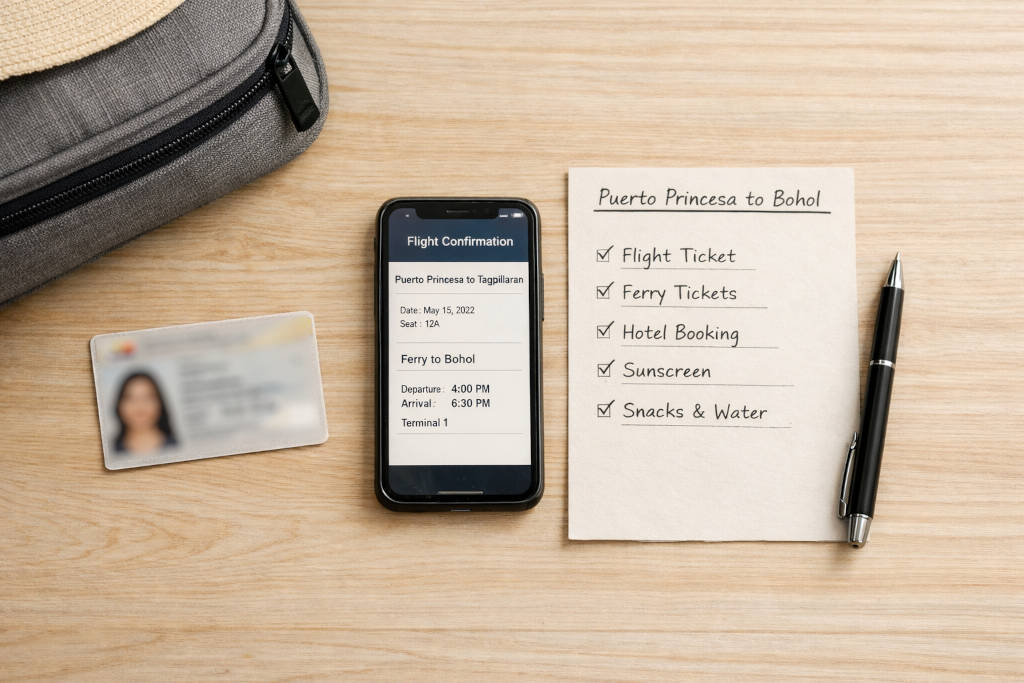
Save these in one place: booking confirmation screenshot, reference number, e-ticket PDF (if provided), baggage add-on receipt, and any emails that show change/refund rules. If you booked through an app, also screenshot the “Manage Booking” page showing passenger names and flight numbers.
Reality Check: Mobile data can be weak in crowded terminals. Offline screenshots beat searching your inbox while in line.
Ferries: What To Save (Booking QR, Sailing Time, Check-In Rules, ID Notes)
Save: booking QR code, sailing time/date, check-in cutoff rule, the exact pier/terminal name, and ID notes (some routes require specific IDs or name matching). If there’s a terminal fee or baggage rule mentioned, screenshot that too.
Reality Check: Ferry confusion is often “wrong terminal, right city.” The terminal name matters as much as the sailing time.
Create A One-Folder “Travel Proof” Set For Easy Rebooking
Create a single phone folder named “Puerto Princesa to Bohol” and store all screenshots there (flight + ferry + hotel + transfers). Add one text note inside your phone with: your booking references, operator hotlines, and your preferred backup route (via Cebu or Manila).
Reality Check: When you’re tired, you’ll forget where you saved things. One folder reduces decision fatigue.
Luggage Rules And Common Friction Points
Luggage is where costs and stress often surprise travelers on Puerto Princesa to Bohol routes—because rules vary by airline and ferry operator, and enforcement can be stricter during busy periods.
Airline Carry-On And Checked Baggage Reality In The Philippines (Explain Variability)
Expect variability in carry-on weight limits and enforcement. Some flights are strict about weighing hand-carry; others are looser, but you shouldn’t plan around “luck.” If you have a laptop, power bank, or camera gear, keep them accessible and follow airline rules on batteries. For checked baggage, pre-purchasing online is usually cheaper than paying at the airport—confirm during booking.
Reality Check: If your carry-on is overweight, you can end up paying last-minute fees at the counter—right when you’re most stressed and most likely to accept any option.
Fast Craft Ferry Baggage Tags, Weight Checks, And Extra Fees
Fast craft ferries may tag bags, weigh items, and charge for larger luggage. Some terminals also involve porter services or extra handling rules. Pack a small foldable tote so you can quickly separate essentials (IDs, chargers, meds) from a larger bag if you need to check or tag something.
Reality Check: Ferry rules can be less standardized than airlines. Read the check-in notes on your ticket and arrive early enough to adjust.
What To Do If You Have Bulky Items Or Many Bags
If you’re traveling with diving gear, musical instruments, or multiple suitcases, call or message the operator ahead (airline or ferry) and confirm handling rules. When in doubt, choose the route with fewer transfers and avoid same-day airport-to-pier connections. Less movement equals less chance of fees, damage, or missed cutoffs.
Reality Check: More bags don’t just add fees—they add time at every step: check-in, security, loading, unloading, and negotiating transfers.
Backup Plan For Delays Or Cancellations (Calm, Step-By-Step)
Puerto Princesa to Bohol trips get easier when you decide your backup before you travel. Your goal is not perfection—it’s staying calm and moving forward safely. For general terminal and transit safety reminders (especially at night), keep this handy: Travel Safety Philippines Guide.
If Your First Flight Is Delayed Before You Even Leave Puerto Princesa
Step 1: Check whether your connection is still realistic with your buffer.
Step 2: If you booked as one itinerary, contact the airline help desk early and request rebooking options (via Cebu or Manila).
Step 3: If you booked separate tickets, assume you may need to self-rebook the second leg. Price-check alternatives immediately while seats still exist.
Reality Check: The earlier you act, the more choices you have. Waiting “to see what happens” is how options disappear.
If You Miss A Connection In Cebu Or Manila
If it’s one booking, go straight to the airline transfer desk and ask for the next available routing to Bohol-Panglao International Airport. If it’s separate tickets, check the airline’s same-day change options (if any) and compare with buying a new leg outright. If you’re stuck overnight, prioritize a safe, simple plan: one hotel, one transfer, and a morning departure.
Reality Check: A complicated “salvage plan” can create more stress than a clean overnight reset—especially if you’re already tired.
If Sea Travel Is Cancelled Or Delayed (Weather And Port Decisions)
Step 1: Confirm whether the cancellation is for a specific sailing or the whole day (ask at the counter and check official advisories at the terminal).
Step 2: Rebook to the next sailing only if conditions are safe and you can still arrive at a reasonable hour.
Step 3: If the sea plan collapses, pivot to a flight-only alternative the next day via Cebu or Manila, or overnight near the port/airport to protect your rest.
Reality Check: Weather calls are safety calls. Treat “cancelled” as a decision made so you don’t have to gamble.
The “Buffer + Overnight” Rule For Anything You Cannot Miss
If you cannot miss a commitment in Bohol (tour booking, event, timed check-in), follow this rule: add a buffer big enough to absorb one delay, and choose an overnight connection if your plan depends on tight airport-to-pier timing or the last sailing of the day.
Reality Check: The cheapest plan isn’t cheap if it forces emergency rebooking. Protect the day that matters most.
Mini Checklist: Low-Stress Timeline (Night Before, Travel Day, Arrival)
Night Before Packing And Screenshot Checklist
- Screenshot: all confirmations, baggage receipts, terminal details, check-in cutoff rules
- Charge: phone, power bank (check airline rules), earbuds
- Pack: IDs, cash, meds, a light layer for cold cabins, a small snack
- Set: one note with booking references and your Plan B route for Puerto Princesa to Bohol
Reality Check: The night-before checklist is the real stress-reducer. Morning-of rushing is where mistakes happen.
Travel Day Timing Checklist
- Arrive early at Puerto Princesa Airport (especially with checked bags)
- Keep a “quick access” pouch for ID, phone, wallet, receipts
- During layovers, locate your next gate early and then rest nearby
- If using Cebu + ferry, leave the airport as soon as you can and treat the port like an airport: arrive early
Reality Check: Most delays don’t “break” a plan—tight buffers do. Your timeline should have room for normal queues.
Arrival Checklist In Bohol (SIM, Cash, Transfer, Rest)
- Decide your transfer method before stepping outside (one clear choice)
- Get enough cash for small fees and transport
- Settle into your accommodation, hydrate, and rest before planning activities
- If you’re heading straight to the coast, confirm travel time and road conditions with your host
Reality Check: The best first hour in Bohol is the calm one—secure basics first, then explore.
FAQ
Is There A Direct Flight From Puerto Princesa to Bohol Or Panglao?
Most of the time, travelers should expect at least one connection for Puerto Princesa to Bohol, often via Cebu or Manila. Direct routes can appear or disappear by season and airline changes, so always confirm on the airline booking page close to your travel date.
Which Is Less Stress: Connecting Via Cebu Or Via Manila?
Cebu is often less stress for many travelers because it can offer simpler domestic connections and a clear ferry fallback. Manila can still be a good choice if the routing is cleaner (fewer terminal changes) or the total itinerary is better protected on one booking. Choose the option with fewer transfers and bigger buffers.
How Long Is Puerto Princesa to Bohol Door-To-Door Including Waiting Time?
For Puerto Princesa to Bohol, plan roughly 5–10 hours with a flight connection (including airport arrival, layover, and arrival transfer). For Cebu + ferry, plan roughly 8–14 hours depending on traffic and ferry check-in rules. Treat these as planning ranges, not guarantees.
Where Should I Book Tickets, And What Screenshots Should I Save?
Book flights via airline sites/apps or reputable booking platforms, then screenshot your confirmation, reference number, and baggage receipts. For ferries, book through the operator’s official site when possible and screenshot your QR code, terminal name, sailing time, and check-in cutoff rule. Store everything in one folder labeled “Puerto Princesa to Bohol.”
How Much Buffer Time Should I Leave For A Connection In Cebu Or Manila?
If it’s one itinerary, follow the airline’s minimum but aim for a more comfortable layover when you can. If it’s separate tickets, use 3–5 hours as your safer buffer, especially if you need to claim and re-check baggage or move terminals.
What Are Typical Luggage Rules And Extra Fees?
Rules vary by carrier and route. Expect possible carry-on weighing, fees for checked baggage, and stricter enforcement during peak travel days. For ferries, expect baggage tags, possible weight checks, and occasional extra handling fees. Always confirm baggage rules during booking and re-check close to travel.
If I Miss My Ferry Because My Flight Arrived Late, What’s My Backup Plan?
Go to the ferry operator counter immediately and ask for rebooking to the next available sailing (policies vary). If sailings are limited or weather is worsening, switch to an overnight plan in Cebu and pivot to a flight-only route the next day. Keep your receipts and screenshots ready for smoother rebooking conversations.
Should I Overnight In Cebu Or Manila For A Safer Connection?
Yes, if your connection is tight, you’re arriving late, you have many bags, or you cannot afford to miss something in Bohol. An overnight can lower stress, protect rest, and reduce the chance of paying for last-minute rebooks.
What’s The Easiest Transfer After Landing In Bohol-Panglao International Airport Or Arriving At Tagbilaran Port?
The easiest transfer is the simplest one: a reputable direct ride or a pre-arranged hotel pickup, especially if you have luggage. Shared vans can be cheaper but add waiting and extra stops. If you’re arriving at Tagbilaran Port and heading to Panglao, plan extra time for traffic and loading.
If you want next-step planning after Puerto Princesa to Bohol, browse More Bohol Travel Guides On Bakasyon.ph and keep more planning templates nearby via More Tips And Inspiration On Bakasyon.ph. With a buffered route, saved screenshots, and a clear Plan B, Puerto Princesa to Bohol can feel straightforward—calm, organized, and very doable.