Vigan is one of the easiest heritage towns in the Philippines for a slow photo walk: the core streets are compact, the landmarks are close together, and you can mix walkable stops with short tricycle or kalesa rides. This guide focuses on photography spots in Vigan that are simple to access, safe to approach at a relaxed pace, and friendly for both phone and camera shooters.
Expect a “light-first” plan: early starts for softer light and fewer crowds, midday for museums and details, and late afternoon into blue hour for plazas and street lamps. No dangerous hikes, no rushing—just practical timing, respectful etiquette, and small adjustments that make photos look cleaner.
Quick “How to Use This Guide”
You can use this guide in three ways:
- As a 1-day route: sunrise streets + midday museums + sunset plaza + blue hour details.
- As two half-days: do early morning heritage streets on Day 1, then do Bantay + plazas on Day 2.
- As a relaxed weekend: repeat your favorite street at different light, and keep a rain-friendly museum slot ready.
A simple route shape (easy, low-stress): start at Calle Crisologo at sunrise, pass the cathedral area and Plaza Burgos for breakfast, save museums for midday, then go to Bantay for late afternoon light, and finish at Plaza Salcedo for sunset to blue hour. If you want broader planning basics (cash, transport rhythm, timing), keep this handy: Philippines travel planning guide for first trips.
Reality check: The “best” photos often happen when you wait for a small gap in crowds or a better cloud break. Build tiny buffers (5–10 minutes) at each stop so you don’t feel rushed.
Best Times for Light in Vigan (Simple and Practical)
Golden Hour: Soft Light, Kind Shadows
Golden hour is shortly after sunrise and shortly before sunset. In Vigan’s heritage streets, golden hour is when textures (cobblestones, capiz windows, woodwork) look more three-dimensional and faces look gentler if you’re photographing companions. This is the best time for wide street scenes and façades.
Blue Hour: Calm, Even Mood After Sunset
Blue hour is the short window just after sunset when the sky turns cool and street lamps start to glow. It’s great for plazas, fountains, and night street scenes—especially if your phone has night mode and you can stabilize it. Blue hour also helps when you want a “quiet” mood without harsh shadows.
Midday: Harsh Contrast, Better for Details Indoors
Midday sun can be strong in Ilocos: high contrast, blown highlights on white walls, and deep shadows under roofs. Instead of fighting it, use midday for museums, heritage houses, shaded arcades, food stops, and detail shots (doors, knockers, signage, and textures).
Check Sunrise and Sunset, Then Adjust for Clouds
Rather than memorizing “ideal” times, check your weather app for the day’s sunrise and sunset and plan around that. Cloud cover matters: thin clouds can give softer light longer, while heavy overcast can flatten contrast (which is often good for even portraits and building details). If it’s rainy season, expect more showers and plan indoor stops you can move to quickly. For a conservative, planning-oriented overview, see Philippines weather guide and best months to travel.
Reality check: If it’s very bright, the goal is not “perfect light”—it’s comfortable timing. Move street scenes to early/late and use midday for shaded or indoor options.
Easy Photo Spots in Vigan (Walkable Core + Short Rides)
Below is the main list of photography spots in Vigan with four things for each stop: what to shoot, best light timing, crowd strategy, and access notes. These are designed to be simple, safe, and realistic to do in one day or across two half-days.
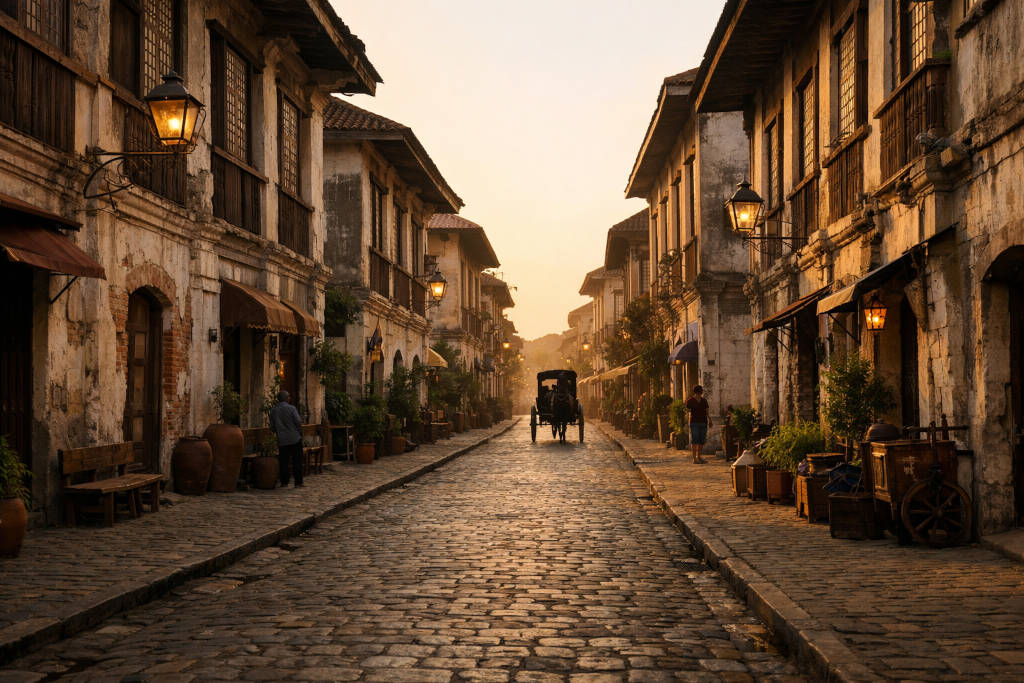
Calle Crisologo (Early Morning Street Scenes)
- What to shoot: heritage façades, cobblestones, window textures, street lamps, quiet storefront lines, and kalesa silhouettes passing through.
- Best time of day: morning golden hour for soft light on façades; blue hour for lamps and a calmer night look.
- Crowd strategy: go early for cleaner frames; if it’s busy, shoot upward angles (windows and rooflines) or frame tighter on doors and details to avoid faces. Waiting 30–60 seconds for a gap often works better than forcing a wide shot.
- Access notes: walkable within the heritage core. Wear shoes with grip—cobblestones can be uneven and slippery after rain.
Reality check: Calle Crisologo can get crowded fast. If you want a quiet street look, sunrise timing matters more than camera gear.
 Nearby Heritage Side Streets (Quieter Alternatives)
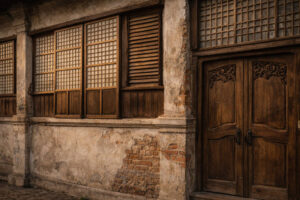
- What to shoot: quieter façades, textured walls, wooden doors, alley-style lines, and “everyday Vigan” scenes without the densest crowds.
- Best time of day: morning golden hour or late afternoon when shadows are longer and softer.
- Crowd strategy: step one or two streets away from the main stretch; use building corners to create leading lines; avoid aiming into private windows.
- Access notes: walkable from Calle Crisologo. Keep street awareness and watch for tricycles passing through tighter lanes.
Reality check: “Less famous” streets can give stronger photos because you’ll have time to compose without blocking anyone.
 Vigan Cathedral Exterior Area (Respectful Wide Shots)
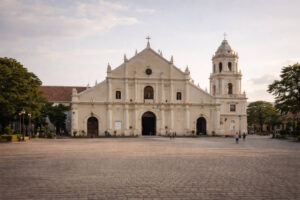
- What to shoot: church exterior, plaza edges, architectural symmetry, doorway details, and wide establishing shots that show scale without getting too close.
- Best time of day: early morning for softer shadows; late afternoon for warmer tones on stone and walls.
- Crowd strategy: shoot from a respectful distance; avoid photographing worshippers up close; if it’s busy, frame the architecture higher to keep faces out.
- Access notes: walkable from Calle Crisologo and nearby streets. Dress respectfully if you plan to step inside, and keep your volume low.
Reality check: Churches are active religious spaces. If a mass or event is happening, treat photography as secondary to respect and movement flow.
Plaza Burgos and the Nearby Food Area (People Etiquette First)
- What to shoot: street-food scenes, hands preparing snacks, signage details, steam and textures, and wider “market energy” frames that don’t single out faces.
- Best time of day: late afternoon to early evening when people gather and light becomes softer; midday for detail shots in shade.
- Crowd strategy: avoid aiming directly at people eating; shoot from the side; focus on food, hands, and stall layouts; ask permission if you want a clear close-up of a vendor.
- Access notes: walkable within the heritage core. Keep your bag secure and stay aware of traffic and tight sidewalks.
Reality check: The most comfortable “people photos” are the ones where you asked first or kept faces unidentifiable.
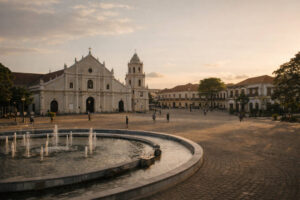 Plaza Salcedo (Late Afternoon, Sunset, and Night Option)
- What to shoot: wide plaza scenes, fountain area, reflections after rain, and blue hour frames with lights turning on.
- Best time of day: late afternoon into sunset; blue hour for a calmer, balanced exposure between sky and lights; night for a more dramatic look.
- Crowd strategy: shoot wider and lower to include patterns and reflections; wait for a cleaner moment; avoid blocking paths—step to the side when composing.
- Access notes: walkable from the cathedral area. If you’re aiming for the fountain show, note that schedules can change—verify locally the same day.
Reality check: Blue hour is short. If you want that look, arrive a little early, decide your angle, and be ready to shoot as the sky color shifts.
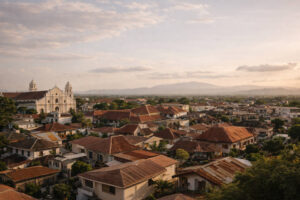 Bantay Church and Bantay Bell Tower (Easy Viewpoint, Short Ride)
- What to shoot: viewpoint shots (townscape), church exterior, bell tower textures, and framed views through arches or openings.
- Best time of day: late afternoon for warmer tones and gentler shadows; morning can also work if skies are clear.
- Crowd strategy: if the viewpoint is busy, wait for gaps; shoot tighter on textures and architectural details; avoid blocking stairs and narrow passages.
- Access notes: usually a short tricycle ride from Vigan’s core. There may be stairs to reach certain angles—still “easy,” but take it slow and use handrails if needed.
Reality check: Viewpoints are shared spaces. Keep your setup compact and let others pass—especially on stairs.
Museum or Heritage House Stop (Midday and Rain-Friendly)
Pick one or two indoor stops for harsh midday light or sudden showers. Museums and heritage houses are also good for quiet detail shots—wood grain, vintage furniture, old photographs, and signage—without needing perfect weather.
- Good options: Syquia Mansion, Padre Burgos House, Crisologo Museum, or the National Museum Ilocos Complex (choose based on what’s open and closest to your route).
- What to shoot: architectural details, stair rails, windows, heritage artifacts, and textures. Prioritize “space” shots that don’t include identifiable faces.
- Best time of day: midday (when streets are harsh) or rainy hours.
- Crowd strategy: shoot corners and details; wait for empty rooms when possible; keep your gear close and quiet.
- Access notes: mostly walkable within town or a short ride. Follow posted rules (often no flash, sometimes no tripod, sometimes limited areas).
Reality check: Indoor light is lower. The goal is not “bright,” it’s “steady.” Stabilize first and accept a quieter mood.
Pagburnayan (Burnay Pottery) for Texture and Craft Details
- What to shoot: clay textures, hands shaping pottery, kiln details, stacked jars, and wide shots that show the work area without crowding artisans.
- Best time of day: morning or late afternoon for softer light; midday is fine if you focus on close-up textures in shade.
- Crowd strategy: keep your distance and don’t hover; if it’s busy, shoot from the side and focus on tools and textures.
- Access notes: usually a short tricycle ride. Ask permission before photographing artisans up close, and follow any shop rules.
Reality check: Craft spaces are workplaces. A respectful, quick photo is better than a long setup that slows someone’s work.
A Simple Photo Walk Plan (1 Day, Low Stress)
Morning (Golden Hour + Quiet Streets)
Start at Calle Crisologo for wide street scenes and façades while it’s quiet. Then move toward the cathedral exterior area for architecture shots. If you want a food stop, pass by Plaza Burgos for breakfast and simple street details.
Midday (Indoor + Shade)
Choose one museum or heritage house while the light is harsh. Use this time for detail shots, quiet compositions, and a break from heat. If rain arrives, this is also your built-in shelter block.
Late Afternoon to Blue Hour (Viewpoint + Plaza)
Take a short ride to Bantay for late afternoon light, then return to Plaza Salcedo around sunset. Stay through blue hour if your energy and comfort allow—this is when lights and sky balance nicely.
Reality check: If you’re tired, skip one stop. A calm pace usually produces better photos than a checklist.
Respectful Photography Etiquette (Non-Negotiable Basics)
Vigan’s heritage core is a lived-in place: residents, workers, worshippers, and visitors share the same streets. Good etiquette protects your safety, your comfort, and everyone else’s space. It also supports long-term heritage care—Vigan is recognized as a World Heritage site (see UNESCO’s listing: Historic City of Vigan).
Ask Permission for People, Vendors, and Artisans
- If you’re photographing an individual up close, ask first—especially vendors, drivers, and artisans.
- Be extra cautious with children: avoid identifiable photos without a parent or guardian’s clear consent.
- If someone says no, accept it calmly and move on.
Churches and Museums: Follow Posted Rules
- Follow “no flash,” “no tripod,” and “quiet” rules when posted.
- Dress appropriately in church areas and avoid blocking aisles or doorways.
- Don’t touch artifacts or move objects “for composition.”
Protect Heritage Structures and Keep Walkways Clear
- Don’t climb, lean on, or put weight on heritage features for an angle.
- Don’t block Calle Crisologo (or narrow streets) for long setups—step aside between shots.
- Be mindful of animals in any setting: avoid flash and avoid stressing them.
Small Street-Safety Habits
Keep awareness on busy streets, watch where you step on uneven stones, and keep valuables secure—especially in crowds. A short review of basics can help, especially if you’re new to city photo walks: travel safety guide for the Philippines.
Reality check: The safest and most respectful shot is the one that doesn’t force others to adjust around you.
Simple Phone and Camera Tips (Beginner-Friendly)
Phone Tips That Make an Immediate Difference
- Clean the lens first: a quick wipe removes haze and boosts contrast.
- Turn on grid lines: use the grid to keep buildings straight and horizons level.
- Tap-to-focus, then adjust exposure: tap the main subject and lower exposure slightly if bright walls are blowing out.
- Use HDR when helpful: HDR can handle bright sky + shaded street better, but avoid it if it makes people look unnatural.
- Use 2x (or step back) for buildings: wide lenses can bend vertical lines. A 2x lens or stepping back reduces distortion on façades.
- Night mode needs stability: brace on a post, wall (without leaning on fragile heritage surfaces), or use a small support where allowed.
- Avoid heavy digital zoom: move closer if safe, or crop later for cleaner detail.
Camera Tips (Optional and Short)
- A normal focal length is flexible: a general-purpose lens works for streets, doors, and portraits from a respectful distance.
- Bring power: extra battery or a power bank helps, especially for night shooting.
- Tripod only if allowed: many indoor heritage spaces don’t allow it; keep your setup small and polite.
- Low light approach: stabilize first, then keep shutter reasonable—avoid blasting flash in public heritage spaces.
Reality check: Straight lines and steady shots matter more than “pro” settings. Start with stability and simple exposure control.
Weather and Rain Protection Notes (Plan for Sudden Showers)
Vigan weather can change quickly, especially in rainy months. Overcast skies can actually be helpful for photos (even light, fewer harsh shadows), but heavy rain is your cue to shift indoors and return to the streets when it clears. For conservative timing guidance across seasons, refer back to Philippines weather guide and best months to travel.
What to Pack for Rain and Humidity
- Umbrella or rain jacket
- Small towel or microfiber cloth (for hands and lens)
- Ziplock bag or dry bag for phone/camera during sudden downpours
- Silica gel packs if staying overnight (helps with humidity)
If you want a general checklist you can reuse for other trips, this is a practical baseline: Philippines packing list guide.
Rain Changes the Streets (Safety and Photo Bonus)
- Slippery cobblestones: walk carefully, especially when stepping off curbs and around puddles.
- Reflections: after rain, plazas and stones can reflect lights and sky—great for simple, moody frames.
- Indoor swap: keep a museum or café option ready so your day doesn’t stall.
Reality check: Don’t fight heavy rain. Protect your gear, go indoors, and return when the shower softens—your photos (and mood) will improve.
Budget and Comfort Notes (Short and Practical)
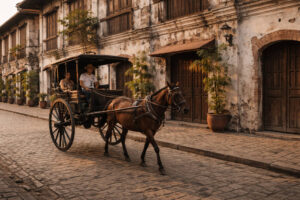 Vigan photo walks are mostly “low-cost,” but a few items commonly add up: short tricycle or kalesa rides between landmarks, museum entry fees or donations, snacks, and bottled water. Prices vary, so treat costs as planning ranges rather than exact numbers. If you like seeing how day-to-day travel costs can scale (budget to comfort), this is a helpful reference: sample Philippines travel budgets.
- Comfort tip: keep small bills for short rides and small purchases.
- Pacing tip: budgeting for one or two short rides can make the walk feel much easier without turning it into an expensive day.
Reality check: The biggest “comfort upgrade” is not a new lens—it’s avoiding rushed walking in heat by using a short ride when needed.
Quick Reference: Crowd-Friendly Shots That Still Feel “Vigan”
- Architectural details (windows, doors, knockers) when streets are crowded
- Kalesa scenes shot from the side, without blocking the path
- Plaza wide shots that include patterns, trees, and sky rather than close faces
- Blue hour lamps and reflections after rain
- Indoor heritage details during midday harsh light
Reality check: If you feel awkward photographing crowds, shift to details and wider scenes. You’ll still come home with strong frames.
More Tips & Inspiration
If you’re building a simple itinerary around photo-friendly stops (and want calm planning ideas), browse more Tips & Inspiration guides.
For a minimal landmark overview you can reference while planning locations, Vigan’s general background is summarized here: Vigan. Keep local verification as your final step, especially for opening hours and event schedules.
With early starts, respectful behavior, and a rain-friendly backup, photography spots in Vigan become easy to enjoy at a relaxed pace—whether you follow a 1-day loop or spread it across two half-days.