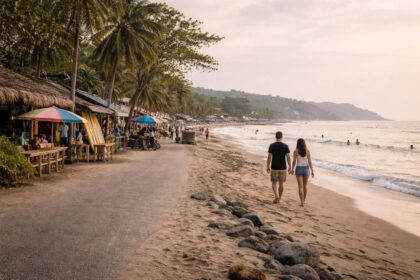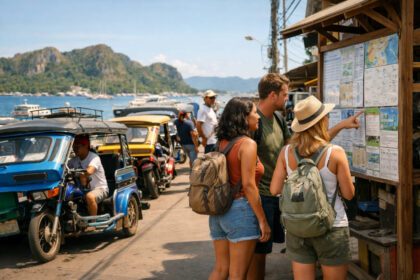
The Philippines is the kind of place where a day can start with sticky seaside heat, swing into mall aircon that feels like a freezer, then end with a sudden downpour that soaks your shoes fast. This Philippines packing list guide is built for that reality. The goal is not packing more, it is packing smarter by trip type so you stay dry, comfortable, and ready for quick weather shifts.
Use a simple system: build one base kit, then add the right modules depending on whether you are doing mountains, island-hopping, or city weekends. If your itinerary mixes beaches and cities (very common), you will see exactly what to combine without overpacking.
At-a-Glance Packing Triggers
| Trigger | What it changes | What to add |
|---|---|---|
| Dry season vs rainy season | Wet shoes, damp clothes, and tech protection | Poncho or rain shell, extra socks, bag liner/dry bags |
| Mountains/highlands | Cool mornings, slippery trails when rain hits | Light warmth layer, packable shell, blister care |
| Island-hopping | Full-body sun exposure and salt spray | Rash guard, dry system, reef shoes/water sandals |
| City weekends | Heat outside, strong AC inside, commuting | Light layer for AC, hands-free bag, small rain kit |
Reality check: Humidity is a quiet packing bully. Cotton stays damp longer, and wet items may not dry overnight in your room, especially during rainy season.
Intro: Pack Smarter by Trip Type, Not One Giant List
Think of your packing as a base kit plus add-ons. Start with the base essentials below, then add the modules that match your trip. For beach + city itineraries, most travelers combine the Island module (sun + waterproofing) with the City module (AC layers + day-bag safety habits). For mountain trips, the big change is cool mornings and rain-slick surfaces.
After you build your list, skim these smart packing tips for travelers and do one quick “cut pass.” This checklist works best when you remove duplicates and “maybe” items before you zip the bag.
Reality check: Light packing usually feels easier in the Philippines because you will walk more than expected, climb boat steps, and navigate tricycles, jeepneys, and stations where bulky luggage adds stress.
Base Essentials for Any Philippines Trip
Documents, money, and backups
Musts: Passport (or valid ID for domestic travelers), flight and hotel confirmations, travel insurance details, and at least one backup card. Keep digital copies saved offline (screenshots of key bookings) and store scans in a secure cloud folder. Treat waterproofing as part of your document plan.
- Waterproof document sleeve or zip pouch (passport, cash, receipts)
- Small amount of cash in mixed bills (many small towns and boat fees are cash-first)
- Two cards stored separately (one in wallet, one in bag)
- Emergency contact card (paper) plus local address notes
Reality check: Even in popular destinations, ATMs can run out of cash or go offline. A small cash cushion prevents late-night scavenger hunts.
Clothes baseline (quick-dry, breathable, plus one AC layer)
Plan for humidity, sudden rain, and strong indoor aircon. Quick-dry fabrics rinse and dry faster than cotton and usually feel more comfortable day-to-day.
- 3–5 quick-dry tops (adjust up if you prefer fresh outfits daily)
- 2–3 bottoms (shorts, light pants, or a skirt you can walk in)
- 1 light long-sleeve or thin overshirt (sun and mosquito protection)
- 1 light sweater or packable jacket for AC-heavy buses and malls
- Undergarments that dry fast
- Swimwear (1–2 sets) and a cover-up or easy throw-on layer
Reality check: Laundry can dry slowly in humid rooms. Plan a rotation that still works if yesterday’s shirt is a bit damp.
Footwear baseline (one walking pair, one water-friendly option)
A simple combo covers most itineraries: one comfortable walking shoe with grip (light trainers or trail runners) plus one water-friendly option (sandals with straps or reef shoes). Traction matters more than style on wet tiles, ferry ramps, and sudden puddles.
- Walking shoe: cushioned trainers or trail runners with grip
- Water-friendly: strapped sandals or reef shoes (not flimsy flip-flops)
- 3–5 pairs of socks (quick-dry helps a lot)
Reality check: Slippery surfaces are common after rain. A grippy sole reduces “small injuries that ruin the day.”
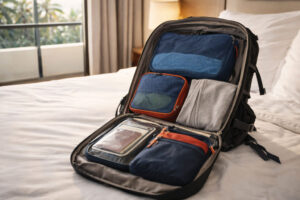 Packing light tip: Domestic flights often have strict baggage limits and carry-on checks can happen. Keep one “wear on travel day” outfit for bulkiest items, use a small compression cube, and decant liquids. For a simple system, bookmark how to pack light with a smaller backpack.
Trip Type 1: Mountains and Highlands
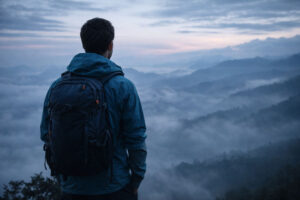
Highland mornings in places like the Cordilleras can feel crisp at dawn, and rain can turn paths slick quickly. The goal is warmth you can peel off by lunchtime.
Mountain module: layering (simple 3-layer system)
- Base layer: breathable tee (or light long-sleeve if you get cold)
- Mid layer: light fleece or thin sweater (warmth without bulk)
- Outer layer: packable wind/rain shell (hooded is best)
- Optional: leggings or light pants for chilly mornings
Reality check: Highlands can be sunny and cool at the same time. Sun protection still matters.
Footwear and socks (grip, blister prevention)
- Trail runners or light hiking shoes (focus on grip)
- Extra socks (pack at least one “dry emergency pair”)
- Blister care: hydrocolloid plasters, tape, small antiseptic wipes
Reality check: If rain hits mid-hike, shoes may not dry overnight. A spare dry sock pair can save your next morning.
Mountain day bag (self-sufficient without overloading)
- Small daypack with a rain cover
- Reusable water bottle plus electrolytes
- Light snacks (nuts, biscuits, fruit)
- Headlamp or small flashlight (early starts, occasional brownouts)
- Mini first aid (blister care, bandages)
- Light rain layer and a small dry pouch for phone
Trip Type 2: Islands and Island-Hopping
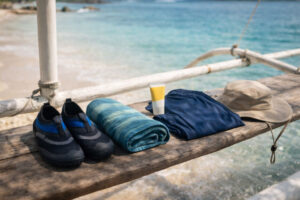
Island days are dreamy, but they are also a full-body exposure situation: sun from above, sun bouncing off water, salt spray, wet boat seats, and occasional surprise rain. Treat this module as “sun + dry system.”
Sun and sea protection
- Sunscreen you will actually reapply
- Rash guard (long-sleeve if you burn easily)
- Hat or cap with a secure strap (boat wind is real)
- Sunglasses with UV protection
- After-sun gel or soothing lotion
Reality check: You can burn even on cloudy boat days. Exposure adds up fast when you are out for hours.
Dry and waterproof system (layered, not one item)
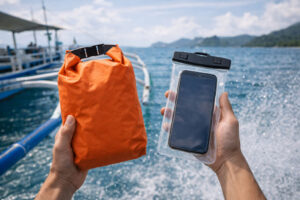
- 5–10L dry bag (bigger if you carry a camera)
- Waterproof phone pouch (touchscreen-friendly)
- Zip bags in multiple sizes (cash, chargers, small items)
- Quick-dry towel (compact)
- Wet bag for swimwear so it does not soak everything else
Reality check: Boat spray can feel like rain, and “dry space” is limited on small boats. Assume something will get splashed.
Boat day bag checklist
- Swimwear and rash guard
- Reef shoes or water sandals (rocky entries, sea urchin zones)
- Motion sickness meds or ginger candies (only if you are sensitive)
- Dry pouch with cash for fees and lunch stops
- Snacks, water, and electrolytes
- Light layer for wind
Trip Type 3: City Weekends
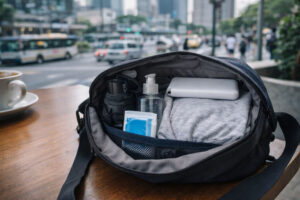
Cities can be sweaty outdoors and freezing indoors. The packing win is a flexible outfit system and a day bag that keeps essentials close and hands-free.
City outfit strategy (light layers, rain-ready)
- Breathable tops and easy-walk bottoms
- One light jacket/cardigan for AC-heavy malls, cinemas, and buses
- Packable umbrella or light rain shell
- One slightly nicer outfit for dinners or rooftop views
Anti-theft and daily carry (simple habits)
- Small sling or crossbody with zippers (keep it in front in crowds)
- Phone lanyard or wrist strap (optional, but helpful)
- Minimal wallet: one card, some cash, one ID copy
Reality check: Most trips are smooth, but crowded transport is where small losses happen. Simple habits beat overthinking.
City day kit (comfort + “tiny problems” solved fast)
- Wipes or tissue, plus hand sanitizer
- Small umbrella (or rain shell if you hate umbrellas)
- Power bank and cable
- Reusable water bottle
- Mini deodorant and lip balm
- Sunscreen stick or small tube for reapplication
Weather-Specific Add-ons (Clear If/Then Rules)
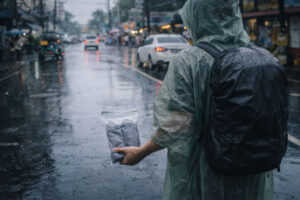
In dry season, you mainly manage heat and sun. In rainy season, you manage wet shoes, damp clothes, and keeping tech alive. For planning, check the Philippines weather and best months to visit guide and confirm week-of conditions on PAGASA, the official weather service.
If rainy season: add these
- Light poncho or rain shell (poncho covers your bag too)
- Extra socks (at least 2 more than your usual plan)
- Backpack rain cover, or line your bag with a trash bag
- Quick-dry shorts or pants (avoid heavy denim)
- Small microfiber towel for emergency wipe-downs
Reality check: Rain often arrives as quick bursts, not gentle drizzles. Seal a “dry set” (socks + shirt) inside a zip bag.
If cool months/highlands: add these
- Light sweater or fleece (one warm item that layers well)
- Scarf or buff (small, cozy, useful on chilly rides)
- Sleep socks if you run cold
Tech and Power Essentials (Simple, Practical)
Keep tech minimal: stay charged, stay connected, and protect your phone from water and sand. For a deeper checklist, see travel tech essentials in the Philippines.
- Power bank you trust for full-day use
- Charging cable plus a spare if you are moving often
- Universal adapter (useful for mixed plug setups)
- Offline maps downloaded for your destinations
- Local SIM or eSIM plan details (plus SIM pin tool if needed)
- Water protection: phone pouch, small dry bag, optional silica gel packs
Safety and Health Kit (Practical, Not Alarmist)
Think prevention and comfort: blisters, stomach surprises, bites, sunburn, and small cuts. If you want a general reference list, the CDC’s traveler guide has a useful overview: CDC packing list for the Philippines. For local-context habits, keep travel safety tips for the Philippines handy.
- Personal prescriptions (plus a photo of the prescription)
- Pain reliever and antihistamine (only if you normally use them)
- Anti-diarrheal and oral rehydration salts or electrolytes
- Bandages, antiseptic wipes, blister plasters
- Insect repellent and bite relief cream
- Small sunscreen and lip balm with SPF
Reality check: Pharmacies are common in cities, but not always close in island towns or mountain areas. Packing basics can prevent losing half a day searching for supplies.
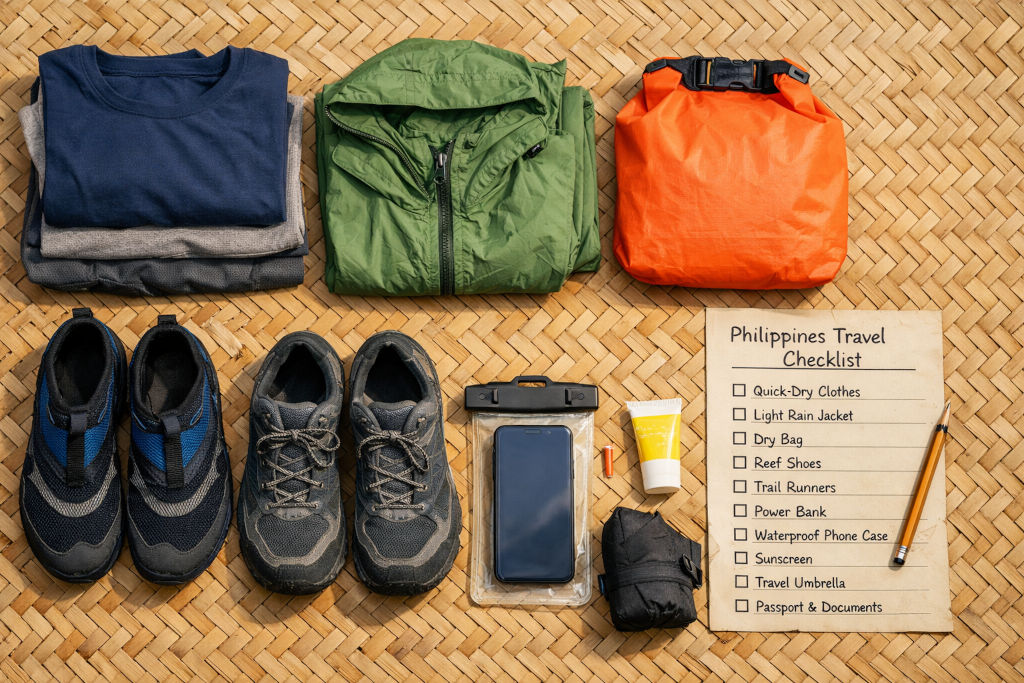
Printable Philippines Packing Checklist
Use this as a fast final scan. Base kit first, then the module for your trip type, then weather add-ons.
Base Essentials
☐ Passport or valid ID
☐ Travel insurance details (digital copy)
☐ Booking confirmations (saved offline)
☐ Cash in small bills
☐ Cards (stored separately)
☐ Waterproof document pouch
☐ Quick-dry tops
☐ Light bottoms (shorts or pants)
☐ Light long-sleeve (sun or mosquitoes)
☐ Light jacket or cardigan (aircon)
☐ Underwear and sleepwear (quick-dry if possible)
☐ Walking shoes (good grip)
☐ Water-friendly sandals or reef shoes
☐ Socks (plus 1 emergency dry pair)
☐ Toiletries (decanted liquids)
☐ Sunscreen and lip balm
☐ Reusable water bottle
☐ Wipes or tissue and hand sanitizer
☐ Zip bags (multiple sizes)
☐ Power bank and charging cable
☐ SIM or eSIM plan details
Mountains and Highlands Module
☐ Light fleece or sweater
☐ Packable rain shell or windbreaker
☐ Trail shoes or grippy trainers
☐ Extra socks (mountain set)
☐ Blister care (plasters or tape)
☐ Headlamp or small flashlight
☐ Daypack rain cover
☐ Electrolytes and snacks
Islands and Island-Hopping Module
☐ Swimwear
☐ Rash guard
☐ Sunscreen you will reapply
☐ Hat or cap (secure)
☐ Sunglasses
☐ Dry bag (5–10L or more)
☐ Waterproof phone pouch
☐ Quick-dry towel
☐ Wet bag for swimwear
☐ Motion sickness meds (if needed)
City Weekends Module
☐ Sling or crossbody bag (zippered)
☐ Mini umbrella or light rain shell
☐ Extra light layer for aircon
☐ Power bank (day use)
☐ Minimal wallet setup (cash, one card, ID copy)
☐ Small refresh kit (deodorant, lip balm)
Weather Add-ons
☐ Rainy season: poncho or better rain shell
☐ Rainy season: 2 extra pairs of socks
☐ Rainy season: backpack rain cover or bag liner
☐ Cool highlands: scarf or buff
☐ Cool highlands: sleep socks (optional)
Final reality check: If your bag feels heavy during a short “test walk,” it will feel heavier on ferry ramps and city sidewalks. Remove duplicates and “maybe” items, then do one final scan against the checklist.