Philippines hostel guide means different things depending on your travel style. Some travelers want a social dorm where it is easy to find island-hopping buddies. Others want a quiet guesthouse where mornings feel slow and you can actually hear yourself think. And plenty of people fall somewhere in the middle: a simple, clean place with reliable AC, a hot shower (or at least good water pressure), and a location that will not make early ferry days feel impossible.
This Philippines hostel guide is for backpackers, solo travelers, couples on a budget, and quiet travelers who still want value. Instead of naming dozens of specific properties, it focuses on decision-making: how dorm hostels compare to guesthouses and simple inns, how to spot the vibe before booking, how to read reviews like a pro in Philippine travel realities, and how to stay safe and comfortable across popular destinations. If you only remember one thing from this Philippines hostel guide, it is this: pick for sleep, logistics, and vibe first, then compare prices.
What Budget Stays Feel Like in the Philippines (Philippines Hostel Guide Basics)
Budget accommodations in the Philippines often come with charm: breezy common areas, friendly staff who remember your name, and a casual flow that makes travel days feel lighter. But they also come with local realities: heat that makes good AC feel priceless, rainy-season damp that can creep into rooms, and noise that can be surprisingly normal (karaoke, tricycles, roosters, late-night beach bars).
The goal is not perfection. It is fit: choosing the kind of stay that matches your energy, your sleep needs, and your itinerary (especially if you have early port transfers or day tours). That “fit over hype” idea is the heart of this Philippines hostel guide.
Hostel Dorms vs Guesthouses vs Simple Inns
In the Philippines, these categories can overlap. A “hostel” might have private rooms. A “guesthouse” might feel like a boutique inn. Still, the vibe differences tend to be consistent. For a quick general definition of a hostel, see this overview of hostels, and for guesthouses, this overview of guest houses. Then come back to the practical differences below, which this Philippines hostel guide is really about.
Dorm Hostels
 What it feels like: Social by default. You will likely share a room, bathrooms, and common spaces. Many dorm hostels in beach towns are built around tours: surf, island hopping, nightlife, or group dinners.
Who it fits best: Solo travelers who want built-in community, backpackers who prioritize value, and travelers who do not mind a little unpredictability in exchange for meeting people.
Potential tradeoffs: Noise, lights, late arrivals, and shared bathroom timing. If you are a light sleeper, you will want to be more selective (and pack earplugs).
Guesthouses
What it feels like: Smaller, calmer, more personal. Guesthouses often have a homey rhythm: simple rooms, a compact common area, and staff who can help with local logistics without the “party” energy.
Who it fits best: Quiet travelers, couples on a budget, and anyone who wants privacy without paying resort prices.
Potential tradeoffs: Facilities can be basic, and you may need to manage expectations about hot water, water pressure, or Wi-Fi consistency in remote areas.
Simple Inns and Budget Hotels
What it feels like: More straightforward and private: a room, a key, usually a front desk. In cities, simple inns can be practical for transport connections and early departures.
Who it fits best: Travelers who want a quieter night, those arriving late, people on tight itineraries, and anyone who prefers not to share spaces.
Potential tradeoffs: Less social vibe, sometimes fewer local touches, and occasionally a “functional” feel rather than character.
Social vs Quiet Stays: How to Spot the Vibe Before Booking
The vibe is often the difference between “perfect trip energy” and “I wish I slept better.” In this Philippines hostel guide, think of vibe as a clue you can read in photos, descriptions, and reviews.
Signs a Place Leans Social (or Party-Forward)
- Photos emphasize a bar, beer pong table, or nightly events.
- Review keywords include “party,” “pre-drinks,” “shots,” “late,” “music,” “DJ,” or “went out every night.”
- The property description pushes pub crawls, nightly dinners, or “social hostel” language.
- Location is right next to beach bars or a nightlife strip (fun, but not always quiet).
This can be great if you want community and do not mind noise. But if you are doing early tours (think 6:00 AM van pickups) or early ferry mornings, party-forward stays can quietly drain you.
Signs a Place Leans Quiet (or Rest-Forward)
- Photos show reading corners, shaded patios, or small gardens rather than bars.
- Review keywords include “peaceful,” “sleep well,” “quiet at night,” “family-run,” “calm,” or “good for remote work.”
- Rules mention quiet hours, limited visitors, or a front desk presence.
- It is a short walk away from the loudest strip (still convenient, less intense).
Quiet does not mean “boring.” It often means you will have better recovery, so your beach day, dive day, or city day feels smoother.
How to Read Reviews Like a Pro (Philippines Edition)
Reviews are your best tool, but only if you know what to look for. In the Philippines, the most useful review keywords often relate to comfort basics and environmental realities, not fancy amenities. This is a core skill in any Philippines hostel guide, because listings can look similar while the real experience differs.
 Review Keywords That Matter a Lot
- Noise: Look for mentions of karaoke, tricycles, bars, roosters, thin walls, or “you can hear everything.” Also note whether noise is inside the property (late-night guests) or outside (street life). Outside noise can sometimes be solved with room placement or earplugs; inside noise is harder.
- AC strength: “Cold AC” is a real luxury in peak heat. If multiple reviews mention weak AC, take it seriously.
- Water pressure and hot water: In island towns, water pressure can be the difference between a quick rinse and a frustrating shower. “Hot water” can be inconsistent; decide what you can tolerate.
- Cleanliness: Focus on bathrooms and bedding comments, not just general “clean.”
- Mold/damp (rainy season): If reviews mention damp smell, mold spots, or wet bedding, that is a comfort flag, especially during wet months.
- Location to port/terminal: If you have an early ferry or a flight day, being close to the port or easy transport pickup matters more than being near a “cute” street.
- Staff presence: A helpful front desk or owner presence often means better security, smoother check-ins, and calmer problem-solving during disruptions.
- Lockers/security: Look for “big lockers,” “secure storage,” “keycard,” or “cameras,” and note whether you need your own padlock.
- Wi-Fi reliability: If you need to work, look for multiple reviews confirming stable Wi-Fi, not just one mention.
How to Weigh a Few Bad Reviews (Without Panic)
In budget travel, a handful of bad reviews is normal. What matters is the pattern. If one person says “noisy,” but ten say “quiet,” it might be a one-off or a room-location issue. If many people mention the same thing (weak AC, dirty bathrooms, damp smell) treat it as a real signal.
Also pay attention to recency. A place can improve (or decline). New management, renovations, and rainy season conditions can shift the experience quickly.
Common Facilities in the Philippines (What is Typical, What is Worth Paying For)
Facilities can vary by destination, but many budget stays share a familiar set of features. Knowing what is typical helps you pack smarter and choose upgrades intentionally.
What is Typical (Often Included)
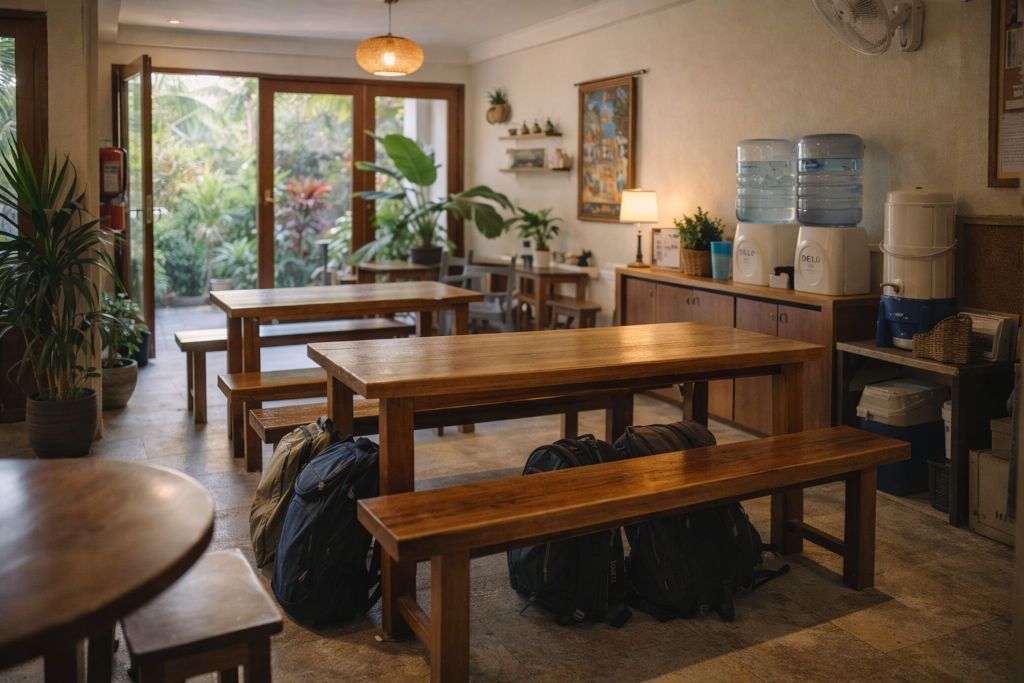
- Water refill station: Very common in hostels and guesthouses. Bring a reusable bottle.
- Shared kitchen: More common in hostels. Great for quick breakfasts, but keep expectations simple.
- Laundry options: Sometimes on-site, sometimes a nearby service they recommend. In humid weather, laundry turnaround matters.
- Towel rental: Often available for a fee (and sometimes small towels only).
- Lockers: Common in dorm hostels, less guaranteed in guesthouses. Check locker size in reviews if you carry a larger pack.
What is Often Worth Paying Extra For
- Strong AC: If you sleep poorly in heat, prioritize it. A cheap bed is not a bargain if you are exhausted.
- Privacy curtains in dorms: Small detail, big impact, especially for light sleepers and solo travelers who want a little cocoon.
- More bathrooms: A higher bathroom-to-guest ratio changes mornings completely, especially before tours.
- Backup power (if mentioned): Not everywhere has issues, but in some areas, a note about generators or backup systems can be reassuring.
- A good common area: Shaded seating, fans, and comfortable tables can become your planning hub, especially in rainy season.
If you are traveling longer-term, your “comfort upgrades” are part of staying sustainable. For more ways to stretch your money without making trips harder, this budget travel guide for the Philippines is a helpful next step.
Key Destinations: Quick Fit Guide (What to Expect and What to Prioritize)
Below is a practical snapshot of common budget stay styles across popular destinations. Use it as a starting point, then let reviews confirm the details that matter to you. Think of this section as the “where it matters most” part of a Philippines hostel guide.
Manila
What is common: A mix of dorm hostels, boutique-style hostels with privates, and simple inns. In the city, location and noise control matter a lot.
Where travelers usually base: Areas with convenient transport access and plenty of food options nearby (so you do not spend your evening in traffic for dinner).
What to prioritize: Reliable AC, strong security (lockers/front desk), and a location that makes airport or terminal transfers straightforward. If you are new to city logistics, it helps to read this travel safety guide alongside your booking choices.
Cebu (City as a Hub)
What is common: Budget hotels and inns are very common, plus hostels catering to transit travelers heading to south Cebu or onward islands.
Where travelers usually base: Convenient areas for early departures (bus terminals, tour pickups) depending on your itinerary.
What to prioritize: Early check-in/late check-in clarity, water pressure, and proximity to your next transport. If you are building a Cebu route, this Cebu travel guide can help you plan realistic transfer days.
Siargao
What is common: Social hostels, surf-forward dorms, and guesthouses with a laid-back island vibe. Many stays lean communal.
Where travelers usually base: Near the main activity strips and surf areas, with walkable access to cafes and scooter rentals.
What to prioritize: Vibe match (social vs quiet), mosquito control, and a solid common area for rainy afternoons. In wet season, pay attention to damp/mold mentions in reviews.
Palawan Hubs (El Nido / Coron Area)
What is common: A wide range: dorm hostels for island-hopping groups, guesthouses that feel homey, and simple inns for travelers doing early boat schedules.
Where travelers usually base: Close enough to town or port areas to make early pickups and late returns easier.
What to prioritize: Dry, clean rooms (damp can be a real comfort issue), tour pickup convenience, and breakfast/coffee availability if mornings start early. For planning beyond accommodations, this Palawan travel guide is useful for understanding how island-hopping rhythms affect your stay choice.
Boracay
What is common: Guesthouses and budget hotels, plus hostels and shared-room options. Some stays are social; others are surprisingly quiet if you are a few minutes off the main beach path.
Where travelers usually base: Depending on whether you want easy beach access or a calmer lane away from the busiest strip.
What to prioritize: Noise expectations, easy access to food, and a place to rinse sand (small details matter here). Also consider room ventilation: coastal humidity is real.
Bohol
What is common: Guesthouses and small inns, plus some hostels in more tourist-centered pockets.
Where travelers usually base: Areas that align with your plan (beach time vs countryside tours) so you are not doing long daily transfers.
What to prioritize: Transport planning and comfort basics: AC, water pressure, and a calm sleep environment if your days start early.
Solo Traveler Safety Tips (Supportive, Practical, No Fear)
Solo travel in the Philippines can be warm and welcoming, and budget stays are often where you meet the kindest people. The key is using simple habits that keep you comfortable and in control, especially in shared spaces.
Easy Safety Habits That Work
- Use lockers and bring your own padlock: Even when lockers exist, you often need your own lock. If lockers are small, keep valuables compact and accessible.
- Have a bag strategy: Keep a small day bag for documents, cash, and essentials; keep the bigger pack zipped and stored. In dorms, tidy gear reduces mix-ups.
- Plan arrivals after dark: If you arrive late, pre-arrange your transport from terminals/ports when possible, and choose accommodations with a clear check-in process and staff presence.
- Stay aware in shared spaces: Friendly does not mean careless. Keep phones and wallets close, especially in busy common areas.
- Protect documents and cash: Split cash into two spots, and keep passports or primary IDs secured. Use digital copies thoughtfully, but do not rely on Wi-Fi in remote areas.
- Choose transport to/from terminals intentionally: Early ferry mornings and late airport arrivals are when fatigue hits. Prioritize the safest, simplest option, even if it costs a little more.
- Share itinerary carefully: Let a trusted person know your general route, but you do not need to broadcast details to new acquaintances.
- Trust your gut: If a place feels off (too chaotic, poorly managed, or uncomfortable) it is okay to change plans.
If you want a deeper solo travel mindset and practical tips, this solo travel guide for the Philippines is a supportive companion read.
Wet Season Realities: Comfort Tips for Rain, Damp, and Slow Days
Rainy season can be beautiful: lush greens, cooler mornings. But it also changes how budget stays feel. Clothes take longer to dry, rooms can smell damp, and common areas become everyone’s hangout. When you read reviews, take mold and damp mentions seriously, especially in beach towns.
Practical moves: choose stays with good ventilation, ask about drying areas or laundry services, and pack a small dry bag for electronics. On heavy rain days, a comfortable common area is not a luxury. It is where you will read, plan, and wait out showers without feeling stuck in bed.
Booking and Packing Checklist (Quick and Practical)
These are small items that make dorms, guesthouses, and simple inns feel smoother, especially on island routes and early mornings.
- Padlock: For hostel lockers (and sometimes for gate-style storage areas).
- Quick-dry towel: Helpful if towel rental is limited or you prefer your own.
- Earplugs + sleep mask: A gentle lifesaver in noisy areas or dorms with lights.
- Lightweight layers: For cold AC at night and hot walks during the day.
- Sandals for bathrooms: Especially in shared bathrooms and beach towns.
- Power bank: For long transport days and places where outlets are limited.
- Dry bags (wet season): For electronics, documents, and day bags during sudden downpours.
A Simple Decision Framework (So You Do Not Overthink It)
If you are stuck between options, decide in this order:
- Sleep needs: Light sleeper? Prioritize quiet, privacy curtains, or private rooms.
- Itinerary logistics: Early ferry or tour days? Prioritize location and staff support for early check-outs.
- Heat tolerance: If heat drains you, prioritize strong AC and enough fans in common areas.
- Social energy: Want friends? Choose social hostels. Want calm? Choose guesthouses or quiet inns.
- Rainy season comfort: Look for ventilation, dryness, and honest reviews about damp.
When you choose with your real needs in mind, budget beds stop feeling like a compromise and start feeling like part of the adventure: simple, human, and surprisingly memorable.
Closing Note: Budget Stays With Character (Without the Stress)
The best budget stay is not the one with the most trendy photos. It is the one that supports your days. A good hostel gives you community when you want it and a secure place to rest. A good guesthouse gives you quiet, warmth, and that “at home” feeling after a humid walk. A simple inn gives you privacy and predictability when your itinerary is tight.
Use this Philippines hostel guide as your filter: read reviews for the details that matter in the Philippines (AC, water pressure, damp, noise, lockers), match the vibe to your energy, and choose a base that makes transport days easier. And if you ever want extra grounding on budget strategy and safety, keep this budget travel guide and this travel safety guide bookmarked for the road.