If you’ve ever wanted to plan around a festival in the Philippines but felt overwhelmed by the “so many events, so many dates, so many crowds” problem—this is for you. A good festival trip isn’t about chasing every parade. It’s about choosing the right vibe (devotion, street dancing, flowers, harvest thanksgiving, small-town plaza energy), then building a schedule that leaves room for rest, food, and real-life travel hiccups. If you treat a Philippines festival calendar like a menu instead of a checklist, you’ll enjoy the trip a lot more.
This Philippines festival calendar is curated, not exhaustive. You’ll find the big anchors—Sinulog, Dinagyang, Panagbenga, and Kadayawan—plus smaller-town fiesta examples you can actually enjoy without chaos. For every festival, remember: exact dates, routes, and rules can change year to year. Always confirm with official announcements before booking and before you show up. Use this Philippines festival calendar to pick your “best-fit” season, then verify the final schedule.
If you want deeper cultural context around why we celebrate the way we do, you can also browse Philippine festivals and food traditions alongside this Philippines festival calendar.
How to Use This Philippines Festival Calendar Without Overplanning
Pick your “festival personality” first
Before you choose dates, choose a vibe. The easiest way to use a Philippines festival calendar is to start with the kind of energy you can actually handle:
- Devotion + tradition: masses, processions, Santo Niño season, solemn moments mixed with celebration.
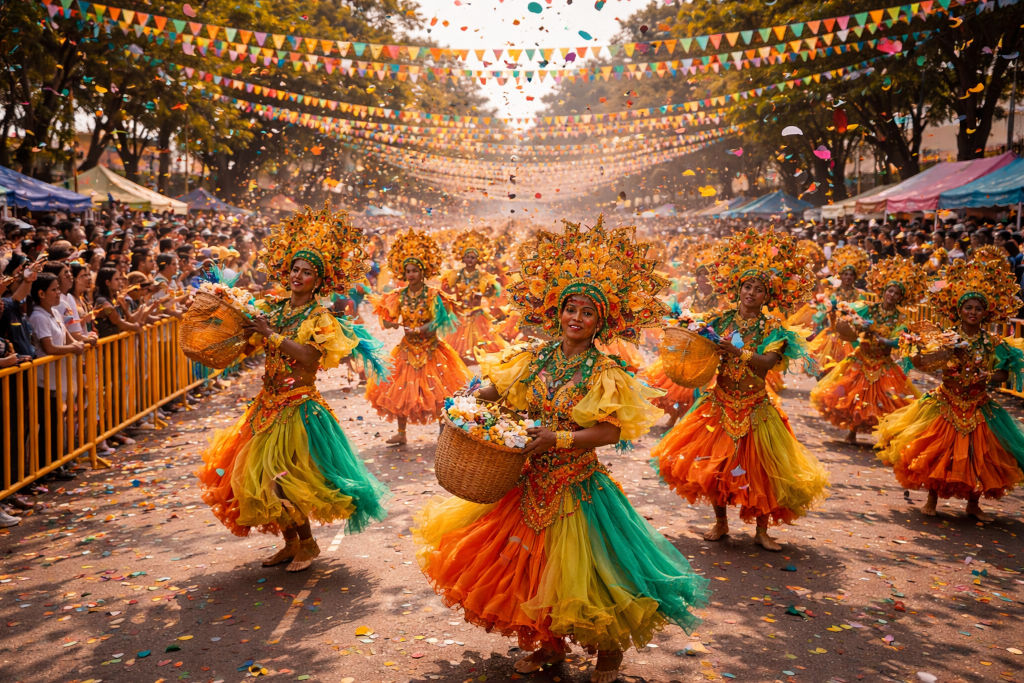
- Street dancing + spectacle: high-energy performances, big crowds, competition stages.
- Flowers + cool weather: floats, scenic streets, café breaks, slower walking pace.
- Harvest + culture showcases: food, music, indigenous-inspired presentations, community pride.
- Small-town fiesta calm: banderitas, plaza programs, local food stalls, less pressure.
Build around realities: weather, crowds, and closures
Philippine fiestas are joyful, but they can also be hot, rainy, crowded, and logistically messy. Expect road closures, rerouted jeepneys, surge pricing, and long waits. A smart Philippines festival calendar plan includes buffers: time to cool down, time to eat, time to get lost and still be okay. If you need a seasonal planning refresher, keep this handy: Philippines weather travel guide.
Always confirm dates and routes
Consider every timing window in this Philippines festival calendar as “typical,” not guaranteed. Festival schedules move for weather, local decisions, security plans, and shifting calendars. Before you book, confirm through official tourism announcements. One reliable starting reference is the TPB calendar page: TPB calendar of Philippine festivals.
January: Santo Niño Season and Street-Dance Energy
January is the “big feelings” month in any Philippines festival calendar: devotion, drums, and very real crowd logistics.
Sinulog (Cebu City) — timing window and vibe
Typical timing window: mid-to-late January. Vibe: big devotion + street party energy. Sinulog is both deeply religious (Santo Niño devotion) and intensely festive (street dancing, crowds, music, and long days). If you come for Sinulog, treat it like a major event: book early, expect road closures, and plan your meet-up point before you get separated.
Dinagyang (Iloilo City) — timing window and vibe
Typical timing window: late January. Vibe: high-production street dancing with a competition feel. Dinagyang is known for intense performances and a show-stopping atmosphere—more “stage and spectacle” energy. It’s thrilling, but it’s also a lot: crowds, sound, and long standing hours.
Ati-Atihan (Kalibo, Aklan) — another Santo Niño option
Typical timing window: mid-January. Vibe: raw, participatory street celebration tied to Santo Niño devotion. Many travelers describe it as more immersive and “join in” compared to other festivals. If you’re sensitive to noise and density, plan shorter viewing windows and longer recovery breaks.
If you want something calmer in January
Choose a local town fiesta near your base city instead of flying into the biggest crowds. Many towns celebrate patron-saint fiestas around this season; the rhythm is often plaza programs, church activities, and food stalls—less intense than major street dance events, but still festive and very Filipino. This is a gentle way to use a Philippines festival calendar without signing up for a full-body crowd day.
February: Flowers, Cool Air, and Slow Walks
February is the soft side of a Philippines festival calendar: cooler air in some destinations, more strolling, less “push through heat.”
Panagbenga (Baguio) — timing window and vibe
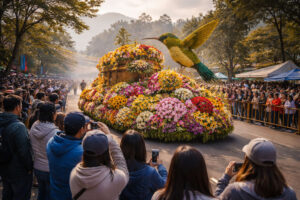 Typical timing window: February into early March. Vibe: flowers, floats, cool-weather crowds. Panagbenga feels different because the climate helps—Baguio air makes walking easier, and the festival mood is more “stroll and admire” than “push through heat.” Still, it’s crowded, especially on major parade weekends, so book early and plan your route like a local: walk a little, sit a little, snack a little.
Smaller, calmer February options
February is a great month for low-stress town fiestas and cultural fairs because the weather is often kinder. If you’re not chasing a major parade, you can choose a province weekend where the highlight is local food, banderitas, and a plaza program—then spend the rest of your trip on nearby nature viewpoints and café mornings. For many travelers, this is the most “repeatable” part of a Philippines festival calendar.
Festival + recovery idea for February
Do one big Panagbenga parade morning, then schedule an afternoon café rest and an early night. The next day, do a slow museum morning or a quiet viewpoint. Your legs (and mood) will thank you.
March: Shoulder-Season Sweet Spot and Early-Summer Energy
Panagbenga continues into early March
If you missed February’s peak, early March can still carry Panagbenga energy depending on the year’s schedule. This can be a sweet spot: still festive, sometimes slightly less frantic than peak weekends. It’s a good reminder that a Philippines festival calendar has “shoulder moments,” not only peak days.
Smaller-town fiesta idea for March
March is perfect for a “choose-your-own-chaos” approach: pick one town fiesta day (plaza + food stalls + community events), then balance it with a quiet beach or mountain day. Keep expectations light and focus on the feeling: music drifting from the plaza, kids in their best clothes, and the smell of grilled snacks in the air.
If you want something calmer in March
Do a “festival-adjacent” trip: visit a destination known for food and walking, then catch only the local evening program (banderitas, street lights, small parade). You’ll still experience the fiesta mood without sacrificing comfort.
April: Holy Week Vibes and Respect-First Travel
April sits in a Philippines festival calendar a little differently: some events are quiet, solemn, and rooted in devotion more than spectacle.
Moriones (Marinduque) — timing window and vibe
Typical timing window: Holy Week (March or April depending on the year). Vibe: distinct religious/cultural tradition with costumed “Moriones” and solemn undertones. Moriones is visually striking, but it’s not a costume party for tourists—it’s rooted in devotion and local tradition.
Holy Week etiquette that matters
- Keep voices low around churches, processions, and solemn events.
- Don’t block devotees or step into ceremonial spaces for photos.
- Ask before close-up portraits—especially during prayerful moments.
- Dress with context: modest options help you blend in respectfully.
Travel reality note for April
Holy Week can mean transport surges and limited availability in many areas. If your trip dates overlap, book early and plan buffer time. This is also a good moment to check advisory habits for peak travel: Philippines travel advisory for holiday flights.
May: Colorful Harvest Gratitude and Day-Trip Friendly Celebrations
Pahiyas (Lucban, Quezon) — timing window and vibe
Typical timing window: May (often around mid-May). Vibe: house decor + harvest gratitude, cheerful and photogenic. Pahiyas is famous for decorated houses and a festive town atmosphere that’s very day-trip friendly from Manila—just leave early to beat the heaviest crowd and heat.
How to enjoy May fiestas without melting
May heat is real. Your best strategy is timing: do your walking early, then retreat for lunch and shade. Bring water, sun protection, and comfortable shoes. Consider packing light but smart: 10 smart packing tips.
 If you want something calmer in May
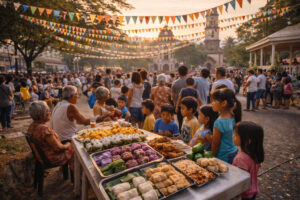
Choose a smaller town fiesta where the highlight is local food and plaza programs rather than intense street dancing. You’ll get the festive feeling—banderitas overhead, music, friendly vendors—without the shoulder-to-shoulder stress.
June: Town Fiesta Season and Local-Life Travel
Why June is a fiesta month
June often brings a wave of town fiestas across the country—patron-saint celebrations, community events, and food-filled plaza days. Schedules vary by town, so instead of chasing a specific name, plan the experience: base yourself in a provincial capital or a comfortable city, then do a small-town fiesta day trip. In a Philippines festival calendar, June is where the “local rhythm” shines.
A regional fiesta example (generic, flexible)
Look for a nearby town celebrating its patron-saint day: expect a morning mass, a procession, a plaza program, and plenty of food stalls. This is where a Philippine fiesta calendar becomes personal—you’re not just watching a parade, you’re stepping into local rhythm.
If you want something calmer in June
Choose the evening portion only: go for the lights, the food, and the music, then head back to your base before peak crowd density. The goal is “experience,” not endurance.
July: Quiet Festival Windows and Weather-Smart Planning
July is about flexibility
July can be a mixed bag: some places get heavy rains, others have clear pockets. If you’re using this Philippines festival calendar to plan July, focus on destinations where you can pivot: indoor museums, cafés, covered markets, and short outdoor viewing windows between showers.
A calmer alternative for July travelers
Instead of planning around one huge street parade, plan a “culture weekend”: local food, a small community event if available, and a nature side trip when weather allows. It’s still festive—just gentler.
August: Harvest Thanksgiving and Culture Showcases
Kadayawan (Davao City) — timing window and vibe
Typical timing window: third week of August. Vibe: harvest thanksgiving + culture showcases. Kadayawan is celebratory but grounded—more “gratitude and community pride” than pure street party. Expect cultural presentations, displays of local produce, and big-city crowd logistics.
How to pace Kadayawan comfortably
Pick one major event day, then schedule a rest day immediately after. Davao can be warm and busy during festival week, so shade breaks and hydration aren’t optional. This is one of those moments where a Philippines festival calendar needs a recovery plan built in.
If you want something calmer in August
Attend a daytime cultural showcase or exhibit rather than the most crowded parade route. You’ll still feel the spirit without spending hours packed in.
September: Off-Peak Chances and Local Festive Moments
September is good for “festival-lite” travel
This month can be a breather between major crowd spikes. If you want a festival itinerary Philippines style without the chaos, September is a nice time to explore smaller community events, local markets, and food festivals where movement is easier.
Plan around weather and transport
Build buffers for rain delays and travel time. If flights or ferries are part of your plan, keep an eye on advisories and always leave a travel buffer day before returning to work.
October: Street Party Contrast and Big-Crowd Strategy
MassKara (Bacolod) — timing window and vibe
Typical timing window: October. Vibe: street party energy with masks, music, and big crowds. MassKara is energetic and fun, but it can be intense for quieter travelers. If you want to enjoy it without burnout, go earlier in the day, choose one main viewing window, then retreat to a calmer dinner spot away from peak density.
Contrast note: not all festivals are religious processions
One reason to use a Philippines festival calendar is to choose what you can actually enjoy. If you prefer devotion and solemnity, pick procession-heavy events. If you prefer spectacle, choose street dancing. If you prefer joy-without-chaos, choose smaller town fiestas or attend the quieter portions of big festivals.
November: Planning Month for the Holiday Festival Season
Use November to book, not to panic
November is a great time to plan for December events: book transport early, set your budget, and decide what kind of crowd you can tolerate. This is also a good month to practice “festival pacing” on smaller events: arrive early, watch for an hour, eat, and leave before you get drained. Think of it as the calm planning chapter of your Philippines festival calendar.
Booking lead time and budgeting basics
Major festivals can spike flight and hotel prices. If you need a budgeting reference for longer trips (and how to plan buffers), save this: Philippines travel budget examples.
December: Holiday Lights and Community Pride
Giant Lantern Festival (San Fernando, Pampanga) — timing window and vibe
Typical timing window: December (often mid-December). Vibe: holiday season parades/lantern competitions with big visual payoff. It’s festive, family-friendly, and perfect for travelers who want spectacle without the intensity of street-dance competitions.
If you want something calmer in December
Choose smaller city lights events or town Christmas programs where the focus is music, lanterns, and food stalls. You still get that Filipino holiday warmth—without fighting for space on a packed route.
Festival Itinerary Philippines Templates That Actually Feel Good
These templates are here to make your Philippines festival calendar plans feel human: built for energy, appetite, and recovery.
Template A: Festival weekend, not burnout
Day 1: Travel in + early night. Short evening walk only. Day 2: One big event window (parade or street dancing), then recovery lunch + rest. Optional: one short evening stroll. Day 3: Calm day + travel buffer (side trip, café morning, or simply slow breakfast) before heading out. This template protects you from the “festival hangover” feeling.
Template B: Festival + nearby side trip (easy pairings)
- Cebu Sinulog + quiet beach day after: Do the big devotion/street energy day, then recover with a beach day where your only schedule is shade and water.
- Iloilo Dinagyang + Guimaras day trip after: Watch the high-production performances, then shift into island calm and slow food the next day.
- Baguio Panagbenga + café/museum morning + nearby nature viewpoint: Do one parade morning, then a slow cultural morning and a gentle viewpoint to balance crowds.
- Davao Kadayawan + Samal rest day after: Enjoy the harvest/culture showcase energy, then recharge on a calm island day.
Template C: Small-town fiesta day trip from a base city
Leave early. Watch the main program for a set window (1–2 hours). Eat local food. Buy a small snack from vendors. Then go home before peak crowd density. This is the best way to enjoy a Philippine fiesta calendar moment without turning it into an all-day endurance test.
Festival Etiquette and Comfort Tips That Make Everything Better
Respect devotion and sacred spaces
During masses and processions: keep voices low, don’t block devotees, and avoid stepping into ceremonial routes. Ask before close-up photos—especially when people are praying. A good Philippines festival calendar trip should feel respectful, not extractive.
Dress with context and comfort
If the festival has strong church elements, choose modest options. Always wear comfortable shoes—you’ll stand longer than you think. Bring a light layer if you’re in cooler places like Baguio, and rain protection when weather is unpredictable.
Crowd basics: the small habits that prevent stress
- Set a meet-up point (and a time) in case you get separated.
- Use an offline map screenshot for routes and exits.
- Keep a small sling bag in front.
- Hydrate and snack before you’re starving.
- Know your “exit plan” when you’re done.
Be a good viewer
Don’t cut into performer routes, follow barricades, and avoid climbing structures just for photos. If you want good views, arrive early instead of pushing forward mid-parade.
Plan for closures and delays
Expect road closures, reroutes, and longer waits—especially for major festivals in the Philippines. Build extra time between activities, and don’t schedule tight transfers on the same day as big parades. If your Philippines festival calendar day includes a big route, keep the rest of the day simple.
Local kindness goes a long way
Greet politely, buy from local vendors, and clean up after yourself. A festival is a community’s celebration—visitors should make it easier, not harder.
Budget Guide for Festival Days (Ranges Only)
Festival day spending: budget vs midrange
Use these as planning ranges for food, local transport, and small purchases (not including flights/hotels). Prices change by location and season. It helps to attach a budget range to your Philippines festival calendar picks so you don’t get surprised:
- Budget festival day: roughly PHP 800–1,800 per person
- Midrange festival day: roughly PHP 1,800–3,500 per person
Big cost warning: flights and hotels spike
For Sinulog, Dinagyang, Panagbenga peak weekends, MassKara, and Kadayawan, accommodations and flights can spike and sell out early. Book ahead and keep flexible cancellation options when possible.
Choosing the Right Festival for You: A Quick Decision Guide
If you want devotion and tradition
Choose Santo Niño season events and procession-heavy festivals. Go for reverent moments, not just the loudest street party. In a Philippines festival calendar, this is the “faith and tradition” lane.
If you want performance and spectacle
Choose street dancing competitions like Dinagyang or big parade routes with organized performances. Arrive early, pick a viewing window, then retreat for recovery.
If you want cool weather and gentle strolling
Choose Panagbenga (flowers, floats, Baguio cafés) and plan around calm mornings. Flowers are best admired without rushing.
If you want culture showcases with a harvest feel
Choose Kadayawan and focus on cultural presentations and displays—then reward yourself with a rest day after.
If you want calm, local, and low-pressure
Choose smaller town fiestas, attend the main program for a short window, eat well, then go home early. This is the “festival itinerary Philippines” style that keeps your nervous system happy—and it’s an underrated way to use a Philippines festival calendar.
A Final Reminder: You Don’t Have to Do the Biggest Festival to Feel the Spirit
Fiestas in the Philippines aren’t just events—they’re community. Sometimes the most memorable moment isn’t the loudest parade. It’s a town plaza lit with banderitas, a vendor handing you kakanin with a smile, a drumbeat echoing down a side street, or flowers on a float passing slowly while the crowd sighs in appreciation.
Use this Philippines festivals by month guide to choose what you can actually enjoy. Plan for rest. Pack for weather. Confirm dates. And let the festival be part of the trip—not the whole trip. That’s how your Philippines festival calendar becomes something you’ll want to repeat, not recover from.
If you’d like a broader browse of festival lists beyond this curated Philippines festival calendar, this reference can help: List of festivals in the Philippines. Then come back here and choose the ones that fit your vibe.