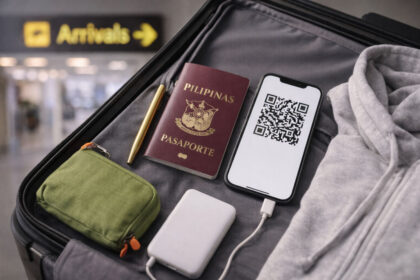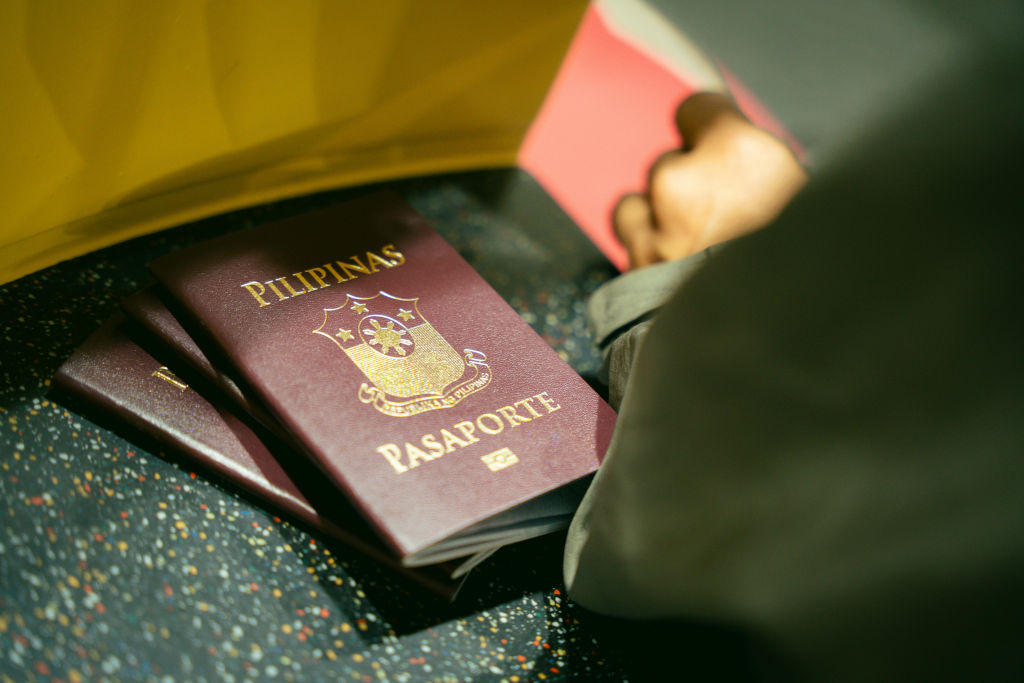
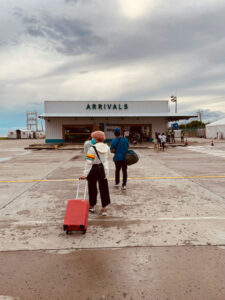
 The moment you step off a plane in Manila or Cebu, the air feels warm and familiar — a mix of humidity, terminal chatter, and that unmistakable welcome of home. In this evolving landscape of Philippines entry requirements, I’ve noticed how arrivals have become smoother over the years. Whether you’re a balikbayan eager to see family or a first-time visitor landing with wide-eyed excitement, understanding these updates can turn your airport experience from stressful to seamless and keep your philippines international travel plans running smoothly.
The Latest on Streamlined Philippines Entry Requirements
One of the most helpful changes in recent years is the ongoing simplification of immigration processes. Many travelers will be relieved to know that the Philippines entry requirements now emphasize efficiency — fewer lines, clearer instructions, and updated digital forms. In my own recent arrivals, I noticed more signages guiding passengers toward immigration, customs, and baggage claim with ease.
Key Documents to Have on Hand
Filipino travelers should carry a valid passport with adequate validity, plus any government-issued IDs required for domestic connections. Foreign visitors must meet the standard Philippines entry requirements: a passport valid for at least six months beyond arrival, appropriate visas when applicable, and proof of onward travel for those entering visa-free. Official guidance on philippines entry requirements visa policies is updated periodically, so it’s wise to double-check your nationality’s rules before booking.
For those with dual citizenship, always bring your original or official copies of your recognition papers or Certificate of Citizenship Retention and Reacquisition. I’ve seen fellow passengers scramble through bags looking for documents — trust me, having them handy saves both time and breath.
Digital Arrival and eTravel Updates
The shift to digital verification has made the Philippines entry requirements simpler. The eTravel system consolidates arrival data that used to require multiple paper forms. It’s one of the updates that genuinely improves the traveler experience, replacing the old arrival card and health declaration slips with a single online process.
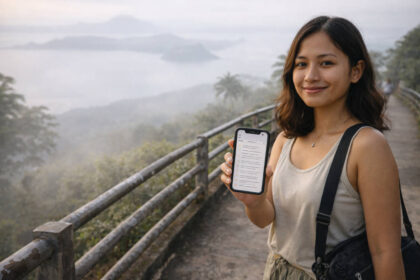
Before flying, complete the updated arrival form via the official portal at eTravel entry guidelines. In my last trip home, I filled it out while waiting to board and received my confirmation instantly. Airport staff now scan QR codes quickly, reducing the long queues that once greeted passengers.
The form asks for basic details: personal information, flight number, contact details in the Philippines, and travel history. It’s straightforward, but check for any changes at least a day before your trip, since the Philippines entry requirements are periodically refined for clarity and safety. Some travelers also notice a short survey or comment box in the system; that feature is strictly for feedback, so you can skip it if you’re in a hurry or use it later when you have time to share feedback about your experience with the process.
Entry Guidelines for Returning Filipinos
Returning Filipinos often find immigration fast and welcoming. Dual citizens simply present their recognition or reacquisition documents along with their passport, while OFWs often have dedicated lanes that make processing easier. One thing I’ve learned from years of navigating airports: keep your documents in a single pouch. Avoid shuffling through bags — it saves valuable minutes, especially when you’re tired from a long-haul flight.
If your route includes a domestic connection, make sure your IDs match your booking details. Some airports request your boarding pass multiple times before you reach the gate. When the airport is crowded — especially around holidays — having your documents ready brings calm to an already bustling environment. On one holiday rush, I watched a family almost miss their connecting flight because they misplaced their printed tickets. Digital copies saved them. A small reminder: screenshot everything.
For peak-season flights, it also helps to review related reminders like this Philippines holiday flights advisory, which explains how airlines and airports handle heavy passenger traffic and what to expect at check-in and boarding.
Entry Guidelines for Foreign Visitors
Foreign travelers often find Philippine immigration warm and straightforward. Visa-free nationalities simply present their passport and onward travel proof. Those arriving with pre-approved visas should have printed confirmation letters ready, though officers usually accept digital copies if the details are easy to read. Having your hotel booking and local contact information accessible on your phone also helps when officers ask routine questions.
After immigration, baggage claim is well-marked, though the crowds can be lively. Foreign travelers should also remember to declare items as needed — customs officers are friendly but observant. Avoid packing prohibited agricultural products or large amounts of currency without proper declaration. Keeping receipts for high-value items can also be useful in case you’re asked to clarify what you’re carrying.
I’ve seen first-time visitors look visibly relieved after clearing all procedures, and many tell me how much simpler the Philippines entry requirements felt compared to what they expected. The warmth of the airport staff truly makes a difference; many will help if you simply ask.
Frequently Asked Questions on Philippines Entry Requirements
What is the latest requirement to enter the Philippines?
In most cases, the core Philippines entry requirements remain the same: a valid passport, proof of onward or return travel, and the correct visa status for your nationality. Health-related requirements have eased compared to previous years, but they can change quickly, so always verify with official government channels and your airline before departure.
Is an e-arrival card still required in the Philippines?
The traditional paper arrival card has largely been replaced by the online eTravel platform. In many airports, completing eTravel in advance fulfills what used to be the arrival card requirement. Some airlines still hand out paper cards as backup, but online registration is now the primary reference for your arrival details.
Is eTravel still needed in the Philippines?
Yes, the eTravel system remains an important part of the current entry process for most passengers, especially those arriving on international flights. Filling it out before you fly helps prevent last-minute delays at the airport and aligns with how authorities manage passenger information for health and security purposes.
What do I need before travelling to the Philippines?
Before your flight, make sure your passport meets the six-month validity rule, your ticket includes onward or return travel, and your accommodation details are confirmed. Check whether your nationality qualifies for visa-free entry or needs a visa in advance, and ensure your eTravel registration is complete with a saved QR code. I also review recent notices in Bakasyon.ph’s Travel Advisories section to see if there are airline changes, weather-related disruptions, or seasonal reminders that might affect my plans.
As you prepare for your next trip, keep in mind that the Philippines entry requirements are designed to protect both travelers and the communities welcoming them. For the smoothest journey, always verify the most recent announcements from official government sources. Safe travels, and may your arrival in the Philippines be as warm and welcoming as the islands themselves.