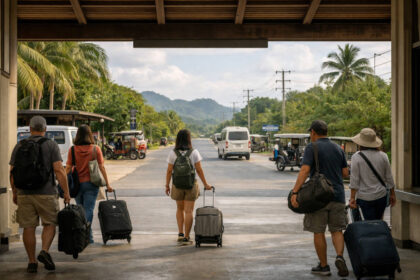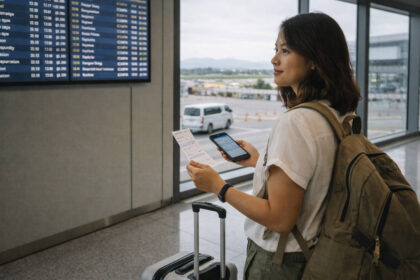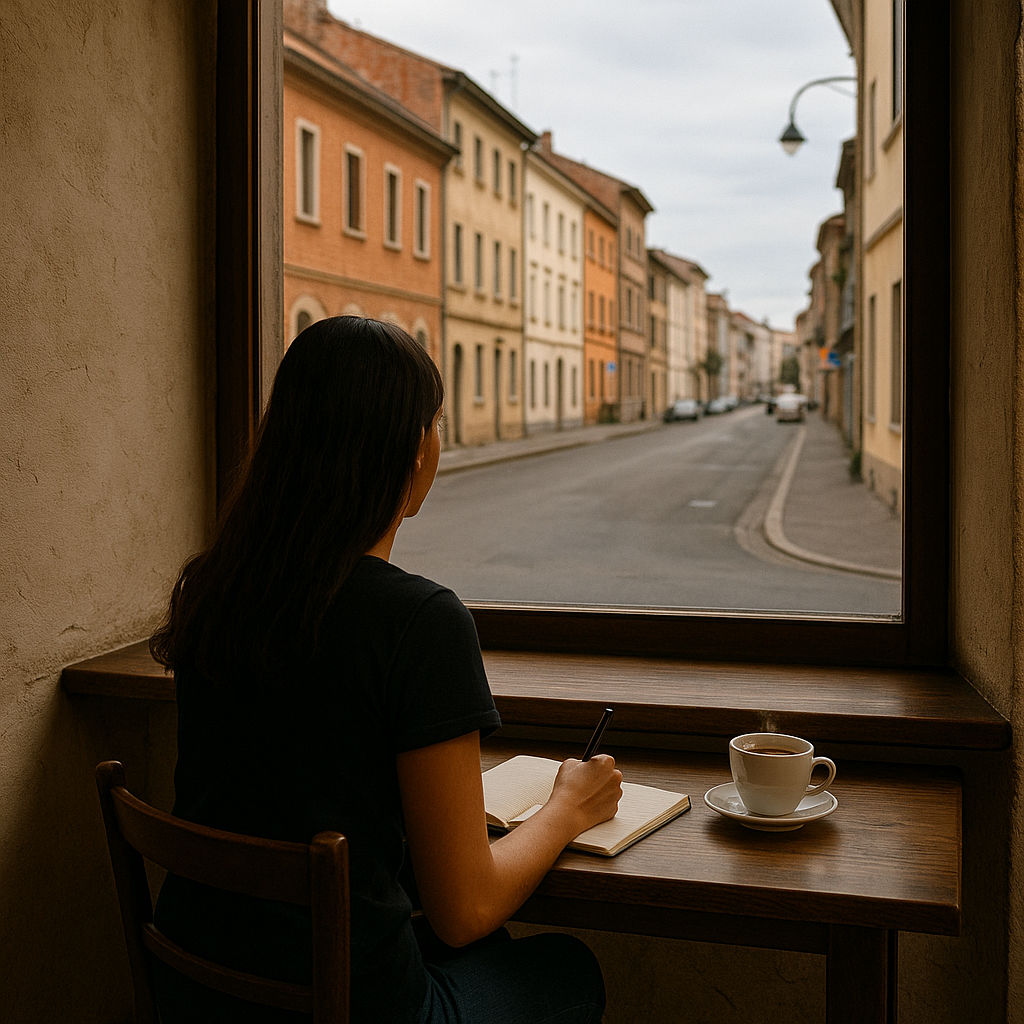
The first time I tried no-expectation travel for real, it wasn’t because I was enlightened. It was because my dream itinerary fell apart in the middle of a rainy, delayed, over-budget mess. I was sitting on a plastic chair at a provincial bus terminal, my jeans damp from an earlier downpour, sipping 3-in-1 coffee that tasted like faint sugar and survival. I remember thinking, “Okay, if this trip doesn’t turn out the way I imagined, what if I just let it be what it is?”
Travel without expectations sounds romantic on Instagram, but in real life, it’s messy and very human. It means accepting that your piso-fare flight might get delayed, your hotel room might face a wall instead of a beach, and the “hidden gem” café might be closed on the only day you can go. It means loosening your grip on a fantasy and making space for the trip that’s actually happening in front of you.
This piece is about that kind of no-expectation travel—rooted in Filipino reality: limited leave credits, family pressure, seat sales, and the fear of “sayang” when a hard-earned vacation doesn’t feel magical enough. We’ll unpack what this mindset really is (and isn’t), walk through a few unplanned travel stories that turned unexpectedly meaningful, then end with practical ways to try it on your next weekend escape or big once-a-year trip.
What Is No-Expectation Travel, Really?
 No-expectation travel isn’t about showing up in a random city with zero research and hoping for the best. It’s not about being reckless or dismissing safety because “bahala na si Batman.” It’s about planning enough to be safe and comfortable, then gently releasing the pressure for your trip to be perfect, aesthetic, or “sulit” in some spreadsheet way.
Think of it as a slow travel mindset applied to real life. You still book a place to sleep, figure out how to get from airport to city, and maybe list a few must-sees or must-eats. But you loosen your hold on how everything has to look and feel. Instead of trying to control every variable, you stay curious: “I wonder what this place will show me today,” instead of, “This has to be the best trip ever because I saved for a year and filed leave months in advance.”
It’s different from “not planning” because there’s intention. You respect your own limits, your companions, and the place you’re visiting. You just leave gaps—white space in your itinerary—where surprises can sneak in.
How Expectations Sneak Into Our Suitcase
 Most of us don’t wake up saying, “I will now put unrealistic expectations on this vacation.” But by the time we’re at the gate, our mental suitcase is stuffed. Instagram shots of turquoise water, TikTok itineraries that pack 15 attractions into one day, K-drama filming locations that look flawless on screen, YouTube vlogs where the couple never seems pagod or sweaty—these all feed a silent expectations vs reality showdown.
Add family kwento: an aunt bragging about how cheap their tour package was, your cousin flexing their “Europe in 10 days” photos, barkada stories about that one legendary beach trip that somehow became the standard forever. If you live in the Philippines, where leave credits are precious and flights can eat a big chunk of your sweldo, there’s a built-in scarcity mindset: “I saved so much for this, it has to be perfect. It can’t be wasted.”
Expectation-building also comes from those bucket lists we keep, both literal and in our heads. There’s nothing wrong with them—but when “I want to feel the breeze by this famous temple” quietly turns into “If I don’t feel deeply transformed here, I failed,” tension rises. We stop noticing small, real moments because we’re busy checking if our experience matches the picture we saw online.
Slow tourism ideas remind us to value depth over speed, presence over constant movement. If you’re curious, the entry on slow tourism and even the broader slow movement shows how this isn’t just about travel—it’s about resisting the pressure to optimize every second. Our own reflection on the theme, The Art of Slow Travel, goes deeper into why doing less can actually make a trip feel fuller.
When Trips Surprise You Anyway (Stories)
Some of the clearest lessons about travel without expectations show up in the middle of trips that refuse to obey your plans. Here are a few quiet plot twists that taught me what no-expectation travel can look like.
The Hyped Destination That Fell Flat
There was a beach town I had been dreaming about for years. The photos showed powdery white sand, coconut trees leaning at the perfect angle, and sunset shots that looked like they had filters built into the sky. I arrived around noon, eyes burning from the night bus, only to see: low tide, grayish water, beach cluttered with boats and floating seaweed, and a heat so thick it felt like walking through sabaw.
I felt cheated. I’d followed all the viral itineraries, booked the “must-stay” homestay, even bought a new swimsuit “for the photos.” The first few hours, all I could see was what the place wasn’t—how it didn’t match the beach on my screen. My expectations were so loud they drowned out everything else.
The shift happened that evening when the sun softened and the tide rolled back in. I was sulking by a sari-sari store, drinking Coke from a glass bottle, when the owner’s kid sat beside me and started talking. We slipped between Tagalog, Cebuano, and a little English. He showed me the spot where they liked to look for tiny crabs, and we ended up walking the shoreline, just looking at shells. No epic drone shots, no wild party—just quiet, sticky, beautiful boredom together.
The “flat” destination didn’t suddenly become the best beach of my life. But once I released the fantasy (perfect beach, perfect photos, perfect version of myself), the town had space to show itself as it was: imperfect, lived-in, and strangely gentle. That’s when no-expectation travel started to feel real, not just like a concept on some advice article.
The Random Weekend That Healed Something
Another time, a friend invited me on a random weekend road trip to a nearby province. No famous attractions, no viral café, just, “May libre kaming sasakyan, tara?” I almost said no because it didn’t feel “worth” my leave. But that week had been heavy—office stress, family drama, the works—so I went, half-hearted, with zero Pinterest boards or hashtags in mind.
We ended up at a nameless riverside spot. The “resort” was basically a couple of kubo, a karaoke machine, and a grill. The river water wasn’t clear turquoise; it was just brown-green and cool, the kind that gently pulls heat from your skin when you stop being maarte and just get in.
We spent the afternoon doing nothing impressive: floating on old tire tubes, singing off-key, taking naps on banig mats. In the late afternoon, I watched light catch on the water while a group of titas argued over who makes the best adobo. It wasn’t a “bucket list” trip, but I drove home lighter, like something in me had unclenched.
Later, when we were putting together our favorite unplanned travel stories, that random weekend kept coming up. It reminded me that some of the most healing days happen in places you never even thought to Google.
The Trip That Changed After I Stopped Forcing It
 There was also the overseas trip that started with a tight schedule: sunrise at this famous temple, lunch at that buzzed-about restaurant, golden hour at a park I’d seen in at least ten vlogs. On day two, my companion got sick. Suddenly, that intricate schedule collapsed. No sunrise view. No long train journeys. Just pharmacy runs and quiet afternoons in our tiny Airbnb.
I was frustrated and scared of “wasting” the trip. But once we accepted the new reality—that this vacation would be about recovery, not conquest—things softened. We discovered the corner bakery downstairs, where the owner started slipping us extra bread. The convenience store cashier taught us a few phrases in the local language. We spent evenings people-watching from a bench, talking about life instead of ticking off attractions.
Did we miss the “must-see” spots? Yes. Did it ruin the trip? Surprisingly, no. It turned into something else: a season of rest in a foreign city, a quiet chapter in our relationship. That’s the thing about no-expectation travel—you don’t have to pretend you’re not disappointed. You just let a new story appear when the old one collapses.
The Mindset Shift: From Controlling to Curious
So what’s the inner shift that makes all this possible? At its core, it’s moving from “I need this trip to be perfect” to “I wonder what this trip will actually become.” It’s curiosity instead of control.
Practically, this means trading scorecards for stories. Instead of counting how many attractions you hit, you remember the small, unplanned scenes: the tricycle driver who shared chismis about his town; the stranger who helped you read a confusing sign; the feeling of finally sitting down with lugaw after a long, traffic-heavy bus ride.
No-expectation travel fits beautifully with slow travel ideas like staying longer, doing less, and lingering in everyday places—parks, carinderias, sari-sari stores. You might spend a whole afternoon just walking around a neighborhood instead of rushing between landmarks. It doesn’t make you less of a traveler; it just means you’re choosing depth over pace.
How to Practice No-Expectation Travel (Without Being Reckless)
Okay, but how do you actually do this when you only have three days, a fixed budget, and a nervous tita asking for your full itinerary? Here are practical ways to embrace no-expectation travel while still being responsible.
Plan the Skeleton, Not the Script
 Think of your trip like a human body: you need bones, but you don’t have to choreograph every movement. Book your flights or bus tickets, secure a place to sleep, and research basic safety tips and local customs. Save important numbers and offline maps. That’s your skeleton.
But avoid scripting every hour. Instead of “10:00–10:30: take photo at X viewpoint,” try “Morning: explore old town and find a café.” This way, you’re prepared, but still open to surprise—like stumbling into a local market or festival instead of rushing past it because your schedule said “museum time.”
Leave White Space in Your Itinerary
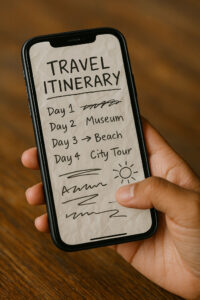
Literally block off empty time in your day. Write “white space” or “wander time” in your notes. It could be a whole afternoon, or just two hours after lunch. Use that time to follow your nose: turn down a side street that looks interesting, sit in a park and observe, or linger over coffee at a café you didn’t plan on.
Leaving white space in your itinerary creates a container for unplanned travel stories—those moments you can’t schedule but remember years later. It also gives you a buffer when delays happen, so you’re not panicking about missing the next thing every time a jeepney runs late.
Expect Some Things to Go Wrong
Instead of hoping for a flawless trip, assume that at least one thing will go off-script: a delayed ferry, a closed attraction, a wrong turn, a rainy day. When it happens, you’re less likely to spiral because you already made emotional space for it.
Tell yourself ahead of time, “Part of this no-expectation travel experiment is seeing what happens when plans shift.” That way, the first sign of trouble isn’t “This trip is ruined,” but “Okay, this is the part where I practice adjusting.” It sounds cheesy, but it genuinely softens the impact.
Notice the Small, Unplanned Moments
 One of the easiest ways to loosen your grip is to deliberately pay attention to small details: the way laundry hangs between buildings, strangers joking with each other in a language you barely understand, the smell of frying garlic drifting from a side street.
Make a mini ritual: at the end of each day, jot down three unplanned moments that made you smile or feel something. It could be as tiny as a kid waving at you from a tricycle. Over time, this trains your brain to value more than just the big, “postable” highlights. You start to see your no-expectation travel days as full, even when they look quiet on paper.
When a Trip Feels Disappointing
But what if you’re already on a trip and it just… isn’t working? Maybe the weather is awful, your hotel is noisy, or the city feels off. You’re tired, frustrated, and the voice in your head is saying, “Sayang. This was my only vacation.”
Name the Expectation You’re Grieving
First, be honest with yourself. What exactly are you mourning? The sunset you imagined? The version of yourself who would finally feel “healed” by this place? The relationship moment you thought this travel would fix?
Sometimes, simply naming it—“I’m sad because I wanted this day to feel magical, and it doesn’t”—helps. You’re allowed to feel that way. No-expectation travel doesn’t demand toxic positivity. It just invites you not to stop there. After you acknowledge the disappointment, you can gently ask, “Given what’s real right now, what small, kind thing can I do for myself today?”
Shift Focus: From Attractions to People, Food, or Rest
 If the must-see sites are underwhelming, pivot to something smaller and more grounding. Maybe today is for simple food: find a karinderya, point at what looks good, and let yourself enjoy a cheap, comforting meal. Maybe it’s for talking to people: your hostel host, a vendor, a fellow traveler. Or maybe it’s for sleep—letting yourself nap guilt-free instead of forcing another tour.
When a trip feels disappointing, it can help to remember that you’re a human, not a content machine. You’re allowed to have a “nothing special” day. In fact, trips like this can be powerful practice for future solo journeys; if you’re curious about that angle, our solo travel guide dives into how being alone can make these emotional waves feel more intense—and more freeing.
No-Expectation Travel with Friends, Partners, and Family
Traveling this way is one thing when you’re solo. It’s another when your barkada loves fully booked itineraries or your parents want every hour accounted for. The good news: you don’t have to choose between no-expectation travel and their need for structure. You can design a middle ground.
Agree on Anchors, Not Hourly Schedules
Instead of debating every detail, propose this: one or two “anchor” activities per day that everyone agrees are non-negotiable (like a heritage tour or a special dinner), and the rest of the day left more open. During those open slots, people can choose: some might nap, others might explore a market, someone might just sit by the sea.
Framing it as “we’ll have shared highlights and personal time” often feels safer to planners than “let’s just wing it.” You’re still practicing no-expectation travel by allowing parts of the day to unfold naturally, but companions who crave structure know their key moments are protected.
Communicate Needs and Boundaries Early
Before the trip, say what you’re hoping for—not in terms of specific attractions, but feelings. For example: “I want at least one slow morning with no alarms,” or “I get overwhelmed when every hour is packed; can we leave some blocks free?” Invite others to share their needs too.
When people understand that your desire for no-expectation travel is about mental health and presence, not laziness, it’s easier to negotiate. Maybe your tita gets her full-day city tour, and you get your slow afternoon at a café. Both can exist in the same trip.
Bringing This Mindset Home
The secret gift of no-expectation travel is that it doesn’t stay on the road. Once you practice letting go of rigid plans in unfamiliar places, you slowly learn to do it in everyday life: when a meeting gets moved, a plan with friends falls through, or a whole season of your life doesn’t look the way you thought it would.
You start to ask, “Okay, this isn’t what I expected—what else might be possible here?” instead of spiraling into “Everything is ruined.” The same muscles you use when your bus is delayed or your tour gets canceled—patience, curiosity, humility—become useful in traffic, in family gatherings, in unexpected career turns.
If you want more reflections like this, our Tips & Inspiration section gathers stories and mindset shifts from Filipino travelers who are figuring things out one imperfect trip at a time. And when you’re ready to slide back into planning mode for your next big destination, you can always hop over to our Travel Guides hub for the detailed, step-by-step side of your traveling self.
In the end, no-expectation travel isn’t about pretending you don’t care. It’s about caring differently. Less about controlling every second, more about staying awake to the life unfolding in front of you—the plastic chairs, the 3-in-1 coffee at the terminal, the river that’s more brown than blue but still manages to cool your skin. When you travel this way, you stop chasing the perfect trip and start noticing the trip that’s actually happening. And that, quietly, changes everything.