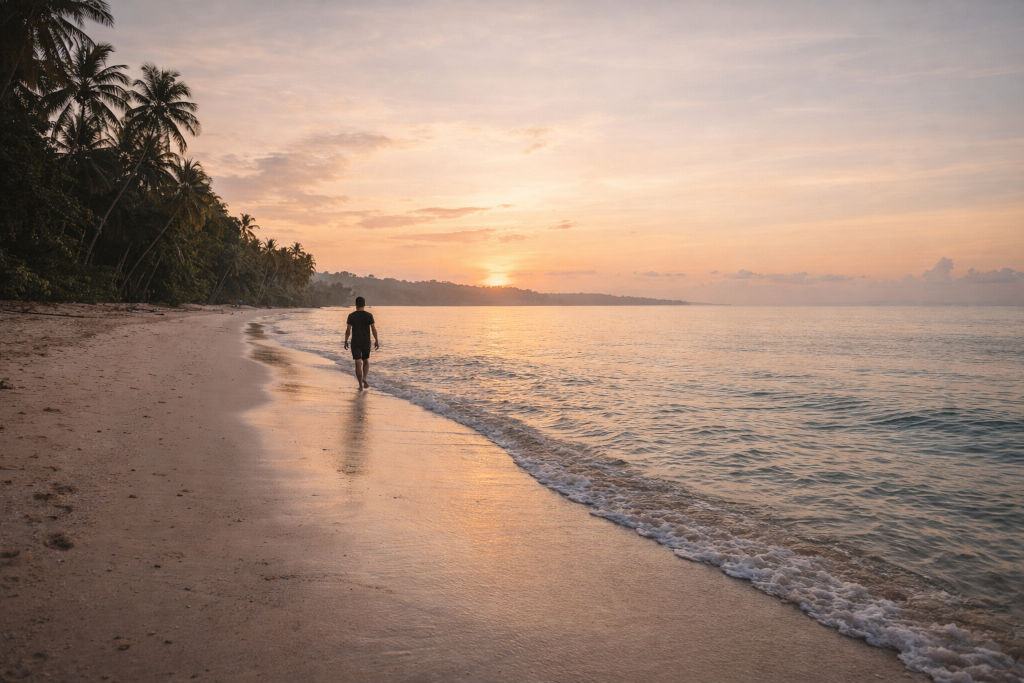
The first time I felt my mind unclench on an island, it wasn’t dramatic. No big “eat pray love” montage. It was a small moment: sunrise light turning the sea into pale gold, wind brushing salt onto my lips, and the hush that arrives before everyone else wakes up. I was standing barefoot on cool sand, shoulders still tense from city weeks, and then—without effort—my breathing slowed to match the waves.
That’s the feeling I return to when I think about a nature travel reset. Not a transformation. More like a quiet settling. The kind of calm that makes you realize how long you’ve been carrying noise inside you.
If you’re tired, overstimulated, or moving through a season of quiet sadness, I want this to feel doable. You don’t need a perfect itinerary, you need space—space to notice light, texture, and silence again.
What a Nature Travel Reset Really Means
A nature travel reset is not the same as a normal vacation. A vacation can be full of fun—food trips, nightlife, island-hopping marathons, tight schedules, hundreds of photos. A reset is softer. It’s travel designed to help your attention settle and your emotions feel less jagged. It’s when you return home not just with memories, but with more clarity and a steadier baseline.
When I say “reset,” I’m talking about three simple shifts: your mind feels clearer, your body feels less keyed up, and your emotions feel easier to hold. This isn’t medical treatment, and it won’t “fix” everything. But nature can be a supportive setting—therapy-adjacent in the sense that it gives your nervous system a break from constant demands.
How It’s Different From a Normal Vacation
A normal vacation often tries to maximize experiences. A nature reset travel approach tries to maximize ease. That means fewer stops, more time in one place, and gentler plans that fit your energy—especially if you’re not feeling at 100%.
Signs You Might Need a Reset, Not Just a Trip
If you’ve been doomscrolling, snapping at small things, forgetting what you were doing mid-task, or feeling like you “rest” but never feel rested—those are the moments a nature trip for mental clarity can support. Not as a cure, but as a pause button.
Why Island Nature Helps the Mind Feel Clearer
 Here’s the simplest explanation I can give: your brain is always filtering information. In the city, it’s forced to filter a lot—traffic, noise, screens, ads, crowds, decisions. In nature, the input is still rich, but it’s less demanding. The patterns are softer: waves, leaves, clouds, birds. You’re paying attention, but you’re not constantly “on guard.”
Nature Connectedness: Feeling Part of Something Larger
One of the quiet gifts of a nature getaway reset is nature connectedness—the feeling that you belong to a wider living world. Even if you can’t explain it, your body recognizes it: sea air, sun warmth, forest shade. That sense of connection is linked to better wellbeing and mood in research shared by the Mental Health Foundation, in a very human way: when we feel connected, we feel less alone in our own head. Nature and mental health research from the Mental Health Foundation.
Attention Restoration Without the Jargon
You might hear “attention restoration” in articles, but the idea is everyday: when you’re doing focused work all the time, your attention gets tired, like a muscle. Nature gives that muscle a break. You’re still noticing things, but it’s not the same kind of effort as replying to messages, navigating crowds, or switching between tabs.
Soft Fascination: The Kind of Beauty That Doesn’t Ask Much
Soft fascination is my favorite concept because it describes exactly what island landscapes do. It’s when something holds your attention gently—like watching ripples move across shallow water, or sunlight flicker through coconut leaves. You’re engaged, but not strained. It’s mental rest without blankness.
Blue Space: Why Coasts Feel Like a Sigh
Beaches, coves, lakes—these are “blue space,” natural water environments that many people find calming. On islands, blue space is everywhere: the sea’s horizon line, the sound of water, the open sky that makes your thoughts feel less boxed in.
Why Waves Calm Without You Trying
Waves create steady, repetitive sound—predictable in a world that often feels unpredictable. Even when you’re not doing anything “mindful,” your body tends to sync to the rhythm around you. That’s why a morning walk by the shoreline can feel like a reset even if you’re still thinking about your problems.
Using Blue Space on a Real Itinerary
If you only have a weekend, you don’t need an epic island-hopping list. Pick one beach, return to it twice a day, and let familiarity do its work. The goal is not novelty; the goal is settling.
Forest Bathing on Islands: A Gentle Example Practice
Forest bathing isn’t about hiking hard or “achieving” steps. It’s simply spending time in a forested area while noticing through your senses—light, scent, breeze, the shape of leaves. The American Psychiatric Association has shared an accessible overview of forest bathing benefits, describing it as a way to support stress reduction and wellbeing without turning it into an intense workout. APA overview on forest bathing benefits.
Forest Shade as a Counterbalance to Beach Energy
Islands are not only beaches. Many have forest paths, mangroves, hillside trails, and shaded pockets behind resorts. If the beach feels too exposed or bright for your mood, a forest hour can feel like being wrapped in quiet.
Non-Athletic Forest Bathing: What It Looks Like
It can be as simple as a 20-minute slow walk on a flat path, stopping when you want, sitting on a bench, and looking around. Comfortable sandals are okay. A bottle of water is enough. This is not a fitness test.
Mika’s Nature Reset Method: A Routine You Can Copy
 This is the routine I keep coming back to when I want a nature travel reset to feel real—not like a strict wellness program. Think of it as “minimum viable calm,” built for actual travel days with budget limits, energy dips, and unpredictable weather.
Pre-Trip: Set One Intention
Choose one sentence. Not five goals. One. Examples: “I want my mind to feel quieter.” “I want to remember what I like.” “I want to stop rushing.” Write it in your notes app (then later, close the app).
Pre-Trip: Pick a Slower Base
For a nature reset travel style, choose one area and stay there—one town, one beach zone, one island corner. If you’re tempted to change hotels every night, pause. Your nervous system loves familiarity.
Pre-Trip: Plan Fewer Stops Than You Think
If you’re traveling with friends who love packed itineraries, build in a non-negotiable buffer: one slow morning or one empty afternoon. You can still join the fun—just don’t schedule your rest out of existence.
On-Trip Daily: The 10-Minute “Arrive” Ritual
When you reach the beach or your cottage porch, set a timer for 10 minutes. Sit. No phone. Notice three sounds, three textures, and one smell. Wind on skin. Sand grain. Coffee steam. The point is to tell your body, “We’re here.”
On-Trip Daily: One Long Quiet Walk
Long doesn’t mean far. It means unhurried. A 30–60 minute walk is plenty. Choose a time with fewer crowds: early morning for beach, late afternoon for forest shade. Let soft fascination do the work.
On-Trip Daily: One No-Phone Pocket of Time
Pick a pocket: 30 minutes after waking, or 30 minutes before bed. Put your phone in a bag, not your hand. If you’re with people, tell them gently: “I’m doing a small reset practice.” The right ones will understand.
On-Trip Daily: One Reflection Prompt
Keep it simple. Choose one prompt per day:
• “What felt lighter today?”
• “What did I notice that I usually miss?”
• “What am I holding that I can set down for now?”
This is reflection/journaling that fits in five minutes. You can write in a notebook, or even voice-note it—then stop.
Post-Trip: The 15-Minute Carry-It-Home Ritual
Before you fully return to work mode, do 15 minutes at home: re-read your notes, pick one habit to keep (like a weekly walk), and pick one boundary (like no phone in bed). That’s how a nature getaway reset becomes something you don’t lose by Monday.
How Much Time in Nature Helps If You Only Have a Weekend?
If all you have is a weekend, you can still do a nature travel reset. The trick is not the number of activities—it’s repetition and pacing. Return to the same shoreline. Sit in the same shaded spot twice. Eat slowly at the same carinderia without scrolling. Familiarity is calming.
The “Two Touchpoints a Day” Rule
Two nature touchpoints: one in the morning (blue space) and one later (forest shade or a quiet sunset). Even with errands, boat transfers, and check-ins, you can protect these two anchors.
One Night Still Counts
A single overnight can shift your rhythm: you fall asleep with sea air, wake up with light, and get at least one moment when you’re not performing for anyone. That can be enough for a nature trip for mental clarity to feel meaningful.
Island Timing: Using Mornings, Shade, and Sunsets to Settle Your Mood
Islands have built-in transitions—bright mornings, heavy noon heat, soft afternoons, glowing sunsets. You can use these shifts as gentle cues for rest without turning your trip into a strict routine.
Beach Mornings for a Clean Start
Try the beach before breakfast. The sand is cool, the air is fresh, and there’s less social pressure. Even 15 minutes can feel like rinsing your mind.
Forest Shade for Midday Overwhelm
Noon sun can be overstimulating, especially if you’re already tired. Plan a shaded lunch, a hammock nap, or a slow forest walk. Give yourself permission to be “boring.” That’s part of the reset.
Sunset Transitions for Letting Go
Sunset is nature’s reminder that endings can be gentle. Watch it from a quiet spot, and do one small release: exhale longer than you inhale, unclench your jaw, drop your shoulders. No dramatic manifesting required.
Tiny Reset Practices That Fit Real Travel Days
These are my favorite island-based habits for non-athletic travelers—low effort, high comfort, and easy to repeat.
Breathing With Waves
Stand where the water reaches your ankles. Inhale as the wave comes in, exhale as it pulls back. Do ten rounds. Your body will start to follow the sea’s pace.
The Sensory Noticing List (5-4-3-2-1)
Name 5 things you see, 4 things you feel, 3 things you hear, 2 things you smell, 1 thing you taste. This is sensory noticing that pulls you out of spirals and back into the moment—without needing to “empty your mind.”
Slow Eating as a Reset
Choose one meal a day to eat slowly. Put your spoon down between bites. Taste the calamansi. Notice the warmth of rice, the crisp of fried fish, the sweetness of mango. This is slow travel in a very Filipino way: letting pagkain be comfort, not just fuel.
Nap Permission, No Guilt
Island heat makes naps natural. Let your body take it. A 20–40 minute nap can feel like a small rebirth, especially when you’re emotionally drained.
Gentle Movement That Isn’t a Workout
Stretch on the porch. Do a slow float in shallow water. Walk to buy snacks. Your reset doesn’t need to be athletic to be real.
How to Keep the Reset Gentle, Not “Homework”
The fastest way to ruin a nature travel reset is to turn it into a performance. Here are the boundaries that keep it soft.
Photo Boundaries Without Missing the Moment
Try “one-photo then pocket.” Take one shot you love, then put the phone away for ten minutes. You’re not documenting a life. You’re living it.
Phone Limits That Don’t Feel Punishing
If quitting your phone cold turkey stresses you out, do a lighter rule: no social apps until after breakfast, or airplane mode during your quiet walk. Unplugging can be gradual.
Social Pressure and the Art of Saying No Softly
You can skip one bar hop, one crowded tour, one extra stop. Use a gentle script: “I’m going to rest a bit—I’ll meet you later.” A nature reset travel trip works best when you protect your energy without apology.
The Minimum Viable Reset Day
If your day gets chaotic, aim for the minimum: one 10-minute arrive ritual, one short quiet walk, and one reflection prompt. That’s it. You still did it.
Leave No Trace: Caring for the Place Protects Your Peace
Part of a nature getaway reset is remembering that peace isn’t only something you take—it’s something you help keep. When an island is loud, littered, and stressed, your mind feels it too.
Trash, Noise, and Respecting Quiet
Bring a small trash pouch. Keep music low or use earbuds. Choose calm over clout. Respecting quiet isn’t just etiquette—it protects the atmosphere you came for.
Reef and Forest Care as a Reset Practice
Don’t step on coral. Stay on paths where possible. Avoid feeding wildlife. When you move gently through a place, your body learns gentleness too—like you’re practicing peace with your actions.
Coming Home Steadier: How to Make the Calm Last
The hardest part of a nature travel reset is returning to notifications, bills, and packed weeks. The goal isn’t to stay calm forever—it’s to carry a thread of calm into your real life.
Micro-Nature in Daily Life
Find a pocket of green or blue near you: a small park, a riverside, a quiet street with trees, even a balcony with plants. Give yourself ten minutes of sky. This is how island calm becomes a habit.
Slow Mornings Once a Week
Choose one morning a week to move slower—coffee without scrolling, breakfast without rushing, a short walk if you can. It’s a small continuation of slow travel energy, even at home.
One Weekly Walk and One Journal Line
Keep it tiny: one weekly walk, one journal line. Write: “Today I noticed…” That’s enough to keep nature connectedness alive in your body, not just your memory.
Plan Your Next Reset Like a Real Person
If you’re dreaming of your next island pause, choose what fits your budget and comfort. If you want ideas for planning and mindset, browse the tips and inspiration section at Bakasyon.ph Tips & Inspiration.
Trip Planning Notes That Keep It Easy
A reset is easier when logistics don’t drain you. If you want to travel slower, I wrote about it here: The art of slow travel and why I stopped rushing vacations. If you’re choosing a nature base that feels comfortable (especially if you want fewer transfers), you might like: Glamping in the Philippines: nature stays.
Pack for Comfort, Not Just Aesthetic
Overpacking stresses you out; underpacking can too. Keep it simple: sun protection, a light layer for windy nights, and footwear you can actually walk in. Here’s my practical list: 10 smart packing tips travelers should know.
Safety as Peace of Mind
Feeling safe helps your mind relax. Do the basics—share your itinerary, keep emergency cash, respect weather advisories—and you’ll enjoy the quiet more fully. This guide can help: Travel safety Philippines guide.
FAQ: Nature Travel Reset
What is a nature travel reset, and how is it different from a normal vacation?
A nature travel reset is slower and less goal-driven. It’s designed for mental clarity and nervous-system settling—fewer stops, more repetition, and more quiet time in beaches or forests.
Why do beaches and forests help the mind feel clearer?
They offer rich sensory input that’s less demanding than city life. Waves, leaves, and natural light tend to hold attention gently, giving your focused attention a break. No medical promises—just a supportive setting.
What is soft fascination, and how does it relate to mental rest?
Soft fascination is gentle attention—like watching ripples or listening to wind in trees. It keeps you engaged without draining you, which can feel deeply restful.
How much time in nature helps if I only have a weekend?
A weekend is enough if you slow down: two nature touchpoints a day, one quiet walk, and one short reflection. Repeating the same calm spot matters more than cramming activities.
What are the easiest island-based reset habits for non-athletic travelers?
Beach breathing, sensory noticing (5-4-3-2-1), slow meals, shaded forest bathing walks, and naps. None require intense movement—just consistency and gentleness.
How do I keep the reset gentle and not a strict wellness routine?
Use “minimum viable reset day” rules: 10 minutes of arriving, one short walk, one reflection prompt. Keep phone limits light but consistent, like no social apps until after breakfast.
How do I come home with the calm still intact?
Do a 15-minute carry-it-home ritual, keep one small habit (weekly walk), and create one boundary (phone-free bed). Add micro-nature moments to your week so the trip doesn’t disappear overnight.
When you’re ready, let your reset be simple: one island sunrise, one shaded path, one quiet moment where you remember your own breath. A nature trip for mental clarity doesn’t need to be perfect—it only needs to be kind.