The first bite I remember in Mindanao was something smoky and comforting—grilled heat rising from a roadside stall, rice warm in my palm, a spoonful of sauce that tasted like ginger and toasted spice. Around me, the market sounded alive: plastic stools scraping, someone calling “Diri mo, Ma’am!” a laugh that carried over the hum of tricycles, and the soft clink of a ladle against a pot. The air smelled like charcoal, turmeric, and something sweet—maybe fruit nearby, maybe coconut warming in a pan. I wasn’t thinking about “regional cuisine.” I was just hungry, and suddenly very grateful.
This is what I mean by Mindanao savory stories: food that feeds you, yes, but also food that carries memory, identity, and hospitality. In this piece, I’ll take you through Northern, Southern, and Western Mindanao in a way that feels warm and grounded—markets, family kitchens, humble eateries, and the everyday meals that locals actually love. I’ll also be careful with culture: Mindanao is diverse, and it deserves respect. We’ll talk about halal food in Mindanao, how to order thoughtfully, and how to explore without turning communities into “content.”
If you enjoy food writing that connects meals to meaning, you can also browse Food and Culture and return to these stories anytime when you’re hungry for context, not just recommendations.
A Quick Map of the Journey: Northern, Southern, Western (and Why Mindanao Is Not One Cuisine)
Mindanao is a region of regions
What makes Mindanao food traditions distinct and diverse across regions? Mindanao isn’t a single flavor profile. It’s a mosaic shaped by geography (coastlines, mountains, farms), trade routes, faith practices, and local ingredients. Even neighboring provinces can feel different on the plate. When someone says “Mindanao cuisine guide,” I always want to add: which part, which community, which table?
What I mean by Northern Mindanao, Southern Mindanao, and Western Mindanao
For this story, I’m using a simple travel frame:
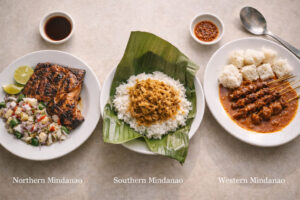
Northern Mindanao cuisine: places like Cagayan de Oro, Bukidnon, and Camiguin food culture—comfort, abundance, and market snacks that fit into busy days.
Southern Mindanao cuisine: Davao flavors and nearby areas (including SOCCSKSARGEN and General Santos food culture)—seafood, grills, fruit culture, and city markets that run on everyday appetite.
Western Mindanao cuisine: Zamboanga plates, Chavacano influences, and wider tastes connected to Tausug and Yakan influences—breakfasts, sauces, and iconic favorites that make sense when you remember the sea and trade.
A gentle reminder about diversity (and why this isn’t “the” definitive list)
This is a personal travel story and a respectful guide, not a textbook. I’m sharing a way in—entry points, etiquette, and flavors that help first-timers feel comfortable. If you want more Mindanao reading pathways, you can start with destination hubs like Davao and Zamboanga and build your own map from there.
The Mindanao Flavor Primer (Short and Friendly)
 Aromatics and heat: ginger, turmeric, coconut, toasted notes
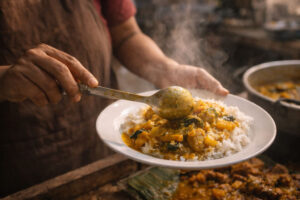
How do Northern, Southern, and Western Mindanao differ in pantry staples and flavor profiles? Across many Mindanao tables, you’ll meet aromatics that feel warm and grounding: ginger that wakes you up gently, turmeric that stains your spoon a happy yellow, coconut that softens spice into something round and comforting. Sometimes there’s a toasted, almost burnt-coconut note—deep and smoky, the way a dish tastes when it’s been cared for, not rushed.
Sour and smoke: vinegar, calamansi, grills, kinilaw culture
Sourness is a quiet hero: vinegar and calamansi that cut through richness, brighten seafood, and make you reach for another spoonful of rice. Smoke shows up too—charcoal grills, roasted edges, the satisfying bitterness of a well-seared piece of fish. And then there’s kinilaw culture: fresh seafood “cooked” in acid, balanced with aromatics and heat. In Southern Mindanao especially, kinilaw isn’t a special-occasion performance; it’s a normal, beloved way of eating.
Rice is the anchor, but the stories live in the sides
Rice shows up everywhere, steady and familiar. The “story” is often the accompaniment: a spicy condiment, a coconut-forward stew, a grilled plate you eat with your hands because it just feels right. This is why Eating through Mindanao is so satisfying—you can learn a place by what it serves beside rice.
Northern Mindanao: Comfort and Abundance
Northern Mindanao comfort is practical—made for real days
Northern Mindanao cuisine often feels like food that understands schedules: market breakfasts, quick lunches between errands, merienda that turns into dinner because you got busy. In Cagayan de Oro, you might find yourself eating something warm and filling after a long ride, then realizing the best part wasn’t the “famous dish” but how easy it was to be fed.
Market eating: where snack culture becomes a love language
What are Northern Mindanao comfort staples and snack culture? Start at markets. Markets teach you what people actually crave: corn-based snacks, fried bites, skewers, warm soups, and desserts that feel like a small reward. I love watching how people order—quick, familiar, no fuss. If you’re nervous, do the gentle move: point, smile, ask “Unsay lami diri?” (What’s good here?) and let the vendor guide you.
Corn, cacao, and coffee: the quiet backbone
In places like Bukidnon, the land feels like it’s always feeding someone—corn fields, fruit farms, and a steady culture of coffee and cacao that turns into pasalubong, gifts, and daily comfort. A warm drink after a cool morning in the highlands can feel like therapy. It’s not always about chasing “the best.” Sometimes it’s about letting a simple cup anchor your day.
One story dish idea: the “after-ride bowl”
Every region has that one meal you crave after transit: something soupy, something warm, something you eat slowly even if everyone else is eating fast. In Northern Mindanao, I look for that “after-ride bowl”—the dish locals reach for when they want to feel human again. If you don’t know what to order, ask the stall owner what workers and drivers usually eat.
Camiguin-style snacks and pasalubong culture
Camiguin food culture often includes small snacks and pasalubong traditions—things you can bring home, share, and talk about later. Even if you don’t buy anything, noticing what people buy as gifts is its own lesson: it tells you what they’re proud of, what they consider comforting, what they want others to taste.
If you want more street-level context across cities (including Mindanao stops), this is a fun companion read: Filipino street food diaries: Manila, Cebu, Davao.
Southern Mindanao: City Markets and Bold Everyday Plates
Davao flavors as a friendly entry point
Southern Mindanao cuisine can feel like a confident handshake: bright, bold, generous. Davao is an easy entry point because it has city markets, familiar comforts, and enough variety that you can explore gently. Start with what feels approachable, then widen your palate from there.
Kinilaw and sinuglaw: sour, smoky, and social
Let’s talk about the duo that often shows up in Southern Mindanao food trips: kinilaw and sinuglaw. Kinilaw is acid-cured seafood—fresh, bright, sharp in the best way. Sinuglaw combines grilled meat (often pork) with kinilaw elements, making it smoky and tangy at once. If you don’t eat pork, you can still enjoy kinilaw on its own or ask about seafood-only options. The key is asking politely without assuming what a kitchen can accommodate.
Seafood, grills, and fruit culture: the Southern rhythm
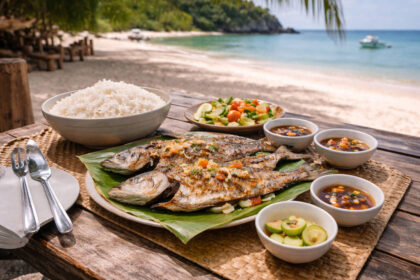
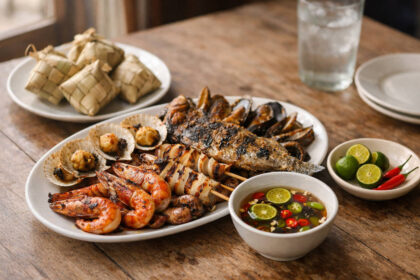
What defines Southern Mindanao plates? In and around Davao and nearby coastal areas, seafood feels close—grilled fish, prawns, squid, and shellfish that taste best with rice and a simple dipping sauce. There’s also fruit culture: fruit stalls that look like color therapy, and desserts that feel lighter because the sweetness comes from the land, not just sugar.
Breakfast, merienda, late-night eats: real meal moments
I love structuring a Southern Mindanao food trip around the way locals actually eat:
Breakfast: something warm and filling (soups, rice meals, simple eggs and meat).
Merienda: a snack that becomes a small story—fried bites, bread, fruit, or a sweet drink.
Late-night: grilled plates and comfort food that feels like a reward for surviving the day.
The best travel stories aren’t always in the “famous” restaurant. Sometimes they’re in the humble place you choose because it looked clean, busy, and kind.
SOCCSKSARGEN and General Santos food culture: where seafood feels immediate
SOCCSKSARGEN and General Santos food culture are often associated with seafood abundance. Even if you’re only passing through, you’ll notice how people talk about fish like it’s a daily friend—what’s fresh, what’s in season, what’s best grilled versus cooked in broth. If you’re new to Mindanao savory stories, this is a friendly region to taste “freshness” as a main flavor.
Western Mindanao: Layered Influences and Iconic Favorites
Zamboanga plates: where breakfast feels like a signature
Western Mindanao cuisine can feel layered in a way that’s hard to describe until you taste it: sauces that carry spice and comfort at the same time, breakfasts that feel like they’ve been perfected by repetition, and a city rhythm that moves between sea and street. Zamboanga, with its Chavacano influences, is often where first-timers feel the “Oh—this is different” moment.
Satti: a morning plate that teaches you how locals start the day
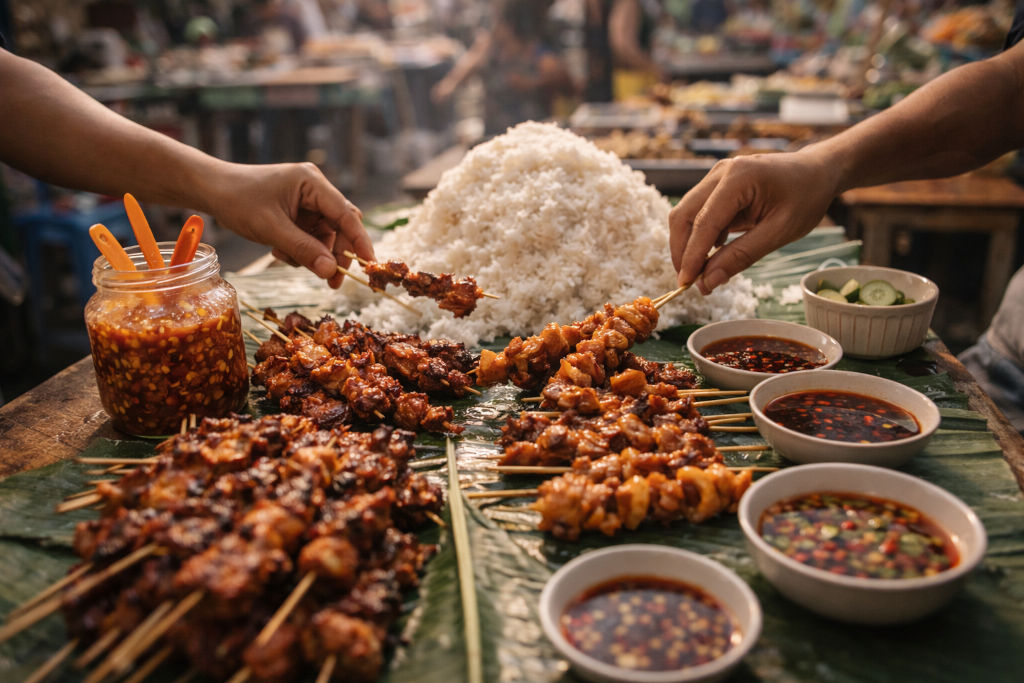
Satti is one of the most recognizable entry points—grilled skewers paired with a rich, spicy sauce and rice (often served in a way that feels very morning-coded). It’s warm, filling, and communal. If you’re unsure about spice, you can ask for milder options or smaller portions. Let it be your gentle introduction, not a challenge.
Curacha: sea flavors with personality
Curacha is one of those seafood dishes that feels proudly local. For travelers, it’s a chance to taste the sea with context: this is what’s caught, cooked, and shared here. If you’re new to shellfish, start with a small order and watch how locals eat it—there’s always a technique.
Knickerbocker: sweetness, nostalgia, and hot-weather comfort
Knickerbocker is often mentioned in Zamboanga context—colorful, sweet, and refreshing in a way that makes sense in humid afternoons. I like it as a “rest stop dessert” after a savory breakfast. It’s also a reminder that Mindanao food traditions aren’t only about spice; they’re also about joy, playfulness, and relief from heat.
Western Mindanao must-tries beyond the usual headlines
What are Western Mindanao must-tries beyond the usual headlines? Beyond satti, curacha, and knickerbocker, widen your curiosity to home-style dishes, local breads, and soups that don’t trend online. Ask what families cook on regular days. Ask what people eat when they’re tired. Those answers are often the real cuisine guide.
Moro and Indigenous Food Stories (Handled With Care, as Everyday Life)
Food stories are community stories—not a spectacle
I’m placing this section here not as a “special segment,” but as a reminder: Mindanao savory stories include Muslim communities and indigenous cultures as living, everyday realities. The goal is to speak with respect and avoid treating anyone as an “experience.” You are a guest—food is a welcome, not a performance.
What is palapa, and why it matters at the table
What is palapa, and how does it shape Maranao savory dishes and table culture? Palapa (often associated with Maranao cuisine) is a condiment that brings heat, aroma, and depth—an anchor flavor that can transform rice and simple dishes into something deeply satisfying. It’s not just “spicy.” It’s a way of layering flavor and identity at the table. When someone offers palapa, treat it like you would treat a family’s cherished sawsawan: with curiosity and gratitude.
If you want a thoughtful, human story about palapa’s role in community and hope, this piece is a gentle read: Palapa: Taste Tomorrow.
What is pastil, and why is it loved as everyday food?
Pastil (often linked with Maguindanao) is beloved because it’s practical: rice topped with savory shredded meat (commonly chicken or beef) wrapped for easy eating. It’s everyday food—portable, filling, and comforting. This is what I love about Mindanao food traditions: so many iconic items are not “fancy,” they’re functional love. They feed people on regular days.
Other dishes to know with respect: piaparan and tiyula itum
Piaparan (Maranao) is often described as a coconut-and-spice-forward dish—warm, rich, and fragrant. Tiyula itum (Tausug) is known for its dark broth character (often linked to toasted elements and deep spice). These dishes deserve careful words and respectful eating: ask what’s in them, learn how they’re served, and don’t reduce them to “exotic.” They’re home food to someone.
If you want a straightforward reference sheet of delicacies from Maguindanao del Sur to guide your curiosity (and your respectful questions), this PDF is useful: Maguindanao del Sur delicacies.
Halal Food in Mindanao: Etiquette That Makes You a Better Guest
Key habits for eating respectfully in Muslim communities
What are the key etiquette habits for eating respectfully in Muslim communities (halal awareness, what to ask, what not to assume)? The most important habit is simple: don’t assume. Halal practices vary by establishment and community. If you’re unsure, ask politely and clearly.
Helpful questions you can use (with a gentle tone):
• “Halal po ba dito?”
• “Pork-free po ba ang kitchen?”
• “May separate utensils po ba?”
What not to do: don’t joke about halal, don’t insist a place “adjust” if they can’t, and don’t treat dietary rules as a novelty. Also, if you don’t eat pork yourself, say it calmly—many places can guide you to pork-free dishes, but it’s kinder to ask than to assume.
Respectful ordering when you don’t eat pork (or you’re unsure)
Say what you can eat, then ask what they recommend. “Hindi po ako kumakain ng pork—ano po ang okay dito?” is an easy line that keeps it respectful. Many Mindanao food trip moments become warmer when you let the cook or server guide you.
How to handle spice levels without offending anyone
Spice isn’t a contest. If you’re sensitive, ask for less spicy or smaller portions. You can also pair spicy food with rice and something cooling. A good host would rather you enjoy the meal than suffer quietly. This is part of how first-timers can enjoy Eating through Mindanao without fear.
A Simple “How to Eat Mindanao” Travel Guide
 What should first-timers try first? A gentle starter route for the palate
What should first-timers try first (a gentle “starter route” for the palate)? Start with familiar shapes, then widen the flavors:
Step 1: grilled plates + rice (easy comfort).
Step 2: kinilaw (bright, fresh, sour; start mild).
Step 3: a saucy breakfast plate (like satti) if you’re ready for spice and depth.
Step 4: everyday wrapped comfort like pastil.
Step 5: a condiment-led experience like palapa, used respectfully and thoughtfully.
How to ask politely in markets and carinderias
My favorite line is still: “Ano po ang bestseller niyo?” because it invites guidance. If the place is busy, point and confirm. If it’s quiet, ask about ingredients—especially for dietary needs. And always say thank you like you mean it. In Mindanao, hospitality often arrives quietly, in the extra spoon, the added sabaw, the “Okay ka lang, iha?”
How can travelers explore Mindanao food without turning cultures into content?
This is a big one. Here’s my personal rule: eat first, film later—if at all. Ask permission before recording people. Don’t shove a phone into someone’s face while they’re cooking. If you’re invited into a family kitchen, treat it like a gift, not a backdrop. And when you write or post, focus on what you learned, not what you “collected.” Mindanao savory stories are about relationships—between people, land, and memory—not about hunting “viral” plates.
If you want deeper context on Filipino food and the “why” behind certain habits, this is a good companion: Filipino food culture stories.
A Gentle Sample Itinerary for a Food-Focused Trip (Not Schedule-Heavy)
Option A: Northern + Southern focus (comfort to bold)
Start north with comfort and market snacks: a morning market walk, coffee/cacao moments, simple grilled meals, and that “after-ride bowl.” Then move south toward Davao flavors: kinilaw and sinuglaw (or seafood-only kinilaw if you prefer), fruit breaks, and one late-night grill session. Keep your days spacious. The best Mindanao cuisine guide isn’t a schedule—it’s a series of unhurried meals.
Option B: Western add-on for a deeper dive (breakfast culture + layered sauces)
Add Western Mindanao when you have extra days and emotional energy for learning: start with satti for breakfast, try curacha if seafood is fresh and you’re curious, then end with knickerbocker for that sweet, cooling reset. Between meals, talk to people. Ask what they ate growing up. You’ll find that Mindanao food traditions are often carried in stories more than recipes.
For more destination jumping-off points, the Mindanao hubs help you build a route that matches your comfort: Davao and Zamboanga.
FAQ
What makes Mindanao food traditions distinct and diverse across regions?
Geography, trade routes, local agriculture, faith practices, and community histories shape different pantry staples and cooking styles. Mindanao is not one cuisine—it’s many tables.
How do Northern, Southern, and Western Mindanao differ in flavor profiles?
Northern Mindanao often leans into comfort, market snacks, and farm-linked staples like corn and cacao/coffee. Southern Mindanao highlights seafood, grills, sour-bright kinilaw culture, and fruit-forward breaks. Western Mindanao features layered sauces, breakfast signatures like satti, and dishes influenced by the sea and local identity.
What should first-timers try first?
Start with grilled plates and rice, then mild kinilaw, then a saucy breakfast plate like satti if you’re ready for spice. Add pastil for everyday comfort and palapa when you want to understand condiment-led flavor.
What is palapa?
Palapa is a Maranao condiment that brings heat, aroma, and depth—often shaping the character of savory dishes and the way meals are shared at the table.
What is pastil, and why is it loved?
Pastil is rice topped with savory shredded meat (commonly chicken or beef) wrapped for easy eating. It’s loved because it’s practical, comforting, and everyday.
What etiquette habits matter for halal food in Mindanao?
Ask politely if a place is halal or pork-free, avoid assumptions, respect kitchen limits, and don’t treat halal practices as a novelty. Ask about utensils and cooking practices if you have strict dietary needs.
What are Western Mindanao must-tries beyond the usual headlines?
Look for home-style soups, breads, and everyday dishes locals eat regularly—then ask people what they crave after work or on rainy days. Those answers often reveal the real cuisine.
How can travelers explore Mindanao food without turning cultures into “content”?
Ask permission before filming, prioritize conversation over posting, and write about what you learned rather than what you “collected.” Treat kitchens and communities as homes, not backdrops.
Closing: Let the Food Teach You How to Be Here
The best part of Eating through Mindanao is that the food doesn’t ask you to be an expert. It asks you to be present—to taste carefully, to ask kindly, to notice how a condiment changes a whole table, how a wrapped meal like pastil fits into real life, how halal respect is part of hospitality. Mindanao savory stories are savory, yes—but they’re also tender. They remind you that every plate is a small offering of history and care. If you let the meals slow you down, you’ll leave with more than recommendations. You’ll leave with gratitude.