Exploring manila without a car is absolutely doable—but it works best with a “low-stress mindset.” Metro Manila distances can look short on a map and still take a while in real life because of traffic, weather, and queues. The goal isn’t to move the fastest; it’s to move the simplest. When you plan with comfort in mind, you’ll spend less time negotiating rides and more time enjoying the city.
Quick Overview: The Low-Stress Mindset
Here’s the simplest strategy for getting around Manila without a car:
- Cluster activities by area. Choose one main neighborhood at a time instead of bouncing across the metro.
- Walk only in true walking zones. Manila has pockets that are walkable—and long stretches that aren’t comfortable on foot.
- Use Grab as the default stress-free connector. It’s the easiest way to go point-to-point without fare disputes.
- Use trains only when the route is straightforward and you’re comfortable with stations, stairs, and crowds.
- Build buffers. Heat, rain, and rush hour can stretch even short trips.
Think of this as a Manila transportation guide for tourists that prioritizes calm decisions: fewer transfers, clearer pickup points, and deliberate rest breaks.
If you want a fully timed, first-timer-friendly one-day plan that uses these same rules, see this Manila itinerary 24 hours guide and treat it as a ready-made template.
Walking Zones by Area (What’s Actually Walkable)
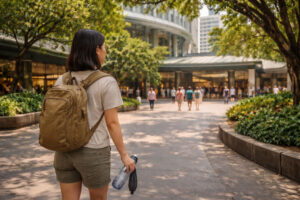 Walking can be wonderful in Manila—when you’re in the right pocket and timing it well. Below are the zones where walking is most realistic, plus clear cues for when to stop walking and switch to a ride.
Intramuros (Walkable Inside the Walls)
What to expect: Intramuros is one of the best walking zones in the city once you’re inside. Streets are historic and uneven in parts, with patches of shade and long sunny stretches. Heat can bounce off stone and pavement, especially late morning onward.
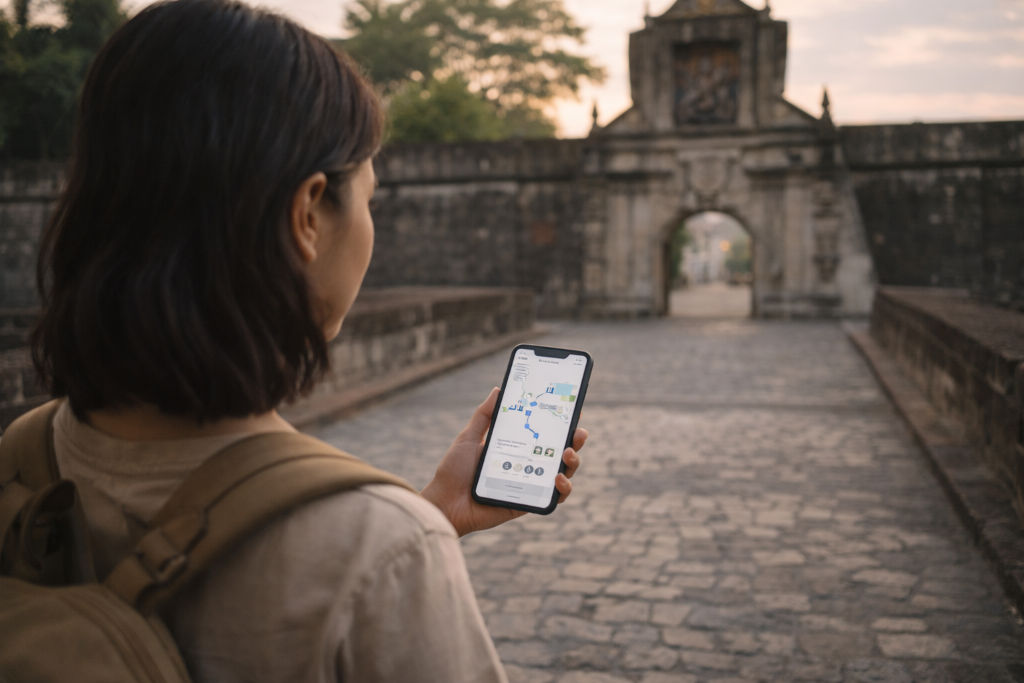
When walking works: Morning loops inside Intramuros (heritage streets, plazas, churches, Fort Santiago area) are ideal. You can do most of the main sights on foot without needing to hop in and out of vehicles.
When to switch to Grab: When you’re leaving Intramuros for the next district, when the heat index climbs, or if rain starts. Exiting and re-entering on foot can add friction and fatigue.
Ermita / Rizal Park / National Museum Area (Walkable in Short Links)
What to expect: This area works well for short, purposeful walks—museum-to-park, park-to-nearby cafe—especially if you time it to avoid peak sun.
When walking works: Between museum buildings and Rizal Park, and for short hops along main roads where you can find shade.
When to switch to Grab: Midday heat, heavy rain, or when you’re crossing wider roads and you’d rather keep things simple.
Binondo Core Streets (Walkable, but Crowded)
What to expect: Binondo is best done on foot once you’re in the core. Sidewalks can be tight, crowds can be dense, and it’s easy to slow down—especially around peak meal times.
When walking works: Food crawl style routes where you’re moving stop-to-stop within a small radius.
When to switch to Grab: Getting in and out of Binondo (use a clear pickup point like a mall entrance or major landmark), and when you’re tired and the crowd feels like “too much.”
Makati (Choose an Ayala Core Zone)
What to expect: Makati can feel walkable if you stay in a clear “Ayala core” zone—think mall clusters and nearby business-district streets. Outside that core, sidewalks can vary a lot, and some areas are less comfortable on foot.
When walking works: Inside the Ayala mall area and nearby blocks where foot traffic is common, plus short cafe-to-mall links.
When to switch to Grab: If your destination is outside the core, if it’s midday heat, or if you’re carrying shopping and want a simpler move.
BGC (High Walkability Once Inside)
What to expect: BGC (Bonifacio Global City) is one of the easiest places to walk once you’re there. Sidewalks are generally wide and predictable, though crossings still require attention, and midday sun can feel intense.
When walking works: Park-to-dining-to-shopping loops within BGC’s central areas.
When to switch to Grab: Entering/exiting BGC and anytime you’re trying to hop between far corners under strong sun or rain.
Quick cue: If you find yourself sweating hard, scanning for shade, or constantly stopping to check directions, it’s usually time to switch from walking to Grab. Comfort keeps your day steady when you’re doing manila without a car.
Grab Basics (Visitor-Friendly)
For most travelers, Grab is the easiest backbone for how to get around Manila—especially if you want to avoid fare disputes and keep directions simple.
- Pin your pickup point carefully. Use mall entrances, hotel lobbies, and major landmarks. “Somewhere on this street” can create delays.
- Expect longer waits during rush hour and heavy rain. Prices can surge and drivers can be harder to match. Build a buffer instead of squeezing the schedule.
- Use in-app payment if possible; keep small cash as backup for edge cases.
- Verify plate and driver details before getting in. Don’t be shy about checking—this is normal safety behavior.
- Use share-trip features if available, especially at night or if you’re traveling solo.
Grab vs taxi (quick note): App-based rides reduce fare disputes because the route and price are set in the app. Taxis can be fine, but for first-timers on a tight schedule, Grab tends to be simpler and calmer.
MRT/LRT Basics (Only What a Visitor Needs)
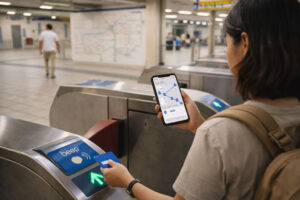 Trains can help when road traffic is heavy—especially on straightforward corridors—but they come with their own realities: security checks, queues, stairs, and crowding at peak hours.
When trains help
- When you want to avoid road traffic on a route that’s clearly “station-to-station.”
- When you’re traveling at a non-peak time and you’re comfortable with crowds and station navigation.
What to expect
- Security checks at entrances
- Lines for tickets or entry during busy periods
- Stairs and escalators (not always consistent in every station)
- More crowding at peak commute hours
Ticketing basics
- Single-journey tickets: fine for one-off rides.
- Stored-value card (beep): convenient if you’ll ride more than once. It’s commonly accepted across lines.
For official ticket and fare references, you can check the Light Rail Transit Authority page here: LRTA tickets and fares. Keep it simple: if the train route feels straightforward to explain (“one line, a few stops”), it can be worth it. If not, Grab often keeps manila without a car calmer.
Jeepney and Tricycle Realities (When They Help, When to Skip)
Jeepneys
Jeepneys can be cheap and frequent, but they work best when you already understand routes and feel comfortable with crowds and quick decisions. For most first-time visitors on a tight schedule, treat jeepneys as optional—not essential.
Tricycles / pedicabs
These can be useful for very short “last-mile” trips in certain areas, but routes are limited and fare negotiation can be awkward. If you’re tired, it’s hot, or you can’t confidently estimate the distance, Grab is often simpler.
The tourist rule: If you can’t explain your route in one sentence, choose Grab or trains. This rule saves a lot of energy when you’re getting around Manila without a car.
Decision Guide: Clear Rules for Common Moves
This is the centerpiece: simple “if you are here and going there, do this” rules. Each move includes a best default, a backup, and the why.
Intramuros → National Museum / Rizal Park
Best default: Grab. Backup: Walk only if weather is mild and you enjoy longer city walks; otherwise avoid. Why: It’s a short corridor but can feel draining in heat and confusing at crossings—Grab keeps it direct.
Intramuros → Binondo
Best default: Grab to a clear Binondo pickup/drop-off landmark. Backup: LRT as an alternative if you’re comfortable with stations. Why: Binondo is easiest once you’re inside the core; the “getting there” part is what you want to simplify.
Binondo → National Museum / Rizal Park
Best default: Grab. Backup: Train only if you can describe the route simply and you’re okay with crowding. Why: This transfer can be affected by traffic and rain; Grab keeps the navigation easy.
Ermita / National Museum area → Manila Bay sunset area
Best default: Grab (short ride, easy timing). Backup: Walk short segments if you’re already near the baywalk and weather is pleasant. Why: Late afternoon traffic can spike; Grab lets you choose the most direct approach and protect your sunset time.
Makati within Makati (Ayala core → nearby spot)
Best default: Walk within the Ayala core. Backup: Short Grab hop if it’s hot, raining, or you’re carrying bags. Why: This is one of the most comfortable “no-car” zones when you stay inside the core.
Makati → a dinner spot nearby (same district)
Best default: Grab for a short hop if the dinner area isn’t in the immediate core; otherwise walk. Backup: Choose a closer restaurant cluster instead of traveling farther. Why: Dinner timing overlaps with traffic—keeping it local reduces stress.
Makati → Manila Bay sunset area
Best default: Grab with a travel buffer. Backup: If traffic looks heavy, leave earlier and treat the baywalk as your “rest block.” Why: This is a classic cross-zone move; the calm trick is going early and not squeezing the schedule.
Makati → BGC (optional hop)
Best default: Grab. Backup: Skip the hop and keep your main plan Makati-focused. Why: Makati and BGC can be close but still time-variable. If you only have one day, fewer transfers usually wins.
Helpful tool note: If you want a quick way to sanity-check commute options, Sakay.ph can help you compare routes without needing to memorize the whole system.
Two Sample No-Car Days (Timed, Realistic, With Buffers)
These are not “maximum sightseeing” plans. They’re calm, followable day outlines that keep manila without a car realistic in heat, rain, and queues.
If you want an even more structured, step-by-step one-day plan (with two versions you can choose from), use Manila Itinerary 24 Hours: A Low-Stress One-Day Plan (First-Timers) as your main template and treat the schedules below as flexible outlines.
A) Intramuros + Museums + Binondo + Manila Bay (Low-Stress Classic)
8:00 AM – 10:45 AM: Intramuros heritage block
- Transport: Grab to Intramuros. Walk inside the walls.
- Plan: Choose 2–3 stops only (one anchor + one church area + one short photowalk).
- Buffer: 15–30 minutes for water, shade, and slower-than-expected walking on uneven paths.
10:45 AM – 11:30 AM: Transfer + heat reset
- Transport: Grab to the museum/Ermita area is simplest. Train option: only if you’re comfortable and the route feels straightforward.
- Plan: Make this a deliberate cool-down block—hydration and a short indoor pause if needed.
11:30 AM – 2:00 PM: National Museum and/or Rizal Park
- Transport: Walk between nearby buildings and the park.
- Plan: Do one museum building well, then a short Rizal Park walk (or reverse it if you want shade first).
- Buffer: 20–40 minutes for entry lines and rest breaks.
2:00 PM – 2:45 PM: Transfer to Binondo
- Transport: Grab is the simplest connector.
- Buffer: Build extra time if it’s raining—ride matching and traffic can slow down.
2:45 PM – 5:15 PM: Binondo food crawl (gentle pace)
- Transport: Walk once inside Binondo core streets.
- Where to eat (simple approach): Choose 2–3 stops maximum—one noodle/soup, one dumpling/bun, one dessert. Pick based on what looks manageable (seating, queue length, how you’re feeling).
- Comfort note: Expect crowds; keep phone and wallet secure; take a seated break if you feel overstimulated.
5:15 PM – 6:30 PM: Transfer to Manila Bay + buffer
- Transport: Grab (most straightforward).
- Timing note: Late afternoon traffic can spike. Leaving earlier is often the calm move.
6:30 PM – 8:00 PM: Manila Bay sunset + simple dinner
- Plan: Short baywalk, sit-down rest, then dinner nearby based on comfort (aircon if you’re overheated; breezier option if weather is kind).
If it rains (indoor swap): Shorten Intramuros to the most sheltered/indoor stops, prioritize one National Museum building, shorten Rizal Park, and reduce Binondo wandering to fewer stops close together. Keep a mall/cafe reset option along your route so you can dry off and regroup. For a dedicated wet-weather version of this kind of day, use this Manila rainy-day itinerary and borrow its indoor-first routing.
If you want a checklist of alternative stops you can swap in, this things-to-do guide works well as a menu—just keep swaps inside the same corridor so you don’t lose time to traffic.
B) Makati Day (Ayala Core) + Easy Dinner
This is one of the smoothest ways to do manila without a car because the day is centered on one district with deliberate aircon breaks.
9:00 AM – 11:00 AM: Walkable Makati morning
- Transport: Walk within the Ayala core.
- Plan: Start with coffee, then a short stroll through the most walkable blocks. Keep it gentle—this is your “warm-up,” not a marathon.
11:00 AM – 12:30 PM: Indoor block + rest break
- Transport: Walk.
- Plan: Treat malls as comfort tools: bathrooms, water, aircon, and an easy place to regroup. If an indoor cultural stop fits your interests, this is a good time.
12:30 PM – 2:00 PM: Sit-down lunch
- Plan: Choose a place with seating and quick service. The goal is to recharge, not squeeze in another far stop.
2:00 PM – 4:30 PM: Flexible afternoon (walk + mall/cafe resets)
- Transport: Walk within the core; Grab for any longer hop.
- Plan: If it’s hot, lean into indoor breaks and short walks between them.
- Train note: Trains are optional for confident commuters only—this day is designed to work without them.
4:30 PM – evening: Easy dinner plan
- Transport: Grab if the dinner cluster isn’t in the immediate core; otherwise walk.
- How to choose dinner (no overpromising): Pick restaurant clusters where it’s easy to wait indoors, then choose based on crowd level and your comfort (aircon, seating, noise level). If a place looks packed and you’re tired, choose the next good option.
If it rains: Keep the day indoors (malls, cafes, indoor stops), then decide late afternoon if a Manila Bay run is worth it based on weather and ride availability. If rain is heavy, make dinner your “main finish” and keep the rest calm and dry. If you want indoor-first route ideas that are designed for heavy rain, borrow a plan from this rainy-day itinerary and keep transfers short.
Safety and Scam Avoidance (Calm, Specific)
- Pickpocket awareness: In crowds and stations, keep your phone secure and your bag in front.
- Avoid fare disputes: Prefer app-based rides. If you do take a taxi, avoid anyone overly pushy or offering “special deals.”
- Skip random fixers: Don’t accept unsolicited “help” for tickets, rides, or directions that feels insistent.
- Where to keep valuables: Phone away when not needed; wallet in a secure pocket; bag zipped and in front in crowded areas.
- Night basics: Stick to well-lit areas, avoid unfamiliar side streets, and trust your comfort level—if a street feels off, pivot to a main road or call a ride.
Accessibility Notes (Heat, Rain, Strollers, Mobility Limits)
Heat
Plan midday indoors (museums, malls, cafes), hydrate often, and pace your walking. In Manila, “slow and shaded” is a real strategy.
Rain
Expect sudden downpours, plan indoor resets, and allow extra time for Grab waits during heavy rain. A small umbrella and quick-dry layer make a difference.
Strollers
Sidewalks can be uneven. BGC is generally the easiest for strollers; Makati varies by block; Intramuros can be rough because of uneven paths. Plan shorter walking loops and more point-to-point rides if traveling with little kids.
Mobility limits
Prioritize Grab point-to-point, choose fewer stops, and build seated breaks into every block. A “two stops done well” day often feels better than chasing a longer list.
Budget Ranges (Rough, Honest, PHP)
These ranges combine transport + food for a day. Exact totals vary based on how many Grab rides you take and whether you choose quick eats or sit-down meals.
- Budget (PHP 1,200–2,200): mostly walking + trains, simple meals, minimal Grab (1–2 short rides).
- Mid (PHP 2,500–4,800): mix of Grab and trains, one sit-down meal, more aircon breaks (3–5 Grab rides depending on distance and rain).
- Comfort (PHP 5,000–9,000): mostly Grab, fewer transfers, more sit-down rests and cafe stops (5–8 rides, especially if avoiding heat/rain).
Want to Swap Stops Based on Interests?
If you’re building a no-car plan and want alternatives by vibe—heritage, museums, food, shopping—use this Manila “things to do” list as your swap menu. The key is to keep swaps within one corridor so you don’t spend the day moving instead of enjoying.
If you’re still calibrating expectations for Manila’s pace, this guide to Manila’s culture and rhythm can help you plan with a calmer mindset.