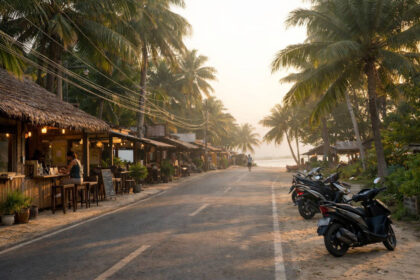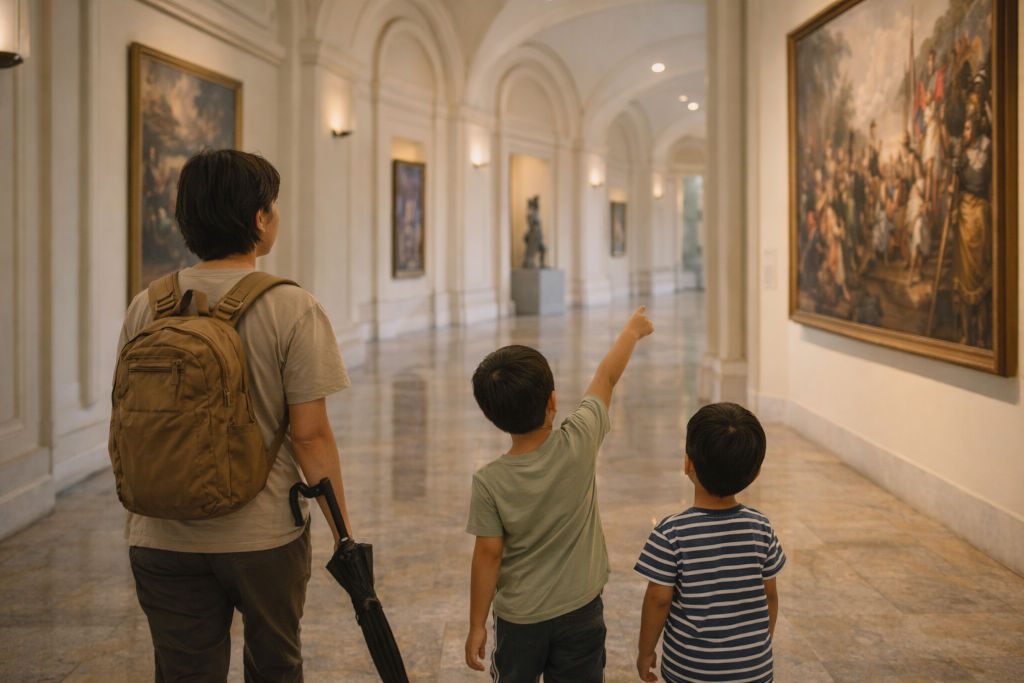
Planning manila with kids can feel intimidating on paper—big city, heat, traffic, sudden rain, and energy levels that change every hour. But “low-stress Manila” is absolutely doable when you treat the day like a series of small, comfortable blocks instead of a checklist. Think: one area at a time, plenty of aircon breaks, and a rhythm that protects naps, snacks, and bathrooms.
This guide focuses on easy pacing for parents doing 1–2 days in Manila. You’ll find age-friendly options (toddlers to teens), practical logistics (heat, naps, bathrooms, meals), honest transport realities, and two itineraries designed to minimize walking and crisscrossing. For more broad trip ideas you can mix and match, start with our Manila roundup of top things to do and then tailor it using the low-stress rules below. If you only have one day total, you can also borrow the timing structure from Manila Itinerary 24 Hours: A Low-Stress One-Day Plan (First-Timers) and run it in “family mode” by shortening walking and extending indoor breaks.
What “Low-Stress Manila With Kids” Really Means
Low-stress doesn’t mean doing “everything.” It means choosing a few kid-friendly activities in Manila that fit your family’s pace—and letting the rest go. A calm day usually has: one main attraction, one reliable indoor anchor (aircon + bathrooms), and one flexible add-on if everyone still has energy.
It also means designing around Manila realities: midday heat, sudden downpours, long waits for rides in peak hours, and the way kids can be fine one minute and done the next. Your goal is to keep transitions simple and predictable. If you prefer a transport-first approach (walking zones, Grab rules, and when rail is worth it), Manila Without a Car: How to Get Around Safely and Easily pairs well with this guide.
The Three Rules for Low-Stress Days
Rule 1: Cluster by Area (Don’t Crisscross the City)
The fastest way to exhaust kids (and parents) is hopping across multiple districts in one day. Manila traffic can turn short distances into long transfers, and long transfers can unravel the best mood. Choose one cluster—like the National Museum area, Intramuros-adjacent sights, BGC, or a Makati mall zone—and build your day around it.
If you’re tempted to squeeze in “just one more stop,” ask: is it within the same area, or does it require a major transfer? If it’s a major transfer, it’s usually better saved for another day.
Rule 2: Protect Midday With Indoor or Aircon Blocks (Heat Management)
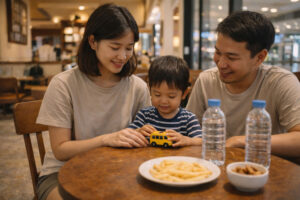 In Manila, late morning to mid-afternoon can feel intense, especially with toddlers or kids who melt down when overheated. Plan an indoor block around late morning and a bigger indoor anchor around midday: museums, malls, indoor play, cafés with seating, or an aquarium-type stop.
Outdoor time can still happen—just keep it short, shaded when possible, and paired with an indoor reset right after. If you want a ready-made wet-weather structure for museum-and-mall days, this Manila rainy-day itinerary gives indoor-first routes you can adapt to nap windows.
Rule 3: Plan Predictable Resets (Bathrooms, Snacks, Water, Quiet Time)
Parents already know: kids don’t need a “full break,” they need frequent small resets. In practice, that means knowing where your next bathroom is, carrying water, and scheduling snack stops before the “I’m hungry” crash.
A simple mindset: every block should end with a reset. Attraction → bathroom → water → snack → next plan. You’ll be surprised how much calmer the day feels when resets are automatic, not last-minute.
Age-Friendly Options in Manila (What Works, and What Backfires)
Family activities in Manila look different depending on age. Below are options that usually work well in the city’s pace, plus the common pitfalls to avoid.
Toddlers (1–3): Short Blocks, Strollers, and “One Hall” Visits
What tends to work for manila with toddlers:
- Indoor play and aircon spaces: Malls often have play areas, wide corridors, and predictable bathrooms—use them as your comfort zone.
- Aquarium-type stops: Dimmer indoor lighting, slow walking, and big visual interest can be toddler-friendly. If an aquarium is on your shortlist, check details via Manila Ocean Park’s official site so you can plan timing and expectations.
- Quick museum “one hall” approach: Pick one section, keep it short, and leave while it’s still going well. You can preview current hours and practical info at the National Museum’s official site.
- Stroller-friendly loops: Smooth indoor floors (malls, many museum corridors) tend to be easier than uneven sidewalks or heritage streets.
- Lots of rest: Build in downtime after every major block—toddlers do better with fewer transitions.
What often backfires: long outdoor walks at noon, too many stops in a row, and cross-city transfers that eat up nap windows. Also: planning a “full museum day” is rarely toddler-friendly—short and sweet wins.
Kids (4–10): Interactive Learning, Parks in Bursts, Structured Indoor Fun
What tends to work for things to do in manila with kids ages 4–10:
- Interactive museums and learning spaces: Choose exhibits with big visuals, clear storytelling, or hands-on energy. Keep it to 60–120 minutes, then reset.
- “Park in short bursts”: A quick open-air run is great—just don’t make the park the whole plan in peak heat. Pair with a nearby indoor anchor.
- Structured indoor activities: Craft-style activities, indoor play zones, arcades, or kid-friendly workshops in malls can be a reliable mid-afternoon plan.
- Simple “mission” games: Scavenger hunts like “find three paintings with animals” or “spot the tallest building” can keep kids engaged without forcing a long walk.
What often backfires: stacking too many “learning” stops without play breaks, doing outdoor heritage walks in the hottest hours, and planning long cross-district transfers right before meal time.
Teens (11–17): Stronger Storytelling, Photo-Friendly Districts, Food and Cafés
What tends to work for manila with teens:
- Museums with clear narratives: Teens often enjoy exhibits with context—history, identity, design, and big-picture storytelling—especially if you let them move at their own pace.
- Photo-friendly districts: Modern, walkable pockets (like parts of BGC) can be easier than areas with heavy street crossings.
- Food neighborhoods and cafés: A café reset isn’t just for parents—teens appreciate a calm place to recharge and scroll. If coffee stops are part of your family rhythm, you can weave in ideas from this guide to Philippine coffee culture and Manila cafés.
- Optional evening skyline or sunset: Keep it truly optional. If the day has been full, a simple early dinner can be the better “win.”
What often backfires: over-scheduling “must-sees,” forcing long museum marathons, and leaving all the fun (shopping, cafés, photos) for the end when everyone is already tired.
Nap and Heat Management (Parent Logistics That Save the Day)
A Suggested Day Rhythm for Manila
A calm Manila day often follows this pattern:
- Early start: Do your most “effort” activity first (museum, a short outdoor walk, or a scheduled attraction).
- Late morning indoor block: Shift indoors before the heat peaks—museum galleries, an indoor learning space, or a mall loop.
- Midday rest: Lunch + quiet time. If possible, return to your hotel for a real reset.
- Late afternoon outing: One more manageable block: a short walk in a shaded area, a play zone, or a café + quick browse.
- Early dinner: Eat before the overtired zone. End the day while it’s still pleasant.
How to Handle Naps on the Go
Not every family can return to the hotel midday, but having a nap strategy helps:
- Grab nap windows: Some kids fall asleep in the car. If your child tends to nap during rides, you can time a transfer around the usual nap slot—just remember that traffic can be unpredictable, so treat it as a bonus, not a guarantee.
- Stroller nap reality: Stroller naps can work in aircon spaces with smoother floors, but they’re often lighter naps. Consider whether your child truly resets or just dozes.
- Return-to-hotel option: If you’re traveling with toddlers, staying close to your main cluster can make a midday hotel reset the best “activity” you plan.
Hydration and Clothing (Simple, Practical)
Heat management is mostly about small habits:
- Bring water you can refill and offer sips regularly (not just when kids ask).
- Dress in light layers so you can adjust from hot outdoors to cold aircon.
- Pack one change of shirt for kids, plus a small towel or face cloth for quick cool-downs.
- Comfortable shoes matter more than “cute outfits,” especially if sidewalks get wet during rainy season.
Rest Breaks and Bathrooms (Make This Your Superpower)
If you’re doing manila with kids, bathrooms are not a detail—they’re the backbone of a calm plan. The easiest “bathroom anchors” are malls and museums because facilities are predictable, and you can pair them with water refills and a snack stop.
Simple rule: never start a long transfer without a bathroom break. It sounds obvious, but it’s the number one way to prevent stressful moments in traffic. Even a “quick stop” can save you 30 minutes of discomfort later.
Wet-season realities: During rainy season, entrances can get crowded (everyone funnels into the same covered doorway), and floors can be slippery. Slow down your pace on steps and shiny tile. Build buffer time so you don’t feel rushed when the weather changes your rhythm.
For more indoor routing ideas when the weather turns, you can also reference this Manila rainy-day itinerary with indoor routes and adapt it to your kid’s nap schedule.
Simple Meal Planning (Predictable, Not Perfect)
Meals are often where family plans either reset beautifully or fall apart. The goal isn’t finding the “best” place—it’s finding the most predictable place near your next stop.
A Calm Approach That Works
- Aim for predictable meals: Choose aircon, seated, flexible menu options where kids can eat something simple. Malls are often reliable for this, especially midday.
- Snack strategy: Carry small snacks (crackers, biscuits, fruit) and plan one “proper meal” plus one easy meal. Easy meal = something quick that doesn’t require a long wait.
- Choose based on proximity and crowd level: If a place looks too packed or the wait feels long, it’s okay to pivot. A calm meal beats a “famous” meal when you’re traveling with kids.
One practical habit: check your next planned stop, then pick a meal option within a short ride or short indoor walk. That’s how you keep the day smooth. If you want neighborhood-based guidance for where meals are easiest by area (and what to expect with queues and cash), Manila Food Neighborhoods: Binondo and Beyond can help you choose an “eat by area” plan that matches your itinerary cluster.
Transport Realities for Families
Grab as the Default (Why It’s Simplest With Kids)
For most families, app-based rides are the easiest way to do kid friendly activities Manila-style. It’s door-to-door, reduces outdoor walking in heat or rain, and helps you keep naps and snack timing intact. It also minimizes the stress of negotiating fares. If you want a fuller mobility breakdown (walking pockets, Grab rules, trains, and what to skip), Manila Without a Car goes deeper.
Car Seats: Set Expectations Calmly
Car seats may not always be available or guaranteed in ride-hail vehicles. If your child must ride in a car seat, plan accordingly—some parents bring a travel seat, or choose private transfers where you can request specific arrangements. The key is to decide your comfort level before you’re standing curbside in the rain.
Rush Hours and Rain Buffers
Avoid peak commute windows when you can, especially if your plan involves crossing busy corridors. When it rains, demand for cars can rise and pick-ups can take longer. Build buffers into your itinerary so you’re not racing the clock between naps and meal time. If you need a “what to do when it rains” backup structure, Manila Rainy-Day Itinerary is designed exactly for that.
MRT/LRT: Optional for Confident Commuters
Train lines can be useful, but with kids they’re best treated as optional—especially with strollers. Expect stairs, crowded platforms, and extra walking from station exits to your actual destination. If your family enjoys transit adventures and can handle stairs and crowds, it can work; otherwise, Grab is usually calmer.
Safety Guidance (Non-Alarmist and Practical)
Manila is a real city—busy, lived-in, and sometimes overwhelming—but you can keep things smooth with simple habits:
- Keep valuables secured in crowds (especially phones during transitions).
- Use app-based rides to reduce fare disputes and simplify pickups.
- Stick to well-lit, well-trafficked areas, especially if you stay out later.
- Trust your family’s comfort level; it’s okay to simplify the plan and head back early.
If you want a broader set of calm travel norms for the Philippines, you can also read this practical travel safety guide and apply what fits your family.
Rough Budget Ranges for a Family Day Out (PHP)
Costs vary widely depending on tickets, how many Grab rides you take (especially in rain), and whether you do cafés and sit-down meals. Here are rough, honest ranges for a day out for a small family (roughly 3–4 people). These are not exact—think of them as planning brackets.
- Budget (₱1,500–₱3,500): Fewer paid attractions (or free museums/parks), simpler meals, fewer Grab rides (or shorter rides within one cluster), more time in free indoor anchors like malls.
- Mid (₱3,500–₱7,000): One paid attraction, sit-down lunch, a few café resets, several Grab rides, and small extras (snacks, souvenirs).
- Comfort (₱7,000–₱12,000+): Paid attractions plus more frequent Grab rides for convenience, multiple café breaks, and flexible meal choices that prioritize comfort over cost.
What usually drives the total up: tickets for multiple attractions, extra rides when rain changes plans, and choosing higher-end dining to avoid long waits.
Itinerary A: Half-Day Easy Plan (National Museum Cluster, Low Walking)
This half-day plan is designed for manila with kids who do best with one solid indoor activity, predictable bathrooms, and an easy “end early” option. It stays in one cluster and keeps walking minimal.
Plan Overview (3–5 hours, flexible)
- Start (early): National Museum “one building, one focus” visit
- Reset: Bathrooms + water break inside the museum
- Indoor meal: Choose a nearby aircon lunch option with seating
- Optional short add-on: Quick shaded outdoor moment (only if energy is good)
- End early option: Head back for nap/quiet time as soon as kids show fatigue
Step-by-Step
1) Early museum block (60–120 minutes): Start your day at the National Museum and keep it intentionally short. For toddlers, aim for one hall or one visual-heavy section; for kids (4–10), choose exhibits with big visuals and let them lead; for teens, pick a storyline and talk about what stands out. Check practical details (hours, guidelines) on the official National Museum site before you go.
2) Bathroom + snack reset: Treat the museum as your first anchor: bathroom, water, small snack. This is the moment that keeps the next transfer calm.
3) Indoor lunch nearby (60–90 minutes): Choose a seated, aircon meal close to your next step (or close to where your ride can pick you up easily). The goal is predictability, not chasing a specific “best restaurant.”
4) Optional short add-on (15–30 minutes): If the weather is mild and everyone still feels good, do a short open-air moment nearby—think of it as a “stretch break,” not another major attraction.
End early option: If kids are done, take the win and return to your hotel. A peaceful nap and a quiet afternoon can be the best part of the day—especially if you’re only in Manila for 1–2 days.
Itinerary B: Full-Day Plan With Indoor Backups (BGC Cluster + Rain Plan)
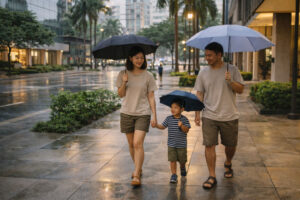 This full-day option keeps you mostly within a broader BGC cluster—popular for families because it’s modern, walkable in pockets, and easy to build indoor anchors around. It works well for family activities in Manila across ages, and it’s naturally flexible when weather changes.
Morning Block (Short, Engaging)
Start early with one “main” activity (1.5–2.5 hours): Pick one morning attraction or learning space that matches your kids’ ages. For younger kids, choose something visual and contained; for older kids and teens, choose something interactive or story-rich. Keep the morning block focused—one main stop is enough.
Midday Indoor Anchor (Aircon + Bathrooms + Lunch)
Lunch in an indoor anchor (60–90 minutes): Move to a mall or indoor complex for your midday reset. This is where you prioritize aircon, seating, bathrooms, and a flexible menu. If your child still naps, this is also where you decide: quick hotel return for a real rest, or a quieter indoor corner + stroller rest.
Afternoon Indoor Option (Choose One)
After lunch, choose one indoor plan based on energy:
- Option 1: Indoor play or structured activity (best for toddlers and kids 4–10): Keep it simple and let them burn energy safely indoors.
- Option 2: Museum-style learning or exhibit (best for kids 4–10 and teens): Aim for 60–90 minutes, then reset with a snack.
- Option 3: Café + browse + early shopping (best for teens or mixed ages): A calm “choose your own pace” block can be surprisingly restorative.
Early Evening: Simple Dinner (Then Stop)
Plan an early dinner close to where you already are. Choose based on seating, wait time, and how close it is to your pickup point. If the day has been hot or rainy, ending early is not “missing out”—it’s smart pacing for manila with kids.
Rain Plan: What to Swap In When It Rains Harder
When rain intensifies, the best move is fewer outdoor walks and fewer transfers. Here’s a calm swap strategy:
- Extend your indoor anchor: Turn lunch into a longer rest—add dessert, a quiet corner, or a second snack break.
- Choose the closest indoor option: Prioritize what’s nearest within the same building or a covered connection, even if it’s not the “perfect” activity.
- Reduce transfers: Instead of moving to a second district, stay in the same cluster and do more indoor time (museum/mall/play).
- Simplify dinner: Pick an easy, nearby meal to avoid long waits in wet entrances and slippery walkways.
If you want a ready-made indoor routing framework for wet days, use this rainy-day indoor routes guide as a template and plug in your nearest mall or museum anchor.
FAQ: Quick Answers Parents Usually Want
1) What’s the best area to base for manila with kids?
If low-stress is the priority, many families prefer areas with reliable indoor anchors and easy transport pickups. Choose a base that matches your itinerary cluster (museum area day vs. BGC day) so you don’t spend your best hours in traffic. If you are building a one-day plan, Manila Itinerary 24 Hours can be adapted by choosing fewer stops and extending indoor blocks.
2) Is Manila stroller-friendly?
Indoors, often yes (malls, many museum corridors). Outdoors, it varies—sidewalks can be uneven and crossings can be busy. If you rely on a stroller, plan more indoor time and shorter outdoor loops.
3) What’s the simplest rain plan?
Stay in one cluster, extend your indoor anchor (mall/museum), and cut outdoor walking. Avoid adding transfers. A calm rainy day is mostly about predictable bathrooms, warm food, and fewer transitions. For ready-made indoor routes, use Manila Rainy-Day Itinerary.
4) How do we handle naps if we can’t return to the hotel?
Use a midday indoor anchor for quiet time and aim for a short Grab transfer during the usual nap window if your child tends to sleep in the car. If your child needs a real bed nap, consider staying near your main cluster so a hotel reset is possible.
5) Does Grab guarantee a car seat?
No—car seats may not always be available or guaranteed. If you require one, plan to bring a travel seat or arrange a private transfer that can accommodate your needs.
6) How early should we start?
Earlier is usually easier. Morning is cooler, lines can be shorter, and you’ll have more flexibility to slow down later when the heat (or rain) intensifies.
7) What should we skip if kids are tired?
Skip cross-city transfers and long outdoor walks first. Replace them with an indoor anchor: bathroom break, snack, and a calm seated reset. If everyone is still tired after that, ending early is the right call.
8) Are museums “worth it” with kids?
Yes—if you keep it short and age-appropriate. A “one hall” approach for toddlers, a mission-style visit for kids (4–10), and a story-led visit for teens can make museums feel manageable and meaningful.
A Calm Closing Note
Manila doesn’t have to be a marathon. When you cluster by area, protect midday with aircon, and build in predictable resets, manila with kids becomes a series of small, comfortable wins—one museum hall, one café break, one easy ride, one early dinner. Plan for flexibility, accept that weather and energy levels will change, and give yourself permission to keep it simple. The calm version of the city is the one your family will remember.