
Getting from Manila to Malapascua is a classic Philippines “three-part transfer” trip: air (or sea) to Cebu, a long road ride north, then a short boat crossing. The route is doable for first-timers, but it rewards calm planning—especially if you want to arrive the same day without sprinting through terminals. Before anything else, it helps to skim Manila travel basics before you leave so your departure day feels less chaotic (traffic, terminal rules, and last-minute lines can quietly eat your buffer).
If you’re new to planning multi-leg trips in the Philippines, treat this as a “connections” journey, not a single commute. Your goal is to protect the last leg (the boat) by arriving at Maya Port early enough that weather, queues, and Coast Guard decisions won’t trap you overnight.
Manila to Malapascua at a Glance
Best option for most travelers: Fly Manila to Cebu, land transfer to Maya Port, then boat to Malapascua (Option A). It’s the best balance of cost, frequency, and flexibility.
Transfers: Usually 3 (Flight → Road ride → Boat). Add 1 more if you switch terminals or route via Cebu City.
Realistic door-to-door time: Often 8 to 14 hours depending on airport timing, traffic, and boat availability. Same-day arrival is possible with an early start and good buffers.
Budget band (typical ranges): From mid (DIY with bus/van) to high (private car/van). Exact totals vary by season and fuel costs—verify before you go.
Cash needs: Plan for cash at Cebu North Bus Terminal and Maya Port (tickets, port and environmental fees, small meals, tricycle fares). ATMs can be limited or offline, so carry a buffer.
Crowd and traffic risk: Higher on weekends, holidays, and peak beach months. Cebu road traffic and terminal queues can stretch the “4 to 5 hours” road ride into something longer.
Rain/heat backup: If seas turn rough or boats pause, your best reset is an overnight near Maya Port or in Cebu City, then an early crossing the next morning.
Reality Check: The hardest part of Manila to Malapascua isn’t the distance—it’s lining up your arrival at Maya Port with the day’s safe crossings. Plan around the boat, not the flight.
Before You Book: Set Your Buffers and Your “No-Regret” Rules
Before you lock anything in, decide two things: (1) your latest acceptable arrival at Maya Port (earlier is calmer), and (2) whether you’re okay with an overnight reset if the boat can’t cross. A little pre-planning prevents expensive last-minute choices. For a fuller checklist mindset, use this Philippines travel planning guide for first-timers as your reference for buffers, documents, and what to verify before departure.
Low-stress rule of thumb: Aim to be at Maya Port by mid-afternoon at the latest, especially in rainy or windy months. “Late afternoon” cutoffs can happen even on normal days if boats fill up, the sea turns choppy, or Coast Guard guidance changes.
Reality Check: Schedules and fees can change quickly. Build a plan that still works even if your first-choice bus, van, or boat time doesn’t.
Option A: Fly Manila to Cebu, Then Land Transfer to Maya Port, Then Boat to Malapascua
This is the standard Manila to Malapascua route: fly into Mactan-Cebu International Airport, get yourself to Cebu North Bus Terminal (or a van pickup), ride north toward Daanbantayan and Maya Port, then cross by boat.
Realistic Door-to-Door Time Range
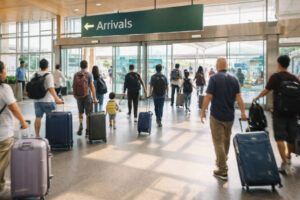 The direct flight time Manila to Cebu is commonly around 1 hour 40 minutes, but door-to-door is longer once you include check-in, security, possible delays, baggage claim, and ground transfers.
Typical planning range (door-to-door):
- Airport arrival + check-in + security: 2 to 3+ hours (more in peak travel periods)
- Flight + taxiing: 2 to 2.5 hours
- Arrival + baggage claim + exit: 30 to 75 minutes
- Airport to Cebu North Bus Terminal: 45 minutes to 2 hours depending on traffic and time of day
- Cebu City area to Maya Port by road: commonly described as 4 to 5 hours, but plan 4 to 7 hours to cover traffic, waiting for departure, and rest stops
- Maya Port to Malapascua crossing: often 30 to 60 minutes including boarding time
Overall: Many travelers land in the 8 to 14 hours door-to-door range for Manila to Malapascua, with the big swing factor being waiting time (for buses/vans and boats) and traffic.
Missed-connection risk: If your flight lands late afternoon, you’re most exposed to missing the last comfortable crossing window. If you land late, consider Option B (private transfer) or accept an overnight reset near Maya Port.
Reality Check: The road ride can feel longer than the map suggests. Pack patience, water, and a light snack so delays don’t turn into stress.
Cost Range and What Is Usually Cash-Only
Cost bands (typical): airfare varies widely; then add a paid transfer (taxi/Grab/van), land transport to Maya Port, and boat plus port/environmental fees. DIY (bus or shared van) is usually the lowest-cost path; private transfers are the premium calm option.
Often cash-only or cash-preferred: terminal snacks, small baggage handling, some bus/van tickets at the counter, tricycles near Maya Port, and port/environmental fees. Treat Cebu North Bus Terminal and Maya Port as “cash zones.”
Cash planning tip: Carry small bills (₱50/₱100/₱200) plus a buffer for unexpected overnight stays. If you’re splitting costs with friends, decide who holds the “transport cash” so nobody is hunting for an ATM at 5:30 PM.
Reality Check: Even when e-payments exist, signal can be weak or systems can be down. Cash keeps you moving.
Option B: Fly Manila to Cebu, Then Private Car or Van to Maya Port, Then Boat (Lowest Stress, Higher Cost)
If your priority is smooth transitions—especially with kids, heavy luggage, or a tight arrival window—Option B is the calmest version of Manila to Malapascua. You trade money for fewer “friction points”: fewer queues, less platform confusion, and less waiting in a crowded terminal.
Who This Is For (Families, Groups, Late Arrivals, Heavy Luggage)
Choose this if you’re arriving midday to late afternoon, traveling in a group (cost split helps), carrying dive gear or bulky bags, or simply want the most predictable timing. It’s also a strong pick if anyone in your group gets motion sick and needs a cleaner stop-and-go plan.
For family-specific pacing (snacks, bathroom timing, and calmer transfers), this guide is helpful: Manila to Malapascua with kids low-stress notes.
Reality Check: “Private” doesn’t cancel traffic. You’re paying for control and comfort, not magic. Still, it can be the difference between catching the last safe crossing and spending the night on the mainland.
Option C: Ferry Manila to Cebu, Then Onward to Maya Port, Then Boat (Slow but Avoids Airports)
If airports stress you out, Manila to Cebu by ferry can feel simpler emotionally—one long ride, then you continue north. But it’s usually an overnight or long-haul trip, and sea conditions can affect comfort and timing. Treat it as a “slow travel” choice, not a shortcut.
Realistic Total Time and Comfort Notes (Sleep, Seasickness, Schedule Variability)
Time expectation: Plan for an overnight or long ride to Cebu plus the same road-and-boat segments afterward. Door-to-door, this can land anywhere from 18 to 30+ hours depending on sailing time, port processes, and your transfer timing.
Comfort notes: Bring a light jacket (aircon can be cold), basic meds if you’re prone to seasickness, and snacks. If sleep quality matters (you have a dive trip the next day), consider whether an early flight plus a planned overnight in Cebu City might actually feel more rested.
Reality Check: This option is “low airport stress,” not automatically “low overall stress.” Long rides can be tiring in a different way.
Cebu Airport or Cebu City to Cebu North Bus Terminal With Minimal Stress
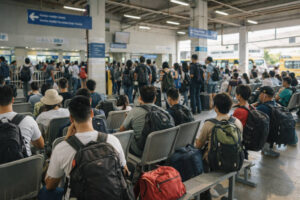 Your main goal here is to exit the airport smoothly and arrive at Cebu North Bus Terminal without extra guesswork. If you’re landing at Mactan-Cebu International Airport, plan a short pause for water, restroom, and SIM/data needs before you ride out.
Grab and Taxi Tips, What to Screenshot, and What to Check Before You Ride
Before you step into any vehicle: confirm the destination is Cebu North Bus Terminal (say it clearly), check the plate number matches what you booked (if using an app), and keep your small bags on your lap or between your feet.
Screenshot essentials: your terminal name, a pin for Cebu North Bus Terminal, and your hotel/backup address in Cebu City in case plans break. Also screenshot your booked ride details if using a ride-hailing app—signal can drop at awkward moments.
Safety note: If you want a calm refresher on scam-minimizing habits (especially in busy terminals), keep this bookmarked: Travel safety guide for the Philippines.
Reality Check: Cebu traffic can spike suddenly. If you’re trying to catch a specific departure north, add buffer time even if the map looks short.
Cebu North Bus Terminal to Maya Port: Bus vs Shared Van (What Actually Feels Easier)
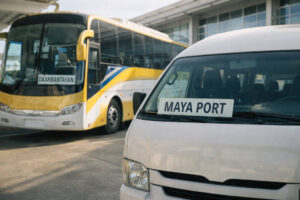 This leg decides your mood. Both bus and shared van can work for Manila to Malapascua—your best pick depends on what you value more: space, predictability, or speed.
If you want a clearer mental model of terminals, tickets, and on-the-ground etiquette, this primer helps: Philippines public transport basics.
How to Choose (Comfort, Speed, Predictability, Luggage Handling)
Aircon bus: Usually more space, more stable ride, easier to breathe if you get motion sick, and more forgiving for luggage. It may involve more waiting for scheduled departures, but it often feels calmer.
Shared van: Often faster “when it’s ready,” but it can be tighter inside, with less legroom and more frequent stops. Good if you’re traveling light and want fewer intermediate pickups.
Practical decision tip: If you have a hard “boat cutoff” in your head, choose the option that gives you the earliest realistic arrival at Maya Port—even if it costs a bit more—because missing the crossing is the most expensive delay.
Reality Check: Vans can feel fast, but you’re also trading comfort. If you arrive drained, the short boat ride can feel longer than it is.
Common Friction Points at the Terminal (Queues, Platform Confusion, Rest Stops, Food, Bathrooms)
Expect lines at ticket counters, platform changes, and “Which bay is this?” moments—especially on weekends. Give yourself time to buy tickets, find the right queue, and use the restroom before boarding.
What helps: take a clear photo of your ticket (route and seat number), screenshot the bus bay/platform if it’s posted, and keep small bills for snacks and restroom fees. Pack wipes or tissue—rest stops vary.
Reality Check: The terminal can feel loud and fast-paced. Don’t rush; confirm first, then move.
Maya Port to Malapascua: Tickets, Fees, Crossing Time, and Late-Afternoon Cutoffs
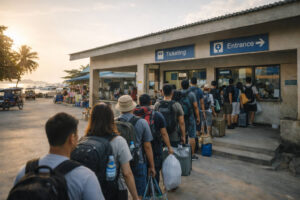 Maya Port is the final gatekeeper. Once you’re here, you’re close—but you still need to clear ticketing, pay fees, and board under whatever sea conditions exist that day. Malapascua is a small island off Northern Cebu; if you want background context while planning, see Malapascua.
What Can Stop the Crossing (Weather, Sea Conditions, Coast Guard Decisions)
Even if it’s sunny in Cebu City, conditions can be rougher up north. High winds, strong swell, or storm advisories can pause crossings. In typhoon season or during active systems, monitoring official updates helps—check the PAGASA severe weather bulletin and build a “can’t-cross” plan before you travel.
For month-by-month expectations (Amihan vs Habagat) and what that can mean for sea crossings, this is a useful reference: Philippines weather and best months to travel.
Reality Check: Nobody can promise a crossing. Safety decisions can override posted times, so protect your schedule with buffers.
What to Do if You Arrive Late or the Boat Is Canceled (Sleep Plan and Morning Reset)
If you arrive late: ask calmly what the last crossing window typically looks like that week, then decide quickly whether to wait, reroute, or sleep on the mainland. If boats are done for the day, don’t burn energy arguing with reality—shift into “sleep and reset” mode.
Where to sleep: The lowest-friction option is usually near Maya Port or in Daanbantayan so you can attempt an early crossing. If you prefer more comfortable hotels, Cebu City is easier—but it adds a long road ride the next day.
Morning reset plan: wake early, confirm crossings, buy your ticket as soon as counters open, and aim for a morning boat when seas are often calmer.
Reality Check: Overnight delays feel annoying, but they’re common enough that having a plan makes you feel instantly safer.
What to Screenshot and Save Offline (The “Proof Kit”)
Your “proof kit” is the small bundle that keeps Manila to Malapascua smooth when signal drops or someone at a counter asks for details.
Flights and Airport Transfers
Save offline: your e-ticket/booking reference, boarding pass (when available), baggage allowance rules, and a screenshot of your arrival terminal at Mactan-Cebu International Airport. Add a map pin for Cebu North Bus Terminal and your backup hotel address in Cebu City.
Bus or Van Details
Take photos of: your ticket, the bus bay/platform sign, and the bus/van plate number if you feel safer doing so. Save a note with key phrases: “Cebu North Bus Terminal,” “Maya Port,” and “Daanbantayan.”
Port and Boat Details
Keep a photo of posted fees and any cutoff guidance you see at Maya Port. If you’re traveling with dive gear or bulky bags, it also helps to have a quick inventory photo for peace of mind.
Reality Check: You’re not being “extra.” Offline proof is what turns a confusing moment into a two-minute fix.
Luggage and Waterproofing: What Causes the Most Stress and How to Prevent It
Most stress is preventable here: it’s usually about wet bags, awkward handling, and essentials buried too deep.
Flight Baggage Allowance Reminders and Carry-On Strategy
Verify your airline’s current baggage rules before you go (allowances can vary by fare type). Keep valuables and must-not-get-wet items in your carry-on: phone, power bank, meds, ID, cash, and one dry shirt. Put chargers in a clear pouch so you’re not digging at security.
Reality Check: If your checked bag is delayed, your carry-on is your “survival kit” for the first night—pack accordingly.
Boat Reality (Spray, Wet Floors, How to Protect Electronics)
Even on calm days, expect splash and damp floors. Use a dry bag or double-layer protection (zip pouch inside a backpack). Wear sandals you don’t mind getting wet, and keep a small towel or packable rain jacket near the top of your bag.
Reality Check: The crossing is short, but the wet risk is real. Waterproofing is cheaper than replacing a phone.
Backup Plans and Low-Stress Buffers (So One Delay Doesn’t Ruin the Trip)
The calmest Manila to Malapascua plans have two buffers: (1) an early start, and (2) a pre-decided overnight spot if the last leg breaks.
Best Departure Timing Strategy (Early Start, Avoid Last Crossing)
If arriving the same day matters, choose the earliest practical flight out of Manila and aim to be on the road north before midday. Treat “last crossing” as a bonus, not a target. You’ll feel the difference in your shoulders when you’re not racing the sunset.
Reality Check: Tight connections look efficient on paper, but they’re fragile in real life. Buffers are what make the trip feel adult and unhurried.
Where to Sleep if Things Break (Cebu City vs Maya Port)
If your flight is delayed: decide early whether you’re still pushing north or stopping in Cebu City for the night. Cebu City is more comfortable for many travelers, but sleeping near Maya Port makes the next day’s crossing simpler.
If you get stuck in Manila: keep a “still a good day” backup so you don’t spiral. This Low-stress Manila day plan can turn a canceled flight into a manageable reset.
Reality Check: An overnight reset is not failure—it’s how you protect the island part of your trip.
Quick FAQs
What Is the Simplest Route From Manila to Malapascua With the Least Transfers?
For most travelers, the simplest Manila to Malapascua route is Fly Manila to Cebu → ride to Maya Port → boat to Malapascua. It’s still three legs, but it’s the most common path with the most “workable” alternatives if something goes wrong.
How Long Does Manila to Malapascua Really Take Door-to-Door Including Waiting Time?
Plan around 8 to 14 hours door-to-door for the flight-based route, depending on airport buffers, traffic, and how long you wait for a bus/van and boat. If anything slips late afternoon, an overnight reset can make it a next-day arrival instead.
Is It Realistic to Arrive in Malapascua the Same Day if You Start From Manila in the Morning?
Yes—often realistic with an early morning flight and a plan to reach Maya Port by mid-afternoon. The key is not the flight time; it’s protecting time for the road ride and the final crossing window.
Where Exactly Do You Go in Cebu for the Bus or Van to Maya Port?
Most DIY travelers head to Cebu North Bus Terminal for routes that go toward Daanbantayan and Maya Port. Some shared vans also depart from organized pickup points—verify the exact pickup location and time before committing.
What Should You Screenshot or Save Offline for Flights, Terminals, and Onward Transfers?
Save your flight booking reference, baggage allowance notes, and a screenshot of your arrival terminal at Mactan-Cebu International Airport. Add offline map pins for Cebu North Bus Terminal, Maya Port, and your backup hotel (Cebu City or near Maya Port). Photograph bus bay/platform signs and any posted port fees.
How Much Cash Should You Prepare for Port Fees, Environmental Fees, and Small Purchases?
Bring enough cash to cover land transport, port and environmental fees, meals, and a surprise overnight. A practical approach is to carry “expected costs + one extra buffer” in small bills, because terminals and ports can be cash-first.
What Luggage Issues Happen Most Often on the Bus and the Boat, and How Do You Prevent Them?
Common issues are wet bags, luggage getting separated during loading, and essentials buried too deep. Prevent it with a dry bag or double-layer waterproofing, a simple label on your main bag, and a carry-on that holds all valuables and one change of clothes.
What Time Should You Aim to Arrive at Maya Port to Avoid Missing the Last Crossing?
Aim for mid-afternoon arrival when possible. “Last crossing” timing can change by season, demand, and sea conditions, so arriving earlier gives you options if boats are delayed, full, or paused.
What Should You Do if Your Flight Is Delayed and You Miss the Boat to Malapascua?
Switch immediately to your reset plan: sleep in Cebu City for comfort, or sleep near Maya Port for an early crossing. Message your accommodation on Malapascua about late arrival, and keep essentials in your carry-on so an overnight feels manageable.
When Do Weather and Rough Seas Usually Cause Boat Cancellations, and What Is the Backup Plan?
Rough seas are more likely during strong wind periods, storms, and active tropical systems. Your backup is simple: monitor advisories, arrive earlier, and keep an overnight option near Maya Port or in Cebu City. If you want seasonal context, refer back to Philippines weather and best months to travel and verify conditions locally before you commit to tight timing.
Is Taking a Ferry From Manila to Cebu a Good Idea for a Low-Stress Trip, or Just Slower?
It can be lower stress if airports overwhelm you, but it’s typically much slower and can be tiring. If you sleep poorly on long rides, a flight plus a planned overnight in Cebu City may feel calmer overall.
What Are the Common Friction Points at NAIA, Cebu North Bus Terminal, and Maya Port?
At NAIA: traffic and lines (arrive early). At Cebu North Bus Terminal: queues, platform changes, and waiting time. At Maya Port: cash-only fees, boarding order, and weather-driven pauses. The cure is the same everywhere: buffers, screenshots, small bills, and a pre-decided overnight reset.
Related Reading for Calm Trip Planning
If you like planning-first guides like this, save More calm travel tips and inspiration for your next route-building day.