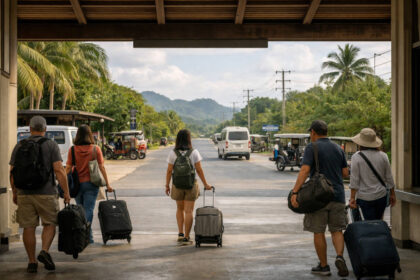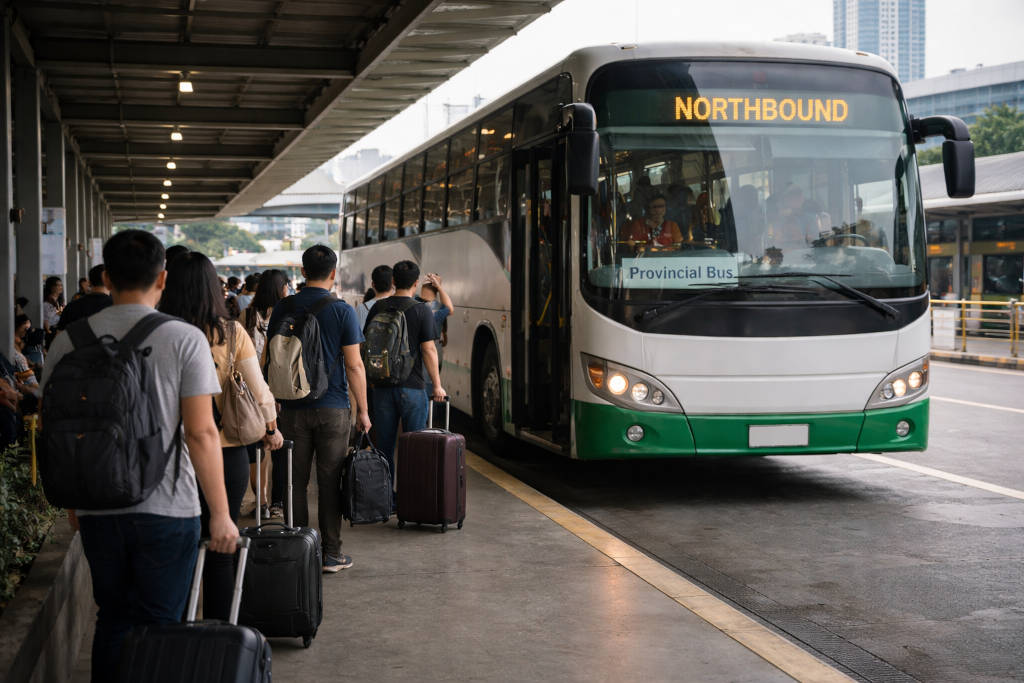
Most travelers going Manila to La Union have the same goal: arrive with enough energy left to enjoy the coast. The easiest way to get there is usually a direct provincial bus, with private car or hired van as the comfort-and-control upgrade. This guide focuses on plan-changing logistics—realistic door-to-door time (including waiting), cost ranges that don’t go stale, terminal friction, luggage rules, safety, and what to do when something goes wrong.
Reality check: the “best” Manila to La Union plan changes with day and time. Weekend traffic, peak season crowds, and last-minute booking pressure can make a short trip feel long, so the aim is a route with buffers and clear fallbacks.
At-a-Glance
Best time window: early morning departures for calmer terminal flow and less traffic; late-night buses can work but build safety and last-mile plans.
Typical travel time: bus trips are often 6–9 hours door-to-door depending on terminal access, traffic, and stopovers; private vehicles can be faster but still vulnerable to congestion.
Budget band: bus is usually the lowest-cost Manila to La Union option; private car or hired van costs more, driven by vehicle type, tolls, fuel, and whether it’s one-way or round-trip.
Crowd and traffic risk: highest on Friday afternoons, Sunday returns, and long weekends; lowest stress usually comes from traveling on weekdays or leaving early.
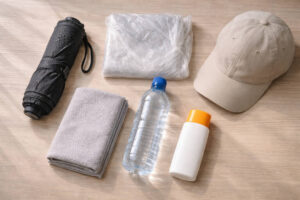 Rain/heat backup: bring water and a light layer for cold bus aircon; keep a compact umbrella or poncho for terminal waiting and sudden downpours.
Quick decision guide (fastest, cheapest, lowest stress; who each option is for)
Default for most travelers: Option 1 (direct bus) is the most practical Manila to La Union plan because it’s widely available and doesn’t require coordination once you’re on board. It’s best for solo travelers, groups on a budget, and anyone who prefers a straightforward booking process.
Comfort/control option: Option 2 (private car or hired van) is best for families, groups splitting costs, travelers carrying bulky luggage, and anyone who wants fewer transfer steps and more control over stops and timing. It can reduce stress when you value door-to-door convenience.
Reality check option: Option 3 (flight/ferry) is usually not practical for normal Manila to La Union trips. Plan around land transport first, and use “flight” listings with caution because an airport code appearing in search results does not guarantee reliable scheduled service.
Reality check: San Juan can take slightly longer than San Fernando depending on the bus route and where you’re dropped off. Always plan for a small last-mile ride after arriving in La Union.
Before you book (choose terminal, choose drop-off in La Union, buffers, weekends/holidays)
Start by choosing two things: your Manila terminal (based on where you’re coming from and traffic patterns) and your La Union drop-off (San Fernando City area vs San Juan area). These two choices shape the real door-to-door time more than people expect for Manila to La Union.
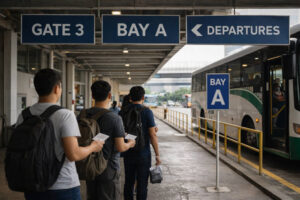 Build buffers before you pick a departure time. A calm baseline is: add time to reach the terminal, arrive early enough to find the correct queue and gate, and assume at least one stopover. If you want a simple system for buffers, documents, and timing decisions, use this Philippines travel planning guide for first trip as a checklist companion.
Weekends and holidays change everything. For Manila to La Union, Friday afternoons and Saturday mornings tend to fill quickly, and Sunday afternoons can be slow due to return traffic. If you’re traveling on a peak date, booking earlier and choosing an earlier departure often lowers stress more than upgrading bus class.
Reality check: terminal locations can be “near” on a map but slow in real life due to choke points. Pick the terminal that’s easiest to reach from your actual starting point, not the one that sounds most famous.
Option 1: Bus from Manila to La Union (step-by-step)
This is the main event for most Manila to La Union travelers. The core idea is simple: choose the terminal that’s easiest to reach, book a bus class that matches your comfort needs, and confirm the best La Union drop-off for your accommodation (San Fernando vs San Juan).
If you’re new to provincial bus travel—terminals, boarding cues, bus classes, and luggage handling—this overview helps set expectations: Philippines public transport guide (bus, jeepney, ferry).
Choosing your Manila terminal (Cubao vs Pasay vs Sampaloc)
Cubao: often convenient if you’re coming from Quezon City, northern Metro Manila, or areas connected via EDSA. It can be efficient, but it can also be crowded during peak hours. For Manila to La Union, Cubao can be a good choice when you can reach it without crossing multiple traffic bottlenecks.
Pasay: often practical for travelers coming from the south side of Metro Manila or near NAIA areas, especially if the terminal access is easier from your starting point. It can reduce your “getting to the terminal” stress if you’re already in the area.
Sampaloc (or Manila-area terminals): can be useful if you’re staying near the city center or university belt areas. The best terminal is the one that avoids an exhausting cross-city ride right before a long bus.
Low-stress rule: pick the terminal that gives you the most predictable travel time from your hotel or home. For Manila to La Union, shaving 20–30 minutes off terminal access often matters more than chasing a specific bus brand.
Reality check: some operators use multiple loading points or change bays; treat terminal info as “verify on travel day,” not “set and forget.”
Choosing your La Union drop-off (San Fernando vs San Juan; how to confirm)
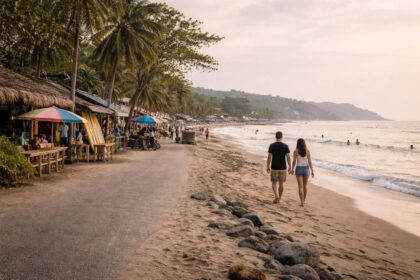
La Union trips usually mean one of two traveler needs: San Fernando City (transport hubs and central access) or San Juan (common beach and surf area). A bus labeled “La Union” might stop in San Fernando but not always in San Juan, or it may pass through with limited drop-off points.
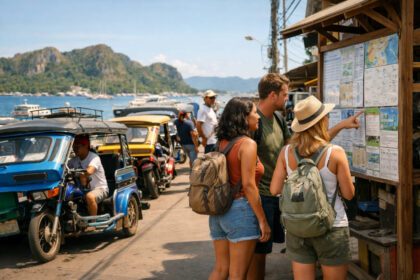
Before you book, confirm the drop-off plan in plain terms: ask whether the bus stops in San Fernando City and whether it can drop passengers in San Juan, and where the actual drop point is (highway stop, terminal, or a specific landmark). This matters because your Manila to La Union “arrival time” is not the end of the trip if you still need a tricycle ride to your accommodation.
Reality check: San Juan drop-offs can add time depending on detours, traffic in town, and where the driver is allowed to stop safely. Build a small last-mile buffer even if you expect a quick hop.
Realistic door-to-door time ranges (include terminal waiting + stopovers)
Typical door-to-door time for Manila to La Union by bus: 6 to 9 hours. This assumes 45–90 minutes to reach the terminal (varies widely), arriving 45–60 minutes early, boarding and settling time, at least one stopover, and normal traffic flow.
If it’s a bad day: 9 to 13 hours. This range becomes more likely on Friday afternoons, pre-holiday rush, heavy rain, accidents on expressways, or if you arrive late and need to rebook a later departure.
Stopover reality: stopovers are useful for restrooms and food, but they add time. Some trips have short stopovers; others have longer ones depending on route and passenger needs. For Manila to La Union, assume at least 15–30 minutes of “total stop time,” and more on crowded days.
San Juan note: if your route’s final drop is in San Juan or requires a detour toward beach areas, add extra time compared with a San Fernando drop-off—sometimes modest, sometimes meaningful depending on traffic and how many passengers are getting off along the way.
Reality check: the biggest time swing is usually before you even board—getting to the terminal and navigating queues. A calm plan starts with an early terminal arrival.
Cost range by bus class and timing (why prices change)
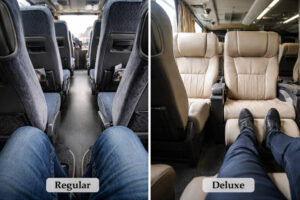 For Manila to La Union, bus fares vary by operator, departure point, and class. A useful way to budget is by bands: regular aircon is usually the lowest cost; deluxe, super deluxe, or “luxury” classes cost more for better seats, fewer passengers per row, and sometimes onboard comfort upgrades.
Total trip cost is more than the ticket. Add a buffer for terminal-to-terminal rides in Manila, food and water, and last-mile transport in La Union (often a tricycle or short local ride). San Juan last-mile costs can be higher than a San Fernando stop depending on distance and time of day.
What changes prices: peak weekends and holidays, last-minute booking, the specific terminal you depart from, and seat availability in higher classes. Decision rule: if you’re traveling at a busy time, upgrading bus class may feel “worth it” mainly because it reduces physical discomfort during a long ride, not because it guarantees a faster arrival for Manila to La Union.
Reality check: “cheap ticket” can become stressful if it forces you into the most crowded departure window. Sometimes the best value is a slightly earlier departure with less terminal congestion.
Ticket buying + what to save (screenshot checklist in sentences)
Safest sources first: use official operator websites, official apps, or official terminal ticketing booths. Be cautious with social media pages and unofficial resellers—fake pages exist, and “too good to be true” promos can turn into lost money and a missed Manila to La Union departure.
An official operator example for online booking and bus class expectations is https://partasbus.com/. Reality check: schedules, terminals, and fares change, so always verify details on the operator’s official channel on your travel date.
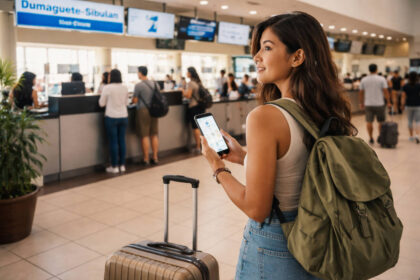
Save these on your phone for Manila to La Union: the booking reference, QR code or e-ticket, passenger name as it appears on the booking, departure date and time, the exact terminal address, seat number if assigned, a screenshot of baggage rules, the operator contact number or help channel, and proof of payment (receipt screenshot or email).
Also save a screenshot of your plan for getting to the terminal (ride-hailing pickup pin or landmark) because terminal areas can be chaotic when you’re rushing.
Luggage rules and surfboard/oversized baggage notes
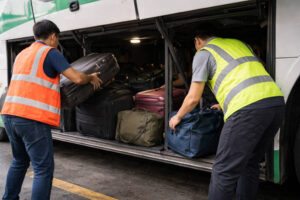 Typical bus luggage reality in the Philippines: large bags usually go under the bus in the baggage compartment. Keep valuables—wallet, phone, IDs, chargers, medicines—in a small daypack that stays with you in the cabin. For Manila to La Union, this is the simplest way to avoid stress during stopovers and arrivals.
If you have bulky items, arrive earlier than usual so staff can load them safely and you’re not negotiating space at the last minute. Fragile boxes should be clearly labeled and packed to handle shifting.
Surf traveler note: surfboards and oversized gear can trigger special handling rules or extra fees, and in some cases may be refused if space is limited. For Manila to La Union, message or call the operator before travel to confirm whether surfboards are accepted, how they must be packed, and whether you need to arrive earlier. If you can’t confirm, plan a backup (different departure time, different bus class, or a private vehicle option).
Reality check: the easiest surf trip is the one where your board is accepted without debate. Confirming ahead and arriving early prevents the worst-case scenario: a last-minute refusal at the terminal.
Option 2: Private car or hired van (when it lowers stress, cost drivers, safety reminders)
A private car or hired van can be the least stressful Manila to La Union option when you value door-to-door control: fewer queues, fewer unknowns about drop-offs, and flexible stopovers. It’s especially useful for families with kids, groups splitting the total cost, travelers with seniors, and anyone carrying bulky luggage.
Typical door-to-door time: 5 to 8 hours, assuming a straightforward pick-up, normal expressway flow, and one or two short stops. If it’s a bad day: 8 to 12 hours, especially on peak weekends, heavy rain days, or when Manila exits are clogged.
Cost range drivers: vehicle type (sedan vs SUV vs van), one-way vs round-trip, tolls, fuel, driver fees, and whether you request a very early or very late schedule. For Manila to La Union, tolls and fuel are significant contributors, and rates rise during peak dates.
When it’s worth paying: choose private transport when it saves meaningful hassle—door-to-door pick-up, fewer transfers, easier handling for surfboards or multiple bags, or when you need to arrive at a specific time without relying on bus slot availability.
When it’s not: if your group is small and your schedule is flexible, a direct bus is usually simpler and far cheaper for Manila to La Union, with fewer “payment and coordination” points.
Safety reminders: use reputable providers, confirm the plate number and driver details before pickup, and avoid sharing sensitive personal data. Keep valuables on your person, not loose on seats, especially during stopovers.
Reality check: private vehicles feel controlled, but they cannot “beat” extreme traffic. The stress reduction comes from comfort and fewer steps, not guaranteed speed.
Flight/Ferry Reality Check
For most travelers, “flight to La Union” is not a practical Manila to La Union plan. There are typically no reliable scheduled commercial flights serving San Fernando (Poro Point) Airport, and flight aggregator listings can be misleading—an airport code existing in databases does not mean you can book a normal passenger flight there. As a neutral reference point, see: https://en.wikipedia.org/wiki/San_Fernando_Airport_(Philippines).
Ferry travel is also not a low-stress solution for this route. Manila to La Union is fundamentally a northbound land corridor, and adding sea legs typically makes the trip more indirect and less predictable.
Terminal friction and low-stress tips (queues, cutoffs, comfort, food/water, phone charge)
Terminal friction is often what makes Manila to La Union feel tiring. The fix is simple: arrive early, reduce uncertainty, and keep essentials accessible.
Arrive early enough to do three things without rushing: find the correct gate or queue, confirm the bus route and drop-off points, and settle luggage. If you’re carrying bulky items or traveling in a group, add extra time.
Ask staff (or the conductor) to confirm whether the bus will pass through San Fernando and whether it can drop in San Juan, then ask what the best drop-off is for your accommodation area. This prevents the common rest-day killer: arriving “in La Union” but being far from where you need to be.
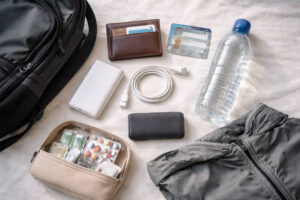 Comfort basics: keep water and a light snack, charge your phone before entering the terminal, and bring a light jacket because bus aircon can be cold. Keep small cash for last-mile rides and terminal purchases.
Reality check: boarding can shift quickly. If you’re not sure where to line up, ask early—standing in the wrong queue is one of the easiest ways to lose buffer time.
Backup plan for delays, full buses, missed trips, late arrivals
If you’re running late: stop “rushing mode” once it becomes unsafe or unrealistic. For Manila to La Union, missing a trip by minutes often leads to stressful decisions. A calmer rule is: if you won’t arrive at the terminal with enough time to find the gate and board properly, plan to rebook the next departure and travel safely.
If buses are full: first ask your current operator about the next available trip and whether your ticket can be moved. If not, switch operators or switch terminals—but confirm two things before moving: whether there are seats on the next departure and whether that bus serves your preferred drop-off (San Fernando or San Juan). This keeps Manila to La Union from turning into a long, pointless terminal-to-terminal chase.
If traffic is extreme: accept that arrival time will slide and shift your expectations. Use the waiting time productively: charge your phone, refill water, use restrooms, and keep small cash accessible for stopovers and last-mile rides. After the trip, adjust next time by adding more buffer and avoiding peak departure windows for Manila to La Union.
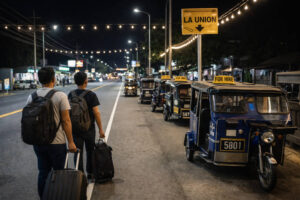 If you arrive late-night: prioritize a safe last-mile approach. If possible, pre-arrange pickup with your accommodation, or at least confirm a well-lit, obvious drop-off point and the typical tricycle approach in the area. Keep valuables secured and avoid wandering while tired. For general reminders on situational awareness, this travel safety in the Philippines guide is a good reference.
Reality check: late-night arrival stress often comes from not having a clear last-mile plan. A simple message to your accommodation ahead of time can save the most energy.
FAQs
How long is Manila to La Union by bus?
A realistic door-to-door range is often 6 to 9 hours, but it can stretch to 9 to 13 hours on bad-traffic days, peak weekends, or heavy rain days. The exact time depends on terminal access, stopovers, and whether you’re dropping in San Fernando or continuing toward San Juan.
Is it better to go Manila to San Fernando La Union or manila to San Juan La Union?
It depends on where your accommodation is. San Fernando can be a simpler drop-off for transport hubs; San Juan is closer to many beach stays but may add time depending on route and allowed drop points. Always confirm the bus can drop where you need to be.
Do buses require printed tickets?
Policies vary. For Manila to La Union, many operators accept QR or e-tickets, but it’s safer to keep screenshots and the booking reference accessible offline in case signal is weak.
What bus class should travelers choose?
Regular is fine for budget-focused travel. Deluxe or higher classes can feel worth it when you want more legroom, fewer seatmates per row, and a calmer ride. It may not be faster, but it can be more comfortable for Manila to La Union.
Is private car worth it?
It’s often worth it for groups splitting costs, travelers with tight schedules, families, or anyone with bulky bags or surfboards. If your schedule is flexible and you’re watching costs, the direct bus is usually the most practical Manila to La Union choice.
Next reads: for more calm planning guides like this, browse more Tips & Inspiration on Bakasyon.ph.