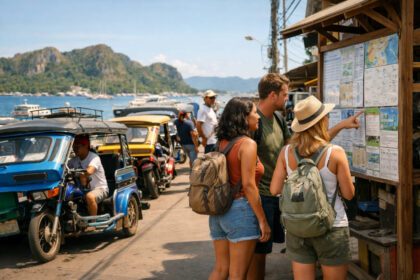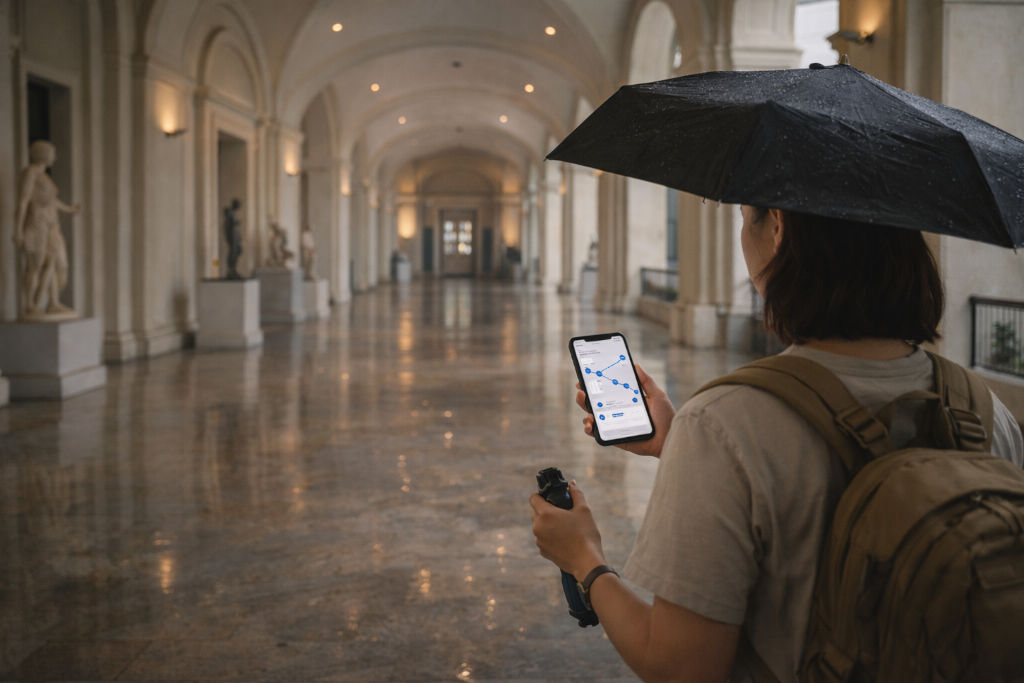
A rainy day in Manila doesn’t have to mean “stay stuck.” The mindset for a manila rainy-day itinerary is simple: stay in one area, choose indoor anchors (museum, mall, cafe), and treat outdoor walking as quick breaks—not long promenades. Because rain can slow traffic and make floors slippery, it also helps to build buffers for Grab delays, slower travel, and the extra time it takes to move carefully.
If you are also building a one-day plan, you can pair this with Manila Itinerary 24 Hours: A Low-Stress One-Day Plan (First-Timers) and use the rainy-day routes below as the “weather-safe” version of that schedule.
Before You Go (Rainy-Day Essentials)
Keep your rain kit practical and minimal—enough to stay comfortable, not so much that you’re carrying a heavy bag.
- Compact umbrella or light rain jacket
- Small towel or tissue
- Waterproof pouch for your phone
- Power bank (rain can mean longer waits and more phone use)
- Light jacket for strong aircon indoors
- Easy-dry shoes with non-slippery soles (avoid slick flats)
- Small cash for quick purchases
- Basic meds if you need them (motion sickness, allergy, headache)
Practical note: If you do not take medications, skip the “basic meds” item and focus on comfort basics that still matter on wet days: water, food, traction, and a dry phone.
Rain and flooding note: Manila rain can be sudden and heavy. Avoid low-lying detours, don’t force long outdoor walks, and expect slower traffic—especially after downpours. A good rainy season itinerary Manila style is less about “seeing everything” and more about staying comfortable and safe.
Transport Choices in the Rain (Clear Rules)
When you’re planning things to do in Manila when it rains, transport decisions matter as much as the stops.
- Grab as default: simplest point-to-point moves with minimal outdoor exposure. In heavy rain, expect longer waits and higher fares—build buffers and keep your route compact.
- Rail as an alternative: helpful if you’re comfortable with stations, crowds, stairs, and the short walk from station exits. Keep it simple—avoid overcomplicated transfers on wet days.
- Calm rule: If you can’t explain the route in one sentence, choose Grab and stay in one area.
If you want a broader “getting around” explainer that covers walkable pockets, Grab, rail, and the tourist rules in one place, see Manila Without a Car: How to Get Around Safely and Easily.
ROUTE 1: National Museum + Rizal Park Quick Breaks + Ermita/Malate Indoor Meals
Goal: Museum-first, minimal outdoor exposure, easy resets. This is the most classic manila indoor itinerary because the main anchor is indoors and the outdoor pieces are optional.
Start Options (choose one)
- Early start (avoid queues): arrive around 9:00–9:30 AM
- Late morning start (slower pace): arrive around 10:30–11:30 AM
Block 1: Museum Anchor (2–3.5 hours, including buffer)
What to do: Choose one main National Museum building first (best for first-timers). Add a second building only if energy and time allow—rainy days feel calmer when you go deeper, not wider.
- Estimated time: 90–150 minutes inside your first building
- Buffer: 20–40 minutes for entry procedures, security checks, and a slow, comfortable pace
Queue strategy: If lines feel heavy, commit to “one building well,” then move on to a long lunch or cafe reset instead of trying to squeeze everything. For official hours and advisories, check the National Museum website before you head out.
Block 2: Rizal Park Quick Break (15–30 minutes, optional)
When to do it: Only if rain is light and you want a short outdoor breath between indoor blocks.
- Estimated time: 10–20 minutes of walking + a few minutes to sit
- Buffer: 5–10 minutes to move carefully on wet paths
Keep it brief: Treat this as a “quick break,” not a full park promenade. If the ground is slick or rain intensifies, skip it and stay indoors.
Block 3: Ermita/Malate Indoor Meal + Reset (1.5–2.5 hours)
Where to eat (criteria, not promises): Choose places with aircon, comfortable seating, quick service, and easy Grab pickup. On wet days, you want a restaurant that lets you wait inside if there’s a line.
- Estimated time: 60–90 minutes for a relaxed meal
- Buffer: 20–40 minutes for waiting, ordering, and drying off
Save appetite or not: If you’re doing this route as a museum-focused day, eating near Ermita/Malate keeps things simple. If you want a food crawl later, keep lunch lighter and prioritize comfort.
Transport Notes (Route 1)
Default: Use Grab between your hotel and the museum area, and between the museum area and Ermita/Malate meals. Rail: optional for confident commuters only—rainy days are not the best time to experiment with unfamiliar station routes. If you want the “tourist rules” for transport in one place, Manila Without a Car covers the simplest decision framework.
Rain Intensity Swap
- If drizzle: a short Rizal Park quick break is fine.
- If heavy rain: skip the park, extend museum time, and add a cafe reset or longer indoor meal.
If It Rains Harder Than Expected (Route 1 Fallback)
Shrink outdoor connectors to near-zero: stay inside the museum longer, choose an indoor meal close by, and keep transfers to a single point-to-point ride. The win is a calm day, not a “perfect” route.
ROUTE 2: Makati Indoor Day (Malls + Cafes + Sheltered Walks)
 Goal: Comfort-first. Makati works well for a rainy season itinerary Manila travelers can follow because you can structure the day around indoor anchors and deliberate aircon breaks.
Block 1: Indoor Morning Anchor (2–3 hours)
Choose your anchor: a museum-style indoor stop (if it fits your interests) or a mall zone you can treat as a base for bathrooms, water, and a calm start.
- Estimated time: 90–150 minutes
- Buffer: 20–30 minutes for entry, getting oriented, and moving slowly on wet floors
Block 2: Midday Cafe/Rest Reset (1–2 hours)
How to choose: pick based on crowd level, seating comfort, and how close it is to your next stop. In the rain, “close and calm” beats “famous and far.”
- Estimated time: 45–75 minutes
- Buffer: 15–30 minutes if lines spike
Block 3: Afternoon Indoor Browsing (2–3 hours)
Plan: Keep your afternoon inside a compact core—mall browsing, another indoor stop, or a second cafe if you want to slow down. Consider “sheltered walks” only as optional connectors; some links still require short outdoor crossings.
- Estimated time: 90–150 minutes
- Buffer: 20–40 minutes for waiting out heavier rain bands
Block 4: Early Dinner (1.5–2.5 hours)
Where to eat by area guidance: Choose restaurants in clusters where it’s easy to wait indoors. If one place looks packed, move to the next option nearby—rainy days are not the time to pin your happiness to one queue.
Transport Notes (Route 2)
Default: Walk within a compact Makati core when rain is light. Use Grab for any hop that would require multiple wet crossings. Rail: secondary option only—remember station stairs, security checks, and peak crowding.
If It Rains Harder Than Expected (Route 2 Fallback)
Stay indoors longer: extend your mall/cafe anchors, shorten walking connectors, and choose dinner within the same building cluster. If Grab is slow, wait it out indoors rather than standing curbside in the rain.
ROUTE 3: BGC Indoor/Covered Day (Malls + Cafes + Kid-Friendly Indoor Options)
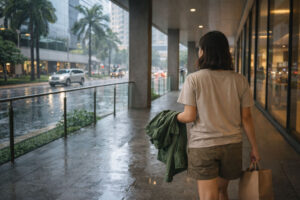 Goal: Low-stress, family-friendly backups with easy indoor time blocks. BGC is walkable once inside, but rain can still make crossings unpleasant—so this route keeps “minimal outdoor walking” as the priority.
Block 1: Indoor Learning Stop Option (1.5–3 hours)
Plan: Start with an indoor museum/learning stop option (especially good for families), then keep the rest of the day flexible around nearby indoor anchors.
- Estimated time: 90–150 minutes
- Buffer: 20–40 minutes for entry, crowds, and snack/bathroom breaks
Block 2: Mall/Cafe Reset (1–2 hours)
Plan: Choose a cafe or food hall style area where you can sit, dry off, and decide the next move without standing outside.
Block 3: Indoor Play or Extra Indoor Time (1.5–3 hours)
Plan: If traveling with children, include an indoor play option or a second indoor anchor. If you’re not traveling with kids, this can be shopping, a second cafe, or a relaxed indoor browsing block.
Block 4: Early Dinner (1.5–2.5 hours)
Where to eat guidance: Choose based on seating, indoor waiting comfort, and proximity to your next step (hotel pickup point). Queues can spike on weekends and during downpours, so “what looks manageable” is the best filter.
Families: How to Pace This Route
- Plan bathroom breaks on purpose: treat malls as your reliable reset points.
- Stroller reality in rain: even in BGC, wet crossings and puddles can be annoying—shorten outdoor connectors and use Grab for longer hops.
- Why indoor blocks help: kids (and adults) stay happier when the day has warm, dry stretches and predictable seating.
If you are planning specifically Manila with kids, you can use this BGC route as an indoor-first template and borrow the pacing tips (nap windows, heat management, stroller realism) from that family guide.
Transport Notes (Route 3)
Default: Once inside BGC, short covered walks can work if rain is light. Use Grab for longer hops, when with kids/strollers, or when rain makes crossings uncomfortable. Keep the route compact to reduce pickup stress.
If It Rains Harder Than Expected (Route 3 Fallback)
Extend your indoor anchor, add a cafe reset, and simplify the day into two buildings maximum. If you planned an outdoor stroll, swap it for an extra indoor hour—rainy days are about comfort.
Typhoon Week Safety (Common-Sense, Calm)
Some weeks in the rainy season bring stronger systems. The safest plan is the one that respects local advisories.
When to stay in
- If PAGASA warnings and local advisories indicate dangerous conditions
- If flooding is reported near your route or hotel area
- If your plan requires long road crossings or low-lying detours
When to postpone
- If your plan depends on crossing the city during peak rain bands
- If Grab availability is poor and you’d be forced into long outdoor waits
When it’s okay to proceed (with caution)
- Light to moderate rain without active severe warnings
- Staying in one area with indoor anchors and easy exits
- Keeping transfers simple and short
Precautions
- Monitor official updates via PAGASA severe weather bulletins
- Avoid waterfront promenades and flood-prone underpasses
- Allow extra travel time and keep hotel details handy
- Don’t hesitate to cancel plans if conditions worsen
Budget Ranges for a Rainy Day (PHP, Rough and Honest)
Rain changes the math: heavy rain can increase Grab costs and wait times, so buffers matter. These ranges combine transport + food and assume you’re keeping the day compact.
- Budget (PHP 1,200–2,400): more walking/rail, simple meals, minimal paid add-ons, limited Grab hops.
- Mid (PHP 2,800–5,200): mix of Grab rides and indoor meals, one paid indoor stop if you choose, more cafe rests.
- Comfort (PHP 5,500–9,500): mostly Grab, more indoor breaks, fewer wet crossings, optional paid indoor experiences.
Swaps and Alternatives (Keep It Compact)
If you want to swap stops based on interests and rain level, use the Manila pillar as your menu: 33 best things to do in Manila. On rainy days, avoid cross-city detours—choose swaps that stay in the same area, keep outdoor walking minimal, and protect your indoor anchors.
If you also want a timed, low-stress structure to hang these swaps on, Manila Itinerary 24 Hours gives you a simple schedule pattern you can run in “indoor-first mode” when weather is bad.
Manila rainy-day itinerary FAQ
What should I pack for a rainy day in Manila?
Compact umbrella or rain jacket, a small towel/tissue, waterproof pouch for your phone, power bank, light jacket for aircon, easy-dry shoes with grip, and small cash.
Grab vs rail in the rain—what’s easier?
Grab is usually easiest for point-to-point moves, but waits and fares can rise in heavy rain. Rail can help avoid road traffic if you’re comfortable with stations, stairs, and crowds and the route is simple.
Which route is the easiest for first-timers?
Route 1 (National Museum + Ermita/Malate) is the most straightforward because it’s built around a major indoor anchor and short, optional outdoor breaks.
What are the best things to do in Manila when it rains with kids?
Route 3 (BGC) is a strong option because indoor blocks and kid-friendly learning/play stops keep the day predictable. Plan bathroom breaks and minimize wet crossings. For parent-focused pacing and backups, Manila With Kids: Easy Family Activities and Low-Stress Itineraries expands this approach.
What should I do during typhoon week?
Prioritize safety. If official advisories warn of severe conditions or flooding is reported near your route, stay in or postpone. Keep plans indoors and local, and monitor updates.
How do I keep walking minimal?
Stay in one area, choose indoor anchors (museum, mall, cafe), use Grab for connectors, and treat outdoor time as quick breaks only when rain is light.
How do I handle queues on rainy days?
Expect lines to spike on weekends and during downpours. Choose “one anchor well,” build buffers, and pick meals and cafes where you can wait indoors comfortably.