Manila can feel like a lot: heat that clings to your skin, sudden rain that comes in sheets, security checks at every door, and traffic that turns “quick” into “why are we still here?” This Manila bakasyon guide is built for comfort-first travelers.
You’ll get a calm 2-day plan that treats aircon as a strategy, adds real buffers for lines and delays, and keeps you moving in compact, walkable pockets connected by short Grab rides (no car, no cross-city commuting all day).
If you only have a short window, you might also like this reset-friendly read: Manila itinerary for 24 hours (low-stress).
For this two-day version, we’ll slow it down on purpose so your “bakasyon” actually feels like a break. (Editor note: link the “bakasyon meaning” pillar here when the URL is ready.)
What “Bakasyon” Means Here: A Calmer Manila Bakasyon Guide Mindset
In this guide, “bakasyon” isn’t a checklist. It’s the feeling of being taken care of: choosing routes that don’t punish you, building in merienda moments, and ending the day before your feet (and patience) revolt.
That comfort-first mindset is the whole point of a Manila bakasyon guide. Manila is more enjoyable when you stop trying to win it in one go.
Calm pacing rules (read these before you book anything)
Rule 1: Choose 1–2 pockets per day. A pocket is a walkable area where you can spend hours without needing a long ride (Intramuros, Binondo/Escolta, Ermita museum zone, Makati or BGC).
Rule 2: Add buffer time like it’s a real activity. Manila eats time through traffic, bag checks, museum entry queues, food lines, and long hot walks.
Rule 3: Heat breaks are part of the itinerary. Your day needs aircon anchors, museums and/or malls as reset stops, so you don’t burn out by lunchtime.
Rule 4: Bathroom strategy is non-negotiable. Plan your comfort around reliable restrooms: museums, hotel lobbies, and malls. When you see one, use it, especially before long walks.
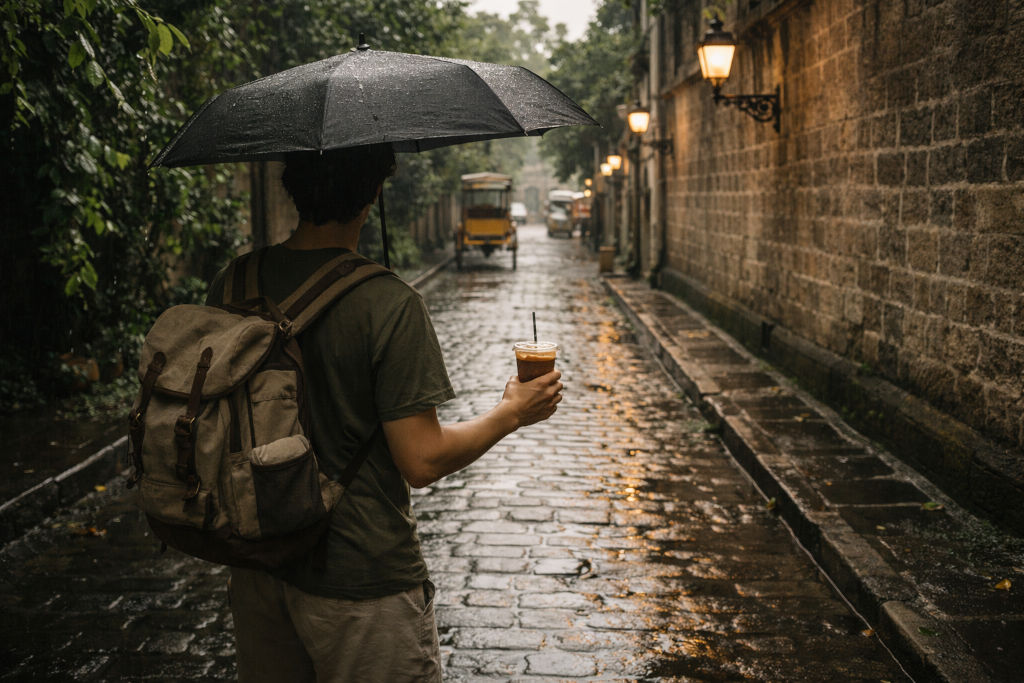
Rule 5: If it’s raining hard, switch to the indoor route immediately. Don’t wait to “see if it stops.” In Manila, that often means you lose 60–90 minutes to wet detours and slow traffic.
Reality check: This isn’t about doing less for the sake of it. It’s about doing the same highlights with less friction, fewer soaked shoes, and more energy for the parts that feel special.
Before You Go: Where to Stay for Low-Stress, Plus the No-Car Plan
Best base areas (practical, not aspirational)
 Ermita / Malate: The most convenient base for this plan. You’re close to the National Museums and Roxas Boulevard, with short Grab hops to Intramuros and Binondo. It’s also easier to “go home early” if you get tired.
Makati (Ayala area): Clean, walkable, lots of aircon options. Great if you want a comfort-forward stay, but you’ll need longer Grab rides to the historic pockets (so keep starts early).
BGC: Very comfortable sidewalks and modern conveniences. Best if you’re traveling with kids or prioritizing stroller-friendliness, but it’s the farthest from the classic Manila pockets.
For this Manila bakasyon guide route, Ermita/Malate is the easiest “no-car” home base because it reduces ride length and makes rainy-day swaps painless.
Your no-car strategy: Grab + walkable pockets
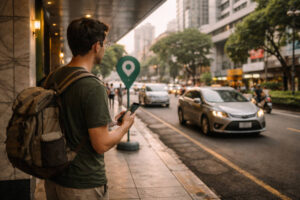
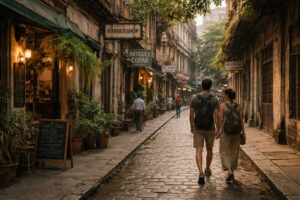 Think of Grab rides as short connectors, not your whole day. The plan below keeps rides quick and predictable by staying within compact zones.
If you want a deeper safety-and-routing primer, read getting around Manila without a car.
Safety basics that reduce stress: Keep your phone secured (especially curbside), avoid flashing cash, confirm the drop-off pin before you get in, and give yourself permission to enter the nearest mall or hotel lobby if you feel overwhelmed.
In Manila, “ducking into aircon” is a smart travel move, not a defeat.
Reality check: Even short distances can take time during peak hours. That’s why the itinerary includes explicit buffer blocks, use them.
Manila bakasyon guide rain-proof Manila plan on a covered indoor route
Day 1 Plan: Intramuros + Ermita Museum Zone (Calm Classics, Minimal Transfers)
Day 1 AM: Intramuros pocket (heritage walks with an aircon reset)
8:00–8:30 AM, Short Grab to Intramuros (start early). Morning is kinder: fewer crowds, softer light, and less heat bouncing off stone walls.
8:30–10:30 AM, Slow walk: Intramuros lanes + one main site. Keep it simple: choose one big stop (Fort Santiago or San Agustin area) and spend time noticing the details: shaded courtyards, quiet corners, the sound of footsteps on cobblestones.
10:30–11:15 AM, Buffer block (non-negotiable). This is where Manila commonly eats time: ticket lines, security checks, sudden heat breaks, and “we need water now.” Use this block to sit, hydrate, and reset.
Aircon anchor #1 (late morning): a museum-style reset inside the same pocket
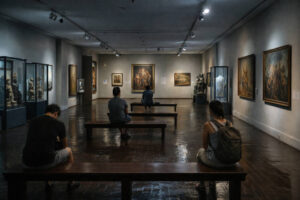 11:15 AM–12:30 PM, Indoor reset. Choose an indoor heritage stop that keeps you in the same area and gives you real aircon (or at least a cooler indoor pace). The point is to lower your body temperature and your stimulation level before lunch.
Reality check: Intramuros is charming, but it can be deceptively tiring: uneven ground, heat, and walking time. The aircon anchor keeps Day 1 from turning into a sweaty marathon.
Day 1 PM: Ermita museum zone (cool, curated, and bathroom-friendly)
12:30–1:15 PM, Short Grab to Ermita, lunch near your museum stop. Aim for comfort food and cold drinks. Avoid “one more far place” thinking, your future self will be grateful.
1:15–4:00 PM, Aircon anchor #2: National Museum block. Museums are the perfect Manila comfort hack: consistent aircon, seating, clean bathrooms, and an unrushed pace. You can move slowly, take breaks, and still feel like you “did” something meaningful.
4:00–4:45 PM, Buffer block (lines, exits, traffic). Museum exits can bottleneck, and late-afternoon traffic begins to thicken. Use this as a snack break or a quiet sit before deciding on sunset.
Day 1 evening: gentle wind-down (optional sunset, early dinner)
4:45–5:30 PM, Optional: Roxas Boulevard seaside stroll if the weather is kind. Keep it short. This is not a “walk until you collapse” moment, just enough breeze to feel your shoulders drop.
6:00–7:30 PM, Early dinner near your base. Choose a place you can reach quickly with minimal waiting. After dinner, go home. A calm night is part of the Day 2 success plan.
This Day 1 route is the heart of a comfort-first Manila bakasyon guide: one historic pocket, one museum pocket, and a soft landing at night.
Day 1 Rainy-Day Swaps: Indoor Routes That Don’t Blow Up Travel Time
If you wake up to steady rain (or the sky turns charcoal at 10 AM), switch early. Don’t gamble on “maybe later.”
For more indoor ideas, this is a solid companion: Manila rainy-day itinerary with indoor routes.
Swap for the Intramuros walk (heavy rain version)
Keep the same pocket, go indoors sooner: shorten the outdoor lane-walking to 20–30 minutes (umbrella out, photos quick), then move directly to indoor heritage spaces and sheltered stops within Intramuros.
You’ll spend more time seated, less time dodging puddles, and you won’t need a long Grab ride.
Timing change: Expect to save energy but spend slightly more time waiting for rides at curbside.
Cost change: You may take one extra short Grab hop within the area to avoid wet walking. Worth it for comfort.
Swap for the Roxas Boulevard sunset (stormy afternoon version)
Indoor alternative in the same zone: Extend your museum time, add a café stop nearby, or choose a mall as an aircon “emergency base” where you can have merienda and wait out the rain safely.
Timing change: You’ll likely arrive home earlier, which is a win if you want Day 2 to feel fresh.
Cost change: Slightly higher café/mall spending, but less stress and fewer wet-soaked purchases (like emergency slippers).
Reality check: Manila rain can flood sidewalks fast. The calm choice is to go indoor-first, then try a short outdoor peek only if it truly lightens.
Day 2 Plan: Binondo + Escolta (Plus an Optional Comfort Pocket)
Day 2 AM: Binondo/Escolta pocket (slow food-and-streets, not a sprint)
8:00–8:30 AM, Short Grab to Binondo. Start early to beat queues and get cooler walking weather.
8:30–10:45 AM, Walkable loop: Binondo lanes + Escolta edge. The trick is to treat this like a tasting walk, not a food marathon. Pick two snack stops max, then spend the rest of the time strolling and people-watching.
Watch shop shutters opening, delivery carts rolling by, and the city warming up.
10:45–11:30 AM, Buffer block (queues + street-crossing time). Food lines are real here, and walking slows down when sidewalks narrow. Use this block to sit, hydrate, and find a restroom before lunch.
Aircon anchor #3 (late morning): mall or café reset without leaving the pocket
11:30 AM–12:30 PM, Indoor reset. Choose a nearby aircon anchor (mall, café, or indoor spot) so your body cools down before you decide on lunch.
This is also your “bathroom strategy” moment: use the facilities, refill water, regroup.
Reality check: Binondo is exciting, but it can be tight: narrow walkways, sudden crowds, and heat. The aircon anchor keeps it fun instead of frantic.
Day 2 PM: choose one optional comfort pocket (Makati OR BGC)
1:00–2:00 PM, Short Grab to your comfort pocket. Choose based on what you want your afternoon to feel like.
Option A: Makati (Ayala area). Best for museum-and-mall comfort, shaded walks, and an easy early dinner. It’s a good “reset city” after historic pockets.
Option B: BGC. Best for wide sidewalks and a calmer, modern stroll. Especially nice if you’re traveling with kids or anyone who needs smoother walking conditions.
2:00–3:30 PM, Aircon anchor #4: indoor attraction or mall wander. The goal is cool, seated time. If you’ve been walking a lot, this is where you “buy back” energy with aircon and a slow pace.
3:30–4:30 PM, Buffer block (traffic + decision fatigue). This is your cushion for Grab delays, sudden rain, or simply deciding you’re done and going home early without guilt.
Day 2 evening: end gently (early dinner, short stroll, back to base)
5:00–6:30 PM, Early dinner where you already are. Don’t relocate for dinner unless it’s a very short ride. Staying put is the secret to this Manila bakasyon guide staying calm.
After dinner, optional short walk, then home. If it’s humid and you’re tired, skip the “one last thing.” Rest is part of the plan.
Day 2 Rainy-Day Swaps: Keep the Pockets, Go Indoor-First
Swap for the Binondo walk (hard rain version)
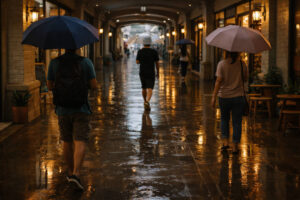 Indoor alternative inside the same pocket: Do a shorter outdoor dash (just enough to feel the neighborhood), then move your “tasting” to indoor food courts, cafés, and sheltered arcades nearby.
You’ll still get the Binondo flavor without the drenched shoes and soaked shoulders.
Timing change: Walking time shrinks; waiting time for rides may grow.
Cost change: Slightly higher spend on indoor dining, but you’ll save on “rain fixes” (extra rides, extra clothes, impulse purchases).
Swap for Makati/BGC stroll (stormy afternoon version)
Indoor alternative: Turn the comfort pocket into a full indoor afternoon: museum + mall loop + merienda, then leave before rush hour spikes.
If you feel cabin-fever, do a quick covered walkway lap and call it a win.
Reality check: Manila traffic gets slower in heavy rain. Choosing an indoor base and staying there is often faster than trying to outrun the weather.
Food That Fits the Route: Comfort-First Eating by Neighborhood
This Manila bakasyon guide isn’t a giant restaurant list. It’s “what to eat where you already are,” so you don’t waste time crossing the city hungry.
If you want a deeper neighborhood-by-neighborhood breakdown, use where to eat in Manila by neighborhood.
Intramuros + Ermita: cool lunches, simple merienda, early dinners
After walking in Intramuros, prioritize a cool, sit-down lunch, somewhere you can linger, hydrate, and feel your body temperature drop.
In the Ermita museum zone, plan merienda near your aircon anchor so you don’t get caught in a long queue when you’re already tired.
Dinner should be close to your base: warm soup if it’s rainy, grilled comfort food if it’s dry, and always something with a cold drink you actually enjoy.
Binondo/Escolta: taste slowly, don’t overload your stomach
Binondo is famous for a reason, but the calm way is to choose two snack stops and one proper meal, then walk gently in between.
If you overdo it early, the afternoon comfort pocket becomes less enjoyable. Keep water on hand, and don’t underestimate how much humidity affects appetite.
Makati or BGC: comfort meals with predictable pacing
These areas are ideal for a low-stress early dinner: lots of seating, consistent aircon, and easy bathrooms.
If you want your last night to feel smooth, eat where you can sit without feeling rushed, then head back before peak traffic turns your ride into a long crawl.
Family Adaptation Note: Kids, Naps, Bathrooms, and Stroller Reality
Manila with kids can be sweet and doable, just plan for real-life needs. Sidewalks can be uneven, curb cuts aren’t always friendly, and some food spots in older districts are tight.
Museums and malls become your best friends: clean bathrooms, aircon, and space to regroup.
For more kid-specific options, see Manila with kids (low-stress itineraries).
The simple “family version” of this Manila bakasyon guide
Start earlier. Aim for 8:00 AM starts so you’re done with outdoor walking before peak heat.
Fewer stops. Intramuros (short loop) + one museum on Day 1. Binondo (short tasting) + one comfort pocket on Day 2.
Nap window. Block 1:00–3:00 PM as a hotel return or mall quiet time. Don’t fight it.
Guaranteed aircon resets. Put an aircon anchor every half-day (museum/mall) and treat it as the main event, not an add-on.
Mall as emergency base. If a kid melts down, the rain turns wild, or you need a bathroom now, go straight to the nearest mall and reset. It’s the fastest way back to calm.
Reality check: With kids, “finishing the plan” matters less than keeping everyone regulated. A calm day beats a complete day.
Quick Manila bakasyon guide FAQ:
How do I check weather the smart way (not just “sunny” icons)?
Look at real-time updates and rainfall advisories before you leave your hotel. PAGASA is the most reliable official reference: https://www.pagasa.dost.gov.ph/weather.
If heavy rain is likely, start with an indoor route and keep outdoor moments short.
What time should I start to avoid crowds and heat?
For this Manila bakasyon guide, 8:00 AM starts are the sweet spot: cooler walking, fewer lines, and more control over your day.
By late morning, heat and queues tend to build.
Is Intramuros walkable and comfortable?
Walkable, yes. Comfortable depends on timing. Go early, keep your route short, and plan an indoor reset before lunch.
Wear shoes that can handle uneven stones and occasional puddles.
How do I avoid losing half the day to traffic?
Stay in one zone per half-day, keep Grab rides short, and avoid crossing the metro at rush hours.
Use your buffer blocks instead of trying to “squeeze one more stop” between pockets.
Where do I find official hours for Intramuros sites?
Hours can change due to events and maintenance. Use the official Intramuros Administration reference when planning: https://intramuros.gov.ph/hours/.
Even with posted hours, build a buffer for ticket lines and security checks.
What’s the best rainy-day move if the sky suddenly opens up?
Switch immediately to the indoor route in the same pocket (museum, mall, café), then reassess after 45–60 minutes.
Waiting it out on the street often costs more time (and comfort) than going indoors right away.
How much should I budget for two calm days?
It depends on comfort level and how often you Grab. As a starting point: plan for short Grab hops between pockets, museum entries, and a little extra for cafés/malls as aircon anchors.
Slow pacing can be cheaper than rushing: fewer long rides, fewer last-minute choices.
Is this plan okay for older parents or anyone with lower walking tolerance?
Yes. Keep walks shorter, add more sitting stops, and treat aircon anchors as the main activity.
In this Manila bakasyon guide, comfort is the point, not an afterthought.
Manila feels calmer when you design for comfort the way locals do: duck into aircon without guilt, eat where you already are, and give the city time to unfold.
Two days is enough if you move in pockets, protect your energy, and let weather backups do their quiet magic.