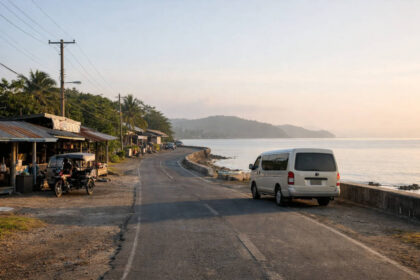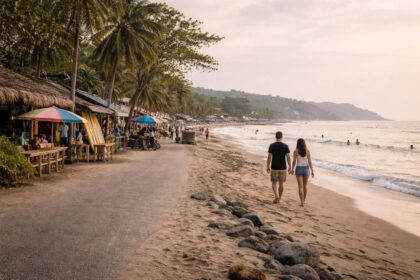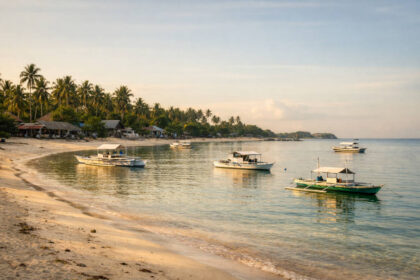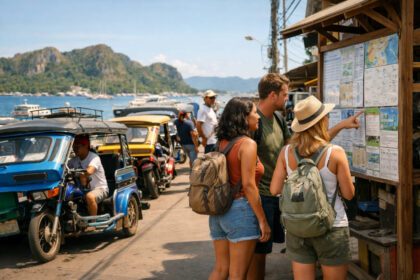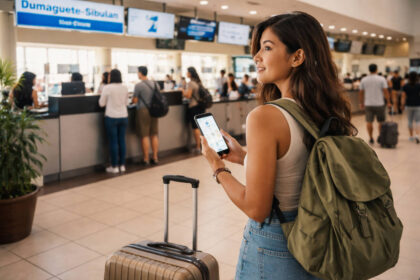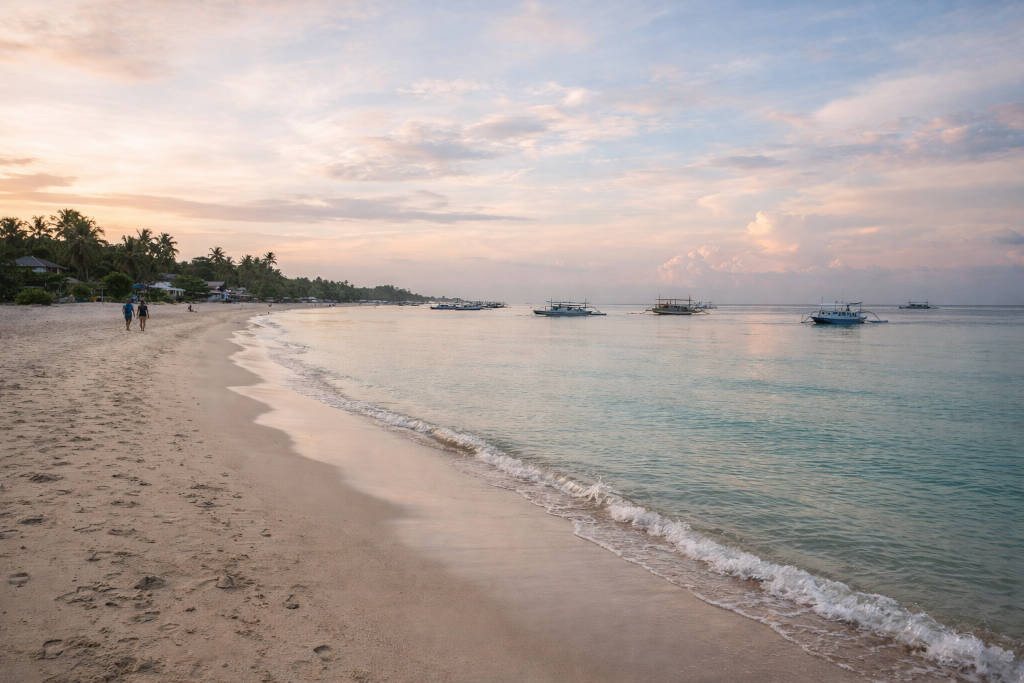
A Malapascua weekend trip can be low-stress, but only if it respects one core reality: you are not just going to a beach—you are doing a road transfer to Maya Port, then a boat to Malapascua, with waiting time in between. The plan works best when you build buffers and treat late-afternoon timing as non-negotiable.
This guide gives a calm Malapascua weekend itinerary for 2 days and 1 night, with two versions (budget vs comfort), what to prebook, where to stay for easier transfers, and a copyable backup plan if you miss the last crossing. For overall buffer logic that works across the Philippines, keep this Philippines travel planning guide for first trip open while you plan.
Reality check: The weekend plan is doable, but it is not “quick.” Expect a long travel day on Day 1 and plan Day 2 around a safe return crossing, not around squeezing in extra stops.
Start Here: Is A Malapascua Weekend Trip Actually Low-Stress?
It can be, if “low-stress” means: one main destination, simple beach time, early departures, and no tight deadlines. It becomes stressful when travelers try to arrive late, stack too many activities, or assume the boat runs late at night.
Minimum buffer rule (use this for the whole weekend): add 1–2 hours of slack on both days for traffic, port waiting, and weather changes.
Reality check: The island is relaxing; the transfers are the demanding part. The itinerary is designed to protect rest time by being strict about timing.
Who This 2D1N Plan Works For (And Who Should Skip)
This Malapascua 2d1n itinerary is realistic for some travelers and a poor match for others.
Works for
- Travelers based in Cebu City or Mactan who can leave early.
- People who are okay with a long road transfer and multiple steps (bus/van → port → boat → walk to accommodation).
- Anyone who wants a simple beach/rest weekend with optional light activities.
Should skip
- Anyone arriving late in Cebu on Day 1 (late arrivals make the boat cutoff risk much higher).
- Anyone who dislikes tight schedules or gets stressed by waiting time and queueing.
- Travelers with limited mobility who may find multiple transfers and port boarding stressful.
- Anyone who needs guaranteed late-day crossings, since many sources note late-afternoon cutoffs and no night crossings (exact cutoff can vary by conditions and local operations).
Reality check: If you want a “sleep in, arrive anytime” weekend, Malapascua is better as a 3D2N plan.
The One Constraint To Respect: Transfers + Late-Afternoon Boat Cutoffs
 The make-or-break constraint is timing. The route is: Cebu City/Mactan → Cebu North Bus Terminal → road transfer to Maya Port → boat crossing → Malapascua (Logon area).
Use cautious, realistic time ranges (including waiting):
- Road travel: often described as roughly 4–5+ hours depending on traffic and mode (bus vs van, stop frequency, and day-of-week volume).
- Boat crossing: commonly described around 30–45 minutes, plus time for loading and waiting at the port.
- Waiting/loading: can add anywhere from minutes to over an hour depending on queues, weather, and passenger volume.
Key risk: Do not plan to reach Maya Port late in the afternoon. Multiple sources note crossings are stopped late afternoon and are not allowed overnight, and the exact cutoff can vary. Plan to arrive at the port with enough daylight and enough margin to handle delays.
Decision point at Maya Port: If seas look rough, advisories are up, or it’s already close to late afternoon, switch to the backup plan instead of forcing the crossing.
Reality check: Even if you “make it” to Maya Port, the last crossing may not be comfortable in bad weather. Safety is the priority.
Where To Stay To Minimize Friction (Logon Area Rules)
For a weekend, stay where arrivals and departures are easiest. The simplest choice is accommodation near the main arrival area in Logon / main village, so you can walk from drop-off and avoid complicated last-mile arrangements close to dusk.
Practical context: Malapascua is administratively part of Barangay Logon in Daanbantayan. Many essentials—simple eateries, small stores, and walkable paths—cluster around the main village area.
Simple selection rules:
- Prioritize easy check-in, clear directions, and staff who can help arrange return transfers.
- Choose a place that is walkable from the main arrival area (or has clear help for luggage).
- Avoid far corners of the island if you expect to arrive close to dusk or if you want the simplest return morning.
Reality check: A beachfront stay can be tempting, but “quiet and far” can add stress for a 2D1N plan if you’re navigating with luggage at the end of the day.
What To Prebook (And What To Leave Flexible)
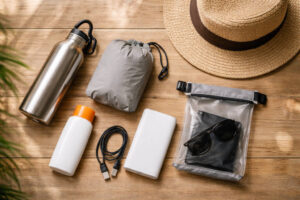 For a Malapascua overnight trip plan on a weekend, prebooking a few items reduces risk.
Recommended to prebook for a weekend
- Accommodation: Especially for Friday/Saturday nights when demand is higher.
- Transport assistance if your schedule is tight: A pre-arranged pickup or private transfer can reduce waiting and decision fatigue.
- Fixed-slot activities you truly care about: For divers, early/sunrise dives are a real commitment. If diving is the priority, plan the whole weekend around that schedule.
Fine to decide on arrival
- Simple beach time, short walks, and rest blocks.
- Casual snorkeling hire if available and conditions allow (keep this optional).
- Meal choices—just plan to eat earlier on Day 1 so you can sleep early.
Reality check: Overplanning activities is the fastest way to make a weekend feel rushed. The itinerary is designed to protect downtime.
2D1N Itinerary (Budget Version) With Transport Blocks
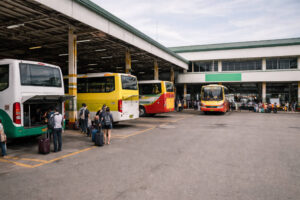 This budget-style plan assumes a public transport mindset and accepts some waiting time. It’s the common structure for a Cebu to Malapascua weekend trip without private car arrangements.
For general expectations on buses, terminals, and shared travel in the Philippines, keep the Philippines public transport guide bookmarked.
Day 1 (Works For Any Weekend Day)
- Early morning: Depart Cebu as early as practical. The goal is to reach Maya Port before midday so you’re protected from late-afternoon cutoffs and have room for delays.
- Road block: Cebu to Maya Port (often described as 4–5+ hours): Expect traffic uncertainty, especially on weekends and holidays.
- Port block: Budget time for tickets, any required manifest/registration steps, and fees that may apply at the port. Add a waiting buffer for boarding and loading.
- Boat block: Maya to Malapascua (commonly 30–45 minutes): Add time for loading and settling.
- Arrival block: Arrive, then walk to accommodation near the Logon/main village area, check in, eat, and rest. If there is an environmental fee or other local fee collected, confirm on-site and keep small bills ready (amounts can change).
- Late afternoon: Low-effort beach time and sunset. Keep it simple: short walk, shade breaks, hydration.
- Evening: Early dinner and pack lightly for an easy morning. Set alarms for the return schedule.
Minimum buffer reminder: If the road trip runs late and you arrive at Maya Port close to late afternoon, switch to Plan B instead of trying to “rush” the crossing.
Reality check: The budget version can include unpredictable gaps (waiting for seats, waiting at port). The low-stress move is leaving Cebu early enough that waiting time doesn’t become panic time.
Day 2
- Early morning: Optional quiet beach walk or simple breakfast. Keep the morning calm and avoid starting a new activity that might delay checkout.
- Mid-morning: Checkout buffer. Return to the port area with margin—do not aim for “last possible” rides.
- Boat block: Malapascua to Maya (do not cut it close): Plan an earlier crossing so you have room for waiting, loading, and weather changes. Remember: late-afternoon cutoffs and no night crossings are commonly noted, and the exact cutoff can vary.
- Road block: Maya to Cebu (often 4–5+ hours): Expect a wide arrival window in Cebu depending on traffic and stopovers.
No tight evening plans reminder: Avoid booking a fixed dinner reservation or a strict appointment in Cebu on Day 2. Treat your return as variable and plan a flexible evening.
Reality check: A calm weekend ends with a calm return. An early boat back often feels “less exciting,” but it protects you from the highest-risk timing window.
2D1N Itinerary (Comfort Version) With Transport Blocks
This version reduces friction by arranging more steps in advance. It does not remove traffic or port waiting, but it reduces decision fatigue and unclear transfers.
Day 1
- Early morning: Pre-arranged pickup from Cebu City or Mactan area to Maya Port. Confirm the pickup window, meeting point, and what happens if the driver is delayed.
- Road block: Even with private transfer, traffic is still real. Keep the same goal: arrive at Maya Port with a strong daylight buffer.
- Port block + boat crossing: Tickets/fees, waiting, then the crossing.
- Arrival block: Short walk (or assisted transfer if arranged) to your stay near Logon. Check in early enough to settle before dusk.
Reality check: Comfort planning is not about speed; it’s about fewer moving parts. If your schedule is tight, fewer transfers matter more than saving 20 minutes.
Day 2
- Earlier return crossing: Aim for a morning boat back to Maya so you have extra safety buffer.
- Pre-arranged return vehicle: Having a confirmed pickup reduces port-side negotiation and protects your Cebu arrival window.
Reality check: A pre-arranged return is most valuable on Sundays or peak weekends when demand and waiting time can increase.
Budget Guide: Cost Buckets And What Can Change
Exact prices change, so this section uses buckets and ranges rather than fixed numbers. Weekend demand can also affect availability and quotes.
Main cost buckets for a Malapascua weekend trip:
- Cebu to Maya: Bus is usually the most budget-friendly; vans can trade comfort/speed differently; private transfer costs more but reduces friction.
- Maya to Malapascua: Boat ticket plus possible port-related and/or environmental fees. Amounts can change; confirm on-site and keep small bills ready.
- On-island: Meals, optional short rides for luggage (if needed), and optional activities (snorkeling gear hire, guided trips, diving).
What changes costs: weekend demand, holiday surcharges, pickup convenience, group size (splitting private transfers), waiting time, and weather disruptions.
If you want a Philippines-wide benchmark for daily spend (useful for weekend planning and cash buffers), refer to Philippines travel budget examples.
Reality check: The cheapest weekend plan can become expensive if it forces an unplanned overnight near Maya due to missed crossings. A buffer fund is part of “low-stress.”
Backup Plan If Delayed (Copyable Checklist)
This is the calm Plan B for the two most common problems: missing the last crossing and weather disruptions.
- If you will miss the last crossing (or conditions are unsafe): Stay overnight near Maya Port (or another practical mainland town), then cross early the next morning. Treat this as normal contingency planning, not a failure.
- If you’re delayed on Day 2: Prioritize catching a safe earlier boat back. Avoid stacking tight evening commitments in Cebu.
- Who to message/call: your accommodation (for check-in or late arrival), your driver/dispatcher (if arranged), and anyone meeting you in Cebu.
- What to keep ready: cash buffer, offline notes of contacts, and screenshots of any agreements or pickup details.
- Minimum-stress rule: Do not book a fixed-time Cebu activity on your return day. Keep the evening flexible.
For a broader buffer mindset and “what if” planning, revisit the Philippines travel planning guide for first trip.
Reality check: If weather is the reason for delays, pushing through usually makes the day harder. Sleeping near the port and crossing in better conditions is often the safest choice.
Malapascua Weekend Trip FAQ
Is Malapascua doable in 2 days 1 night?
Yes, a Malapascua 2d1n itinerary is doable for Cebu-based travelers who can leave early and accept a long travel day. It is less suitable if you arrive late in Cebu, dislike tight schedules, or need late-day crossings. The low-stress version depends on reaching Maya Port with daylight buffer.
How long does it take from Cebu to Malapascua?
Road travel to Maya Port is often described as roughly 4–5+ hours depending on traffic and mode, then the boat crossing is commonly described around 30–45 minutes, plus waiting/loading time at the port. For planning, add buffer hours so delays don’t push you into late afternoon.
What time should I leave Cebu?
Leave as early as practical so you can aim to reach Maya Port before midday. This protects you from traffic delays and reduces the risk of missing late-afternoon boat cutoffs. If your departure is already mid-morning, consider whether the weekend plan still feels calm or if a longer stay would be better.
What if I miss the last boat?
Do not force a late crossing. Stay overnight near Maya Port (or a practical mainland town) and cross early the next morning. Message your accommodation to adjust check-in, keep cash buffer ready, and treat it as a normal contingency.
Where to stay for easy transfers?
For a weekend, stay near the main arrival area in Logon / main village (Malapascua is part of Barangay Logon in Daanbantayan). This reduces last-mile friction, supports easier check-in, and makes the return morning simpler.
Weekend budget estimate
Costs vary by transport choice (bus vs van vs private transfer), weekend demand, and optional activities. Plan by buckets: Cebu–Maya land transfer, port/boat tickets and possible local fees, meals, and a buffer fund for delays. A comfort version costs more but can reduce waiting and decision fatigue.
For basic background on the island and its location, see Malapascua. For general climate context (useful when thinking about rainy season disruption risk), see PAGASA’s climate information.
More Low-Stress Weekend Plans
If you’re collecting easy 2D1N ideas, these planning-first weekend reads can help: Puerto Princesa weekend trip plan, Binondo food trip plan, Cavite heritage road trip itinerary, and Pampanga food trip plan.
For other starting points outside Cebu, this guide can help: low-stress options to Malapascua from Cagayan de Oro. For more planning reads, browse Tips and inspiration.