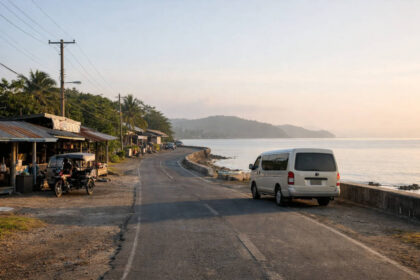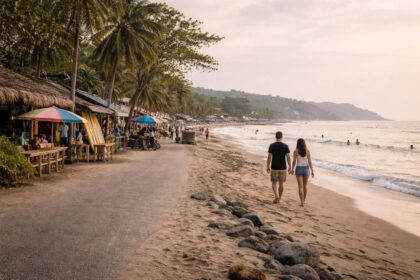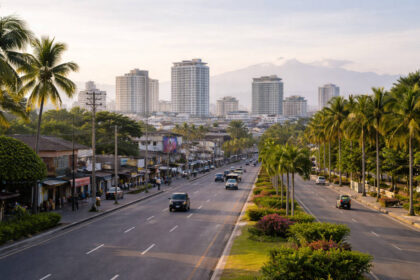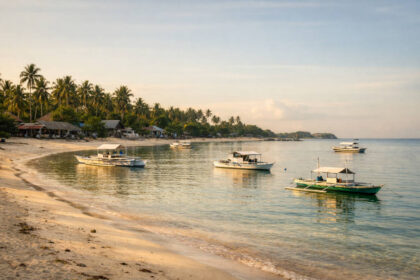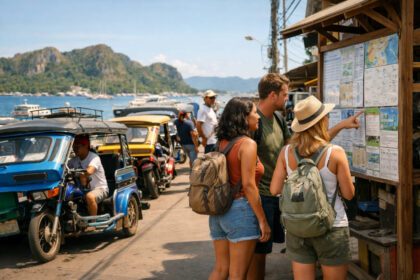
Planning a malapascua itinerary 7 days is mostly about managing two moving parts: (1) the long overland trip to Maya Port or New Maya Port, and (2) sea conditions for the banca boat ride and day tours. This guide keeps the pace realistic, builds in buffers, and makes decision points obvious—so the trip still works even when weather, traffic, or boat timing is not ideal.
Quick overview
This 7-day plan is for travelers who want time to rest between early mornings (especially if diving), prefer simple beach days over rushing, and want at least one built-in “buffer day” for rough seas or low energy. It also works for mixed groups (divers + non-divers) because most days have an easy on-island option.
If this is your first time planning a multi-leg Philippines trip, skim Philippines travel planning guide for first-timers before booking anything non-refundable—small timing changes can ripple across buses, ports, and boats.
At-a-glance logistics (realistic pace + buffers)
- Best time window (general): Months with calmer seas are usually easier for banca rides and island hopping; expect more sea-state risk during monsoon periods. Always plan swap options.
- Travel time reality: Cebu City to Maya Port overland often takes several hours (traffic and stops add time). The banca boat to Malapascua is often under an hour, but waiting time at the port can be longer than the ride.
- Budget band: Costs swing widely depending on room type and dive/tour style. Comfort-first choices (private transfer + resort + private boat) can cost multiple times more than budget.
- Crowd risk: Weekends and holidays can mean fuller boats, limited room availability, and noisier nights near busy beachfront strips.
- Heat/rain backup: Keep one buffer day flexible and plan one low-effort on-island route (lighthouse walk + quiet beach + long lunch) that works even when the sea is rough.
Reality check: Even with perfect planning, port waiting time and sea conditions can reshuffle the day. The goal is not a “perfect schedule,” but a plan that still feels calm when plans move.
Before you go
Malapascua is small and simple to navigate, but the sea decides a lot. Your biggest planning lever is choosing dates when sea conditions are more predictable, and building swap rules for the days when they are not. Use this seasonal overview as a guide, then confirm local conditions closer to travel.
For a broad month-by-month context, check best months to travel in the Philippines—then treat it as “planning guidance,” not a guarantee for a specific week.
Weather and sea-state risk: what changes your plan
- Rough seas: Can delay or cancel banca crossings and island hopping. When the sea is up, plan more on-island time (beaches, lighthouse, slow meals).
- Wind direction: It can make one beach comfortable and another choppy. You may choose Bounty Beach vs Langub Beach depending on the day.
- Visibility and currents: Affects snorkeling and diving comfort. If your group includes beginners, build extra rest and avoid stacking back-to-back “big days.”
- Heat + sun: The island can feel hotter than expected midday. Put longer walks early morning or late afternoon, and protect buffer time for cooling down.
Reality check: Forecasts are not precise for small islands. Plan as if one day will be “imperfect sea day,” and the week immediately becomes less stressful.
If you want a quick reference while deciding dates, the general background about the island is summarized here: https://en.wikipedia.org/wiki/Malapascua.
Getting to Malapascua
 Reaching Malapascua typically involves Cebu City to Maya Port (sometimes labeled New Maya Port) by road, then a banca boat crossing. Exact schedules, fees, and loading practices can change, so verify timings on arrival and plan early departures to reduce stress—especially if you’re targeting a same-day arrival on the island.
Cebu City to Cebu North Bus Terminal: the usual starting point
Pickup point language to know: Cebu North Bus Terminal is commonly used for buses to Maya. Travelers coming from Mactan-Cebu International Airport usually need a transfer into Cebu City first (taxi/Grab or prearranged pickup), then continue to the terminal or a van pickup point.
If you want a primer on how bus terminals, transfers, and ferry/port routines typically work in the country, this is useful context: Philippines public transport guide (bus, jeepney, ferry).
Cebu North Bus Terminal to Maya Port or New Maya Port
- Typical travel time range: Often several hours. Add extra time for city traffic, roadside stops, roadwork, and seasonal congestion.
- Main friction points: Leaving Cebu City during rush hours, long stops, and arrival queues near the port area (especially weekends).
- If you’re running late: Decide early whether to push through or overnight near Maya/Daanbantayan. A calm overnight can be safer than forcing a late port arrival.
Maya to Malapascua banca boat
- Crossing time (typical): Often under an hour, but the wait can be longer depending on loading and conditions.
- Sea conditions matter: When seas are rough, expect a bumpier ride and possible delays. Protect electronics with a dry bag.
- Where delays happen: Ticketing/fees, waiting for a boat to load, and weather pauses.
What if you miss the last boat?
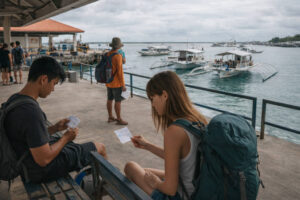 Last trips can shift and are not always posted in a way travelers can rely on. If you arrive late and can’t cross safely, the practical move is to stay overnight near Maya/Daanbantayan and cross early the next morning. This is also why the itinerary below keeps Day 1 light and includes a buffer day later in the week.
Reality check: Trying to “force” same-day arrival when you land in Cebu late often adds cost and risk. If your flight lands late afternoon or evening, plan a Cebu City overnight first-night buffer.
Alternate origin note
If you’re coming from Mindanao, routing through Cebu is common. For a calmer planning path with fewer same-day tight connections, see Cagayan de Oro to Malapascua low-stress options.
Where to base yourself
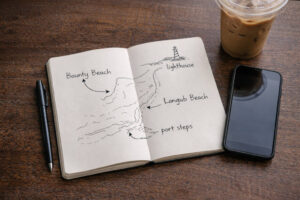 Where you sleep affects the whole week more than most activities. Choose a base that matches your noise tolerance, your need for early mornings (especially for Monad Shoal departures), and your preference for easy food access.
Simple area guidance
- Bounty Beach area: Convenient for tours, dive shops, and casual meals. It can be busier and louder at night during peak periods.
- Langub Beach side: Often quieter and more “off to the side,” helpful for rest days. Depending on wind/season, water conditions can vary.
- Interior lanes near the lighthouse trail: Can be calmer at night, but expect more walking and darker paths after sunset.
What affects sleep and early starts
- Noise: Karaoke nights, beachfront gatherings, roosters, and motorbikes can be normal in some pockets.
- Room cooling: Fan rooms are cheaper but can feel warm midday. Aircon helps recovery, especially if you plan multiple early mornings.
- Early dives: If your week includes Monad Shoal, staying near your chosen dive shop reduces pre-dawn friction.
Reality check: On small islands, “quiet” is relative. If you’re a light sleeper, pack earplugs and pick rooms set back from the main beach path.
What to prebook vs decide on the day
The easiest way to keep a malapascua itinerary 7 days calm is to prebook only what truly breaks the plan if it’s missing—and keep sea-dependent activities flexible.
Prebook (lock these in)
- First-night Cebu (if arriving late): If your flight lands late, book a Cebu City overnight so you can leave early for Maya without rushing.
- Accommodation on Malapascua: Especially in peak season, weekends, and holidays. Choose a base area first, then book.
- Private transfer/van (comfort-first): If your priority is fewer transfers and more control over stops and timing.
- Dive packages or fixed early schedules: If your group needs guaranteed early slots (training, multi-day packages, or limited-date dives).
- Any fixed-date tours you can’t miss: If you have only one must-do (like a particular dive day), place it earlier in the week to allow swaps.
Decide on the day (keep these flexible)
- Island hopping and snorkeling trips: Choose the day based on sea conditions and visibility.
- Which beaches to prioritize: Pick Bounty Beach vs Langub Beach based on wind, tide feel, and crowd levels.
- Rest afternoons: Keep at least two afternoons “soft” so early mornings don’t pile up.
- Café/restaurant hopping: Decide based on what’s open, your budget tier, and how tired the group feels.
Reality check: If you prebook too many sea-dependent tours, you’ll feel pressured to go even when conditions are uncomfortable. Keep boat days flexible whenever possible.
7-day Malapascua itinerary
This malapascua itinerary 7 days route assumes you want a steady rhythm: travel day recovery, two to three “sea activity” mornings, and a buffer day that can move. Each day has a morning and afternoon block, plus a simple if-then swap note.
Day 1: Cebu to Maya Port, banca boat to Malapascua, settle in
Morning block: Travel from Cebu City to Maya Port or New Maya Port (often several hours). Aim for an early departure to reduce traffic and port stress. Must be booked: none if using public transport, but confirm your first-night accommodation on Malapascua in advance. Decide later: where to eat on arrival, whether to do a quick sunset walk depending on energy.
 Afternoon block: Banca boat crossing to Malapascua (often under an hour, but waiting time varies). Check in, do a short orientation walk along Bounty Beach, and identify: nearest water refill, your dive shop (if applicable), and a calm dinner spot. Must be booked: your room. Decide later: schedule of tours—keep the first evening light.
If-then note: If you arrive too late for a safe crossing, overnight near Maya/Daanbantayan and shift the island check-in to Day 2 morning; treat Day 6 as the buffer day to protect the rest of the plan.
Reality check: Day 1 often feels longer than expected because small delays stack (terminal queues, loading waits). Keep expectations simple: arrive, eat, sleep.
Day 2: Island orientation + choose your “sea day” based on conditions
Morning block: Slow orientation day. Walk a short stretch of Bounty Beach, scout boat pickup points, and ask locally about sea conditions for the next two days (tour operators, dive shops). If you dive, do a low-effort check-in and paperwork day or an easy shore/nearby refresher session if offered. Must be booked: only if you want a structured dive/refresher slot. Decide later: which day to place island hopping and Gato Island.
Afternoon block: Pick one beach focus: a relaxed Bounty Beach afternoon for convenience, or a quieter Langub Beach visit if you want lower foot traffic. Build in downtime: laundry, cash check, and confirming next day’s early pickup if doing Monad Shoal. Must be booked: none. Decide later: dinner location and whether to do a short lighthouse approach walk before sunset.
If-then note: If the sea looks rough or the forecast is unstable, keep tomorrow land-based and move island hopping later; protect at least one calm-sea morning for any must-do boat activity.
Reality check: The island can feel “walkable,” but midday sun makes even short distances tiring. Put walks early or late.
Day 3: Monad Shoal early morning (divers) or sunrise boat rhythm (non-divers)
Morning block: Early start day. For divers, Monad Shoal departures are typically pre-dawn to early morning; confirm exact meet time with your operator the day before. For non-divers, consider a calm sunrise routine on the beach, then a late breakfast—keep it simple so the group stays aligned. Must be booked: dive slots/boat schedule if diving Monad Shoal. Decide later: whether to add a second easy activity later in the day.
Afternoon block: Recovery-focused afternoon. Choose one: (a) quiet beach time, (b) a short lighthouse walk segment, or (c) a shaded café lunch plus rest. If energy is good and sea is calm, some travelers add light snorkeling close to shore—confirm safe areas locally and avoid pushing into current. Must be booked: none. Decide later: dinner and next day’s boat plan.
If-then note: If the morning sea conditions made everyone tired or uncomfortable, make Day 4 a land-based day and push island hopping to Day 5 or Day 6 (buffer).
Reality check: Early mornings add up. A “rest afternoon” is not wasted time in a week-long Malapascua plan—it’s what keeps the later days enjoyable.
Day 4: Island hopping and snorkeling (sea-day target)
Morning block: Target this as a primary island hopping and snorkeling morning if sea conditions are calm. Confirm route options with the boatman/operator on the day: some stops are better depending on wind and visibility. Keep the plan to a few stops, not “everything.” Must be booked: boat arrangement (joiner or private). Decide later: exact stops and timing once you see the water.
Afternoon block: Return, late lunch, then keep the afternoon open. If you have energy, do a short walk toward the lighthouse trail start for sunset light; if not, keep it as a recovery block. Must be booked: none. Decide later: whether tomorrow becomes Gato Island day or a full on-island day.
If-then note: If seas are rough today, swap Day 4 with Day 5 (lighthouse + Langub Beach day) and re-check island hopping conditions tomorrow morning.
Reality check: Even on “good” days, banca rides can be bumpy. If anyone is prone to seasickness, take meds early and keep snacks/water accessible.
Day 5: Lighthouse walk + Langub Beach (on-island reset day)
Morning block: Do the lighthouse walk in the cooler hours. Keep footwear practical (paths can be uneven), bring water, and plan the pace. This is a good day for photos, slow conversation, and recovering from early starts. Must be booked: none. Decide later: how far to walk depending on heat and energy.
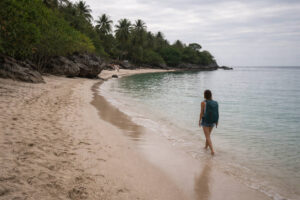 Afternoon block: Shift to Langub Beach for a quieter water-and-shade afternoon, or return to Bounty Beach if you want easier food options. Keep the afternoon intentionally light: reading, long lunch, short swim only if conditions feel safe. Must be booked: none. Decide later: whether Day 6 becomes Gato Island, extra dives, or buffer/rest.
If-then note: If sea conditions look unusually calm and the group has energy, you can swap tomorrow’s planned sea day forward—but keep at least one later day flexible in case the crossing back to Maya needs a weather window.
Reality check: The lighthouse walk is not “hard,” but the heat can make it feel heavier than expected. Take it slow and prioritize hydration.
Day 6: Flexible buffer day (moveable) or Gato Island day trip
Morning block: Treat Day 6 as your buffer day by default. If earlier sea days were canceled, use this morning for island hopping or a boat day when conditions are better. If conditions are excellent and you want a bigger outing, this can be your Gato Island day (often planned as a longer boat trip; divers may treat it as a dedicated dive day). Must be booked: boat/dive arrangement if doing Gato Island. Decide later: whether you keep it as full rest instead.
Afternoon block: Low-energy recovery: café lunch, souvenirs, a short beach walk, and packing organization for departure. If you did a long boat day, keep this as a pure rest block. Must be booked: none. Decide later: tomorrow’s departure timing based on sea and your onward plans.
If-then note: If the sea stays rough, keep Day 6 fully on-island and focus on comfort: shaded meals, lighthouse short walk, and early night. Protect Day 7 for a smooth exit rather than squeezing in a risky boat plan.
Reality check: A buffer day only works if you truly keep it flexible. Avoid locking in non-refundable tours on this day unless your whole week depends on it.
Day 7: Departure day (Malapascua to Maya, onward to Cebu City)
Morning block: Leave earlier than you think you need to. Morning crossings are often calmer, and earlier road travel reduces the chance you’ll get stuck in traffic. Confirm banca availability the day before and again in the morning. Must be booked: onward accommodation/flight buffer if your schedule is tight. Decide later: whether you stop for meals along the way or push straight to Cebu.
Afternoon block: Maya Port to Cebu City travel (often several hours). Build in slack if you have an evening flight; if your flight is same-day, many travelers prefer a very early island departure or even an extra Cebu overnight to avoid stress. Must be booked: none for public transport, but prearrange if you need comfort-first private transfer. Decide later: final meal stop and rest plan.
If-then note: If sea conditions are questionable, prioritize an early crossing or consider leaving a day earlier and using Day 6 as your “extra boat window.”
Reality check: The biggest “getting stuck” risk is leaving Malapascua too late and then meeting rough seas or port delays. Earlier departures keep options open.
The buffer day and swap options
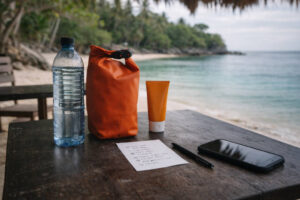 In a malapascua itinerary 7 days, the buffer day is your safety valve. Keep it movable: it can sit on Day 6, but you can “spend” it earlier when the sea turns rough or the group needs rest.
Clear swap rules (simple and practical)
- If rough seas cancel island hopping: Swap the canceled boat day with the lighthouse + Langub Beach day (Day 5 style). Re-check sea conditions the next morning.
- If a dive day runs long or feels tiring: Swap the next morning into a late-start beach day. Keep only one “early morning” back-to-back if your group wants a calm pace.
- If you miss arrival crossing on Day 1: Shift island check-in to Day 2 and treat Day 6 as a firm buffer, not an activity day.
- If you need a safe exit window: Move the buffer to the end—use Day 6 as a flexible “leave early if needed” day, especially in unstable sea periods.
Low-energy alternative (works even when tired)
Late breakfast + shaded lunch + short lighthouse approach walk (not necessarily the full route) + quiet beach hour at Langub Beach + early packing. This keeps the day restorative without feeling like you “lost” it.
Rough-sea alternative (works when boats are uncomfortable)
On-island walking loop + café hopping + beach time in the most sheltered area that day. Ask locals which side is calmer; wind direction can change the feel of the water quickly.
Reality check: The buffer day is not an “empty day.” It’s your control knob for sea conditions, energy, and a smooth departure.
Budget and comfort options
Costs for a week vary most by (1) transport style to/from Maya, (2) room cooling and location, and (3) whether you do private boats and dive packages. Use this as a planning frame, then confirm current local rates on arrival because fees and fuel conditions change.
For a broader baseline across trip lengths, compare with sample Philippines travel budgets.
Budget tier (cost-first, flexible comfort)
- Transport: Public bus from Cebu North Bus Terminal to Maya + shared banca boat. Expect more waiting and less control over stops.
- Room: Basic/fan rooms or simple aircon rooms further from the busiest strip.
- Tours: Joiner island hopping or shared arrangements; fewer “big boat days.”
- Meals: Mostly carinderia/simple meals, with a few café treats.
Mid-range tier (balanced comfort and control)
- Transport: Van or arranged shared transfer for fewer transfers and earlier departures (still with variability).
- Room: Reliable aircon, better sound insulation if available, closer to preferred beach zone.
- Tours: Mix of joiner and occasional private banca boat if your group wants control over timing.
- Meals: Mix of local meals and sit-down restaurants.
Comfort tier (low-friction, timing control)
- Transport: Private transfer Cebu City ↔ Maya timed to your schedule, plus private boat arrangements when available/appropriate.
- Room: Resort-style stay with stronger backup power planning and quieter room placement where possible.
- Tours: Private boat for island hopping and tailored dive schedules (often with higher fuel and convenience costs).
- Meals: Mostly resort/restaurant meals, easier hydration and recovery.
Common surprise costs and cash notes
- Port/terminal and small local fees: Often collected in cash (exact names and amounts vary).
- Boat arrangements: Weather changes can trigger rescheduling; clarify cancellation/reschedule rules before paying.
- Gear rental and guides: Snorkel gear, fins, or guide support can add up over multiple days.
- Extra night buffer: If seas turn and crossings pause, you may need an extra night on either side (Maya area or Cebu).
Bring enough cash for several days on the island. ATMs and card acceptance can be limited or unreliable, and island trips often need cash for small fees and boat arrangements.
Reality check: The “cheapest plan” can become expensive if it forces last-minute decisions (late arrivals, missed boats, emergency private transfers). Paying for earlier departures and a buffer night can reduce total stress cost.
Packing and practical tips
Pack for sun, salt, and schedule changes. Most issues on Malapascua are not “dangerous,” but they are inconvenient when unprepared (heat, seasickness, wet electronics, low cash).
Practical checklist
- Power: Bring a power bank and a small extension cord. Power stability varies by property; charging flexibility helps.
- Water and heat: Refillable bottle, electrolytes, and a hat. Plan the day around shade and hydration.
- Seasick support: Meds taken early (not after you feel sick), plus ginger candy and simple snacks.
- Reef-safe basics: Reef-safe sunscreen where possible, rash guard, and careful fin use to avoid damaging coral.
- Dry protection: Dry bag for boat days; zip pouches for cash and phone.
- Connectivity: Expect variable signal. Have offline copies of bookings and screenshots of key info.
- Dive safety: If diving, follow operator guidance and don’t compress too many deep/early dives without rest. For reference on local hyperbaric support information, see https://tieza.gov.ph/hyperbaric-chamber-center-malapascua-daanbantayan-cebu/.
If you’re traveling alone or you want a Cebu-to-Maya safety and friction checklist (especially for late arrivals and transfers), read solo travel safety guide for Malapascua (Cebu and Maya).
Reality check: The simplest safety upgrade is timing: travel early, avoid rushed night transfers, and don’t force boat rides when the sea is clearly uncomfortable.
Malapascua Itinerary 7 Days FAQ
How long does it take to get to Malapascua from Cebu City?
Plan for Cebu City to Maya Port by road to take several hours in typical conditions, plus a banca boat crossing that is often under an hour. Add waiting time at the terminal/port and extra slack for traffic, especially on weekends and holidays.
What should I prebook vs decide on the day?
Prebook accommodation (and a Cebu first-night buffer if arriving late), plus any dive packages or fixed early schedules your group needs. Decide on island hopping, snorkeling, and beach priorities on the day based on sea conditions and energy.
Is 7 days too long, and who benefits from staying a week?
Seven days is not too long if you want a realistic pace: recovery from travel, multiple chances for calm-sea mornings, and at least one buffer day. It’s especially helpful for divers who want more than one Monad Shoal morning and for mixed groups who need both activity and rest.
What can non-divers do for a full week?
A week can still feel full without diving by rotating: Bounty Beach slow days, Langub Beach quiet afternoons, lighthouse walks in cooler hours, café/restaurant hopping, and one or two island hopping and snorkeling mornings when the sea cooperates. The key is to keep boat days flexible rather than forcing them.
What’s the easiest plan if sea conditions are rough?
Use the buffer day: swap boat days with on-island plans (lighthouse walk + sheltered beach + long lunch). Keep one morning open to re-check conditions, and prioritize a safe departure window rather than squeezing in a final boat tour.
How do I avoid getting stuck by leaving too late from Maya?
For arrival and departure, leave earlier than you think you need to—especially on Day 1 and Day 7. Confirm banca availability on the day, expect port waiting time, and consider an overnight near Maya or Cebu when schedules are tight. Early departures reduce stress and keep options open.
How much budget should I prepare for 7 days (budget vs comfort)?
Budget travelers often spend far less by using public buses, basic rooms, and joiner tours, while comfort travelers spend significantly more on private transfers, resorts, and private boats. Add a separate allowance if you’re diving (packages, gear rental, and multiple boat mornings). Plan extra cash for small local fees and last-minute changes.
How do I get around the island safely and simply?
Most areas are walkable, but heat makes midday walks harder. For longer distances, local motorbike rides may be available—agree on the fare before riding, prioritize daytime travel, and choose safe pacing on uneven paths. For boat-based movement, go with established operators and avoid pushing trips in rough conditions.
Wrap-up
A calm malapascua itinerary 7 days is built on early starts, flexible sea days, and one real buffer day you protect. Before leaving the island, confirm banca availability, aim for a morning crossing, and give yourself extra road time from Maya to Cebu City. If your onward schedule is tight, a Cebu overnight after returning can be the simplest stress-reducer.
For more trip routes and planning-first itineraries, browse more Bakasyon.ph travel guides.