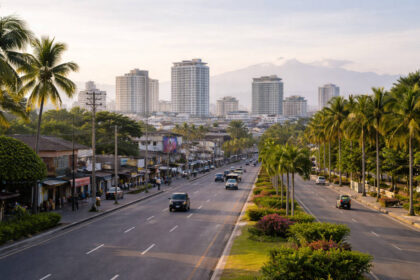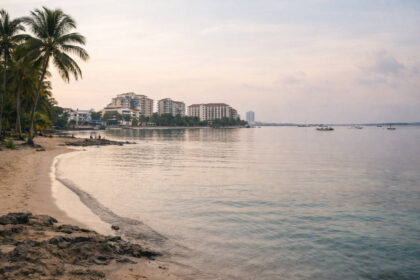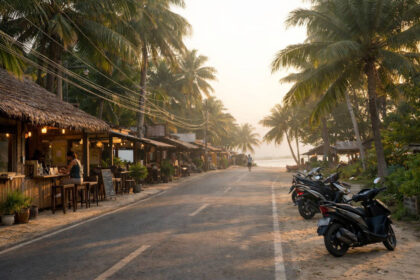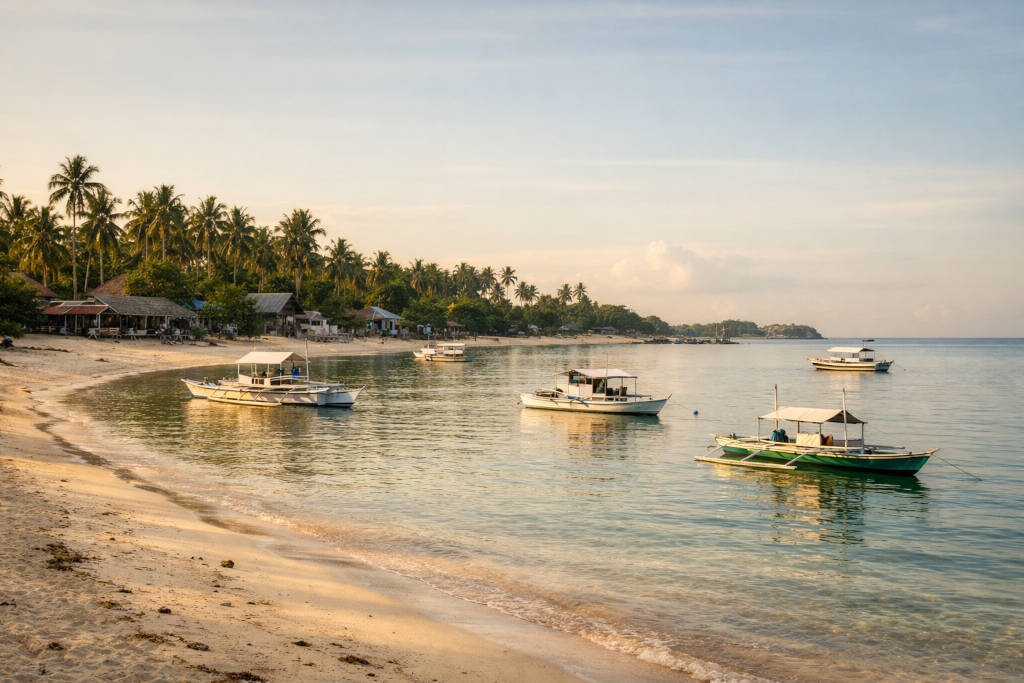
Malapascua Island has that familiar Philippine postcard magic: pale sand, banca boats resting on clear water, coconut trees shifting in the breeze, and a village rhythm that feels slower than the mainland. But for first-timers, the real question is not whether it looks beautiful. It is whether the island fits the kind of trip you want, the amount of time you have, and your comfort with transfers, sea conditions, and simple island logistics. That is where many travel decisions change.
Most travelers reach Malapascua Island through Cebu, continue north to Maya Port, then take a short boat crossing. On paper, that sounds straightforward. In practice, timing matters. Boat departures can tighten around daylight, weather, and sea conditions, so this is one of those trips where buffers are not just nice to have. They protect your budget, your energy, and any onward plans that cannot move.
This parent guide is for readers still deciding. It covers what the island is actually like beyond the usual dive reputation, how many days feel satisfying, what changes by month and season, and what to prepare before boarding in Maya. It also points you toward the next Bakasyon pages to open once you are ready to sort your route, stay, food plans, and safety details.
At-a-Glance
For most first-timers, the easiest planning window for Malapascua Island is the drier part of the year, when travel feels simpler and the boat leg is less mentally taxing. Realistic total travel time from Cebu City to the island can take most of the day once road traffic, transfer waits, and the Maya Port crossing are factored in. Budget-wise, the island can work for backpackers, but comfort-first travelers should expect to pay more for smoother transfers and better rooms. Crowd pressure tends to rise in March and April, especially around summer breaks and Holy Week, while rainier or windier periods can affect comfort, boat timing, and beach mood. If heat or rougher water becomes the issue, your best backup is slowing the itinerary, adding buffer time, and avoiding same-day flight connections.
Reality Check: Malapascua Island rewards flexible travelers more than tightly packed schedulers. If your trip only works when every connection runs perfectly, this may not feel as carefree as the photos suggest.
Is Malapascua Island Right for Your Trip?
What the island is best known for in plain language
 Many people first hear about Malapascua Island because of diving, especially its strong reputation among travelers who come to North Cebu for marine life. That is part of the story, but it is not the whole experience. In plain language, the island is best known for being a small, low-key island escape with a beach-town atmosphere, easy scenic walks, a relaxed pace, and just enough traveler infrastructure to feel accessible without becoming overly polished.
What makes Malapascua Island memorable for non-divers is the texture of daily life. Mornings can feel soft and bright, with boats moving in and out, simple breakfasts near the water, and beach stretches that invite lingering rather than rushing. The island is compact enough that many first-timers quickly understand its rhythm. You are not dealing with a huge resort zone or a giant checklist destination. You are dealing with a place where the mood matters as much as the activities.
There is also something appealing about how Malapascua Island sits between rustic and reachable. It has enough cafés, resorts, sari-sari convenience, and traveler movement to feel practical, yet it still carries the gentle imperfections of a real island community. That mix is often what makes it attractive for readers who want a scenic Cebu stop without needing a hyper-developed party scene or a fully packaged luxury bubble.
For background before you commit, this Malapascua overview gives a quick snapshot of the island’s location and context, while the official Philippines tourism diving overview helps explain why the island became internationally known in the first place.
Who usually enjoys it most and who may not
Malapascua Island usually suits travelers who enjoy a slower island pace, do not mind a multi-step journey, and are happy with a trip where beach time, easy wandering, and unhurried mornings are part of the reward. Couples, solo travelers, and small groups often do well here, especially when they want scenery without the scale and intensity of a more crowded tourist island.
It also works for travelers who like a balanced trip. Maybe you are not diving at all, but you still want a few swim stops, quiet shorelines, sunset walks, and the feeling of being away from the mainland rush. Maybe you want a North Cebu stop that feels meaningful without demanding a week. The island can handle that.
Where it may be less ideal is for travelers who dislike boat transfers, get anxious about weather uncertainty, need highly structured nightlife, or want a destination with large malls, broad restaurant variety, and very easy cash access. Families with very young children can still enjoy it, but only if the adults are prepared for the extra friction of transfers, heat, bags, and flexible meal timing. Travelers who want instant convenience may prefer a more direct beach destination.
Reality Check: The island is charming, but it is not friction-free. Malapascua Island feels best when you want simplicity, not constant choice.
What to Expect on the Island
The overall pace, beaches, and village feel
 The pace on Malapascua Island is one of its biggest strengths. It feels lived-in and local, with footpaths, beachfront stretches, small businesses, and a village energy that never tries too hard. Bounty Beach is often the image people recognize first, and it gives many newcomers their initial sense of the island: easy water views, arriving boats, resorts within reach, and a social but still mellow atmosphere.
Beyond the obvious beach strip, Malapascua Island has quieter corners that make it feel more rounded than a single shoreline photo suggests. Walk a little and the tone can shift from beach activity to coconut shade, sand paths, fishing scenes, or calmer edges that feel more reflective. This is part of the island’s appeal for first-timers. It can still surprise you even when you arrive with simple expectations.
Do not expect a giant polished promenade or a sleek urban-style coast. Expect a softer, more grounded beach setting where practicality and beauty sit together. Some areas feel breezy and photogenic, others feel basic. That is normal. The island is often at its most appealing when you allow for those contrasts rather than expecting a uniform resort finish.
Why it is not only for divers
Even though diving helped put Malapascua Island on the map, many travelers enjoy it without making diving the center of the itinerary. The island works as a rest stop for people who want sea air, a lighter schedule, and a break from dense city movement. You can spend your stay moving between beach time, slow meals, sunrise or sunset walks, short boat outings, swimming when conditions allow, and simply enjoying the atmosphere.
For many first-timers, that matters more than a huge list of attractions. Malapascua Island is not compelling because it has endless things to do. It is compelling because it has the kind of setting where doing less still feels satisfying. That is especially attractive for readers building a Cebu trip that needs one restorative stop rather than another packed destination.
Reality Check: Non-divers can absolutely enjoy Malapascua Island, but they should not expect nonstop land-based entertainment. The island’s strength is mood, not volume.
How to Get to Malapascua Without Guesswork
Common entry points and the Cebu to Maya transfer
 For most readers, the realistic route to Malapascua Island starts in Cebu. That usually means arriving through Cebu City or Mactan-Cebu International Airport, then transferring north by bus, van, or private car toward Maya Port at the northern end of mainland Cebu. This mainland leg is the longest part of the journey, and it is the one most likely to stretch depending on traffic, departure timing, and comfort level.
Budget-first travelers often look at public transport options, while comfort-first travelers may lean toward private transfers, especially if they are arriving late, carrying bulky luggage, or traveling in a small group. The choice changes both fatigue and flexibility. A cheaper route can still work well, but it asks more patience. A smoother private setup costs more, but it reduces guesswork.
If your trip begins in Luzon, this Manila to Malapascua options, time, and cost guide is the next practical page to open. If you are still shaping a wider island plan, the Cebu destination hub helps place Malapascua Island within a broader Cebu itinerary.
The Maya Port boat leg, timing, and buffer advice
Once you reach Maya Port, the final step to Malapascua Island is a short boat crossing. This is the part many first-timers underestimate. Because the crossing is short, people assume it is automatically simple. Usually it is manageable, but it still depends on daylight, local operations, and sea conditions. In rougher weather or late arrivals, timing can tighten. That is why fixed onward plans on the same day can feel risky.
The smartest approach is to treat Maya Port as a real transition point, not just a pin on the map. Arrive with enough cash, keep small essentials handy, protect electronics from spray, and expect some waiting or movement while boarding. Soft bags are often easier to manage than hard luggage when surfaces are uneven or loading gets busy.
The biggest planning advice for Malapascua Island is simple: build buffer time before flights, ferries, or anything expensive to miss. Do not plan a razor-thin return from the island to the airport on the same day unless you are very comfortable with uncertainty. The crossing is short, but the consequences of delay can be big.
Reality Check: The route to Malapascua Island is not hard in a dramatic way. It just punishes overconfidence and rewards travelers who respect the transfer chain.
How Many Days Feel Enough
What 2D1N, 3D2N, and 4D3N plus feel like
A 2D1N trip to Malapascua Island is possible, but it usually feels more like a taste than a full island reset. Because the route takes effort, one night can make the trip feel compressed, especially if traffic or weather eats into your arrival or departure window. This works best for travelers already in North Cebu or those who simply want to see the island once without expecting depth.
For most first-timers, 3D2N is the sweet spot. It gives the island enough breathing room for a proper arrival, one full day of enjoying the place, and a more humane departure. You get to feel the island rather than merely pass through it. That extra night often lowers stress more than people expect.
At 4D3N or longer, Malapascua Island starts to reward slower travel. You can absorb weather shifts better, take your mornings more lightly, and enjoy the island even if one half-day ends up windy or less swimmable. Longer stays also make more sense if you are mixing beach downtime with boat outings, diving, or a broader North Cebu circuit.
When Malapascua works best as a standalone stop or part of North Cebu
Malapascua Island works well as a standalone stop when you want the island itself to be the mood-setter of the trip. In that version, you are choosing it for stillness, sea air, and distance from city noise. It also works nicely as part of a North Cebu route, especially if you want to combine mainland stops with one island segment that feels calmer and more scenic.
The main question is whether you want to minimize transfers or make them count. Because getting to Malapascua Island already asks effort, many travelers feel happier when they stay long enough to justify the journey. If your schedule is tight, it may still work, but only if you accept that transit will take a large share of the trip.
Reality Check: The shorter the trip, the more every delay feels expensive in time and mood. Malapascua Island usually feels better when it is given at least one true full day.
Best Time to Go and What Changes by Season
Dry months, summer crowd pressure, and calmer planning windows
For first-timers, the drier months are usually the simplest time to plan Malapascua Island. Skies are often brighter, transfers feel less intimidating, and the boat leg from Maya Port is easier to mentally budget for. This does not mean every day is perfect, but conditions are generally friendlier for readers who do not want weather stress as part of the experience.
March and April can be especially attractive because many travelers want sunshine and clear beach days. The trade-off is crowd pressure. Summer demand, school breaks, and Holy Week can push up prices, tighten room availability, and make the whole route feel busier from Cebu to Maya Port to the island itself. If you like energy, that may be fine. If you want softness and space, shoulder periods can feel more balanced.
One useful mindset is to choose between “best weather odds” and “best overall ease.” Sometimes those are the same, sometimes they are not. A month with beautiful conditions can still feel hectic if transport demand and accommodation pressure rise too much.
Rain, wind, and sea conditions that can affect crossings and comfort
What changes most on Malapascua Island during wetter or windier periods is not just whether it rains. It is how the sea feels, how the crossing feels, and how flexible your schedule needs to become. Even when the island remains beautiful, rougher sea conditions can make the Maya Port leg more uncomfortable for sensitive travelers, especially those prone to motion sickness.
Rain can also change the emotional texture of the trip. Paths may feel muddier, beach lounging can become less appealing, and the difference between a soft bag and a cumbersome suitcase suddenly matters more. This does not mean you should avoid Malapascua Island outside the drier season. It simply means you should plan with more humility, better packing, and wider buffers.
Reality Check: Weather affects more than your photos. On Malapascua Island, it can change transport confidence, swim comfort, and how relaxed the whole trip feels.
What to Prepare Before You Go
Cash, signal, charging, and simple island expectations
 Cash is one of the easiest ways to avoid stress on Malapascua Island. Bring enough for transport, meals, incidental purchases, and small unexpected costs, because island convenience can be limited compared with Cebu City. Even when digital payment options appear, they should feel like a bonus rather than your only plan.
Signal and charging are also worth thinking about before you leave the mainland. Download maps, booking details, and any important contact numbers in advance. Charge your devices before the Maya Port leg, and carry a power bank if your day involves multiple transfer stages. Simple preparation feels very Filipino in the best way: practical, unfussy, and quietly budget-protective.
Set your expectations properly, too. Malapascua Island is not the place to demand big-city convenience at every turn. It is much more enjoyable when you arrive ready for a simpler setup, slower service at peak times, and a daily rhythm shaped by island realities rather than urban speed.
Luggage, footwear, and what helps on a short boat transfer
 For luggage, lighter and softer usually wins. A backpack, duffel, or compact rolling bag is easier to handle than oversized hard-shell luggage, especially when surfaces are sandy, uneven, or busy with boarding movement. Keep valuables, medicines, travel documents, and one dry-change layer accessible rather than buried deep.
Footwear matters more than many first-timers expect. Sandals with grip, easy slip-on footwear, or light shoes that can handle damp edges are far more useful than anything too delicate. A hat, sun protection, and a dry pouch for gadgets also go a long way. If you tend to get seasick, prepare before the boat leg instead of hoping the short crossing will not affect you. Short does not always mean gentle.
Reality Check: The prep list for Malapascua Island is not long, but the right basics make the route feel much smoother. Small oversights become very noticeable once you are already at Maya Port.
Where Different Trip Styles Usually Fit
Budget-first, comfort-first, solo, couple, and slow-travel fits
 Budget-first travelers can enjoy Malapascua Island, but they should accept that savings often come with extra transfer effort and less cushioning around delays. Comfort-first travelers tend to appreciate the island more when they pay for better rooms, smoother transport, and a trip length that does not feel rushed. Solo travelers often find Malapascua Island approachable because it is scenic, social enough to feel connected, and small enough to navigate without drama.
Couples usually do well here when they want quiet over nightlife and closeness over variety. Slow travelers may be the best match of all, because Malapascua Island rewards those who are happy to let the island set the pace. Travelers who need constant novelty, extensive shopping, or a polished luxury ecosystem may find another destination a better fit.
Which Bakasyon guide to open next based on what the reader needs
 If Malapascua Island sounds right and your next question is where to base yourself, open Where to Stay in Malapascua for First-Timers. If food planning matters next, head to What to Eat in Malapascua. If you are traveling alone and want a clearer read on practical confidence, open the Solo Travel Malapascua Safety Guide.
That sequence usually works well: route first, then stay, then food, then safety details that match your travel style. It keeps Malapascua Island from feeling overwhelming and helps you plan in the order real decisions happen.
In the end, Malapascua Island is best for travelers who can appreciate beauty with a little friction, calm with a little uncertainty, and reward that comes after a very real transfer day. For first-timers, that honesty matters. Come for the beaches, the village feel, and the gentle North Cebu atmosphere, but plan with respect for time, sea conditions, cash needs, and buffers. Do that, and Malapascua Island has a good chance of feeling not just pretty on arrival, but genuinely right for your trip.