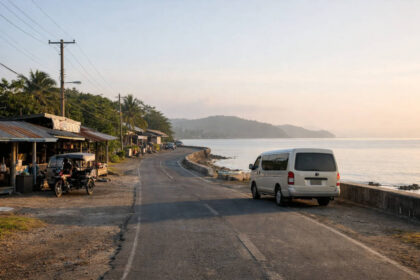
Leyte has a certain kind of quiet—especially after rain. The roads shine dark and clean, the greens look newly washed, and fog sits low on the hills like a soft shawl. It’s the kind of landscape that makes you breathe deeper without noticing you’re doing it. But Leyte isn’t only a nature reset. It’s also a place where history sits close to the everyday: memorial parks near the shoreline, plaques that ask you to pause, and paths that remind you that peace has a cost.
This guide is for travelers who want Leyte nature escapes that feel restorative, not rushed. We’ll blend waterfalls, lakes, and forest trails with WWII memorial sites—gently, respectfully, and with realistic logistics. You’ll get calm planning rules (weather reality, safety checks, and how to verify conditions), curated nature anchors like Lake Danao Natural Park (Ormoc) and Mahagnao Volcano Natural Park (Burauen/La Paz), and an approach to the MacArthur Landing Memorial National Park in Palo that feels human, not dramatic.
If you’re building a bigger Visayas route, it helps to browse a few foundational guides for flow and pacing—start with Travel Guides and sprinkle in practical habits from Tips and Inspiration.
Quick Orientation: Where Leyte’s Nature Clusters Are
Cluster 1: Tacloban and Palo for memorial paths and reflective starts
If you want to begin with context, Tacloban and nearby Palo are your easiest entry points for Leyte historical sites and nature planning. This area is where many first-time visitors experience the story of the Leyte Landing (Oct 20, 1944) and set a tone of respect before heading into greener, wilder spaces.
Cluster 2: Ormoc for lake days and a relaxed base
For an Ormoc nature trip Leyte style, Ormoc is a comfortable base: you can plan a gentle day at Lake Danao Natural Park (Ormoc) and choose nearby waterfall options depending on conditions and your energy. The pace here can be slow and satisfying—lake air, easy meals, early nights.
Cluster 3: Burauen / La Paz area for crater landscapes and forest trails
Mahagnao Volcano Natural Park (Burauen/La Paz) is a different mood: crater lakes, hot springs in some areas, and forest trails that feel like stepping into a cooler, older green. This cluster is best treated as a dedicated nature morning or a full day, depending on road conditions and weather.
Optional side quests (only if they fit your energy)
When you have extra time, you can add coastal viewpoints, short forest walks, or a slower food crawl in town. But this Leyte nature itinerary is intentionally curated: if you try to do everything, Leyte stops feeling like rest.
The Calm Planning Rules: Season Logic, Early Starts, and Rain Reality
Best season logic (without overpromising perfect weather)
Leyte is lush because it gets rain. That’s the beauty and the challenge. Instead of chasing an “ideal” season, plan for flexibility: choose a window that’s typically less storm-prone, then keep a backup list of gentler stops you can switch to if rivers rise or trails get slick. In this Leyte nature escapes guide, the goal is to reduce surprises—not pretend you can control the sky.
Early starts are your comfort upgrade
Start early for two reasons: calmer trails and safer water conditions. You also get softer light, cooler air, and more time to pause. Early mornings make Tacloban day trips nature feel peaceful instead of hurried, especially if you’re pairing nature with an afternoon memorial visit.
Cash, signal, and “don’t rely on Google at the trailhead”
Expect patchy signal in nature areas. Bring cash in small bills for entrance fees, guides, parking, and snacks. Download offline maps or save key notes and contact info before leaving town. These are quiet, unglamorous travel habits—but they’re central to safe Leyte nature escapes.
How to verify conditions with LGUs before you go
Because conditions change (especially after rain), confirm locally whenever possible: ask your accommodation, contact local tourism offices, or message the site/park contacts if available. For protected areas, rules can shift based on safety, rehabilitation, or weather. A good plan is a flexible plan.
Waterfall Safety and Etiquette, Philippines Edition
 The beginner rule: footwear first, photos second
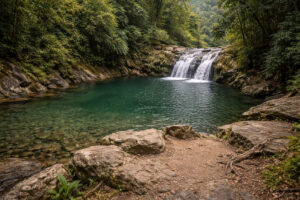
Which Leyte nature stops are easiest for first-timers (and what safety checks matter most)? For waterfalls, “easy” isn’t just about trail length—it’s about footing and river behavior. Wear grippy footwear (not slippery fashion sandals) and assume rocks are slick, even if they look dry. In Leyte waterfalls and lakes trips, most accidents happen because someone treated a wet rock like a regular floor.
River levels change fast—know the red flags
Watch for muddy, fast-moving water, sudden rises, debris flowing downstream, or rain upstream even if your sky looks clear. These are red flags that mean you should skip a stop and choose a safer alternative. In this Leyte nature escapes guide, turning back is not “sayang”—turning back is wisdom.
Kids, elders, and group pacing
If you’re traveling with kids or older companions, choose the most stable viewpoint and treat the waterfall pool as optional, not required. Set a meeting point. Keep snacks and water handy. The day should feel like relief for everyone, not a test of bravery.
Guides and local etiquette: ask, pay fairly, listen
Local guides aren’t just “extra”—they’re often the difference between a safe day and a stressful one. If a guide recommends skipping a route due to conditions, listen. Pay fairly, avoid loud music, and keep your trash secured. Leave No Trace basics apply even on “easy” trails.
Lakes and Crater Landscapes: Keep It Gentle
What to expect at lake stops
Lakes are the soft side of adventure: quiet, wide breathing space. But they’re also sensitive ecosystems. Avoid washing soap in the water, don’t feed wildlife, and follow protected area rules. Leyte nature escapes are more beautiful when you treat the place like someone’s home—because it is.
Crater lakes, hot springs, and forest trails: what not to do
In crater landscapes and hot spring areas, don’t wander off marked trails, don’t step into unknown hot pools, and don’t treat “steaming water” as a photo prop. If you’re hiking, keep steps small and steady; wet leaves and mud can turn a short trail into a slippery puzzle.
How to keep lake days restorative
Plan one main lake stop per day, then build in a slow lunch and a rest break. If you’re trying to combine lakes, waterfalls, and memorial sites, your energy is the real itinerary—protect it.
Nature Stops to Prioritize: Curated, Not Exhaustive
Anchor 1: Lake Danao Natural Park (Ormoc) for a calm reset
How do you visit Lake Danao and Mahagnao calmly (timing, pacing, weather reality)? For Lake Danao Natural Park (Ormoc), aim for morning arrival when the air is cooler and the lake feels quieter. Give yourself permission to do less: a short walk, a viewpoint, a snack break, then time to just sit. Lake Danao works best when you don’t treat it like a “stop”—treat it like a pause.
Because Lake Danao is part of a protected area system, follow protected area rules and respect closures or weather advisories. For park-related guidance and reminders, you can reference this protected area information page: Protected area info.
Anchor 2: Mahagnao Volcano Natural Park for crater mood and forest air
Mahagnao Volcano Natural Park (Burauen/La Paz) is where Leyte feels ancient—crater lakes, forest trails, and that cool, damp air that makes you want to speak softer. Visit early, pack a light rain layer, and keep expectations flexible: visibility can change with fog and rain, and trails can be slippery. A calm Mahagnao day is one where you move slowly, take fewer risks, and leave time for warm food afterward.
Waterfall option: Sayahan Falls (check access and conditions first)
Sayahan Falls is often named in lists of Leyte waterfalls and lakes, but access and conditions can vary. Treat it as a “maybe” until you confirm locally. Vibe note: when conditions are right, it can feel refreshing and bright; when conditions are off, it can be risky. Beginner-friendly depends on trail status—always verify.
Waterfall option: Masaba Falls (more adventurous days, guide-friendly)
Masaba Falls is commonly described as more of an adventure—meaning you should expect more uneven paths, more water crossings, or more time. If you’re new to waterfalls, choose this only when weather is stable and guides recommend it. In this Leyte nature itinerary, Masaba is a “go if conditions are good and you feel strong” choice—not a must.
Waterfall option: Gunhuban Falls (treat as conditions-dependent)
Gunhuban Falls is another example that can be beautiful but should never be approached with a “guaranteed” mindset. Conditions change, and local advisories matter. If you want the best waterfalls in Leyte for beginners, your best strategy is not chasing the most famous name—it’s choosing the safest trail on that specific day.
Beginner-friendly waterfall decision rule
Which Leyte nature stops are easiest for first-timers? The easiest waterfall stop is usually the one with: a clearly marked trail, stable steps or established path, minimal river crossings, and a local guide recommending it that day. If any of those are missing, consider switching to a lake or a memorial visit instead. That’s a calm, grown-up choice.
War Memorial Paths and Reflective Stops: Walking With Intention
 What is the Leyte Landing, and why it matters
What is the Leyte Landing, and how should first-time visitors experience the memorial site? The Leyte Landing refers to the historic return of Allied forces to the Philippines during World War II, commemorated in Palo at the MacArthur Landing Memorial National Park. The date often referenced is Leyte Landing (Oct 20, 1944). For many visitors, it’s a place to understand scale: the shoreline, the openness, and the weight of what happened here.
If you want an official historical registry reference to read before you go (or after you visit, when you’re processing), this page is helpful: NHCP registry: Leyte Landing.
How to walk the memorial area respectfully
Memorial sites ask for a different kind of presence. Speak softly. Keep music off. Avoid playful posing on statues or markers. If you’re traveling with kids, frame it gently: “This is a place where we remember people.” Read the plaques slowly. Look at the horizon and imagine what it looked like in 1944—then let yourself feel whatever you feel without performing it for photos.
What to notice beyond the obvious
Notice the quiet details: the names, the layout, the way the park faces the water. If you’re someone who journals, this is a powerful place to write one short reflection: what did you learn, what did you appreciate, what felt heavy?
How to Blend Nature Stops and Memorial Sites Without Rushing
The respectful, unrushed rule: one “awe” stop + one “reflection” stop per day
How do you blend nature stops with memorial sites in a respectful, unrushed way? I like a simple structure: one nature stop that fills you up, and one memorial stop that grounds you. Put a long meal or rest break between them. This keeps your day emotionally balanced—because yes, nature can be joyful, and history can be heavy. Both deserve space.
Pairing logic: cool-morning nature, afternoon memorial (or the reverse)
Option A: start early at a lake or waterfall while the air is cool, then head to a memorial site later when you can walk slowly and think.
Option B: begin at the memorial site early (quiet, minimal crowds), then do a nature stop after lunch for a softer finish.
Rest breaks are part of the itinerary (not a reward)
Build in a café stop, a merienda break, or even a “lie down for 30 minutes” block. If you’re forcing yourself to move nonstop, your Leyte nature escapes turn into another exhausting schedule—and that’s not the point.
A gentle note on tone: nature as relief, history as respect
This guide avoids turning memorial visits into dramatic content. You can be moved quietly. You can learn without performing seriousness. The goal is to leave both nature areas and memorial spaces better than you found them: cleaner, calmer, and treated with dignity.
Blending Day Design: Sample Day Schedules That Feel Calm
Day design 1: Lake morning + memorial afternoon
Morning: Lake Danao Natural Park (Ormoc). Arrive early, do a short walk, then sit—don’t rush.
Lunch: a simple meal in Ormoc (choose comfort food, not “best-of” hunting).
Afternoon: travel toward Tacloban/Palo and do a quiet walk at the MacArthur Landing Memorial National Park before sunset. Keep your pace slow and your phone away for part of the visit.
Day design 2: Memorial sunrise quiet + waterfall “if safe” mid-morning
Early morning: Palo memorial site when it’s quiet.
Mid-morning: choose one waterfall only if conditions are stable and local guidance says it’s safe.
Afternoon: rest, shower, and eat early. Your body will thank you.
Day design 3: Mahagnao full nature morning + slow town evening
Morning: Mahagnao Volcano Natural Park early (cooler trails, better pacing).
Lunch: warm food and hydration.
Late afternoon: easy town time—coffee, a market stroll, or an early night. Not every day needs two major stops.
Sample Itineraries That Prioritize Rest
Relaxed 2D1N: Tacloban/Palo + Ormoc loop
What’s a realistic 2D1N itinerary that prioritizes rest over rushing?
Day 1 (Tacloban/Palo): Arrive, settle in, then visit the MacArthur Landing Memorial National Park in Palo during a quiet hour. Read, walk, sit. Have an early dinner. Sleep.
Day 2 (Ormoc): Early trip to Ormoc, then Lake Danao Natural Park (Ormoc) as your main nature anchor. Keep it slow. If weather is stable and you still have energy, add a very easy waterfall stop only if locals recommend it. Return with buffer time—no last-minute sprints.
Relaxed 3D2N: adds one more nature day (or an optional side trip only if it fits)
What’s a realistic 3D2N itinerary that prioritizes rest over rushing?
Day 1: Palo memorial site + gentle Tacloban evening.
Day 2: Ormoc base + Lake Danao day (slow, restorative).
Day 3: Mahagnao Volcano Natural Park early, then a long lunch and travel back. If Mahagnao conditions aren’t good (rain, slippery trails), choose a safer alternative: a shorter forest walk recommended locally, a museum or town stop, or simply a slow café day. The itinerary works because it’s flexible.
For travelers who combine Leyte with ferry segments to nearby islands or return routes, it helps to review basics here: Philippines ferry travel guide and RORO routes.
What to Pack for Waterfalls and Lakes in Leyte
What to pack for waterfall and lake days in Leyte
What to pack for waterfall and lake days in Leyte? Keep it practical and weather-ready: grippy footwear, a light rain jacket, quick-dry clothes, and a towel. Bring a dry bag (or at least a zip pouch) for your phone and cash. Add a refillable water bottle, snacks, and sun protection even on cloudy days.
First aid basics that matter in wet places
Pack band-aids, antiseptic wipes, basic pain relief, antihistamine (for bites or mild allergies), and a small elastic bandage if you’re prone to ankle issues. These aren’t dramatic items—they’re the quiet backbone of safe Leyte nature escapes.
The “wet day” checklist: keep your essentials dry
Bring a spare shirt, a small plastic bag for wet clothes, and a phone power bank. Rain can drain both batteries and patience. If you want a broader packing mindset that still stays light, this is a good companion: 10 smart packing tips travelers should know.
Red Flags: When to Skip a Stop and Choose a Safer Alternative
What are the red flags that mean you should skip a stop?
Skip a waterfall or trail if you notice: muddy fast-flowing water, rising river levels, heavy rain upstream, fresh landslide debris, guides warning against entry, or a trail that feels unstable underfoot. Also skip if you’re already exhausted, dehydrated, or irritable—fatigue makes small risks bigger.
Safer alternatives that still feel like a “nature day”
If you need to pivot, choose: a lake viewpoint instead of a waterfall descent, a short forest walk instead of a long trail, or a scenic road stop with a warm meal. Leyte historical sites and nature travel doesn’t have to be extreme to be meaningful. Sometimes the safest choice is also the most peaceful.
Keep your whole trip safer with one mindset shift
Nature should feel like relief, not bravado. If you want a fuller safety mindset for the Philippines (without turning travel into fear), this guide is worth saving: Travel safety Philippines guide.
Frequently Asked Questions
How do you blend nature stops with memorial sites in a respectful, unrushed way?
Plan one “awe” stop (lake/waterfall) and one “reflection” stop (memorial) per day, with a long rest or meal between. Keep the memorial visit quiet and intentional—read plaques, walk slowly, avoid loud behavior.
Which Leyte nature stops are easiest for first-timers (and what safety checks matter most)?
Lake Danao is a gentle anchor for many travelers. For waterfalls, “easy” depends on trail conditions—choose places with clear paths and local guides recommending them that day. Prioritize safe footing, stable river levels, and daylight.
How do you visit Lake Danao and Mahagnao calmly (timing, pacing, weather reality)?
Arrive early, choose fewer activities, and build in sit-down time. Expect rain or fog and keep a flexible backup plan. Follow protected area rules and local advisories.
What is the Leyte Landing, and how should first-time visitors experience the memorial site?
Leyte Landing (Oct 20, 1944) marks a pivotal WWII event commemorated at the MacArthur Landing Memorial National Park in Palo. Visit quietly, read the context, and treat it as a place of remembrance rather than a photo set.
What’s a realistic 2D1N and 3D2N itinerary that prioritizes rest over rushing?
2D1N: Day 1 Palo memorial + early night; Day 2 Ormoc + Lake Danao. 3D2N: add a third day for Mahagnao or a second nature day, with flexibility for weather.
What to pack for waterfall and lake days in Leyte?
Grippy footwear, light rain layer, quick-dry clothes, dry bag, water, snacks, sun protection, and a small first aid kit.
What are the red flags that mean you should skip a stop and choose a safer alternative?
Muddy fast water, rising river levels, heavy rain upstream, unstable trails, official warnings, or guide advisories. Also: exhaustion—fatigue increases risk.
Closing: Let Leyte Be Quiet in You
Leyte doesn’t ask you to rush. It invites you to move gently—through green roads after rain, beside lakes that hold stillness, and along memorial paths that deserve quiet attention. If you plan your Leyte nature escapes with respect for weather, safety, and history, the trip becomes something deeper than sightseeing: it becomes a soft return to gratitude—alive, grounded, and unforced.