Kawasan canyoneering is often described as “waterfalls adventure,” but the best way to plan it is like a guided river trek with real variables: water level, crowds, travel time, and how comfortable the group is in moving water. This guide explains what happens step by step, who it suits (and who should skip), what to wear and bring, how to choose a reputable operator, and how to fit this canyoneering day into a Cebu itinerary without rushing.
For broader trip setup—routes, buffers, and expectations—review Philippines trip planning basics before locking in your dates.
At-a-Glance: Kawasan Canyoneering Planning Snapshot
Best time window: Drier months usually mean steadier water levels; rainy periods can trigger temporary suspensions. Plan with weather in mind and keep a backup day.
Realistic door-to-door time: From Cebu City, this is commonly a full-day commitment due to road travel. From the Moalboal area, it’s typically shorter, but still plan buffers for traffic and check-in.
Budget band: Expect a range depending on whether transport and meals are bundled. The safest approach is to pay for reputable guiding and properly maintained gear first, then optimize on extras.
Crowd/traffic risk: Weekends, holidays, and late-morning starts can mean queues at entry points and slower group flow on the river.
Heat/rain backup: If the route is suspended, switch to a calmer South Cebu day (coast time, viewpoint stops, or a falls visit without canyoneering) and move the activity to your backup day.
Reality check: Even on “easy” days, kawasan canyoneering involves slippery rocks and cold water—plan for bruises, fatigue, and a slower pace than photos suggest.
What Canyoneering Means at Kawasan
Simple definition: what “canyoneering” means
Canyoneering (also written as canyoning) is guided travel through a river canyon using a mix of walking on uneven rocks, wading, swimming, controlled sliding, and assisted downclimbs. Depending on the route and conditions, there may be optional jumps and short rope-assisted sections. In the Kawasan area, canyoneering is typically organized as a guided group activity where everyone moves in a controlled order.
What happens during kawasan canyoneering (step by step)
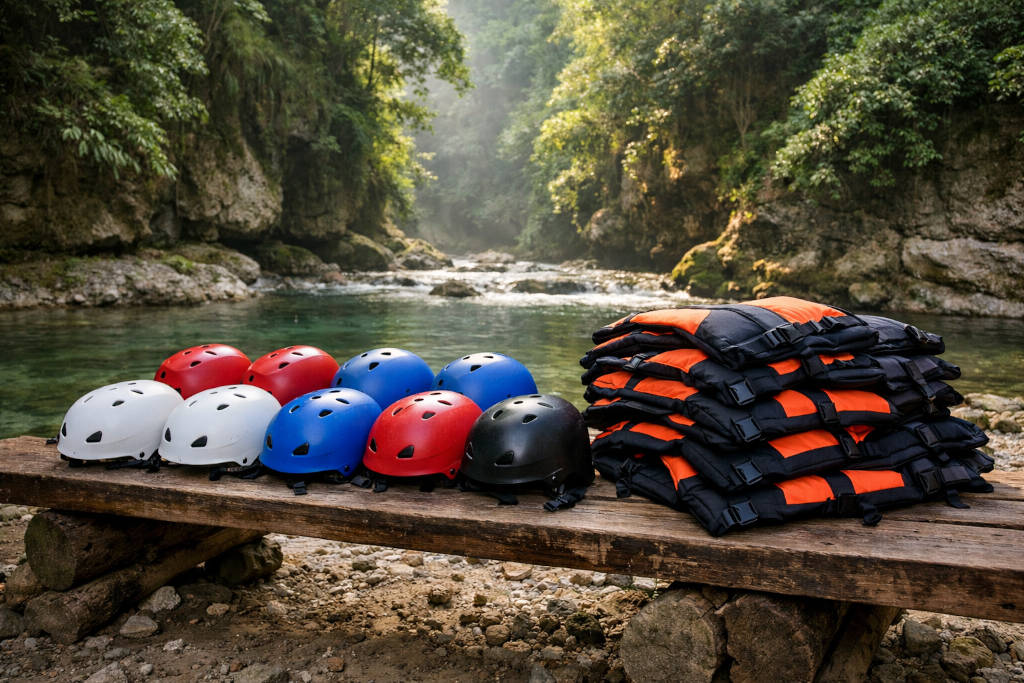
Most kawasan canyoneering itineraries follow a similar rhythm: check-in and waivers, gear fitting (helmet and life vest), a safety briefing, then a short approach walk to the river entry. Once in the watercourse, the route alternates between rocky walking sections, shallow pools, swim segments, and guided decision points for optional features (like jumps or slides). Some operators include a short rappel or rope assist where applicable—this depends on the day’s setup and the operator’s chosen route.
Throughout the canyoneering route, guides typically control spacing (who goes next), point out safe footholds, and direct swimmers to calmer lines. The goal is a steady, safe group flow rather than speed.
Optional jumps are optional (and should stay that way)
In reputable kawasan canyoneering operations, jumps are never “required.” There should be a clear jump alternative or bypass path. If a guide pressures anyone to jump, treat that as a safety red flag and choose the bypass option without debate.
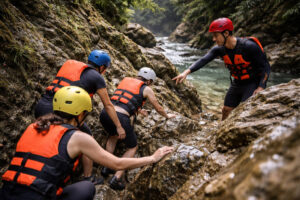 Reality check: The most common slowdowns on the canyoneering route are at popular jump points and narrow rock passages—time estimates can stretch on crowded days.
For quick background on the destination, see Kawasan Falls as a neutral reference (then focus your planning on the operator’s route rules and current conditions).
Who Kawasan Canyoneering Suits
Basic fitness (practical, not athletic)
Kawasan canyoneering suits travelers who can handle a few hours of movement with breaks: stepping up and down on uneven rocks, balancing on slippery surfaces, and getting in and out of water repeatedly. You do not need to be a runner, but you do need steady legs and enough stamina for a long activity window.
Comfort in water (with a life vest)
Kawasan canyoneering is most comfortable for people who can stay calm in water while wearing a life vest. Basic floating comfort matters because there may be swim sections, and panic increases risk even in shallow areas.
Ability to follow instructions
The safest guests in kawasan canyoneering are the ones who listen closely: wait for the guide’s signal, use designated footholds, and avoid rushing. If following rules feels stressful, this activity may not be a good fit.
Tolerance for cold water and wet time
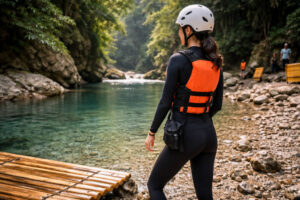 Even on warm Cebu days, river water can feel cold after repeated swims. Kawasan canyoneering suits travelers who can tolerate cold water for extended periods or who can manage it with appropriate clothing (rash guard, leggings, and anti-chafe protection).
Reality check: The “hard” part for many people is not a jump—it’s the constant wet-cold feeling plus friction from rocks and straps over several hours.
Who Should Skip or Think Twice
If you are a non-swimmer or panic in water
Even with a life vest, kawasan canyoneering is not ideal for non-swimmers who cannot stay calm in moving water. Some operators accept non-swimmers with extra support, but the safer default is to choose an alternative activity unless you’re confident you can remain composed in deeper pools.
If you have injuries, recent surgery, or chronic pain
Uneven rocks and sudden slips can aggravate knee, ankle, hip, back, or shoulder issues. Anyone with recent surgery, unstable joints, or injuries should skip kawasan canyoneering or get medical clearance first. If pain medication affects balance or alertness, that is another reason to avoid it.
If you have heart or respiratory issues
Cold water immersion, exertion, and adrenaline can strain the body. If you have heart conditions, uncontrolled high blood pressure, asthma that is easily triggered, or other respiratory concerns, skip kawasan canyoneering unless a clinician clearly approves it.
Pregnancy, severe vertigo, or panic around heights/water
Pregnancy is a strong “skip” for canyoneering due to fall risk. Severe vertigo, claustrophobia in narrow passages, or panic near heights/water also make kawasan canyoneering a poor match.
For kids and teens, minimum age rules vary by operator and can change, especially when water levels are higher. Always confirm the minimum age and any height/weight limits directly with the operator close to your date.
Reality check: If the idea of slipping—even once—feels unacceptable, it is better to skip kawasan canyoneering and still enjoy South Cebu in safer ways.
Best Time to Go, Crowds, and Weather Factors
Dry vs wet season planning
Kawasan canyoneering is highly dependent on river conditions. In drier periods, water levels are often more stable; in rainy periods, sudden rises can happen and routes may be suspended for safety. Use Philippines weather by month to choose a window with lower rain risk, then keep flexibility near your actual dates.
Time of day matters more than many people expect
An earlier start usually means cooler air, fewer queues at entry points, and smoother group pacing. A late start can place your group in the middle of peak flow, which can add waiting time at narrow sections.
Weekends, holidays, and group traffic
If your schedule forces a weekend, plan extra buffers for road traffic and for the route itself. Kawasan canyoneering on peak days may feel less “nature escape” and more like managed flow, especially at popular jump spots.
Reality check: “Good weather” can also mean “more people.” A slightly off-peak start can improve the experience more than any small savings on price.
How Long Kawasan Canyoneering Takes Door-to-Door
From Cebu City (full-day logic)
From Cebu City, kawasan canyoneering typically requires an early departure and a long road return. Drive times vary widely with traffic, roadworks, and pickup routes, so it’s smart to treat it as a full-day block and avoid stacking another major activity that night.
From Moalboal or the Badian area (shorter, but still a commitment)
From the Moalboal area, the road segment is shorter, which makes kawasan canyoneering easier to place into a South Cebu cluster. Even so, build time for check-in, briefing, gearing up, and post-activity cleanup.
On-route time vs total time
The canyon portion of kawasan canyoneering is only one part of the day. The total “felt time” includes gearing up, a safety briefing, waiting for other groups at bottlenecks, and recovery time after finishing. Plan at least a few hours of low-pressure time afterward—shower, food, and a slower ride back.
Reality check: The day can run longer than expected if water conditions change mid-day or if group pacing is slow—avoid tight deadlines like same-day flights or ferry cutoffs.
Typical Price Range and What Should Be Included
Common pricing bands (what changes the cost)
Pricing for kawasan canyoneering varies based on what’s bundled: guiding only, guiding plus lunch, guiding plus transport from Cebu City, or private vs shared transfers. As a planning baseline, expect a lower range for local meet-up packages and a higher range for packages that include long-distance transfers, meals, and add-ons like photographers.
Non-negotiable inclusions
At minimum, the price for this canyoneering day should include a trained guide, a helmet, and a properly sized life vest. A safety briefing should be standard, not optional. If an operator treats safety gear as an add-on fee, choose another provider.
Possible extras to budget for
Common extras include entrance/environmental fees (if applicable), lockers or dry-bag storage, photo/video services, tipping, and transport upgrades. To keep your overall spending balanced, compare your canyoneering day against sample Philippines travel budgets and decide where you want comfort—private transfer, better shoes, or an extra rest day.
Reality check: The cheapest this canyoneering day option can become expensive if it skips transfers you actually need, or if gear quality and guide ratio are weak.
Getting There and Choosing Your Best Base in South Cebu
Cebu City base: good for short trips, tougher for early starts
Staying in Cebu City works well if your trip is short or you want city conveniences. The tradeoff is distance: this canyoneering day requires a very early departure to avoid traffic and to reach the activity window comfortably.
Moalboal base: better for a South Cebu cluster
Moalboal is a practical base if you want to group South Cebu activities over multiple days. It reduces travel fatigue and makes it easier to reschedule kawasan canyoneering if weather changes, since you’re already nearby.
Public transport vs private transfer
Public transport can work for budget travelers, but it adds transfers and uncertainty. If you’re considering buses and transfers, read how to use public transport in the Philippines and be honest about your comfort with early queues, limited luggage space, and schedule variability.
If you’re connecting from Negros (for example via Dumaguete) and planning to route into Cebu, plan your sea crossing carefully using the ferry and RORO planning guide and avoid scheduling kawasan canyoneering right after a late arrival.
For neutral, local context on destinations and general tourism info, you can also reference Tourism in Cebu Province.
Reality check: South Cebu roads can be slow even when distances look short—buffer time is part of safe planning for this canyoneering day.
What to Wear for Comfort and Safety
Footwear: prioritize grip and foot protection
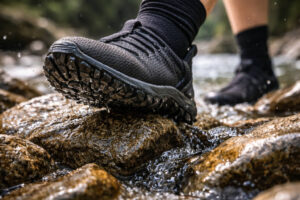 The best footwear for this canyoneering day is closed-toe water shoes or sturdy trail sandals designed for wet rock, with strong grip and secure straps. Avoid flip-flops and fashion sandals. If your shoe can slide off, it will eventually try to.
Clothing: protect from scrapes, sun, and cold
A rash guard or quick-dry top plus leggings (or fitted shorts) reduces scrapes and helps with sun exposure. Many travelers find that tighter, athletic fabrics are more comfortable under a life vest and less likely to snag on rocks during the canyoneering route.
Anti-chafe and hair/eyewear management
Use anti-chafe balm on known friction points (inner thighs, underarms, heel areas) before gearing up. Long hair should be tied securely. If you wear glasses, use an eyeglass strap so you don’t lose them in a swim segment.
Reality check: Comfortable clothing matters more than style here—wet fabric and rubbing straps can turn small annoyances into real discomfort during the canyoneering route.
What to Bring (Wet-Safe Essentials) and What to Leave Behind
Bring: small, wet-proof, and truly needed
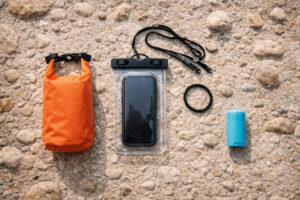 For this canyoneering day, pack as if anything you carry might get soaked. A practical list includes: a small dry bag or waterproof pouch, a change of clothes for after, a towel, water, small cash, and any essential personal medication in a sealed waterproof wrap. If you want a broader framework for different trips, use packing list for different trip types and adapt it to “wet activity mode.”
Leave behind: valuables and anything you can’t replace
Skip jewelry, expensive watches, and anything that becomes a problem if lost: passports, large cameras without waterproof housing, and unnecessary cards. Bring only what you can keep secure and dry, and confirm where items are stored during the canyoneering route (locker, operator storage, or guide-managed dry bag).
Waterproofing basics that actually work
If bringing a phone, use a waterproof phone pouch plus a tether, and test the seal before you start. Double-bag important items (one pouch inside another). Assume splashes and full dunking can happen during the canyoneering route.
Reality check: The most common “regret items” are a phone that wasn’t truly sealed and footwear that caused blisters—solve those first.
Safety and Guide/Operator Selection Checklist (Non-Negotiables)
Accreditation and briefing: start with the basics
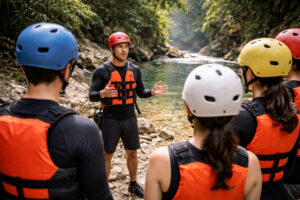 Choose an accredited guide/operator recognized locally (and ideally registered with relevant tourism bodies). A proper safety briefing should cover route rules, hand signals, spacing, jump alternatives, and what to do if someone is tired or anxious. Use this broader travel safety checklist for the Philippines mindset: verify before paying, and don’t treat safety as a “bonus.”
Helmet and life vest required, properly fitted
For this canyoneering day, a helmet and life vest should be required for everyone, not optional. Fit matters: straps should be snug, buckles should lock properly, and helmets should not wobble. If gear looks damaged, heavily cracked, or poorly maintained, walk away.
No pressure to jump, and clear jump alternatives
A reputable operator will clearly say: “No pressure to jump.” There should be a bypass route when a jump is offered. If a guest declines, guides should support that choice without teasing or delay tactics. This is a core safety culture signal in the canyoneering route.
Group size and guide ratio
Ask about group size and guide ratio before booking. Smaller groups generally move more safely and reduce waiting at bottlenecks. If the group feels too large for the guides to control spacing, the risk increases.
Clear weather and rising-water rules
Operators should have firm rules for weather changes: when to pause, when to turn back, and when to cancel. Because kawasan canyoneering depends on river levels, “pushing through” in heavy rain is not a flex—it’s a risk.
Valuables storage and incident plan
Confirm where valuables are stored, who can access them, and how they stay dry. Also ask what happens in an incident: first-aid readiness, evacuation steps, and how the operator communicates with local responders. Clear answers are a good sign; vague answers are not.
Reality check: The safest kawasan canyoneering experience usually costs a bit more because it pays for staffing, training, and maintained equipment.
Closures, Suspensions, and Condition Changes (How to Plan for Them)
Why routes can be suspended
Kawasan canyoneering routes can be suspended for safety due to heavy rain, rising currents, rockfall risk, or other hazards. Even if the morning starts sunny, upstream weather can change water conditions quickly.
How to plan around closures
Practical planning looks like this: check advisories close to your date, avoid building your entire Cebu trip around one fixed canyoneering slot, and keep a Plan B day. If possible, choose refundable options or operators with clear rebooking policies so your schedule stays flexible.
Plan B options that still make the day feel “worth it”
If kawasan canyoneering is temporarily closed, swap to a calmer South Cebu day: coastal stops, food trips, or a relaxed waterfall visit without the canyon route. This keeps your travel time productive and protects your budget from last-minute panic decisions.
Reality check: A closure is not a “ruined day”—it’s a safety decision. Planning a backup is part of doing this canyoneering route responsibly.
How to Fit Kawasan Canyoneering Into a Cebu Itinerary
Best bases: Cebu City vs Moalboal area
If you only have a short Cebu stay, a Cebu City base can work, but treat kawasan canyoneering as a full-day trip with a very early start and minimal night plans afterward. If you’re exploring South Cebu over multiple days, a Moalboal base is often easier for pacing and rescheduling.
For a wider view of what to pair across the island, see this Cebu travel guide (use it to balance high-effort days with recovery time).
Early start logic and travel time buffers
Early starts reduce road stress and help you hit the activity window before peak crowd flow. Build buffers: pickup delays, traffic, gearing up, and post-activity cleanup. If your schedule is tight, consider private transfers to reduce uncertainty for this canyoneering day.
What pairs well the same day vs what’s better the next day
Same-day pairings should be low-effort: a calm dinner, a short sunset stop, or an early night. Save demanding activities (long treks, multiple swim spots, or major transfers) for the next day. The body often needs recovery after kawasan canyoneering, especially if you’re not used to slippery-rock walking.
Simple sample day plan (planning-first)
Early morning: Depart your base early, arrive with time to check in calmly, use the restroom, and do a full gear fit.
Activity window: Safety briefing, river entry, then the guided canyon route with breaks as needed. Choose bypasses freely; treat “optional” as truly optional in kawasan canyoneering.
Recovery block: Dry off, change, eat a proper meal, and allow time for stiffness and fatigue before sitting on a long ride back.
Return: Head back with generous buffers so you’re not racing the clock, especially if you have an evening transfer.
If you’re building a bigger loop that includes ferries (for example, Cebu plus Bohol), use this Cebu and Bohol itinerary loop to avoid stacking a long transfer immediately after kawasan canyoneering.
Alternatives: visiting Kawasan Falls without canyoneering
If you skip kawasan canyoneering, it may still be possible to visit Kawasan Falls in a calmer way, depending on current access rules and local management. This option suits families with mixed fitness levels, non-swimmers, and travelers who prefer a low-risk nature stop. Plan for crowds at peak times and keep expectations realistic: it’s still a popular South Cebu destination.
Reality check: The itinerary that looks “full” on a map can feel exhausting in real life—protect your trip by scheduling recovery time around your canyoneering day.
FAQ: Kawasan Canyoneering, Answered Plainly
What does canyoneering mean at Kawasan?
At Kawasan, canyoneering means a guided canyon route that combines walking on wet rocks, wading, swimming, and controlled sliding or downclimbing. Some routes also include optional jumps and short rope-assisted sections, depending on the operator and conditions.
Is Kawasan canyoneering safe, and what are the real risks?
Kawasan canyoneering can be managed safely with reputable guides, proper helmets and life vests, clear rules, and responsible weather decisions. The real risks include slips on wet rock, impact injuries from jumps (especially if pressured), cold exposure, fatigue, and changing water currents after rain. “Safe” depends heavily on guide culture, group control, and conditions.
Who is it best for?
Kawasan canyoneering is best for travelers with basic fitness, comfort in water while wearing a life vest, and the willingness to follow instructions. It also suits people who can tolerate cold water and uneven footing for a few hours.
Who should skip it?
Non-swimmers who panic in water, people with injuries or recent surgery, anyone with heart/respiratory issues without clear medical approval, pregnant travelers, and people with severe vertigo or panic around heights/water should skip. Minimum age rules vary by operator and can change, so always confirm close to your date.
How long does it take door-to-door?
Door-to-door time depends on your base. From Cebu City, it is commonly a full-day schedule because road travel is long and traffic is unpredictable. From Moalboal or nearby South Cebu bases, the trip is shorter, but you still need time for check-in, briefing, the canyon route, and recovery afterward.
What’s the typical price range and what should be included?
Prices vary based on inclusions (guiding only vs guiding with transport and meals). At minimum, the package should include a trained guide, a helmet, and a correctly fitted life vest, plus a safety briefing and a clear policy on weather and optional jumps. Treat strong safety standards as a requirement, not an upgrade.
What should you bring and what should you not bring?
Bring wet-safe essentials only: a small dry bag or waterproof pouch, a change of clothes, towel, water, small cash, and essential medication in waterproof wrapping. Do not bring jewelry, passports, or expensive devices without reliable waterproof protection and secure storage.
What should you wear (and what footwear works best)?
Wear a rash guard or quick-dry top and leggings or fitted shorts for scrape protection. Footwear should be closed-toe water shoes or sturdy wet-grip trail sandals with secure straps. Avoid flip-flops and loose sandals that can slip off on wet rock.
How do you choose a reputable guide/operator?
Choose accredited operators with a clear safety briefing, mandatory helmet and life vest use, no-pressure rules for jumps, reasonable group sizes with good guide ratios, clear weather cancellation rules, and a transparent plan for valuables storage and incidents. Avoid providers who dismiss questions or pressure guests.
What if it rains or the route is temporarily closed?
Routes can be suspended for safety due to heavy rain, strong currents, or rockfall risk. Plan a backup day, check advisories close to your date, and prefer booking terms that allow rebooking or refunds when possible. If closed, switch to a lower-risk South Cebu day and move the activity to your backup slot.
Can you visit Kawasan Falls without canyoneering?
Often, yes—depending on current local access rules and management. This is the better choice for non-swimmers, families with mixed abilities, and travelers who want a calmer nature stop. Expect crowds at peak times and plan early if you want a quieter visit.
How do you plan it from Cebu City or a Moalboal base?
From Cebu City, plan an early start, treat it as a full day, and avoid tight evening schedules. From Moalboal, it’s easier to schedule and reschedule, but still build buffers for traffic, check-in, and recovery. In both cases, prioritize reputable guiding, proper gear, and flexible planning around weather.
If you’re still comparing options and pacing for the rest of your trip, browse more travel guides on Bakasyon.ph and build a schedule that protects rest time as much as it protects sightseeing time—especially around your canyoneering day.