Iloilo Fresh Flavors in a Day – Setting the Scene
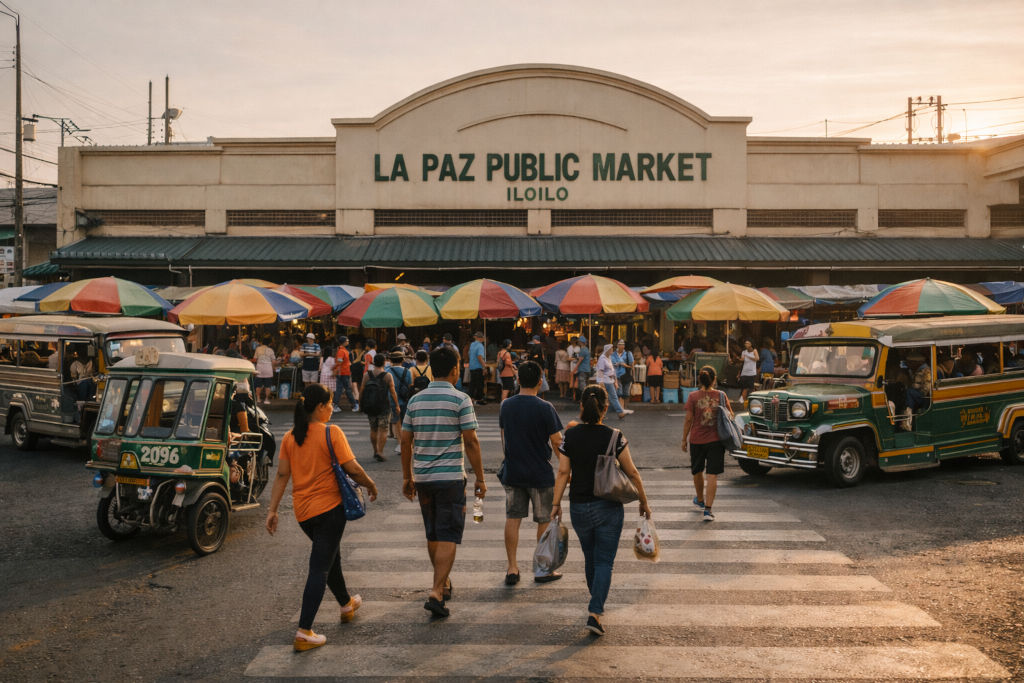
It’s just past 5 a.m. in Iloilo City and the air feels damp and soft, the kind of cool that clings to your jacket before the sun decides to crank up the heat. I’m standing outside La Paz Public Market with a canvas tote, a small notebook, and an empty stomach, watching tricycles weave around puddles and delivery trucks. Somewhere inside, crates of fish are being dragged over wet concrete, and a vendor is calling out, “Isda, bago pa! Ma’am, diri lang!”
Iloilo has long carried a quiet reputation as a food city—home of batchoy, pancit molo, KBL, laswa, and seafood that still smells like the sea. In 2023, Iloilo City was named a UNESCO Creative City of Gastronomy, and if you skim a bit of background on Iloilo City, you’ll see how food and history are braided together here. This story is my one-day experiment: can I follow Iloilo fresh flavors from palengke (public market) to plate, from fishport glisten to riverside dinner, and give you a route you can roughly copy?
Think of this as a narrative-led Iloilo food guide built around Iloilo fresh flavors. We’ll start in La Paz and Iloilo Central Market, slurp batchoy for breakfast, cross to Molo for pancit molo, peek into a carinderia kitchen at midday, then end on the Iloilo River Esplanade with seafood and city lights. Along the way, vendors, home cooks, and small restaurateurs will quietly show how Ilonggo cuisine works: not flashy, but fresh, precise, and deeply rooted in place. If you love this kind of story, you’ll probably want to explore more stories on Filipino food and culture and broader Filipino food culture stories across the islands after.
Morning in the Markets – Fish, Greens, and Noise
First light at La Paz Public Market
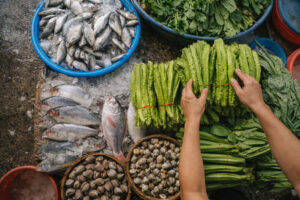 Step into La Paz Public Market and the light changes. Outside, it’s gray dawn; inside, it’s fluorescent, neon tarp, and the silvery glint of isda (fish) on ice. The floor is wet, slick with melted ice and yesterday’s rain, and you learn very quickly to watch your step.
Near one row of stalls, long metal tables are covered in freshly landed fish—bangus, tulingan, talakitok—as well as shellfish laid out in shallow plastic basins. Crabs scuttle, clams spit tiny streams of water, squid lie in soft piles. A kuya lifts a bangus and slaps it down on the scale: “Pila ka kilo, te?” How many kilos, sis?
“Fresh means gikan gid sa lawod subong,” one vendor tells me—“really just from the sea now.” She explains that many of them are here before 4 a.m., buying from wholesalers or fishport runners, arranging their displays before the sunrise rush of home cooks, carinderia owners, and restaurant buyers. By 7 or 8 a.m., the best fish is often gone, snapped up by suki (regulars) who know exactly which stall has the sweetest alimango today. For anyone chasing Iloilo fresh flavors, this is where the day truly begins.
Beyond the fish are neat piles of gulay (vegetables): kangkong, malunggay, okra, talong, ampalaya, and bundles of leafy greens that will become laswa, the simple Ilonggo vegetable soup that tastes like someone’s lola is taking care of you. You’ll see small green fruits that look like unripe guava—batuan or batwan, native souring agents—stacked next to tomatoes and onions. These are the quiet heroes of Ilonggo sour soups and KBL (kadyos, baboy, langka), the stew of pigeon peas, pork, and jackfruit that carries a gentle, fruity tartness you don’t forget. This mix of produce and coastal catch is one of the purest snapshots of Iloilo fresh flavors you’ll find.
La Paz Public Market is also legendary as the birthplace of batchoy; even the La Paz Public Market entry nods to its history. But for now, we just breathe in the salinity, the faint smell of bleach and rust from timbangan (weighing scales), and the wild orchestra of vendors calling out prices while a radio in the background plays 90s ballads.
Iloilo Central Market and the everyday pantry
Later in the morning, we move downtown to Iloilo Central Market. The vibe here is less fishport-adjacent and more everyday pantry. Stalls selling rice—different varieties weighed out into plastic bags—sit beside those selling tuyo and dried squid, native vinegar in reused bottles, soy sauce in giant plastic jugs, and stacks of eggs.
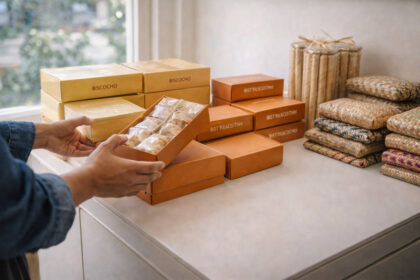
There are more dry goods here: spices, salt, sugar, coffee in plastic sachets, and those colorful biscuits and local cookies Ilonggos grew up with. You’ll see baskets of dried fish hanging overhead, their salty smell mixing with the sweet scent of freshly baked pan de sal and biscocho from nearby bakeries. It’s the kind of place where you catch aunties bargaining over half-kilos, kids weaving between stalls, and office workers sliding through to pick up a few ingredients before heading home later.
These markets—La Paz, Central, plus smaller barangay palengke—are the engines of Ilonggo cuisine and everyday Iloilo fresh flavors. This is where laswa vegetables, KBL pigeon peas, and pancit toppings quietly begin before they show up in bloggers’ “must eat” lists. For a deeper dive into how markets shape coastal food, especially in fishing communities, you might also enjoy reading fisherfolk food stories along the Philippine coast.
Coffee, batchoy, and market breakfasts
After weaving between wet aisles and vegetable stacks, breakfast is non-negotiable. In La Paz, that almost always means batchoy. We duck into a noodle house tucked close to the market, its formica tables shiny with years of spilled broth and wiped-down stories.
“Isa ka regular nga batchoy, te. Kag kape lang,” I tell the server—one regular batchoy and just coffee. Bowls arrive quickly: broth steaming, thin miki noodles hiding beneath pork slices, liver, sometimes other offal, topped with crushed chicharon (pork crackling) and chopped spring onions. A separate bowl of extra sabaw (broth) waits on the table, because of course you’re going to refill.
You can doctor your bowl with calamansi, a bit of soy sauce, maybe some chili. Ilonggos like to “customize” their batchoy—more broth, extra noodles, extra egg, or even “super special” versions loaded with toppings. A regular bowl might cost around ₱80–₱120, with coffee or native tsokolate adding another ₱30–₱60. Cheap for a bowl of history and comfort you can still see in the vendors’ handshake greetings and murmured “Na, suki ko na siya” (She’s my regular). It’s an early taste of Iloilo fresh flavors in their most classic form.
Stories in a Bowl – Noodles and Comfort Food
La Paz batchoy and its origin stories
Ask three people who invented batchoy and you’ll get five answers. In the noodle house, I ask the owner where their recipe comes from. She smiles, wipes her hands on an apron, and says, “Sa tatay ko pa. Sang una pa gid na. Gin-obra niya sa La Paz, gin-ubra man sang iban—amo na na.” (From my father, long ago. He cooked it in La Paz, others cooked their own—it became what it is.)
Her version simmers pork bones, offal, and aromatics for hours, skimming and tasting until the broth is rich but not cloying. “Dapat sakto lang ang alat,” she says—the salt must be just right. Too bland and it’s forgettable; too salty and it’s umay (overwhelming). She talks about regulars who’ve been coming for decades, how some still order the exact same timpla they did as students.
La Paz batchoy is where you feel Ilonggo cuisine in miniature: simple-looking, but each layer—broth, noodles, toppings, chicharon, garnish—carefully balanced. It’s also where you see how Iloilo fresh flavors aren’t just about seafood and vegetables, but also bones, offal, and every part of an animal turned into something comforting.
Crossing to Molo for pancit molo
Late morning, we ride to Molo district, passing plazas and old houses until the distinctive façade of Molo Church appears. The plaza smells of fried snacks and fresh bread; kids chase each other while older folks sit on benches, trading stories in Hiligaynon.
Molo is famous for pancit molo, a soup of dumplings (molo balls) floating in a chicken-based broth, often with strips of chicken and a sprinkle of spring onions. We walk into a small eatery near the plaza, the kind where trays of lumpia and empanada sit on the counter, and a big pot of soup gently steams behind glass.
Inside, a lola and her daughter fold dumplings by hand: thin wrappers filled with minced pork and aromatics, folded into little pouches. “Diri gid na naghalin ang pancit molo,” the lola says with a grin—this is really where pancit molo comes from. Compared to batchoy, pancit molo tastes gentler: no offal funk, just the clean, comforting flavor of chicken broth and tender dumplings. It’s Ilonggo comfort in another register and a softer expression of Iloilo fresh flavors.
A bowl sits around ₱70–₱110. Paired with baked goods from old neighborhood bakeries—pan de sal, Spanish bread, or ilonggo biscuits—it’s an easy, filling late-morning meal before you continue your Iloilo market-to-plate journey and keep chasing different versions of Iloilo fresh flavors.
Midday Kitchens – From Market Baskets to Karinderia Pots
Inside a carinderia or home kitchen
By midday, the sun is high, heat rising off the streets as jeepneys honk and tricycles wait at corners. We duck into a neighborhood carinderia—one of those simple eateries with stainless trays of ulam (viands) behind glass and handwritten price signs taped above.
Earlier in the morning, the owner was in the market buying ingredients. Now, those raw pieces have become lunch: KBL (kadyos, baboy, langka) in a big kaldero, laswa with greens and kalabasa in another, fried fish stacked on a tray, a pan of chicken inasal-style pieces marinating in annatto and calamansi, ready for the grill outside.
In the back, a small kitchen hums. Someone is rinsing newly arrived talong, another is topping up the laswa with more sabaw, tasting, adjusting salt. The smells—garlic, onion, vinegar, grilled chicken fat—mix with the bright tang of batuan in the KBL. A radio plays low, competing with the sizzling in a pan.
We order KBL, a piece of fried fish, and a small portion of laswa to share over rice. The owner smiles when I mention the markets we visited. “Ah, amo gid na. Kadlawon pa lang, ara na kami sa palengke,” she says—they’re at the market at dawn so lunch is truly lutong bahay (home-style) by noon. A plate of rice with one ulam might cost ₱70–₱100; a full spread with soup and two viands can still fit under ₱200 if you’re not ordering fancy drinks. It’s a very real, very affordable slice of Iloilo fresh flavors for everyday diners.
Talking flavor with Ilonggo cooks
Over lunch, I ask what makes Ilonggo food distinct. The cook answers without hesitation: “Simple lang, pero dapat sakto gid ang timpla.” Simple, but the seasoning must be exact. She talks about preferring natural souring agents like batuan over instant mixes, and native vinegar over heavy sauces. “Daw gusto namon makita ang lami sang isda, sang gulay. Indi natabunan.” We want to taste the flavor of the fish, the vegetables—to not cover it up.
That philosophy shows up in laswa’s clear broth, in kinilaw made with fresh fish and sharp vinegar, in chicken inasal that tastes of smoke, citrus, and garlic rather than bottled sauce. It’s also friendly to budgets; if you’re curious how days like this fit into a bigger savings plan, you can fold it into your own version of budget travel in the Philippines. This is the heart of Iloilo fresh flavors: clean, precise, and respectful of ingredients.
Iloilo River Esplanade – Fresh Flavors by the Water
Walking to the river in the late afternoon
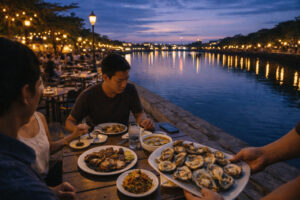 By late afternoon, the light softens and the city seems to inhale. We head to the Iloilo River Esplanade, where a long walkway traces the curve of the river. Joggers pass in brightly colored shirts, couples sit on benches, kids ride bikes like it’s their private racetrack. The air smells faintly of river water, grilled meat, and perfume as people stroll past.
On one side, the river reflects the sky; on the other, restaurants and cafés begin to wake up for the dinner crowd. Signs advertise seafood, Ilonggo specialties, and “paluto” (you pick the fresh seafood; they cook it the way you like). Windows glow warm as the sun dips and streetlights flicker on. This is where your morning’s impressions of Iloilo fresh flavors turn into full plates by the water.
Rivers, grills, and seafood plates
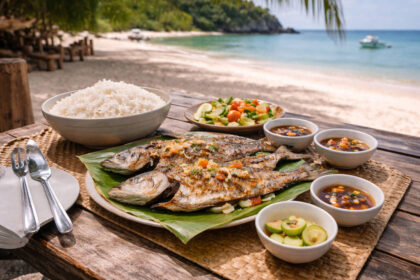
We choose a riverside spot with open-air seating. Inside, a glass case displays fresh talaba (oysters), fish on ice, and sometimes prawns or squid. You can order classic plates—grilled fish, garlic butter shrimp, kinilaw (Filipino ceviche)—or a mixed seafood platter for sharing.
The waiter leans over our table. “Talaba kamo, ma’am?” Oysters, ma’am? In Iloilo, the answer is almost always yes. A plate of fresh, steamed, or baked talaba might run around ₱150–₱300 depending on size and preparation. Grilled fish dishes might range from ₱220–₱400+, while a big shared platter lands somewhere higher but still feels reasonable, especially if split among barkada or family.
As the grill sizzles, you hear the slap of river water against the embankment. Street noise dulls; conversation slows into that contented, post-sunset hum. Garlic hits hot oil in the kitchen, someone at the next table laughs loudly, and a nearby table clinks bottles of beer. This is modern Ilonggo dining: grounded in the same fish and vegetables you met at dawn, but dressed up with city lights and riverside breeze. It’s a final, scenic chapter in a day dedicated to Iloilo fresh flavors.
What Makes Iloilo’s Fresh Flavors Distinct?
Key ingredients to watch for
Across the day, certain ingredients keep reappearing like favorite side characters:
- Batuan/batwan: Small green souring fruits that pop up in KBL and other soups; ask about them if you see a mysterious green fruit in your bowl.
- Leafy greens for laswa: Kangkong, malunggay, alugbati, squash leaves—all simmered just enough to stay bright and tender.
- Fresh fish and shellfish: From market piles to riverside talaba, fish and seafood maintain a starring role.
- Native vinegar: Used in kinilaw and everyday cooking; sharp but with character, not just generic sourness.
- Local breads and biscuits: Pan de sal, biscocho, barquillos, and old bakery favorites that quietly anchor snacks and merienda.
These ingredients are the backbone of Iloilo fresh flavors, showing up in different forms from breakfast to dinner.
Balancing heritage and modern plates
Iloilo’s food scene sits on a long, established base—carinderias, market noodle houses, family-run bakeries—while new restaurants reinterpret Ilonggo flavors with modern plating and settings. You can have traditional La Paz batchoy for breakfast, homestyle KBL for lunch, and a contemporary take on kinilaw or seafood pasta with batuan at dinner.
This balance between heritage and innovation is one reason Iloilo fits so well into wider Filipino food culture stories across the islands. It’s rooted enough that a lola would recognize the ingredients, but playful enough that younger chefs can experiment without losing the soul of Ilonggo cuisine. For visitors, it means there are endless ways to experience Iloilo fresh flavors, from sidewalk stalls to white-tablecloth dining rooms.
Build Your Own Market-to-Plate Iloilo Day
Simple route for first-timers
If you want to recreate this day, here’s a loose route you can follow and tweak based on your energy:
Early morning (5–8 a.m.): Start at La Paz Public Market. Wander the fish and vegetable sections, watch vendors arrange displays, and maybe buy small snacks or pasalubong-friendly items. Then sit down in or near the market for a bowl of batchoy and coffee—your first big dose of Iloilo fresh flavors for the day.
Late morning (9–11 a.m.): Head to Iloilo Central Market or another central palengke to see more of the city’s everyday pantry: dried fish, rice, vinegars, spices, and breads. Grab a quick snack if you like—baked goods, kakanin, or fruit.
Near noon to early afternoon: Make your way to Molo district for pancit molo and a walk around the church and plaza. If you have time, explore nearby streets and old houses. After lunch, rest in your accommodation or find a café to escape the hottest hours.
Mid-afternoon: Visit another neighborhood market or a carinderia; observe how trays of ulam are laid out and, if possible, chat with the cook about their morning market run. It’s another angle on how Iloilo fresh flavors move from raw ingredients to everyday plates.
Late afternoon to evening: Walk or ride to the Iloilo River Esplanade. Stroll the river, people-watch, then choose a riverside or bay-facing restaurant or grill for seafood and modern Ilonggo dishes as the sun sets.
Jeepneys and taxis can get you between these points; if you’re new to the city or traveling with family, taxis or ride-hailing make the day easier. The core areas—La Paz, downtown, Molo, Esplanade—are all within city reach; you’re not doing long provincial transfers today.
Rough budget and timing
For one person on a modest but comfortable budget, a full market-to-plate day might look like:
- Batchoy + coffee breakfast near La Paz: ₱120–₱180.
- Snacks from markets/bakeries: ₱50–₱150 spread over the day.
- Pancit molo + bread or small side: ₱120–₱200.
- Carinderia lunch plate (rice + 1–2 ulam) or merienda: ₱100–₱200.
- Riverside seafood dinner (oysters, shared dish, rice, drink): around ₱300–₱600 depending on choices and drinks.
- Local transport (jeepney, occasional taxi): ₱150–₱300 depending on distance and comfort choices.
All in, a day might land roughly between ₱900 and ₱1,600 per person, not counting accommodation or big splurges. For backpackers, swapping one sit-down dinner for another carinderia meal brings it down; for comfort travelers, adding more dishes or drinks brings it up. You can plug these numbers into your broader plans using guides like budget travel in the Philippines and adjust based on your style. However you tune it, think of this as your baseline budget for a full Iloilo fresh flavors day.
If you’re weaving Iloilo into a longer route through the country, this kind of day pairs really well with more detailed travel guides for other regions so you can build a multi-city itinerary that follows markets and fresh flavors all the way across the archipelago.
Market-to-Plate Iloilo FAQs
Which markets are best for visitors who want to see fresh ingredients and daily life?
La Paz Public Market is a must for its fish, vegetables, and batchoy history, while Iloilo Central Market gives you a good picture of the city’s everyday pantry—rice, dried fish, spices, and staple groceries. Smaller barangay markets are also worth a quick look if you pass them; they show neighborhood-level rhythm and another angle on Iloilo fresh flavors.
What are the must-try dishes if I only have one day?
If time is tight, aim for La Paz batchoy in the morning, pancit molo in Molo district, at least one carinderia-style dish like KBL or laswa for lunch, and talaba or another simple seafood dish by the river for dinner. That alone will give you a solid taste of Iloilo fresh flavors.
What time should I be in the market to see it at its liveliest, but not overwhelming?
Arriving around 6–8 a.m. is a sweet spot. You’ll see plenty of action—fish deliveries, serious shoppers, cooks buying for the day—without the most hectic pre-dawn crush. Later in the morning, some of the best fish may be gone and the heat becomes more intense.
Are Iloilo’s markets and riverside areas walkable, or do I need taxis/jeepneys?
Inside each area, you’ll mostly walk, but between districts, it’s more comfortable to ride. Jeepneys are cheap and abundant if you know the routes; taxis and ride-hailing are easier if you’re not familiar with local stops or are traveling with kids or older family members. The Iloilo River Esplanade itself is very walkable once you’re there.
What should visitors know about etiquette when taking photos or talking to vendors?
Always ask or gesture politely before taking close-up photos of people or their stalls. A quick “Pwede mag picture?” with a smile goes a long way. If you chat for a while, it’s a nice gesture to buy something small when you can. Be mindful not to block customers or pathways while snapping photos.
How can travelers with different comfort levels (budget, midrange, more comfort) experience Iloilo fresh flavors?
Budget travelers can lean on markets and carinderias—cheap, filling, and deeply local. Midrange travelers might mix carinderia lunches with sit-down dinners at riverside or modern Ilonggo restaurants. Comfort-focused travelers can ride taxis between spots, pick air-conditioned dining rooms or well-reviewed hotel restaurants that champion local ingredients, and still trace a market-to-plate arc. Whatever your style, the thread is the same: ingredients that started in the early-morning palengke ending up in your bowl by night, each stop offering its own take on Iloilo fresh flavors.
At the end of the day, Iloilo fresh flavors aren’t about chasing the fanciest restaurant—they’re about listening to the city’s rhythm. The scrape of fish crates at dawn, the clink of batchoy bowls at breakfast, the quiet focus of a lola folding dumplings in Molo, the swirl of river breeze and grill smoke at sunset. Follow that rhythm from market to plate, and Iloilo will feed you with stories as much as with food.