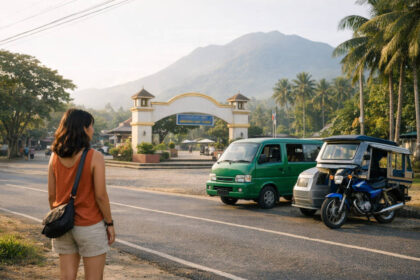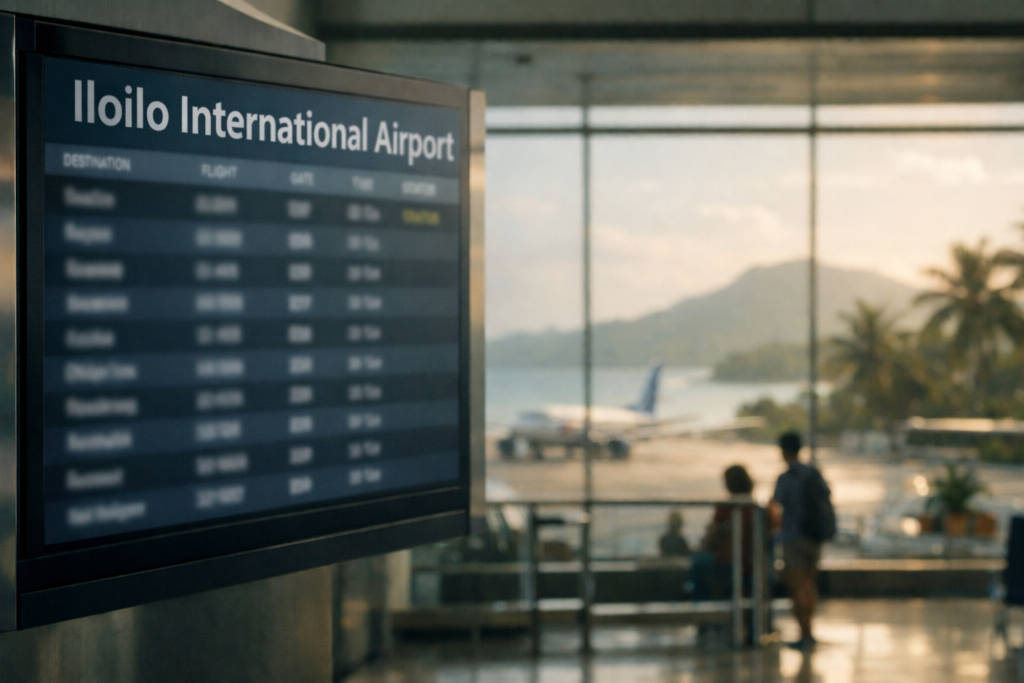
Planning Iloilo City To Siargao is mostly about choosing the route that matches your risk tolerance: flight seats can sell out, sea trips can be paused by weather, and “simple” connections can become tiring when delays stack up. This guide walks through your options with realistic door-to-door time ranges (including waiting), cost buckets, and low-stress habits you can use even when plans change.
If you want more calm planning content in the same vibe, save this for later: Tips & Inspiration.
At-a-Glance: What Usually Changes The Plan
Best time window: Months with calmer seas and fewer severe weather systems reduce ferry disruption risk, but flight delays can happen year-round.
Realistic travel time: Same-day travel is possible by air, but door-to-door time is longer than it looks once you add airport buffers and island transfers.
Budget band: Flights can be mid-to-high depending on sales and baggage; Surigao + ferry can be mid-range; mostly by sea is usually “cash-and-time heavy,” not always cheaper.
Crowd/traffic risk: Peak holidays and long weekends can mean long check-in and security lines, limited seats at terminals, and sold-out vans on arrival.
Rain/heat backup: If the forecast turns rough, protect your schedule by adding an overnight buffer in Cebu or Manila, or shifting to a mainland gateway only if sea conditions allow.
Reality Check: Schedules and routings change. Treat every plan as “valid until reconfirmed,” especially if you’re traveling during peak season or rough-weather months.
Quick Decision Guide For Iloilo City To Siargao
Fast decision guide: pick your route
 Use this as a quick filter before you look at exact schedules. After you choose a direction, you can verify flight times and ferry departures for your dates.
- Choose Option A (Flights, usually one stop) if you want the shortest same-day path and you can handle connection risk.
- Choose Option B (Mainland gateway + Surigao ferry) if flights to Siargao are full or canceled and you can shift to Surigao City, then cross by sea.
- Choose Option C (Mostly by sea) only as a backup when flight seats are unavailable and you can spare time and energy.
Low-stress default: For most travelers, flights with an early departure and a comfortable layover are the simplest way to plan Iloilo City To Siargao.
For a broader checklist mindset (IDs, buffers, and contingencies), keep this open in another tab: Philippines Travel Planning Guide.
Reality Check: The “best” option can change weekly because seat sales, aircraft swaps, and weather advisories can all shift what’s available.
Option A: Flights (Usually One Stop) Via Cebu Or Manila
 This is the most common plan: fly out of Iloilo International Airport (ILO) and connect via Cebu (CEB) or Manila (MNL) to Siargao’s airport. Arrival is typically at Sayak Airport (Siargao Airport), then you transfer by van or tricycle-style transport to General Luna or other towns.
Reality Check: When connections are tight, one delayed first leg can trigger a rebook that pushes you to a next-day arrival, so build your plan around “what if I miss this?” from the start.
Cebu vs Manila layover: which is lower stress
Cebu is often lower-stress because it’s a common hub for domestic transfers and can mean shorter total travel time, but it still depends on the day’s flight bank and how many flights operate to Siargao. Manila can offer more rerouting possibilities if something goes wrong, but it can also mean longer airport time, terminal changes, or heavier crowding during peak periods.
- If you prefer fewer “moving parts”: favor itineraries with a single terminal flow and a longer layover.
- If you prefer more backup options: Manila can be easier to rebook from, at the cost of extra friction.
Answering a common question: Is there a direct flight from Iloilo City to Siargao right now, or is it usually one stop? Most dates are usually one stop. Direct routes can appear seasonally and disappear later, so verify your specific dates before committing lodging and tours.
Realistic time and cost via flights
Door-to-door time (Iloilo City to General Luna): commonly 7 to 12 hours on a smooth day, including buffers and the airport-to-town transfer. If a delay forces a long wait or a rebook, plan for 12 to 20+ hours and consider an overnight in Cebu or Manila.
Cost range (one-way, per person):
- Airfare base fare: can range widely depending on promos and demand (often roughly PHP 2,500 to PHP 10,000+).
- Add-ons: checked baggage, seat selection, and some payment fees can add PHP 400 to PHP 2,500+ depending on weight and airline rules.
- Iloilo ground transfer (City to ILO): often PHP 300 to PHP 800 depending on vehicle type and time of day.
- Siargao ground transfer (IAO to General Luna): commonly PHP 300 to PHP 600 for shared options, higher for private rides, and you may wait for a van to fill.
Minimum layover time that feels comfortable: aim for 2 to 3 hours if you have checked baggage or if your first flight is prone to delays. If you’re traveling during peak weeks, stretching that to 3 to 5 hours can protect your day.
Reality Check: “Cheapest fare” can become expensive if it forces a risky connection and you end up paying for last-minute lodging and meals during a rebook.
Option B: Mainland Gateway Plus Ferry (Surigao City → Dapa Port → General Luna)
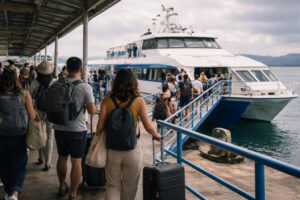 This is the most practical fallback when flights to Siargao are full, too expensive, or paused due to weather. The idea is: get yourself to Surigao City, take a ferry to Dapa Port on Siargao, then ride onward to General Luna.
For a broader overview of how buses, vans, and ferry terminals typically work in the Philippines (and what usually slows people down), keep this handy: Philippines Public Transport Guide.
Reality Check: This route only works when seas are passable. If there are advisories for rough conditions, it’s safer to pause and protect your trip than to force a crossing.
How the Surigao + ferry fallback works
Step 1: Reach Surigao City. Common ways include a flight to a nearby airport (depending on what’s operating for your dates) plus a land transfer by van/bus/taxi to Surigao City proper. Some travelers route through Cebu or Manila first to access more flight choices to Northern Mindanao or Caraga-area gateways.
Step 2: Surigao Port to Dapa Port. You’ll typically check in early, pay any required port fees, then board a fast craft or ferry to Siargao. Arrival is at Dapa Port.
Step 3: Dapa Port to General Luna. Shared vans are common; you may wait for seats to fill, especially outside peak hours. Private hires can reduce waiting but cost more.
Destination context: If you’re building a simple “why I’m going” plan around beaches, surfing, and island hopping, skim this quick background first: Siargao Island Overview.
Time and cost ranges for Surigao + ferry
Door-to-door time (Iloilo City to General Luna): commonly 12 to 20 hours if everything lines up the same day. If you need to wait for the next ferry departure, or if weather pauses sailings, plan for 18 to 30+ hours and consider a night in Surigao City.
Cost buckets (one-way, per person):
- Flight(s) to a gateway: highly variable, but often similar to or slightly lower than flights straight to Siargao depending on seat sales.
- Land transfer to Surigao City: depends on distance and whether you share a van; keep a flexible buffer for last-minute changes.
- Ferry ticket Surigao City → Dapa Port: varies by class/seat type; plan a range and bring extra for upgrades if standard seats sell out.
- Port fees: often small but paid in cash; keep small bills ready.
- Dapa → General Luna transfer: shared vans are usually the simplest; private rides cost more but reduce waiting.
Reality Check: The friction is not just the ferry ride, it’s the waiting: check-in cutoffs, boarding queues, and the “last mile” from Dapa to General Luna.
Option C: Mostly By Sea (Iloilo → Cebu → Surigao → Dapa)
This is the “no flight seats” backup plan some travelers consider: take a ferry from Iloilo to Cebu, continue by sea toward Surigao City, then ferry across to Dapa Port and transfer to General Luna. It can look budget-friendly on paper, but time, fatigue, and weather risk are the real costs.
Reality Check: If you get seasick, struggle with long waiting time, or need to arrive by a specific hour, this route can be physically and mentally draining, especially if sea advisories interrupt departures.
Mostly by sea: reality checks, time, and cost
Door-to-door time (Iloilo City to General Luna): commonly 24 to 40+ hours, depending on sailing schedules, overnight timing, and how long you wait between legs. If a sailing is canceled due to weather, the timeline can stretch further.
Cost buckets (one-way, per person): ferries plus port fees plus meals can add up. You may spend less than an expensive last-minute flight, but often not by as much as people expect once you count multiple tickets, transfers, and “buffer meals” during long waits.
- Where it can make sense: you have flexible dates, you can rest between legs, and you’re treating it as a backup, not a tight schedule plan.
- Where it often fails: you have fixed check-in dates, must-do tours, or limited energy for overnight terminals.
Door-To-Door Time Planner (With Waiting And Buffers)
If you only look at flight time or ferry time, Iloilo City To Siargao can feel deceptively quick. The calmer plan is to build a door-to-door timeline that includes every wait, every line, and every transfer.
Reality Check: “Small” delays compound. A 30-minute late departure can turn into a missed connection, which turns into a next-day arrival.
Build your timeline: all the hidden waiting
- Iloilo City → Iloilo International Airport: often 30 to 75 minutes depending on pickup point and traffic. Add extra time during early morning rush or holiday exits.
- Airport early arrival buffer: 2 to 3 hours is a safer planning range for domestic flights during peak periods (check-in lines and baggage drop can move slowly).
- Check-in + security + walk to gate: commonly 45 to 120 minutes depending on crowding.
- First flight leg: schedule-dependent; add 15 to 45 minutes “real life” buffer for late boarding or air traffic holds.
- Layover: ideally 2 to 3+ hours for lower stress, especially with checked baggage.
- Second flight leg to Siargao: then 15 to 45 minutes for deplaning and baggage claim.
- Sayak Airport → General Luna: often 45 to 90 minutes depending on where you’re staying and whether you’re waiting for a shared van to fill.
Getting to Iloilo International Airport: if you’re deciding between taxi, ride-hailing (where available), or point-to-point vans, this local guide helps you estimate time and friction: How To Get Around Iloilo City.
Lowest-stress timing and overnight buffers
- Choose earlier departures whenever possible. Early flights have more “daylight runway” to recover from delays.
- Avoid same-day late arrivals if you’re unfamiliar with the area or if your accommodation check-in is strict.
- If you have a must-do activity (surf lesson, island hopping, a paid tour), aim to arrive one day early so a delay doesn’t erase your plan.
- Overnight buffer tip: if you see repeated tight connections for your dates, it can be calmer to overnight in Cebu or Manila and fly to Siargao the next morning.
If you decide to add a buffer day before leaving, you can turn it into a gentle reset instead of “wasted time.” Here’s a planning-friendly option: Iloilo City Itinerary With Buffers.
Cost Breakdown: What You’ll Pay And What Drives Price
The easiest way to budget Iloilo City To Siargao is to separate the cost into buckets. Your base fare can look affordable, then baggage, transfers, and last-mile rides quietly add up.
Reality Check: Promos mostly affect the base fare. If you need checked baggage, the “real price” can still be mid-range even when the fare is on sale.
Cost buckets and what drives price
- Airfare base fare: moves with season, how early you book, and remaining seat inventory. Peak weeks and last-minute buys can spike fast.
- Add-ons: checked baggage (and heavier tiers), seat selection, and possible payment fees depending on airline and method. Prepaying baggage is often cheaper than paying at the airport.
- Transfers in Iloilo: city-to-airport rides, plus snacks and small purchases during long waits.
- Transfers in Siargao: airport-to-General Luna shared van or private ride, plus possible waiting time that may push you to buy food or data.
- If using Surigao + ferry: land transport to Surigao City, ferry ticket class, port fees, and Dapa arrival transport onward.
Sample budgets and cash notes
These are planning ranges, not guaranteed prices, use them to avoid surprises:
- Lean (promo timing, carry-on only, shared transfers): roughly PHP 3,500 to PHP 6,500 one-way.
- Typical (average fare, some baggage, shared transfers): roughly PHP 6,500 to PHP 12,000 one-way.
- High (peak season, last-minute, checked baggage, private transfers): PHP 12,000 to PHP 20,000+ one-way.
Cash reminders: many airport fees are already bundled into airline tickets, but ports and small terminals may collect separate charges. Keep small bills for port fees, snacks, and quick rides, especially when ATMs are busy or offline.
Tickets, Screenshots, And Terminal Friction (What To Save And Expect)
For Iloilo City To Siargao, your “low-stress kit” is mostly digital: what you save on your phone matters when signal is weak, batteries die, or support chats take time.
Reality Check: The most common travel-day stress is not the flight itself, it’s the line, the rule you didn’t expect, or the confirmation you can’t find when you need it.
Where to buy and what to save
Flights: booking direct with the airline is often easier when you need changes or refunds because you deal with one support system. Reputable booking platforms can be helpful for comparing routings, but changes may route through the platform’s policies and response times. Choose based on your comfort with rebooking friction.
Ferries: prefer official operator channels or widely used ticketing platforms where possible. Weather can shift departure times, so keep checking for updates on the day of travel and avoid stacking tight connections after a sea crossing.
Screenshot/save checklist (phone-friendly):
- Full itinerary with dates and times (all legs)
- Booking reference / PNR
- Passenger name spelling (must match your ID exactly)
- E-ticket QR code (if provided)
- Proof of payment / receipt
- Baggage add-ons confirmation and the page showing weight allowance
- Customer support numbers/chat links and the refund/rebook policy page
- For ferry legs: terminal name, departure gate/area, and latest check-in cutoff (if shown)
Luggage rules and terminal friction in the Philippines
Typical baggage patterns (domestic): low-cost carriers often weigh hand carry more strictly, especially when flights are full. Liquids rules apply, and power banks should stay in your carry-on (not checked). If you think you’ll shop or bring gear, prepay checked baggage early, airport counters can charge more and add queue time.
Terminal friction points to plan for:
- Peak-hour lines: check-in and security can stretch during holidays and long weekends.
- Limited seats and food: smaller airports and ports can have limited options, so eat beforehand and keep a snack.
- Cash needs: small fees, quick meals, tricycle-style rides, and port charges may be cash-only.
- Siargao arrival transport: airport transfers are often shared vans or tricycle-style arrangements depending on time and demand; you may wait for a van to fill before leaving.
Weather Risk, Backups, And Safety
Siargao sits on the eastern side of the Philippines, so weather can affect both flights and sea crossings. Your calm plan is to build flexibility into the schedule, not to “push through” rough conditions.
Reality Check: When ferries are paused due to sea conditions, it’s not a customer service problem, it’s a safety call. The safest plan is the one that accepts waiting as part of island travel.
Weather and backup playbook
Higher risk periods: delays tend to increase during months with more frequent storms and strong winds. In the Philippines, that often includes the broader typhoon season (roughly mid-year to late-year) and windy monsoon periods that can roughen seas. For month-by-month planning habits (and what to watch in forecasts), use: Philippines Weather Travel Guide.
If your first flight is delayed and you might miss a connection:
- Contact the airline or agent as soon as you see the delay (don’t wait until you land).
- Ask to be rebooked to the next available routing to Siargao, and request options that arrive earlier in the day.
- If the next routing is next-day, consider overnighting in Cebu or Manila near the airport for a simpler morning reset.
If flights to Siargao are canceled due to weather:
- Consider rebooking to a nearby mainland gateway and using Surigao City + ferry only if sea conditions allow and sailings are operating.
- If seas are also rough, the safest move is to wait it out and protect your body and budget.
If you must arrive by a certain date:
- Schedule arrival a day early.
- Pick flights with longer layovers rather than risky tight connections.
- Book accommodations with flexible terms when possible, so you’re not forced into unsafe decisions.
Packing for disruptions: power bank, snacks, water, a light jacket, offline copies of tickets, and a small cash buffer for food and unexpected rides.
Late arrivals and safety for Iloilo City To Siargao
 If you arrive late in Siargao, how do you get to General Luna safely? If it’s already evening, prioritize official or accommodation-arranged transport, and avoid rushing into unfamiliar rides. Shared vans may be fewer late at night; if you’re uncomfortable, consider waiting for a more secure option or coordinating a pickup in advance. For practical safety habits (contacts, transport choices, and what to do if something feels off), keep this bookmarked: Travel Safety Philippines Guide.
FAQ
Is there a direct flight from Iloilo City to Siargao right now, or is it usually one stop?
It’s usually one stop via Cebu or Manila for many dates. Direct routes can appear seasonally, so always verify for your exact travel week before locking bookings.
Which is lower stress for Siargao: layover in Cebu or layover in Manila?
Cebu often feels simpler for domestic transfers, while Manila can offer more rerouting possibilities if something breaks. Choose the itinerary with the longer, safer layover and earlier arrival time.
How many hours is realistic door to door from Iloilo City to General Luna?
By air on a smooth day, often 7 to 12 hours. With long delays or ferry fallbacks, it can extend to 12 to 30+ hours depending on waiting and weather.
How much should I budget for transfers on both ends?
Plan a combined range of roughly PHP 600 to PHP 1,400 for shared transfers (Iloilo City to ILO plus Sayak Airport to General Luna), and more if you choose private rides or arrive at odd hours.
What do I need to screenshot or save after booking?
Save the full itinerary, PNR/booking reference, exact passenger name spelling, QR codes, receipts, baggage allowance page, support contacts, and ferry terminal/check-in details if you have sea legs.
What are the usual hand carry and checked baggage rules?
Hand carry may be weighed strictly on low-cost carriers; liquids rules apply; power banks stay in carry-on; prepaid checked baggage is often cheaper than counter rates. Always confirm your airline’s current limits for your booking.
What minimum layover time is comfortable?
Aim for 2 to 3 hours as a planning baseline, longer during peak season or if you’re checking baggage.
What is the best backup route if flights are canceled?
Rebook to the next available flight first. If cancellations persist, consider a mainland gateway plus Surigao City → Dapa Port ferry only when sea conditions and ferry operations are confirmed.
Where do I pay terminal fees and what should I prepare in cash?
Many airline terminal fees are bundled into your ticket, but ports and some terminals may have separate charges. Bring small bills for port fees, snacks, and short transfers.
What time of year has higher risk of delays for Siargao?
Risk rises during stormier months and windy periods that affect both flights and ferries. Check forecasts close to travel and avoid stacking tight, same-day connections in those seasons.
Should I overnight in Cebu or Manila to reduce risk?
If your itinerary forces tight connections or late-night arrivals, an overnight can reduce stress and protect must-do plans. It’s especially useful when weather looks unstable.
One last Iloilo note: if you’re building a buffer day (or you want a calmer lead-in before island time), browse these local ideas and transport references: Iloilo Travel Guides.
When you plan Iloilo City To Siargao with realistic waiting time, cash for small frictions, and a safety-first backup route, the whole trip feels lighter. Island travel works best when you let the schedule breathe, then even a delay becomes a pause, not a disaster.