If you’re planning Iloilo City to Bacolod, the “best” option is usually the one that keeps your day predictable: clear terminal steps, enough buffer time, and a backup if sea trips slow down. This guide lays out the three practical ways to cross, with realistic door-to-door timing (city transfer, waiting, boarding, travel, disembark, and last-mile), what to screenshot on your phone, and the common points of friction that surprise travelers.
If you’re building your first inter-island plan, it helps to think in door-to-door blocks (not just “travel time”). This early-planning approach is also covered in the Philippines travel planning guide for first trips, especially if you’re coordinating meetups, check-in windows, or appointments.
At-a-Glance: Iloilo City to Bacolod Planning Snapshot
Best time window: Dry months are typically calmer for sea travel, but even in dry season, wind and port operations can change schedules. Re-check on travel day.
Realistic door-to-door: Fast Craft (Lapuz to Bredco) often lands around 3 to 4.5 hours door-to-door; Dumangas routes often 4 to 6 hours depending on transfers and queues; flight workarounds can be half-day to full-day once you add airport time and connections.
Budget band: Plan a mid-range day-trip budget (ticket plus terminal fees plus local rides plus snacks). Keep extra cash for last-minute changes.
Crowd risk: Higher on weekends, paydays, holidays, and festival periods in Iloilo or Bacolod. Morning departures can fill up first.
Weather risk: Moderate year-round; higher during strong monsoon days and when there are active weather disturbances.
Backup plan: If you have a hard deadline in Bacolod, aim to travel earlier than you think you need, and keep an overnight option on the table.
Reality Check: The crossing itself can be fast, but the stress usually comes from queues, cutoffs, and last-mile rides. Your buffer is what turns this into a calm travel day.
Option Overview: The 3 Practical Ways to Go From Iloilo City to Bacolod
Fast Craft From New Iloilo Ferry Terminal to Bacolod Bredco Seaport
This is the classic choice for most travelers: a Fast Craft ferry from New Iloilo Ferry Terminal in Lapuz to Bacolod Bredco Seaport. It’s direct, usually the simplest to explain to a driver, and often the easiest to schedule around hotel check-ins. The tradeoff is that it’s still sea travel—so wind and port conditions can affect departures.
Via Dumangas Port for RoRo or Vehicle-Friendly Trips
Dumangas Port sits outside central Iloilo City and can be a better fit when you’re traveling with a vehicle, coordinating with drivers, or aiming for a route that matches your cargo or boarding needs. Because you’re adding a land transfer from the city to Dumangas, this option rewards travelers who prefer more flexibility and don’t mind extra steps if it keeps the plan stable.
Flight Option: When It Exists, Why It Is Often Indirect, and How to Decide Fast
A flight can sound like the “no seasickness” answer, but in practice, Iloilo and Bacolod flights are often limited, seasonal, or indirect once you factor in connections. Even when an itinerary exists, door-to-door time can expand quickly because airports require earlier arrival, and delays can ripple across connections. This is usually a “choose it only if it truly simplifies your day” option.
For a broader sense of what to expect with terminals, queues, and payment realities across the Philippines, keep the Philippines public transport guide bookmarked for quick reference.
Reality Check: Many people underestimate the “hidden hours” (getting to ports, check-in cutoffs, and finding transport after arrival). Plan the day as a chain of small trips, not a single crossing.
Quick Comparison Table: Time, Cost, Stress Level, Best For
| Option | Realistic Door-to-Door Time | Typical Cost Pattern | Stress Level | Best For |
|---|---|---|---|---|
| Fast Craft (Lapuz to Bredco) | 3 to 4.5 hours | Ticket + terminal fees + last-mile rides | Low to Medium | First-timers, simple day plans, light to medium luggage |
| Dumangas Port (RoRo or passenger ferry) | 4 to 6 hours | City-to-port transfer + ticket + fees + last-mile | Medium | Vehicle trips, flexible schedules, travelers who prefer RoRo logistics |
| Flight workaround (often indirect) | 6 to 12+ hours | Airfare + airport transfers + baggage fees | Medium to High | Those avoiding sea travel, only if itinerary is truly efficient |
Best option for first-timers
The Fast Craft route from New Iloilo Ferry Terminal in Lapuz to Bacolod Bredco Seaport is usually the most straightforward: direct, familiar to locals, and easier to explain to drivers and hotel staff.
Best option with heavy luggage
If you have heavy luggage, pick the route that reduces transfers. That often means Fast Craft (one port on each side) plus a direct taxi or ride-hailing pickup after arrival. If you’re carrying multiple bulky bags, consider traveling earlier to avoid rushing through queues.
Best option with a vehicle
Dumangas Port is commonly considered for RoRo and vehicle-friendly plans, because the workflow is designed around vehicle queuing, paperwork, and marshaling. Your stress level drops when you plan the queue time as part of the trip.
Best option if you hate sea travel
Check if a flight itinerary exists that day and compare door-to-door time honestly. If flights are indirect or poorly timed, your lowest-stress choice may still be sea travel—just with motion-sickness prep, a calmer seating plan, and a bigger buffer.
Reality Check: “Cheapest” and “fastest” can change by date and time. Always compare options using your actual departure window and your tolerance for waiting in terminals.
Option 1: Fast Craft Ferry
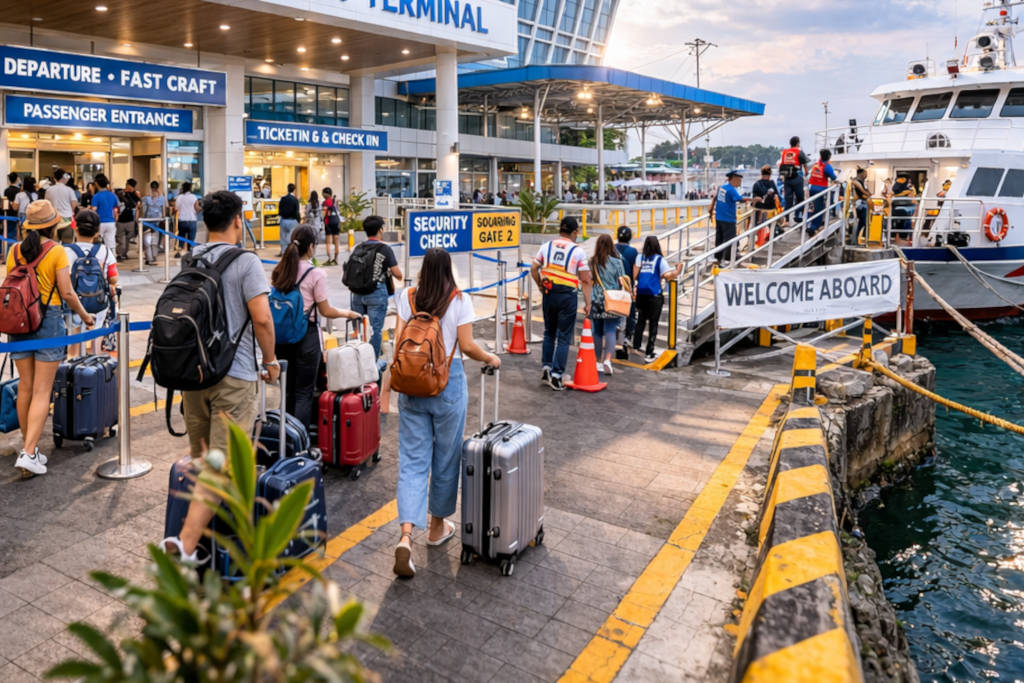
Step-by-step: getting to the terminal, check-in, boarding, and arrival
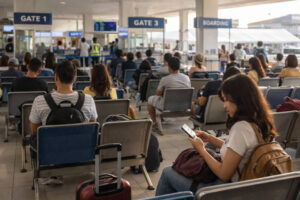 1) Get to New Iloilo Ferry Terminal in Lapuz. If you’re coming from Iloilo City center, plan for traffic and loading time (especially mornings and late afternoons). If you’re unsure which local ride is simplest for your area, skim How to get around Iloilo City and choose the option that lets you arrive with enough buffer.
2) Find the right operator counter or e-gate. Terminals can have multiple lines (ticketing, reprinting, baggage tagging, terminal fee). Don’t assume one queue covers everything—look for signage, and ask staff which step is first for your ticket type.
3) Pay terminal fees (if required on-site) and keep the receipt. Some fees are separate from the ticket. Keep small bills ready to avoid delaying yourself in line.
4) Check-in and baggage tagging. If you have check-in luggage, staff may weigh it and tag it. If you’re carrying everything, you may still be asked to pass through a quick inspection.
5) Security and boarding gate. Expect a bag scan and a final document check. Boarding cutoffs can be strict, especially during peak hours.
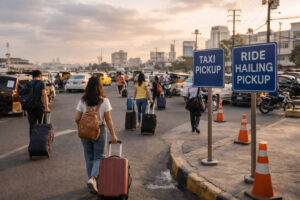 6) Arrival at Bacolod Bredco Seaport. After disembarkation, you’ll move through the exit flow, then decide on your last-mile ride to your hotel, meeting point, or bus terminal.
Reality Check: The biggest stress spike happens when you arrive “just in time.” Treat the terminal as a mini-airport: earlier is calmer, especially on weekends and holidays.
Realistic door-to-door time breakdown with buffers
Use this as a planning template and adjust based on where you’re starting in Iloilo City:
- City transfer to Lapuz: 20 to 60 minutes (longer in traffic or rain)
- Arrival buffer and finding the right line: 15 to 30 minutes
- Check-in, terminal fee, baggage process: 20 to 45 minutes (peak periods can stretch this)
- Boarding buffer: 15 to 30 minutes
- Fast Craft crossing: commonly around 1 to 1.5 hours (varies by operator and conditions)
- Disembark and exit flow: 10 to 25 minutes
- Last-mile into Bacolod City: 15 to 45 minutes depending on destination and traffic
Planning total: Many travelers land at 3 to 4.5 hours door-to-door for this option on a normal day. Add more buffer if your schedule is tight or you’re traveling during a busy season.
Cost checklist: ticket, terminal fee, last-mile transport, snacks, baggage fees
 Costs change, so think in a checklist rather than a single number:
- Fast Craft ticket: often the main cost (varies by class, time, and operator)
- Terminal fees: sometimes separate and paid at the port
- City transfer to Lapuz: taxi, ride-hailing, or local public transport
- Last-mile from Bacolod Bredco Seaport: taxi, ride-hailing, or other local options
- Snacks and water: helpful if you’re sensitive to motion sickness or long waits
- Possible baggage charges: if you exceed the included allowance
Reality Check: The “hidden costs” are usually last-mile rides and small fees. Keep a little extra budget so you don’t feel forced into a stressful rush or an uncomfortable ride option.
Option 2: Dumangas Port Route (RoRo or Fast Ferry) and Why People Choose It
People choose Dumangas Port when they’re traveling with a vehicle, coordinating with cargo or drivers, or when the Dumangas schedule fits their day better than Lapuz. This route adds one more moving part (the city-to-port transfer), so it works best when you plan your timing conservatively.
How to get from Iloilo City to Dumangas Port low-stress
Start by deciding how you want to manage uncertainty:
- Lowest-stress approach: book a point-to-point car (taxi or a pre-arranged ride) so you control departure time and can leave earlier without complicated transfers.
- Budget approach: use local transport to reach the right staging point, then continue to Dumangas. This can be fine, but build in extra buffer and avoid cutting it close to boarding cutoffs.
If you’re moving early in the morning or during rain, prioritize the plan that reduces transfers. Fewer transfers usually means fewer “where do I go next?” moments.
Reality Check: The land transfer is the part most likely to expand unexpectedly (traffic, weather, and loading time). Your buffer belongs here, not just at the port.
Realistic door-to-door time breakdown with buffers
A conservative template looks like this:
- Iloilo City to Dumangas Port: 45 to 90 minutes (depending on where you start and traffic)
- Port arrival and queuing: 30 to 60 minutes (longer during peak days and vehicle-heavy sailings)
- Boarding workflow: 20 to 45 minutes (varies by vessel type and operator)
- Sea crossing: timing varies (check the operator schedule and conditions)
- Disembark plus last-mile into Bacolod: 30 to 75 minutes depending on where you’re headed
For many travelers, this option sits around 4 to 6 hours door-to-door when planned calmly, with the understanding that queues can stretch on busy days.
Vehicle notes: paperwork, queuing, and what can slow you down
If you’re bringing a vehicle, plan for these common slowdowns:
- Documentation checks: registration, driver identification, and any operator-required forms
- Marshaling and lane assignment: vehicles are often called in sequence, which can mean waiting even if you “arrived early”
- Payment steps: some parts of the transaction may require separate counters or receipts
- Weather or sea-state holds: vehicle loading can pause if conditions change
Reality Check: Vehicle-friendly routes can feel calmer because the process is structured, but only if you treat queuing as normal—not as a problem you need to “beat.”
Ticket Buying: Where to Buy, What to Check, What to Screenshot
Official site first when possible, then terminal ticketing as fallback
 When you can, check schedules using the operator’s official pages so you’re working from the most current information. For example, you can reference Weesam Express schedules as a model for how operators publish departure times and reminders. If online purchase is available and stable for your date, it usually reduces stress at the terminal.
If online buying is not available, you can typically buy at the terminal ticketing area. The tradeoff is uncertainty: popular departure windows can sell out, and you may spend more time in line.
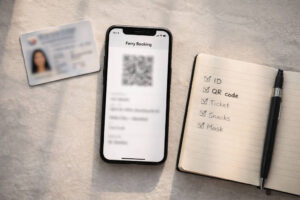
What to save offline: QR or booking code, receipt, schedule, terminal address, customer support
Whether you book online or at the terminal, save an offline “travel packet” on your phone. Screenshot or save as a PDF image where possible:
- QR code or booking reference (make sure it’s readable at full brightness)
- Passenger details (name spelling, date, and departure time)
- Receipt (helpful for rebooking conversations)
- Terminal name and address (New Iloilo Ferry Terminal in Lapuz or Dumangas Port, plus Bacolod Bredco Seaport)
- Operator customer support contact (number, email, or help page)
- Cutoff reminders (check-in and boarding time rules)
This one habit lowers stress immediately because you’re not hunting for signal in a crowded terminal.
Payment tips: cards vs e-wallets vs cash, and what to do if your signal is weak
Carry a mixed payment setup: one primary method (card or e-wallet) and a cash backup in small bills. Signal can be inconsistent near ports, and some counters move faster when you can pay exact amounts.
If your signal is weak, shift from “live searching” to “offline proof.” That’s why screenshots matter: they turn your ticket into something you can show instantly.
Reality Check: The smoothest travelers are not the fastest—they’re the ones who can produce the right proof (QR, ID, receipt) without reopening apps, re-logging in, or reloading pages.
Luggage Rules and Terminal Friction
Typical baggage allowance patterns and how excess fees work
Baggage rules vary by operator, but many Fast Craft tickets include a standard allowance (often a “carry-on plus a limited checked weight” pattern). Excess fees are usually charged by weight or by piece, and they can be easier to pay if you have cash ready.
A low-stress packing rule: keep valuables, meds, chargers, and one change of clothes in a small bag that stays with you. That way, even if your larger bag is tagged or stored, you’re comfortable and prepared.
Security checks, baggage tagging, and boarding cutoffs
Expect basic security screening and occasional random checks. Some terminals also use baggage tags to match bags with passengers. Boarding cutoffs can be strict—especially on busy days—so arriving early is less about “wasted time” and more about removing the fear of missing your trip.
For terminal fees, policies can be updated over time; if you want a reference point for how terminal fees are handled at ports, see the Philippine Ports Authority terminal fee policy and still confirm what applies at your specific terminal on your travel day.
Comfort tips: seating class, motion sickness prep, food and restroom reality
If you’re prone to motion sickness, plan ahead: light meals, water, and your preferred remedy (and take it early enough to work). Choose seating that matches your comfort level, and keep a small kit accessible (tissues, wipes, mints, and a light jacket—terminals and vessels can feel cold from air-conditioning).
Also consider the “human friction” side of ports: crowded gates, confusing queues, and occasional overhelpful strangers. A simple safety habit is to keep your phone and wallet secured and decline unsolicited “assistance” unless it comes from uniformed staff. If you want a quick refresher on avoiding common travel scams and staying alert without feeling anxious, review the Travel safety guide for the Philippines.
Reality Check: The terminal is often more tiring than the boat ride. A small comfort kit and an earlier arrival time can make the whole day feel calmer.
Delay and Cancellation Backup Plan
If your trip is cancelled: rebook steps and who to contact
If a trip is cancelled, start with three actions in order:
- Confirm the status from the operator (counter staff or official channel).
- Ask for the next available sailing or rebooking process (and what proof they need: booking code, receipt, ID).
- Decide quickly if you’re shifting ports or shifting days (your stress drops when you pick one path and commit).
Weather is a common trigger for sea delays. If you’re traveling in months that often bring stronger winds or heavy rain, scan the Philippines weather travel guide and treat it as a reminder to build larger buffers, not as a reason to panic.
If trips are sold out: same-day alternatives and when to stay overnight
If sailings are sold out, your same-day alternatives usually fall into two categories: (1) a different departure time or operator on the same route, or (2) shifting to a different port workflow (for example, checking Dumangas schedules if you were focused on Lapuz, or vice versa). Your ticket screenshots and receipts are helpful here because they speed up conversations at counters.
When should you choose to stay overnight? If the next reliable departure pushes your arrival too late (especially if you’ll be navigating Bacolod at night with luggage), an overnight stay can be the lowest-stress choice. Sometimes the calmest plan is simply: rest, re-check schedules early, and go the next morning.
If you have a hard deadline in Bacolod: minimum safe buffer and Plan B choices
If you have an appointment, event call time, or check-in cutoffs you cannot miss, a conservative rule is to arrive in Bacolod at least half a day early when possible. If that’s not realistic, aim for a minimum 4 to 6-hour buffer before your hard deadline, because delays stack (traffic to the port, check-in lines, sea conditions, and last-mile traffic).
A practical way to visualize buffers is to plan your Iloilo time like you would plan a multi-stop city day—blocks with breathing room. If you want a local example of how buffer-based planning works, skim the Iloilo City itinerary with buffers and borrow the same logic for your port day.
Plan B choices that reduce stress: travel earlier in the day; choose the most direct route with the fewest transfers; and keep an overnight option ready if conditions turn uncertain.
Reality Check: When weather is the reason, “arguing with the schedule” won’t help. The lowest-stress move is to rebook early, inform whoever is waiting for you, and protect your energy for the rest of the trip.
FAQ
What is the easiest way to travel from Iloilo City to Bacolod for first-timers?
For most first-timers, the easiest plan is Fast Craft from New Iloilo Ferry Terminal in Lapuz to Bacolod Bredco Seaport, because it’s direct and the steps are familiar to locals who can help with directions. Arrive early, keep screenshots of your ticket details, and plan your last-mile ride ahead of time.
Which port should I use: New Iloilo Ferry Terminal in Lapuz or Dumangas Port?
Choose Lapuz if you want the simplest, most direct passenger workflow. Choose Dumangas Port if you’re traveling with a vehicle, coordinating logistics that fit RoRo-style boarding, or your schedule lines up better with Dumangas departures. The lowest-stress choice is the one with the fewest transfers for your specific day.
How long does the trip take door to door including waiting time and city transfers?
Fast Craft (Lapuz to Bredco) often lands around 3 to 4.5 hours door-to-door when you include city transfers, check-in, waiting, and last-mile transport in Bacolod. Dumangas routes often land around 4 to 6 hours door-to-door due to the added land transfer and queuing. Add more buffer during peak travel dates and poor weather days.
How early should I arrive for check-in and boarding at the ferry terminal?
A calm target is to arrive 60 to 90 minutes before departure for passenger Fast Craft, and earlier during weekends, holidays, or if you have baggage to tag. If you’re unsure, treat the terminal like an airport: earlier arrival buys you choices and reduces rush.
Where can I buy tickets and what should I screenshot or save on my phone?
Start with official operator channels when available, then use terminal ticketing as a fallback. Screenshot your QR code or booking reference, passenger name and departure time, receipt, terminal name and address, and customer support details. Save them offline so you can show proof even with weak signal.
What are the usual baggage rules and fees for extra luggage?
Rules vary, but many Fast Craft tickets follow a standard included allowance with charges for excess by weight or by piece. If you’re carrying heavy luggage, arrive earlier to allow time for weighing and payment, and keep essentials in a smaller bag that stays with you.
How much cash should I bring for terminal fees, tricycles, and last-minute changes?
Bring enough cash for small fees and short rides, ideally in smaller bills, plus a buffer for last-minute changes (extra baggage fees, a different local ride, or a rebooking-related expense). Even if you prefer cashless payments, ports and short rides are where cash still reduces friction.
What should I do if trips are delayed or cancelled because of sea conditions?
Confirm status from the operator, rebook to the next workable sailing, and decide early if you’re shifting ports or shifting to an overnight plan. Keep your screenshots ready for faster counter conversations, and protect your buffer if you have a deadline.
Is there a practical flight option or is it usually indirect and slower overall?
It’s often indirect or poorly timed once you add airport transfers, early check-in, and possible connections. A flight can still be worth it if it genuinely shortens your door-to-door time and you strongly prefer not to travel by sea, but compare the full day schedule before committing.
What is the lowest-stress plan if I have a tight schedule or an important appointment in Bacolod?
The lowest-stress plan is to travel earlier than you think you need (or the day before), choose the route with the fewest transfers, and keep a clear backup: the next sailing, an alternate port option, or an overnight stay if weather turns uncertain. If your appointment is truly immovable, build a half-day buffer into your arrival.
If your trip continues beyond Bacolod, you can line up your next stops by browsing Iloilo travel guides for side trips and pacing ideas, then save Tips and inspiration for Philippine travel for planning habits that keep multi-leg days calmer. The goal is not to be the fastest traveler—it’s to be the one with the least friction.