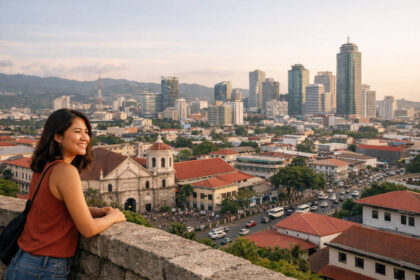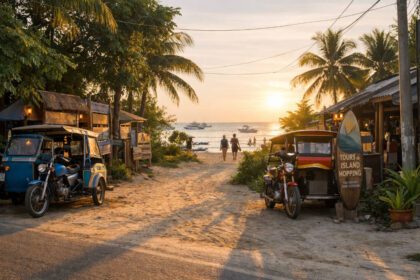
If you’re visiting for the first time (no car, moderate walking, and you want breathing room), this Iloilo City itinerary 3 days is designed to feel doable—not rushed. The route clusters nearby districts (City Proper, Jaro, La Paz, Molo) and keeps each day in two simple blocks: a morning plan and an afternoon plan. Every day also includes a built-in buffer you can use for rain, heat, naps, laundry, or simply moving slower than expected.
Assumptions for this guide: you’re staying within Iloilo City, using taxis or ride-hailing when needed plus short jeepney or tricycle hops, and you’re fine with 6,000 to 10,000 steps on your “walking” days (with plenty of sit-down breaks). If you want a stricter checklist or a faster pace, this plan can still work—you’ll just trim the buffers.
At-a-Glance: Iloilo City Itinerary 3 Days
 Best time window: Drier months are generally easier for walking days, but Iloilo City is workable year-round if you plan indoor swaps and carry a light rain layer. If you like planning by season, skim Philippines weather travel guide best months before you lock flights.
Realistic travel time: Iloilo International Airport is outside the city core; airport-to-hotel can feel quick on a light-traffic stretch or surprisingly slow during busy hours (plan wide buffers). Within the city, districts are close on the map but still have stop-and-go.
Budget band (per person, per day): Budget PHP 1,200–2,000; Midrange PHP 2,200–4,000; Comfort PHP 4,500–8,000 (more detail below). Food is a highlight either way—your comfort level mostly changes transport, waiting time, and how many transfers you tolerate.
Crowd and traffic risk: Weekend evenings and Sunday church areas can get busy; wharf trips for Guimaras have their own “line and timing” rhythm.
Rain/heat backup: Keep one indoor stop (museum, mall-cafe, gallery-style space) ready each day so weather doesn’t break your plan.
Reality Check: Iloilo City is friendly for walking in specific pockets, but humidity and sudden rain can change your pace fast. Build in water breaks and accept that “short distances” can still take time.
Intro: Who This 3-Day Plan Is For and What “Realistic Pace” Means
This 3-day plan is for travelers who want a clean route with minimal backtracking: heritage in City Proper, classic churches in Jaro and Molo, comfort food in La Paz, and relaxed time along Iloilo River Esplanade. “Realistic pace” here means you’re not trying to collect every landmark in one day. You’ll do fewer stops, but you’ll actually have time to arrive, settle, cool down, and enjoy what you came for.
It also means planning around friction: waiting for a ride, slow traffic at the wrong hour, arriving at a museum that’s closed, or feeling drained after a sunny walk. This guide treats those moments as normal, not as failures—so your Iloilo City itinerary 3 days stays pleasant even when the day changes.
Reality Check: If you’re used to tightly packed itineraries, Iloilo City will tempt you to add “just one more district.” Resist that impulse on Day Two especially—your best photos and meals often happen when you’re not sprinting.
Before You Arrive: Quick Decisions That Reduce Friction
Two links to bookmark early: the city background and district layout on Iloilo City (helpful for understanding place names like City Proper, Jaro, Molo, and La Paz), and the local official site Visit Iloilo City for updates, events, and announcements that can affect opening hours or road activity.
For first-timers building a stress-light trip, it helps to lock a few basics before you look at restaurant lists. This short checklist pairs well with Philippines travel planning guide for first trip if you want a simple “what to decide first” flow.
Where to Stay by Area: City Proper vs Mandurriao vs Jaro vs Molo
City Proper: Best if you want walkable heritage pockets (Calle Real, Plaza Libertad, nearby museums) and easier access to classic Iloilo City “downtown” energy. Transport is convenient, and you’ll feel close to Day One’s core. Trade-off: some streets can feel busier, and you may hear more city sounds at night depending on your hotel.
Mandurriao: Good for modern comfort—often closer to newer malls, wider roads, and a more “planned” feel. If you like ending your day with an easy cafe and air-conditioned downtime, Mandurriao can be a calm base. Trade-off: you’ll likely rely on taxis or ride-hailing more for heritage areas.
Jaro: Great if Jaro Cathedral and the Jaro plaza loop are priorities and you want a neighborhood feel. It can be practical for Day Two’s morning. Trade-off: you might add small transfers to reach City Proper and the Iloilo River Esplanade depending on your exact location.
 Molo: A nice base if you love quiet evenings and want to be near Molo Church and Molo heritage streets. Trade-off: it can be less “central” for an all-around first trip if you’re doing a mix of districts every day.
Simple recommendation for first trips: If you don’t want to think too hard, pick City Proper for heritage convenience, or Mandurriao for modern comfort and easier rest breaks. Your Iloilo City itinerary 3 days will work from any of these areas; the difference is how many small rides you’ll take.
Reality Check: “Near” on a map doesn’t always feel near when it’s hot, raining, or traffic is slow. Choose a base that matches your energy: heritage-first (City Proper) or comfort-first (Mandurriao).
Arrival Timing: When Day One Starts Depending on Flight Arrival
If you land before noon: Day One can include a light heritage walk plus Iloilo River Esplanade in the afternoon.
If you land mid-afternoon: Treat Day One as a soft start: check in, do a short sunset walk, and save the heritage core for Day Two morning (then shift Day Two districts slightly).
If you land at night: Don’t force a “night tour.” Prioritize a smooth transfer, dinner near your hotel, and sleep. You’ll enjoy Iloilo City more with a clear head.
Reality Check: Flights can be on time and you can still lose 45–90 minutes to baggage, queues, and finding your ride. Plan your Day One “must-do” as something you’ll still enjoy even if it starts late.
Prebook vs Day-Of Decisions
A calm trip usually comes from prebooking only what actually reduces stress. In Iloilo City, many enjoyable stops are flexible—so you don’t need to lock everything in advance.
Prebook: What’s Worth Locking In
Hotel: Prebook if you want a specific area (City Proper vs Mandurriao) or you’re traveling on a weekend or during a local event.
Airport transfer if arriving late: If your landing time is evening, consider arranging a transfer through your hotel or a trusted provider so you’re not solving logistics while tired.
Private car only if doing a day trip: If you choose a Day Three countryside add-on, prebooking helps you control start time and minimize waiting.
Weekend dinner reservations if you hate waiting: If lining up stresses you, book one “nice meal” on Day Two or Day Three and keep the rest flexible.
Day-Of: What You Can Decide as You Go
Most churches and plazas: Jaro Cathedral, Molo Church areas, and public plazas are typically easy to visit without tickets. Be respectful of service times.
Esplanade walks and markets: Iloilo River Esplanade is best enjoyed when your body feels ready—go earlier or later depending on heat and rain.
Museum visits: Keep one indoor option ready, but confirm open hours on the day (some places have limited schedules or close on certain weekdays).
Reality Check: Overbooking can backfire when weather shifts. If you prebook one major item per day at most, your Iloilo City itinerary 3 days stays flexible and kinder to your energy.
Transport Notes: How to Move With Less Stress
If you’re traveling without a car, the easiest way to keep days smooth is to cluster stops by district and avoid too many “quick hops” that turn into repeated waiting. For a broader Philippines baseline, see Philippines public transport guide, then zoom in to local specifics via How to get around Iloilo City local transport.
Iloilo International Airport to Hotel: Allow a Wide Buffer
Iloilo International Airport is outside the city core, so think in ranges rather than exact minutes. A smooth transfer can feel straightforward, but traffic patterns and pickup logistics vary. If you’re arriving at a busy hour, add extra time for: (1) getting out of the terminal, (2) finding the right pickup point, and (3) slow stretches once you hit city roads.
Pickup point tip: Agree on a clear meeting spot (terminal exit, marked bay, or a specific landmark) before you walk out—especially if you’re coordinating with a hotel driver.
Reality Check: The airport transfer is the first place time-friction shows up. A “buffer mindset” on arrival day prevents the whole plan from feeling behind.
Getting Between Districts: Cluster Stops by Area
City Proper, Jaro, Molo, and La Paz are close enough that you can combine them in one day—but only if you keep each district’s stops simple. The biggest stress reducer is to avoid zigzags: do one district loop, then transfer once to the next cluster.
Low-stress rule: Two districts in a half-day is comfortable; three districts in a half-day is only comfortable if you’re trimming stops.
Reality Check: Even short rides can take longer than expected because of stop-and-go traffic and waiting for a vehicle. Plan fewer transfers than you think you “should.”
Ortiz Wharf Note If Choosing Guimaras: Start Early to Avoid Rushing Back
If you include Guimaras, plan your morning around Ortiz Wharf timing. An early start helps you avoid the “we’re late, now everything is rushed” feeling. Also keep a return buffer: wharf lines, boarding flow, and road traffic back to your hotel can stack together.
Reality Check: The wharf adds a new layer of timing. If you dislike deadlines, you may prefer the city-only Option A on Day Three.
Day One: City Proper and Riverfront (Easy Start)
Day One is intentionally gentle: you’ll orient yourself, walk a heritage pocket, and end with a slow riverfront stretch. If you arrived late, flip the day: do the riverfront first (shorter), then do heritage on Day Two morning.
Morning Block: Check-In or Drop Bags, Heritage Core Walk, Light Museum Option, Early Lunch
Start: Hotel check-in (or drop bags if it’s too early). Keep a small day bag with water, umbrella, and a light layer.
 Heritage core loop (choose what feels easy): Walk through Calle Real for heritage street details, then aim for Plaza Libertad for an open, breathable stop. If you want a waterfront feel without committing to a long walk yet, swing by Muelle Loney for a quick look and photos.
Optional indoor stop: If the sun is sharp or rain starts, swap in a museum or gallery-style stop near the heritage area (confirm open hours on the day).
Early lunch: Eat earlier than your usual if you want less waiting. Keep it simple: a filling local meal, then a short rest before the afternoon walk.
Reality Check: Day One often runs slower than planned because you’re still adjusting—arrival, check-in, and “where do we go next?” moments add up. That’s normal.
Afternoon Block: Iloilo River Esplanade Walk, Nearby Cafes or Merienda, Slow Pace
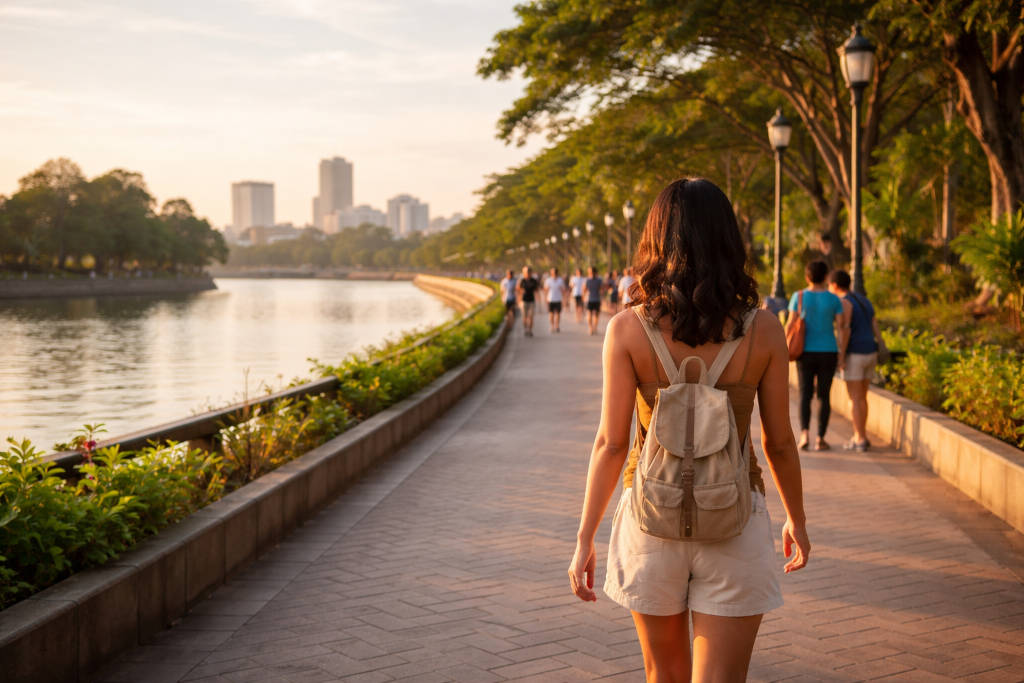
Main plan: Head to Iloilo River Esplanade when the heat is softer—late afternoon can feel more comfortable for first-timers. Treat it as a mood walk, not a distance challenge: choose a segment, stroll, stop for photos, then sit for merienda.
Make it senior-friendly or kid-friendly: Pick one short stretch, then plan a cafe stop. For kids, the “goal” can simply be snacks and a sunset view. For seniors, prioritize shade, benches, and shorter crossings.
Reality Check: The Esplanade is pleasant, but it can still feel hot and bright. A hat, water, and a planned sit-down stop make the walk feel easy instead of draining.
Buffer Option: If Rain or Heat Hits, Go Indoor Now and Save the River Walk for Later
If the weather turns, do an indoor break first: a museum (if open) or a mall-cafe reset. Then keep the Esplanade for a cooler hour or even early morning the next day. This is the simplest “save the day” move in your Iloilo City itinerary 3 days.
If you like cafe breaks: Build them on purpose. A 45–60 minute cafe stop can prevent decision fatigue and make your afternoons smoother. If cafe-hopping is part of your travel style, borrow pacing ideas from Baguio coffee guide (short lists, map-friendly choices, and realistic rest stops).
Reality Check: “One more stop” is usually what turns a calm day into a tired day. Use the buffer without guilt.
Day Two: Jaro, La Paz, Molo (Heritage Plus Food, Clustered)
Day Two is your heritage-and-food day, but it works best when you treat it as two clusters instead of four. The default plan touches Jaro in the morning, then combines La Paz food with Molo in the afternoon.
Morning Block: Jaro Area Church and Plaza Loop, Short Transfers Only
Start in Jaro: Visit Jaro Cathedral and the nearby plaza area. Keep the loop simple: church exterior and interior (if open), a short plaza walk, and a quick snack or drink nearby.
Pace tip: Try to arrive earlier rather than later if you want a calmer atmosphere. If it’s already crowded or you arrive during a service, shift to a respectful “short visit” and move on.
Reality Check: Church visits aren’t always predictable because of services, events, or local schedules. Plan to be flexible and respectful—your day can still be full even with a shorter stop.
Afternoon Block: La Paz Food Stop Then Molo Area (Church and Nearby Heritage Streets)
 La Paz lunch focus: Make La Paz Batchoy your anchor meal. It’s one of those “do it once, do it properly” food stops—warm, filling, and perfect when you need a reset between districts.
Then Molo: After lunch, transfer to Molo for Molo Church and a slow walk around nearby heritage streets. Keep the afternoon light: one main landmark, one short neighborhood wander, and one merienda stop.
Extra food note: If you’re curious about Pancit Molo, treat it as a snack or a lighter meal later—many travelers enjoy pairing it with a calmer evening rather than stacking heavy meals back-to-back.
Reality Check: This day can feel “busy” if you add too many side quests. Keep the districts, but trim the stops—your photos and appetite will thank you.
Buffer Option: Running Late? Choose Only Two Districts, Keep La Paz as Dinner
If you’re behind schedule, do Jaro plus Molo as your two main clusters, then make La Paz your dinner stop (or even your breakfast stop on Day Three). This is the cleanest trim that still feels complete for a first-timer Iloilo City 3-day itinerary.
Reality Check: Transfers are what create stress, not the walking itself. Cutting one transfer often makes the whole day feel calm again.
Day Three: Choose One Anchor Day (Do Not Do Everything)
Day Three is where many trips get overplanned. Instead, choose one anchor option and let the rest of the day stay flexible. This keeps your Iloilo City itinerary 3 days from ending in exhaustion.
Option A City-Only Slow Day: Repeat Favorites, Shopping, Cafe Time, Riverfront Sunset
Morning block: Revisit your favorite pocket: a short heritage walk you didn’t finish, a market browse, or a second pass through the river area when it’s cooler. Add a simple shopping stop if you want pasalubong without rushing.
Afternoon block: Choose comfort: a long lunch, a cafe, then a sunset return to Iloilo River Esplanade. If you missed anything on Day One or Day Two, this is where you add it—one item only.
Reality Check: A slow day can feel “too empty” on paper, but it’s often the day you remember most. If you’re traveling with seniors or kids, Option A is usually the best choice.
Option B Guimaras Day Trip (Planning-First): Early Start, Wharf Timing, Comfort Options, Return Buffer
 Morning block: Start early and head to Ortiz Wharf. Build a wide buffer for finding the right lane, buying tickets (if needed), and boarding flow. Once you arrive in Guimaras, keep your goal simple: one easy highlight plus a relaxed meal.
Afternoon block: Begin your return earlier than you feel you “need” to. Your comfort comes from not watching the clock every minute. Back in Iloilo City, keep dinner near your hotel—avoid adding another district at night.
Comfort variation: If your group dislikes transfers, consider a more arranged setup on the island side (so you’re not negotiating transport repeatedly). If you’re budget-focused, accept slower pacing and keep your route simple.
Reality Check: Guimaras is doable, but it is not “effortless.” The wharf layer makes the day feel more structured. Choose it if you like day trips, not if you want maximum rest.
Option C Countryside Add-On (Only If Prebooked): Keep It Light and Be Honest About Travel Time
Morning block: Start early with a prebooked vehicle and a light route (one or two countryside stops max). Treat travel time as part of the day—bring snacks, water, and motion-comfort basics.
Afternoon block: Return to the city with time to shower and rest before dinner. If your return gets delayed, skip any extra city stops and protect your evening.
Reality Check: Countryside add-ons can quietly turn into a long day. If you didn’t prebook and you’re deciding last minute, Option A is usually kinder to your trip rhythm.
Buffer Option: Keep the Entire Afternoon Flexible for Rest, Laundry, or Weather Recovery
No matter which option you choose, protect your afternoon buffer. This is where you recover from heat, catch up on sleep, or move dinner earlier. It’s also your best rainy-day insurance if weather disrupts the morning.
Reality Check: The last day is when people push too hard “because it’s the last chance.” A flexible afternoon helps you leave feeling good instead of drained.
Budget and Comfort Variations (How Choices Change the Day)
Use these ranges as planning anchors, not strict rules. Costs shift based on how often you take private rides, how many paid attractions you add, and whether you’re traveling solo or splitting rides. If you like seeing sample trip math across different lengths, Philippines travel budget examples can help you sanity-check your numbers.
Budget: Jeepney and Tricycle, Simple Meals, Fewer Paid Attractions, Earlier Starts
Target per day: PHP 1,200–2,000 (excluding hotel). Plan for more walking and occasional tricycle rides for short hops.
How it changes decisions: You’ll cluster districts more strictly to avoid repeated fares, and you’ll lean into public spaces: plazas, church areas, heritage streets, and the Esplanade. You’ll also start earlier to avoid mid-day heat that forces you into “paid comfort” (extra rides and extra cafe stops).
Reality Check: Budget travel is easiest when you accept a slower pace and fewer transfers. Trying to do too much is what raises costs.
Midrange: More Taxi or Ride-Hailing, Planned Meal Stops, Fewer Transfers
Target per day: PHP 2,200–4,000 (excluding hotel). This is the sweet spot for most first-timers: you can take a taxi when you’re tired and still keep the itinerary simple.
How it changes decisions: You’ll do direct rides between districts, pick one “must-eat” meal per day (like La Paz Batchoy), and keep afternoons slower. You’ll also be more willing to swap to indoor stops during rain without worrying about “wasting” a ride.
Reality Check: Midrange still benefits from planning. The money saves time, but it doesn’t remove traffic.
Comfort: Private Car for Day Three Only, Hotel Closer to Your Day’s District, Built-In Cafe Breaks
Target per day: PHP 4,500–8,000 (excluding hotel). Comfort spending usually shows up in two places: (1) fewer waiting moments, and (2) more controlled temperatures (more short rides, more indoor breaks).
How it changes decisions: You might choose Mandurriao for a calmer base, plan longer sit-down meals, and book a private car only for the day trip option. You’ll also keep your mornings lighter and protect naps without feeling like you’re “missing” the trip.
Reality Check: Comfort doesn’t mean cramming more stops—it means enjoying fewer stops with less friction.
Practical Tips: Small Things That Prevent Stress
What to Wear for Churches and Walking
For church visits (Jaro Cathedral and Molo Church included), wear modest tops and bring a light layer or scarf if you prefer extra coverage. For walking: breathable clothes, comfortable footwear with grip (for sudden rain), and a small towel or handkerchief for humidity. A compact umbrella is useful even on “clear” days.
Reality Check: Iloilo City heat can feel stronger when you’re standing still in open plazas. Shade planning matters as much as distance planning.
Safety and Common-Sense Precautions Without Fear Language
Stick to well-lit areas at night, keep your phone secured in crowded places, and use a crossbody bag you can keep in front when moving through busy streets. If you’re unsure about a route, take a short ride instead of forcing a long walk in unfamiliar lanes.
Reality Check: The most common “safety issue” for visitors is actually fatigue—tired travelers make rushed decisions. Rest breaks are part of safety.
What to Do if It Rains for Half a Day (Rainy-Day and Heat-Day Swaps)
Fast swap list: If rain is heavy, swap your walking block with an indoor block: museum, mall-cafe, or a long lunch. If heat is intense, shift walks to early morning or late afternoon and spend mid-day indoors.
Day One swap: Do a museum or cafe first, then move the Esplanade to a cooler hour.
Day Two swap: Keep the church visits short and focus on food stops and indoor rests; save heritage street wandering for clearer weather.
Day Three swap: If you planned Guimaras and weather looks unstable, choose Option A city-only and enjoy a calm day instead of fighting timing.
Reality Check: Weather changes don’t “ruin” the trip if you already decided your swap rules. Make swaps early, not after you’re already soaked or overheated.
FAQ
What Is a Realistic 3-Day Iloilo City Itinerary With Rest Time and Buffers?
A realistic plan uses two blocks per day (morning and afternoon), clusters nearby districts, and includes one explicit buffer daily. This Iloilo City itinerary 3 days does exactly that: Day One stays in City Proper plus Iloilo River Esplanade, Day Two clusters Jaro with La Paz and Molo, and Day Three asks you to choose one anchor (city-only, Guimaras, or a prebooked countryside add-on) with a protected flexible afternoon.
Which Iloilo City Area Is Best to Stay In for a First Trip: City Proper, Mandurriao, Jaro, or Molo?
For most first trips, City Proper is best for heritage convenience and walkable pockets, while Mandurriao is best for modern comfort and easy downtime. Jaro works well if you want the Jaro area close by, and Molo is pleasant if you want quieter evenings near Molo Church. The “best” choice depends on whether you prioritize heritage access (City Proper) or comfort-forward rest (Mandurriao).
How Do You Get From Iloilo International Airport to Iloilo City, and How Long Does It Usually Take?
You’ll typically use a prearranged hotel transfer, taxi, or other hired vehicle from the airport to your hotel. Time varies with traffic and pickup friction, so plan in ranges rather than exact minutes. A good rule is to keep Day One flexible and avoid booking anything tight right after landing, especially if you arrive during busy hours.
Should You Include a Guimaras Day Trip in a 3-Day Iloilo City Itinerary, or Keep It City-Only?
Include Guimaras if you enjoy day trips and don’t mind wharf timing at Ortiz Wharf. Keep it city-only if your priority is a calm pace, you’re traveling with seniors or kids, or you dislike deadline-style travel. In three days, Guimaras is doable—but it replaces your slow rest day, so choose based on energy, not FOMO.
What Should You Prebook in Iloilo City, and What Can Be Decided on the Day?
Prebook your hotel, an airport transfer if you arrive late, and a private car only if you’re doing a Day Three trip outside the city. Most churches, plazas, Esplanade walks, markets, and museum visits can be decided on the day—just confirm opening hours and local conditions before you go.
How Do You Get Around Iloilo City Without a Car?
Plan around short clusters: one district loop, then one transfer to the next. Combine walking in heritage pockets with taxis or ride-hailing for direct rides when tired, plus jeepney or tricycle rides for short hops if you’re comfortable using local transport. The key is minimizing transfers so you spend time enjoying places, not waiting.
What Are the Best Rainy-Day or Heat-Day Swaps?
Swap walking blocks for indoor time (museum, mall-cafe, long lunch), then return to outdoor spots during cooler hours. Save Iloilo River Esplanade for early morning or late afternoon on hot days. If half-day rain hits, don’t try to “push through” every outdoor stop—choose one outdoor highlight and let the rest be indoor comfort.
How Much Should You Budget Per Day for Budget, Midrange, and Comfort Travel?
Budget PHP 1,200–2,000 per person per day (excluding hotel), midrange PHP 2,200–4,000, comfort PHP 4,500–8,000. Your spending changes most with transport style and how many “paid comfort” resets you use (extra rides, longer cafes, reserved meals).
What Are Common Time-Friction Points to Plan Around?
The biggest friction points are airport pickup and traffic variability, slow transfers between districts, weekend dinner waiting, church-area crowds around services, and wharf timing if you do Guimaras. The solution is simple: fewer transfers, earlier starts for structured days, and daily buffers you actually protect.
How Can You Keep the Itinerary Senior-Friendly or Kid-Friendly Without Rushing?
Choose fewer districts per day, shorten walking loops, and schedule a sit-down break in every block. Option A (city-only slow Day Three) is usually best for seniors and kids. If you still want Guimaras, keep the island route light and prioritize comfort and return buffers so the day doesn’t feel like a race.
If you have extra time, extend this plan with Iloilo City itinerary 4 days with buffers, or browse more local ideas through Iloilo travel guides and stories. For more planning-first routes across the country, explore Travel guides on Bakasyon.ph, and if you’re choosing your next city-and-nature mix, consider this Cebu travel guide as a follow-up trip once you’ve enjoyed Iloilo City.