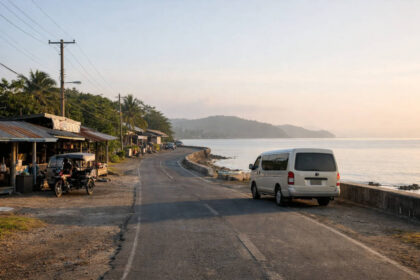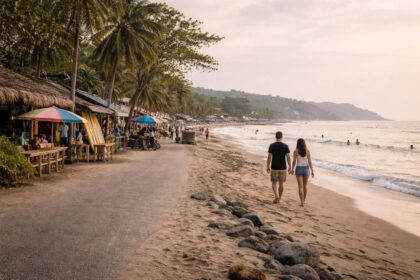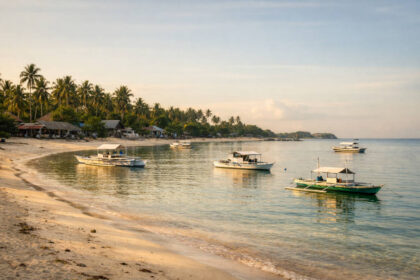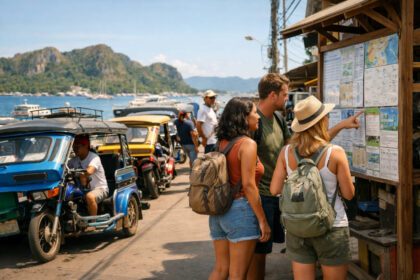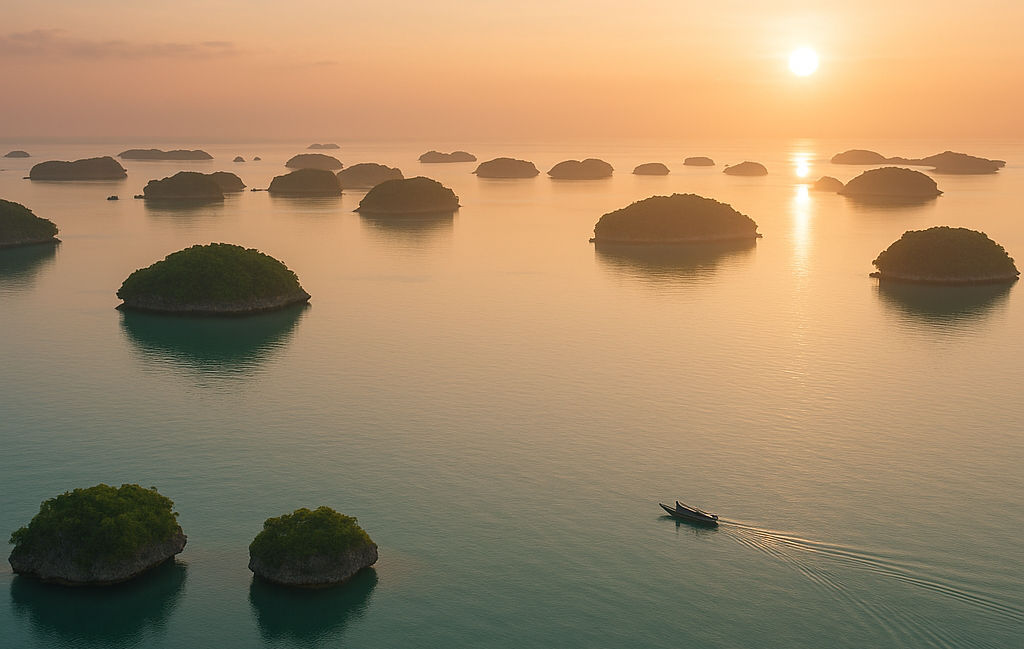
On most days, the name “Hundred Islands” conjures images of bright life vests, squealing banana boats, and big barkadas racing from one island to the next. It’s true—this national park in Alaminos, Pangasinan, is famous as a weekend playground, with over a hundred mushroom-shaped islets rising out of Lingayen Gulf and only a handful developed with facilities. But there’s another way to experience it: as a chain of quiet coves, shade-dappled shores, and slow boat rides where time seems to stretch and soften.
That’s what I think of when I hear Hundred Islands escapes: not ticking off every island on a tour board, but letting your boat glide a little farther from the loudest spots, following your boatman’s nod toward a cove where the only sounds are water against limestone and your own breathing as you float.
In this guide, we’ll stay with that gentler rhythm. We’ll talk about less-visited islands and quiet swimming spots, how to reach the park without rushing, what boatmen know about tides and crowds, and how to practice sustainable island etiquette so your presence leaves no heavy footprint behind. Think of it as a conversation on a banca bench as we drift between green dots of limestone—one long, peaceful story of Hundred Islands escapes.
What Makes Hundred Islands Escapes Different
From National Park to Personal Quiet Corner
 Hundred Islands National Park is the Philippines’ first national park, a protected area of over 120 small islands scattered across jade-green water. On peak weekends, especially holidays, the main developed islands—Governor, Quezon, Marcos, Children’s, Pilgrimage—can feel like summer fairs with zip lines, snack stalls, and big families sprawled under cabanas.
Hundred Islands escapes are about moving at a different pace. Instead of sprinting from activity to activity, you might choose just two or three islands, preferably the quieter ones, and stay. You’ll notice how the light shifts on the water, how the limestone walls glow honey-gold in late afternoon, how the park suddenly feels huge and wild when you look away from the crowds. That’s also the energy behind many off-the-beaten-path Philippines escapes—choosing depth over distance, fewer stops over more stories.
Best Time and Season for Calm Waters
The park is technically open year-round, but if you’re after calmer Hundred Islands escapes, timing matters. Dry months (roughly November to May) usually bring clearer skies and steadier seas, while the rainy season can mean more wind, swell, and trip cancellations. It’s always best to check local forecasts and city advisories, especially during typhoon season, when trips may be suspended for safety.
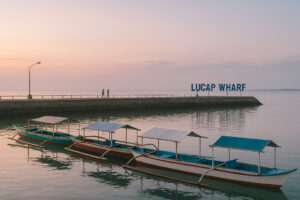
Within the day itself, aim for early morning and late afternoon. Boatmen often suggest leaving Lucap Wharf just after sunrise, when the gulf is glassy and the main islands are still quiet. By midday, heat and crowds peak; by late afternoon, many day-trippers are already headed back, leaving more room for your own gentle Hundred Islands escapes—long floats, shallow snorkeling, or simply watching the sky slide toward gold.
How to Get to Hundred Islands (Without the Rush)
Slow Routes from Manila and Luzon
 From Manila, most travelers reach Hundred Islands by bus to Alaminos City, then a short tricycle ride to the wharf. Depending on traffic, the ride from Cubao or Pasay can be 5–6 hours. It’s tempting to chase the perfect departure time, but for gentler Hundred Islands escapes, I like to think of the journey itself as part of the unwinding: an early bus with a window seat, snacks packed, podcasts downloaded, and no pressure to “maximize” anything other than your naps.
From Baguio or Tarlac, it’s a similar story—regional buses roll down through Pangasinan’s towns, dropping you in Alaminos where tricycles wait outside the terminal. Typical fares to Lucap Wharf are around ₱80–₱100 per ride (good for a small group). If you’re coming from farther-flung Luzon beach bases (like those you’ll find in the guide to best beach resorts on Luzon Island), consider breaking the journey with a night in a transit town instead of forcing an exhausting all-in-one push.
Arriving at Lucap Wharf Gently
Lucap Wharf is the main gateway to Hundred Islands National Park—a waterfront strip where the tourism office, boatmen, sari-sari stores, and simple eateries all gather. Here you’ll register, pay the park and environmental fees, and arrange a boat. Recent guides and city posts suggest day-tour registration and mandatory fees for non-residents hover around ₱100–₱160 per person, with discounts for children and seniors; always confirm at the tourism desk for current rates.
Boat rates depend on boat size and whether you’re on a day tour or staying overnight, but a small boat for a private, slow-paced trip typically starts around ₱1,400–₱2,000, climbing to ₱3,800 or more for bigger groups or longer routes. Consider sharing with one or two friends rather than a huge group; a smaller boat means more flexibility to slip into side coves and pursue quieter Hundred Islands escapes instead of strictly following the loudest crowds.
Quiet, Less-Visited Islands to Discover
Lopez Island: Soft Sand, Fewer People
 Lopez Island often appears in what some tours call their “B route”—a cluster of spots that are a little less frantic than the big four. Guides describe it as peaceful and quiet, ideal for easy swimming or sunbathing without too many neighbors. When your boat noses up to its small beach, listen: you might hear just the lap of water, the rustle of leaves, and the occasional laugh from another banca anchored a respectful distance away.
This is an island where Hundred Islands escapes feel very literal: you step off the ladder, feel powdery sand between your toes, and realize there’s no rush to “move on.” Spread your sarong, read a page or two, float a little, then do nothing at all.
Romulo and Old Scout: Short Hops, Long Pauses
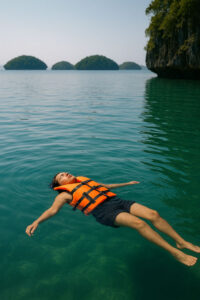 Romulo Island is often described by guides as less crowded, good for short stops, quiet dips, or a simple picnic. Old Scout Island, which sometimes appears alongside it in tour combinations, can also be calmer than the headline spots, especially on non-holiday weekdays.
Ask your boatman if you can linger here rather than rushing off. Hundred Islands escapes don’t have to mean hunting for total solitude (which is hard to guarantee in any popular park). Sometimes “quiet” simply means fewer speakers, kids playing in one corner, and lots of space for you to float, face to the sky, while bancas come and go in the distance.
Cuenco Island Tunnels and Shaded Swims
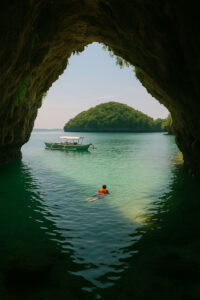
Cuenco Island is known for its natural tunnel cutting through the limestone—a cave-like passage that opens dramatically onto the sea. On busier days, it can attract curious visitors, but compared to Quezon or Governor Island, it often feels less hectic, especially if your boatman times the visit away from the tour groups.
The water around Cuenco can be a beautiful place for shaded swims: cool, greenish-blue, with rock walls on either side that make you feel cradled by the island itself. Ask your boatman where it’s safe to jump in with a life vest and where currents might be stronger. The more you treat spaces like Cuenco as living, breathing places—not just photo ops—the more your Hundred Islands escapes deepen into real connection.
Finding Hidden Coves Near the Popular Islands
Here’s a small secret: sometimes the most peaceful Hundred Islands escapes aren’t on totally unknown islands, but in the quiet corners of famous ones. Quezon or Marcos may be buzzing near the main beach, but a short swim or walk along the shore, guided by your boatman’s advice, can reveal mini-coves where the sound of karaoke fades and you’re left with just the sea.
Boatmen know these corners well—places where they like to anchor for lunch or a quick nap when the tourists are eating in the middle of Quezon. If you say something like, “Kuya, ok lang po kahit konting islands lang, basta mas tahimik, yung konti lang tao,” you’re giving them permission to steer you onto softer, more spacious Hundred Islands escapes instead of the usual checklist.
Boatmen Stories and Insider Tips
How Boatmen Read Tides, Clouds, and Crowds
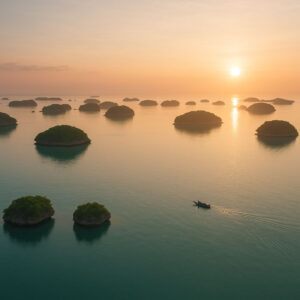 Spend a whole day on the water and you’ll notice it: boatmen constantly scanning the sky, the chop of the waves, the silhouettes of islands ahead. They’re not just steering; they’re reading—where the wind is stronger, which island is already crowded with anchored boats, and where the currents might feel too playful for nervous swimmers.
For peaceful Hundred Islands escapes, lean into that knowledge. When your boatman suggests switching the order of islands or skipping one because of waves, it’s not to cheat you; it’s to keep your day calm and safe. Many know which spots catch early-morning light and which coves glow at golden hour, and they quietly re-route your journey to match the mood you said you wanted at the wharf.
How to Ask for Hidden Islands with Respect
Boatmen in Lucap hear a lot of “Kuya, ilan islands po?” but not as many “Kuya, pwede po ba yung mas konti na islands pero mas tahimik?” Try the second. Tell them you’re looking for quieter Hundred Islands escapes: “Ok lang po kahit di kami makapunta sa lahat, basta may lugar na pwede lang mag-swimming at magpahinga.” Their eyes often light up a bit when they realize you trust their judgment instead of demanding a rigid list.
It helps to ask open-ended questions: “Kuya, kung kayo po mamimili, saan po yung pinakatahimik ngayon?” or “Saan po maganda magpalutang lang, hindi masyadong maalon?” That gives them space to draw on their own mental map of tides, wind, and crowd patterns. And when they choose well, a simple “Salamat, ang ganda dito” goes a long way toward building that small, warm boat community for the day.
Safety Judgments You’ll Want to Trust
Boatmen also carry the responsibility of bringing everyone back safely. When they say, “Lipatan na tayo, tumataas na alon,” or ask everyone to keep life vests on while crossing between islands, they’re responding to things you might not yet feel under the hull. For gentle swimmers and beginners, this is good news: Hundred Islands escapes can be very safe as long as you follow simple rules—vests on while moving, no jumping where it’s too shallow or rocky, and always tell your boatman before you swim farther from the shore.
A Peaceful Hundred Islands Escapes Itinerary
Unhurried Day Trip: Three Islands, Not Thirty
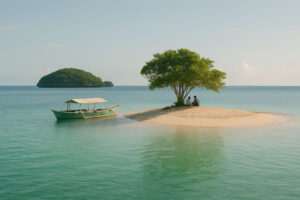 For a soft day focused on quiet swimming spots and long rests, imagine this: you leave Lucap Wharf around 7:00 AM, when the gulf is still sleepy. After a smooth ride, your first stop is a vantage-point island—maybe Governor’s view deck, if your legs and heart are ready for the stairs, or simply a beach where you can see a wide spread of islands at once. You don’t have to stay long; just enough to feel the scale of the place.
Next, your boatman takes you toward Lopez or Romulo for late-morning lounging: shaded sand, shallow water you can wade into slowly, lots of room for floating. You eat a simple packed lunch, drink from your reusable bottle, and stretch on your sarong. After lunch, instead of island-hopping frantically, you move to just one more quiet stop—perhaps Cuenco or Old Scout—for a final swim when the sun softens, then drift back to Lucap as the sky turns peach. It’s a full day, but not a crowded one, the kind of Hundred Islands escapes that leaves you full yet rested.
Overnight on a Quiet Island: What It’s Really Like
Overnight rules in Hundred Islands have changed a few times in recent years, with camping and overnight stays sometimes allowed on specific islands, sometimes paused for conservation or safety. Before planning an overnighter, check current guidelines with the Lucap Tourism Office or official channels like the Department of Tourism’s website.
When overnights are permitted, expect simple comforts: tents or basic guesthouses, limited freshwater, early lights-out, and a sky full of stars. Nights on quieter islands can feel almost surreal—the daytime buzz fades, the sea calms, and your Hundred Islands escapes become mostly sound: small waves, occasional laughter from a nearby campfire, the soft thud of a paddle somewhere in the dark. It’s not for everyone (you’ll need to be okay with fewer amenities), but if you like slow travel and don’t mind a bit of roughing it, it can be one of the most tender ways to experience the park.
Sustainable Island Etiquette and Ocean-Friendly Habits
Trash, Sunscreen, and Tiny Creatures Underfoot
Being a good guest is the quiet backbone of all Hundred Islands escapes. The park is a protected area with islands made of ancient coral limestone, home to birds, small crabs, and marine life that depend on clean water and undisturbed shores. Bring a small “trash kit”: a reusable bag where you stash snack wrappers, fruit peels, and tissue until you’re back at Lucap or a proper bin. Never bury trash in sand or wedge it between rocks; waves will eventually bring it back to the sea.
Choose reef-safe sunscreen when possible and apply it at least 20 minutes before swimming so less washes off into the water. Watch where you step while wading; tidepools and rocky edges often hide shells, tiny fish, and soft corals. If you snorkel, float rather than standing on anything alive. For more ideas on light-footprint travel in the islands, Bakasyon.ph’s guide to sustainable travel practices in the Philippines is a beautiful companion.
Sharing Sandbars and Keeping the Sound Low
Peaceful Hundred Islands escapes don’t just happen; we co-create them. When you arrive at a sandbar or small beach where another group is already quietly settled, anchor at a respectful distance. If you play music, keep it low and short—better yet, use earphones and let nature’s soundtrack lead. Many locals visit for family bonding and prayerful moments, especially on islands with religious shrines, so treat these spaces like outdoor chapels as much as playgrounds.
Group games, photoshoots, laughter—all of that has a place. The goal isn’t total silence, just awareness. You’ll be surprised how much more you enjoy your Hundred Islands escapes when they’re seasoned with gentle sounds: oars tapping wood, utensils clinking over a simple lunch, soft conversation over the shouts of multiple speakers competing for attention.
Supporting Local Communities Softly
Every time you hire a local boatman, buy a home-cooked meal, or stay in a small guesthouse instead of a big chain, you’re supporting families whose lives are tied to these islands. Consider choosing simple, locally owned lodging in Alaminos the night before your Hundred Islands escapes, eating at carinderias near Lucap Wharf, and tipping fairly when service feels genuinely thoughtful.
Keep bargaining kind and quick, and avoid pushing for “lowest price” at the expense of safety and fair wages. If a tour looks suspiciously cheap, ask which fees it covers—proper registration, environmental fees, and insurance are part of keeping the park protected and visitors safe.
Practical Tips, Packing, and Safety for Calm Swimmers
Is Hundred Islands Safe for Beginners?
For most travelers, Hundred Islands is a gentle place to swim, especially on calm days and in designated swimming areas. Life vests are usually provided with your boat rental, and many of the quieter islands we’ve talked about—like Lopez, Romulo, parts of Old Scout—have shallow sections where you can slowly ease into the water with your vest on.
Still, safety is part of truly relaxing into your Hundred Islands escapes. Wear your vest when advised, avoid swimming too far from shore without telling your boatman, and don’t force deep snorkel sessions if you’re anxious. For a broader look at staying grounded and aware while wandering the country, Bakasyon.ph’s travel safety Philippines guide offers calm, non-alarmist advice that can complement your time on the islands.
What to Pack for Soft, Low-Stress Days
A peaceful Hundred Islands getaway doesn’t need a huge packing list. Think of what helps you feel light and at ease:
- A dry bag for your phone, wallet, and a small towel.
- A waterproof pouch or case if you want to bring your phone into the water.
- Reef-safe sunscreen, wide-brimmed hat, and a light cover-up or sarong that doubles as a picnic mat.
- Simple snacks in reusable containers and a refillable water bottle (island prices for drinks can be much higher than town rates).
- A basic snorkeling mask if you prefer your own, plus slippers or aqua shoes for rocky entries.
- A small power bank and offline downloads of maps, playlists, or your favorite podcasts.
For budgets, consider a rough range: bus fares from Manila to Alaminos, the park’s registration and environmental fees (around the low hundreds per person), plus a private boat that might run from roughly ₱1,400 to ₱3,800 or more depending on size and whether you’re overnighting. Keep some extra for food, snorkel rentals, and little comforts. If you’re watching your pesos, the Bakasyon.ph guide to budget travel in the Philippines offers mindset shifts and tactics that pair beautifully with slow, thoughtful Hundred Islands escapes.
Stepping back into Lucap Wharf at the end of the day, sun-dazed and softly tired, you might feel like you’ve only seen a fraction of the park’s famous 123–124 islands—and that’s perfectly okay. Hundred Islands escapes are not about conquering every dot on the map; they’re about the slowness between islands, the way a boatman’s story lingers in your mind, the way the sea feels against your skin when you finally stop rushing.
If you want to read more about the park’s background and natural history, the Hundred Islands National Park entry on Wikipedia and official tourism and government pages like the Department of Tourism’s site at tourism.gov.ph can give you deeper context and updated guidelines. But the real understanding comes when you’re out there yourself, watching the islands glow and darken as the day passes.
Bring a gentle heart, a light bag, and a readiness to do less. In a world that often demands speed, your own quiet Hundred Islands escapes might be the softest, kindest rebellion you give yourself this year.