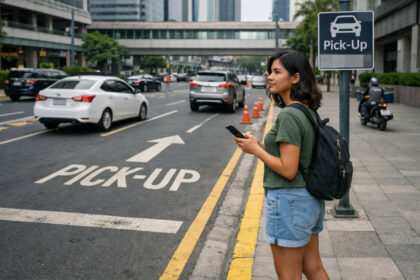
If you’re mapping out How To Get Around Vigan, the good news is that most visitor spots cluster in a compact heritage core. The less-easy part is the “last mile” logistics—tricycle availability, what counts as a short hop versus an “exclusive” ride, and what changes after dark. This guide stays practical: what to ride by distance, what usually affects cost, what to confirm before paying, and how to keep your plan calm even when schedules vary. For a wider prep checklist (cash, SIM, timing buffers), see Philippines Travel Planning Guide For First Trip. For quick city context, skim Vigan and the UNESCO page for the heritage zone at Historic City Of Vigan.
At-a-Glance
 Best time window: Dry months are usually easier for walking; expect hotter midday hours and occasional sudden showers year-round.
Realistic travel time: Most heritage spots are 5–20 minutes apart on foot; terminal-to-heritage is often a short ride depending on traffic.
Budget band: Walking is free; tricycles and calesa are pay-per-ride; vans and buses depend on route and demand.
Crowd and traffic risk: Weekends, holidays, and late afternoons can slow short trips near Calle Crisologo and Plaza Salcedo.
Rain/heat backup: Plan a shaded loop (museums, cafés) and keep a tricycle option ready.
Reality Check: Vigan is walkable, but heat, rain, and cobblestones can change what feels “near.” Build a small buffer so you’re not forced into rushed decisions.
Quick Answer: How To Get Around Vigan The Easy Way
For most travelers, the easiest formula for How To Get Around Vigan is: walk within the Vigan Heritage Area, use a tricycle for short hops when the weather turns or when you’re carrying bags, and use the Vigan City Terminal for longer distances (bus or UV Express Van, depending on what’s available that day). If you want the heritage vibe, ride a calesa for a short loop—treat it like an experience ride rather than a practical “commute.”
Reality Check: Availability changes by hour. In peak periods, you may wait longer or get quoted higher unless you confirm the price and drop-off clearly.
Know Your Map: What’s Walkable In The Vigan Heritage Area
Most first-timers spend time around Calle Crisologo, Plaza Salcedo, and nearby heritage streets. These are generally easiest on foot because parking and vehicle access can be limited, and short rides can take longer than expected when roads are busy. Use tricycles as a tool for comfort (heat, rain, tired legs) instead of a default for every block.
Best Short-Hop Plan Around Calle Crisologo And Plaza Salcedo
Start by walking the heritage core in a loop: pick a main entry point (for example, the edge of Calle Crisologo), then fan out to nearby museums, cafés, and the plaza area. This reduces repeated rides and makes it easier to “reset” if you get separated from your group. If it rains, pause in a covered spot and shift to a tricycle for the next hop rather than pushing through slippery cobblestones.
Reality Check: Cobblestones + wet soles can be slippery. Shoes matter more here than people expect, especially at night.
When A Tricycle Makes Sense Even If It’s Walkable
Even short distances can justify a ride when: the sun is intense, you’re carrying food or shopping, you have a child or senior in the group, or you need to reach a specific entrance (example: the Calle Crisologo entrance versus a nearby street). In those moments, How To Get Around Vigan smoothly is less about distance and more about comfort and timing.
Reality Check: “Malapit lang” still means different things in the heat—especially if you’re not used to walking in humid weather.
Best Mode By Distance
 Choosing the right mode is the fastest way to keep costs predictable. Think in three buckets: short hops in town, half-day nearby spots, and full day trips outside Vigan.
Short Hops In Town (Walking, Tricycle, Calesa)
Walking: best for the heritage core and for trips where you’ll stop often for photos or snacks. Tricycle: best for point-to-point errands, rain saves, or when you need to arrive not sweaty. Calesa: best for a short scenic loop and “heritage atmosphere,” not for fast transfers.
Reality Check: Calesa routes and pricing can depend on the driver and time of day—confirm inclusions (route, duration, stops) before you start.
Half-Day Spots Near Town (Bantay, Pottery, Outskirts)
For nearby areas like Bantay (including viewpoints and churches), pottery and weaving stops, and outskirts food spots, a tricycle can work if you agree on whether it’s a one-way drop-off or a “wait and return” setup. If you’re stacking multiple stops, clarify the order and waiting time—this is where misunderstandings usually happen.
Reality Check: “Waiting” is often treated as part of the cost. If you don’t want to pay for waiting, plan separate one-way rides and accept small gaps between pickups.
Day Trips From Vigan (Laoag, Paoay, Pagudpud) Without Renting A Car
Day trips are possible without renting a car, but they require earlier starts and clearer expectations. For Laoag and Paoay, travelers often combine bus segments with local rides on arrival. For farther areas like Pagudpud, check if your energy and daylight hours match the travel time—sometimes an overnight plan is less stressful than a tight day trip. For route ideas and pacing, use Ilocos Travel Guide Explore Vigan Laoag Pagudpud.
Reality Check: Schedules can shift with demand and weather. Build buffers so a delayed return doesn’t turn into a late-night scramble for a ride.
Tricycles In Vigan: How They Work And How To Avoid Surprise Fees
 Tricycles are the main “connector” when planning How To Get Around Vigan beyond the walkable core. The goal is not to argue about exact pesos—it’s to prevent surprises by confirming the ride type, destination, and timing before you sit down.
Where To Find Tricycles (Terminal, Main Streets, Tourist Areas)
Common pickup points include the Vigan City Terminal area, main streets near the heritage district, and spots close to visitor-heavy zones like Calle Crisologo and Plaza Salcedo. If you’re in a quiet street, walking a minute toward a busier road often increases your options and reduces pressure to accept the first quote.
Reality Check: In peak periods, tricycles near tourist areas can quote higher first. Having the confidence to decline politely is part of the plan.
Fare Matrix Mindset: What To Ask Before You Sit Down
Some areas use a zone-based approach and may reference a Tricycle Fare Matrix. Whether or not you see a posted matrix, use the “fare matrix mindset”: ask the total price before boarding, confirm if it’s shared or exclusive, and state the exact drop-off point. Helpful phrasing: “Magkano po total hanggang (exact place), one way?” If you’re doing stops: “Kasama po ba ang waiting? Ilang minutes?”
Reality Check: If a driver avoids quoting any price, that’s your cue to step back and ask another tricycle. It’s easier to reset before boarding than after arriving.
Night Differential And Late Hours: What Changes After 6 PM
After dark, availability can drop and prices often rise due to fewer vehicles, safety considerations, and longer pickup times. You may hear this described as a Night Differential Surcharge or simply “mas mahal po pag gabi.” The key is transparency: the price should be stated upfront, and the reason should be clear (late hour, distance, or special pickup).
Reality Check: Late-night rides aren’t automatically unsafe, but waiting in dim areas increases risk. Choose pickup points with people and lighting.
Luggage And Group Size: When To Switch To A Van Or Two Rides
Tricycle sidecars vary. Some fit one passenger comfortably; some squeeze two; luggage space can be tight. A backpack is easier than a hard-shell suitcase because it molds to the sidecar shape and is faster to load. If your suitcase doesn’t fit safely (or blocks visibility), don’t force it—switch to a larger vehicle, request two tricycles, or start from the terminal where other options may be nearby. For groups, it’s often calmer to split into two rides than to overload one.
Reality Check: “Kasya yan” isn’t the same as “safe and comfortable.” Prioritize stability—especially on uneven roads and when it’s raining.
Vans, Buses, And Terminals: For Longer Distances
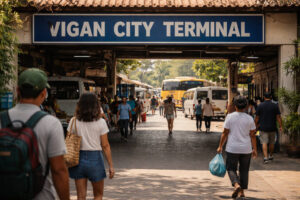
For intercity travel, the Vigan City Terminal is your anchor. It’s where you can compare options, ask about the next departure, and reduce the chance of being routed through confusing transfers. For a broader primer on Philippine terminals and what to expect, see Philippines Public Transport Guide.
Vigan City Terminal Basics (What To Confirm Before Paying)
Before paying, confirm: destination city (and whether it’s the city proper or a highway drop), estimated departure time, where you’ll be dropped off, and what happens if the vehicle fills slowly. If you’re carrying valuables, keep them with you instead of in a shared compartment unless you clearly understand how baggage is handled.
Reality Check: “Alis na” can still mean waiting for more passengers. If you’re on a tight schedule, ask for a realistic departure window.
Shared Van Vs Bus: When Each One Is Less Stress
UV Express Van: can be faster when it leaves promptly, but comfort depends on seating, and luggage rules vary by operator and passenger load. Bus: can be more predictable for luggage and seating space, and may feel steadier for longer trips. Choose the option that matches your priorities: fastest possible versus most predictable space and fewer surprises.
Reality Check: Vans may prioritize filling seats before leaving. If you prefer fixed schedules, bus departures may be easier to plan around.
What To Do If You’re Dropped In Bantay Instead Of Central Vigan
Some routes or drivers may drop passengers at a practical roadside point nearer Bantay rather than inside central Vigan. If this happens, don’t panic: confirm your exact location (landmark + barangay), then choose the simplest last-mile option—usually a tricycle to your accommodation or to the heritage core. When arranging the last leg, state your destination precisely (example: “Calle Crisologo entrance near (landmark)”) to avoid being dropped one street away with luggage.
Reality Check: “Vigan na yan” can still be a few kilometers from where you want to be. Clarify “city proper” versus “highway drop” before boarding.
Typical Costs Without Overpromising Numbers
Fares change with fuel costs, demand, time of day, and local rules—so instead of chasing a “guaranteed price,” plan for predictability. A calm approach to How To Get Around Vigan is knowing what usually makes a fare higher and how to keep the agreement clear.
What Usually Makes A Fare Higher (Distance, Time, Exclusive Hire, Late Hours, Stops)
Common drivers of higher cost: longer distance, “exclusive” hire (not sharing with others), waiting time, multiple stops, late hours, and pickups in very busy tourist areas. Luggage can also affect comfort and may lead to recommending a second tricycle or a bigger vehicle—what matters is that this is explained before you commit.
Reality Check: It’s normal for night rides to cost more, but it’s not normal for fees to appear only after you arrive.
How To Keep Costs Predictable (Agree First, Exact Change, Clear Destination)
Use three habits: (1) agree on total price before boarding, (2) carry small bills for exact change, and (3) say the destination in a way that can’t be misread (landmark + street + “entrance” if needed). If you’re booking through chat or a referral, screenshot the agreed price and the meeting point. Calm clarity prevents most issues.
Reality Check: Miscommunication is more common than malice. Short, specific instructions reduce friction for everyone.
Booking Tips: What To Ask And What To Screenshot
If you’re organizing rides for a group, booking is less about “apps” and more about documenting agreements. For How To Get Around Vigan smoothly, treat every ride like a tiny plan: price, place, time, and what’s included.
Tricycle Checklist Before You Ride
Confirm: total price, shared versus exclusive, exact drop-off point, and whether there will be waiting time. If you’re doing multiple stops, repeat them in order. If it helps your peace of mind, take a quick photo of any visible fare sticker/ID and the tricycle number—do this openly and politely.
Reality Check: If someone reacts aggressively to a basic confirmation question, that’s a sign to choose another ride.
Van Checklist Before You Pay
Confirm: destination (city proper versus highway), estimated departure time, drop-off point, baggage handling, and whether seat assignments exist. Screenshot your chat agreement (if any), note the plate number if you can do so discreetly, and keep valuables in your day bag.
Reality Check: In busy terminals, information can be rushed. Don’t be shy about asking the same question twice if you didn’t hear the answer clearly.
If Something Feels Off: Exit Lines That Stay Polite
Use calm, neutral lines: “Salamat po, magtatanong lang po muna ako.” “Sandali lang po, iche-check ko lang yung drop-off.” “Ay, pass muna po kami.” Then step toward a brighter, busier spot. The goal is to exit early, not to debate.
Reality Check: You don’t need a “good reason” to decline. Feeling unsure is enough.
Late-Night Safety Notes For Vigan Transport
 Vigan can feel quieter after dark, especially outside the heritage core. If you’re moving late, your safest plan is a clear pickup point, a short waiting time, and a direct drop-off. For a broader safety framework (especially for bigger cities), see Travel Safety Philippines Guide and compare habits with Manila Without A Car Get Around Safely.
Where To Wait (Well-Lit Areas, Near Staff, Near Other Passengers)
Choose well-lit areas with visible staff or other passengers: near open businesses, near the edge of the plaza areas, or near active terminal points. If you’re meeting a ride, message “I’m at (specific landmark)” instead of “I’m outside.” Turn on location sharing only with people you trust, and keep your phone charged.
Reality Check: The biggest risk late at night is being isolated while waiting. Reduce waiting time by setting a precise meeting point.
Solo Travel And Small Groups: Simple Risk-Reduction Habits
For solo travelers and small groups: avoid displaying cash, sit where you can exit easily, and keep your route simple (direct rides over multiple stops). If you’re unsure about a pickup point, move to a brighter spot even if it adds a minute of walking. Let your accommodation know if you expect a late arrival.
Reality Check: “Just one more stop” can turn a simple ride into a longer, quieter route. Keep late-night plans straightforward.
Normal Vs Not Normal Checklist (Vigan Local Transport)
Use this as a quick gut-check while you’re deciding How To Get Around Vigan in the moment.
Normal
- Driver clearly states a price before the ride starts
- You see a posted fare matrix or the driver acknowledges a zone-based fare system
- Night rides cost more, and the driver explains it upfront
- Driver confirms the exact drop-off point (Example: Calle Crisologo entrance vs a nearby street)
- You can decline politely and take another tricycle without pressure
Not Normal
- Driver refuses to quote any price until after arrival
- Surprise add-ons appear only after you sit down (baggage fee, “tourist fee,” “waiting fee”) without prior agreement
- Driver insists you must ride an “exclusive” trip with no clear reason
- Driver asks you to hand over your phone or blocks you from taking a photo of the plate or fare sticker
- You are pushed to a different vehicle mid-trip without explanation
Reality Check: Trust patterns, not promises. Clear pricing and clear destinations are the baseline for a calm ride.
Sample Low-Stress Transport Plans
These sample plans show How To Get Around Vigan with buffers—so weather, crowds, or a slow departure doesn’t break the day.
One Evening In Vigan (Walk First, Tricycle Backup)
Plan: Arrive before sunset, walk the heritage core first (Calle Crisologo to nearby streets), then choose dinner within walking distance of your next stop. Backup: If rain starts or you’re tired, take a tricycle for the final hop back to your accommodation. After dark: Set a well-lit pickup point and agree on the total price before boarding.
Reality Check: Evening crowds can build quickly on weekends. Walking one block away from the busiest stretch can make pickups easier.
One Full Day With A Day Trip Add-On (Van Or Bus Plan With Buffers)
Plan: Morning heritage walk + museum/café break, then a half-day nearby hop (Bantay or pottery) using a pre-agreed tricycle plan (drop-off or wait-and-return). Day trip add-on: If you’re continuing to Laoag or Paoay, aim to be at the Vigan City Terminal earlier than you think you need, and confirm the drop-off point before paying. Buffer: Keep a rain plan (indoor stops) so you’re not forced into extra paid rides.
Reality Check: Tight day trips become stressful when a vehicle departs later than expected. Build flexibility into meal times and “must-see” lists.
FAQs
How Much Is A Tricycle From Vigan City Terminal To Calle Crisologo?
It varies by exact drop-off point, time of day, whether it’s shared or exclusive, and demand. The most reliable approach is to ask for the total price before boarding and specify “Calle Crisologo entrance” (or a landmark nearby) to avoid a “close enough” drop that still requires walking with luggage.
Where Can I See The Tricycle Fare Matrix In Vigan?
Some areas post fare guidance near terminals or common pickup points, and some drivers reference zone-based pricing even without a visible sign. If you don’t see a posted matrix, use the same logic: confirm the total, confirm the ride type (shared/exclusive), and confirm the destination clearly.
Is It Safe To Ride A Tricycle In Vigan At Night?
Many travelers do, especially for short direct rides. Safety improves when you wait in well-lit areas with other people, avoid long quiet routes, confirm the price upfront, and keep your phone and valuables secure. If anything feels off, decline and choose another ride.
Can A Suitcase Fit In A Vigan Tricycle Sidecar?
Sometimes, but not always. Sidecar space differs per unit, and large hard-shell suitcases can be awkward. A backpack is usually easier. If the luggage blocks movement or looks unstable, switch to two tricycles or a larger vehicle—your comfort and safety are worth the adjustment.
What Is A Night Differential Surcharge In Vigan?
It’s a common way to describe higher night pricing due to fewer vehicles and longer pickup time. The important part is not the term—it’s that the price and reason are explained before the ride starts.
Related Local Transport Guides
If you’re building a multi-city itinerary and want the same planning-first approach, these guides can help set expectations across different places: How To Get Around Cebu City and How To Get Around Iloilo City.
To recap How To Get Around Vigan: walk the heritage core when conditions are good, treat tricycles as your flexible backup (with clear upfront agreements), and use the Vigan City Terminal for longer routes with confirmed drop-offs. If your energy is low or the weather turns, it’s also perfectly valid to choose a lighter day—see Free Things To Do In Vigan Rest Day Guide for gentle options that still feel like “you went somewhere.”
More planning-first reads live under Tips And Inspiration.