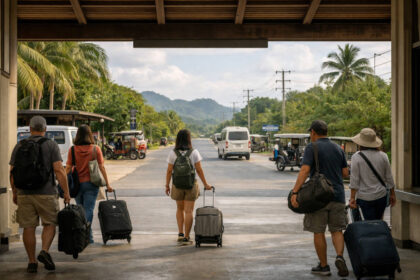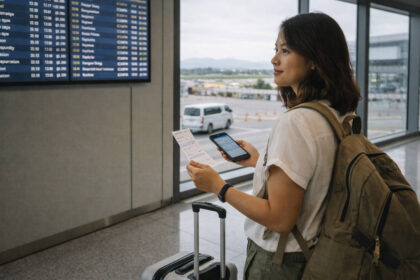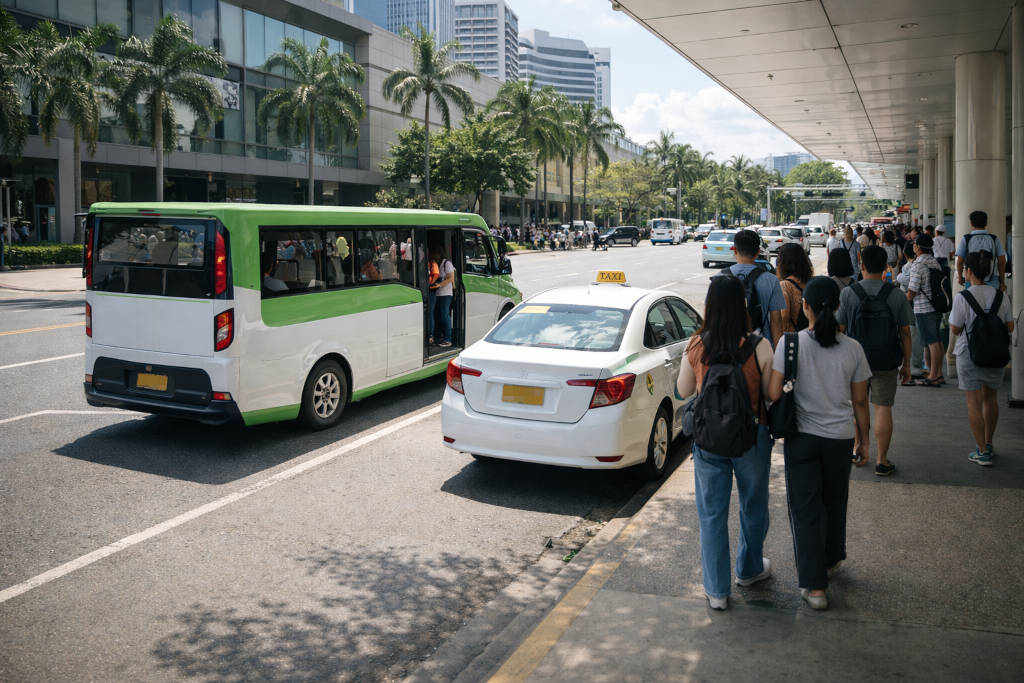
How to get around Cebu City is mostly a decision about distance, time of day, and how much friction you can tolerate. Cebu’s traffic can turn a “quick ride” into a long sit, so planning around peak hours matters as much as choosing a vehicle. This Cebu City transportation guide is designed for travelers who want simple rules: what to ride, where to wait, what to pay attention to, and what to do if something feels off.
At-a-Glance
Best time window: Typically mid-morning to mid-afternoon is smoother; expect heavier congestion around commute hours and weekends near malls and downtown.
Realistic travel time: Cross-city rides can take much longer than the map suggests when it rains or when roads clog. Budget band: Jeepneys and buses are lowest-cost; taxis/Grab cost more for comfort; vans and airport options sit in the middle depending on how many people share.
Crowd/traffic risk: High near Ayala, SM City, IT Park, Fuente, Colon, and Carbon Market, especially at rush hour.
Rain/heat backup: If the sun is intense or a downpour starts, switch from walking/jeepney to MyBus, taxi, or Grab and plan for slower pickups.
Reality Check: Even with a “perfect plan,” traffic and weather can change your timing fast—build a buffer if you have a flight, a tour start time, or a dinner reservation.
Intro: how to get around Cebu City (a simple way to choose)
If you’re getting around Cebu City without a car, this is the simplest decision flow: choose the cheapest mode you can tolerate for the distance, then upgrade based on luggage, heat/rain, and late-night safety. Below are quick picks by scenario—then the rest of the guide explains costs, terminals, and red flags.
If you’re doing short hops (under ~2–3 km)
Best default: Walk when sidewalks and crossings are workable; otherwise use a short jeepney ride, a motorcycle taxi (solo, small bag), or a quick taxi/Grab if the heat is punishing. For how to get around Cebu City on short hops, your biggest risk is overpaying on “negotiated” rides—confirm the price before you sit down or your bag goes in a trunk.
Cost behavior to expect: Short rides are often cheap on jeepney/modern jeep routes, while private rides (taxi/Grab) vary with traffic and pickup demand. If someone quotes a price, ask what it’s based on (distance, per person, or “special trip”).
Reality Check: A 2 km hop can still feel hard in Cebu heat—plan a “cool-down stop” (mall, café, convenience store) if you’re walking.
If you’re crossing the city in traffic
Best default: Taxi or Grab when you need predictability and aircon; jeepneys/modern jeepneys when you’re on a straightforward corridor and okay with crowds. MyBus can be simpler on specific mall-to-mall or airport-linked corridors. For how to get around Cebu City cross-town, your main tradeoff is cost versus comfort versus time lost in congestion.
Time strategy: If you can, start earlier than you think you need, or travel outside commute peaks. If you must move during rush hour, choose the most direct route even if it costs more—detours and multiple transfers can add stress and delay.
Reality Check: “Cross-city” can mean very different travel times depending on where you start (IT Park vs Colon vs near the port) and whether it’s raining.
If you have luggage or it’s late
Best default: Grab or metered taxi from a well-lit, official pickup point. If you’re coming from MCIA (Mactan-Cebu International Airport) or heading to Mactan/Lapu-Lapu with bags, prioritize vehicles where your luggage stays in sight and the ride details are clear. For how to get around Cebu City late at night, your safest upgrade is usually an app-booked car ride or a taxi you can verify (meter on, ID visible, no mid-ride price changes).
Fallback plan: If the pickup area feels chaotic, step inside a mall/hotel lobby and ask staff to help you book or direct you to an official queue or counter.
Reality Check: Late-night demand can raise wait times for app rides, and some drivers may push “fixed price” offers—don’t accept anything you didn’t agree to before moving.
If you’re doing a day trip outside the city
Best default: Bus from North Bus Terminal or South Bus Terminal for budget and early-start itineraries; private van/car (split cost) for comfort, fewer transfers, and tighter schedules. When you’re planning how to get around Cebu City plus nearby areas, your day trip choice changes your whole schedule—especially if you’re trying to return for a flight or a late hotel check-in.
If this is your first time building a multi-stop itinerary, it helps to skim first-time Philippines travel planning so you can budget time for traffic, meal stops, and weather delays.
Reality Check: If you’re squeezing an ambitious day trip into a short stay, fatigue and rain can turn it into a stressful dash—choose fewer stops and start earlier.
Cebu City transport basics you’ll actually use
Cebu City transport is a mix of fixed-route public options (jeepney, modern jeepney, buses like MyBus) and flexible options (taxis, Grab, motorcycle taxi). Terminals matter more than first-time visitors expect—many rides become easy once you know where to line up. If you want broader context on rules and etiquette, this overview of public transport in the Philippines can help you feel oriented.
Reality Check: Cebu’s “simple” routes can feel confusing at first because stops aren’t always marked like in some cities—assume you’ll need to ask a guard, dispatcher, or staff member.
Small bills, change, and receipts
For how to get around Cebu City smoothly, carry small bills and coins—especially if you’ll take jeepney/modern jeep rides, v-hire seats, or short taxi rides. Change can be limited during peak hours. For taxis, you can politely ask for a receipt when available, and for app rides you’ll usually have an in-app record.
Practical habit: Before you hand over cash, say the amount clearly. If you’re paying a driver or conductor, keep your wallet tucked away and pull out only what you need.
Reality Check: “Exact change” moments happen—if you only have large bills, expect a delay while someone looks for change or suggest paying closer to the end of the ride.
Peak traffic windows and what they change
Traffic changes everything: your cost (meter time or app surge), your comfort (crowded vehicles), and your safety (more jostling, more distractions). Expect heavier congestion around major work/school hours and weekend mall traffic near Ayala, SM City, IT Park, and Fuente. Plan how to get around Cebu City with buffers when moving between downtown areas like Colon/Carbon Market and business districts like IT Park.
Reality Check: Rain can slow down pickup times and make road edges messy—avoid tight connections if weather looks unstable.
Where “terminals” matter (mall terminals and bus terminals)
When people say “terminal,” they can mean different things: a formal bus terminal (North Bus Terminal, South Bus Terminal), a mall transport bay (Ayala, SM City), or an informal but common pickup area (IT Park, Fuente). For how to get around Cebu City with less guesswork, start from these hubs when possible—guards and dispatchers can point you to the correct lane or queue.
Quick rule: If a ride claims to be “official,” it should have a consistent waiting area, a dispatcher/queue system, or an in-app booking trail.
Reality Check: Some pickup points move due to construction or rerouting—confirm on the day using maps, signage, or staff advice.
Walking and short-hop options
Walking can be the fastest option for very short distances—especially around compact areas where traffic is slow. It also helps you avoid fare negotiations and waiting. If you’re planning how to get around Cebu City on foot, think in “walkable pockets” rather than long continuous walks.
Reality Check: Cebu heat and humidity can feel intense—walking 15 minutes at noon can feel like much longer.
When walking is the best choice
Walk when you’re within a couple of blocks, when you can stay on well-lit streets, and when you can safely cross major roads. Walking works well for short hops inside certain business districts and around mall areas, especially if your destination is near the same side of the road.
Comfort move: Plan a shaded stop (mall entrance, café, convenience store) to reset if you’re sweaty or carrying a daypack.
Short-hop pitfalls (heat, sidewalks, crossings)
Sidewalks can narrow, disappear, or be blocked. Crossings may require patience. If you’re unsure, choose a short taxi/Grab or a short public ride instead of forcing a risky crossing. For how to get around Cebu City safely, “not worth it” usually means: fast traffic, poor lighting, or having to walk with your phone out for navigation.
Reality Check: If you feel rushed while crossing, step back and wait—don’t assume drivers will stop the way you expect.
Jeepneys and modern jeeps (budget-friendly, but not luggage-friendly)
 Jeepney and modern jeepney routes can be a practical way to move on short to medium corridors, especially when you’re traveling light. Modern jeeps are often more structured, sometimes with set stops and a more “bus-like” feel. If you want basics that apply to short rides across the country, review jeepney and tricycle basics and then adapt the details to Cebu’s routes.
Reality Check: Routes can be hard to decode at first—expect to ask “Dadaan po ba sa ___?” and be ready to hop off earlier if the ride veers away from your destination.
When they make sense (short to medium rides)
Use jeepneys or modern jeeps when (1) you have a simple point-to-point corridor, (2) you’re not carrying large luggage, and (3) you’re okay with sharing space. For how to get around Cebu City on a budget, this is often the cheapest option—just keep your plan simple and avoid multiple transfers during rush hour.
Typical cost behavior: Fares are usually low for short rides and increase by distance. Exact minimum fares can change with regulation, so confirm on the day (ask the driver/conductor or look for posted notices) and keep small bills ready.
What’s normal: paying, where to sit, when to get off
Paying: Many riders pass fares forward; prepare your payment and say your destination if needed. Seating: Keep your bag on your lap or between your feet when possible. Getting off: When you’re near your stop, signal early (often a call-out) and move carefully toward the exit.
For how to get around Cebu City with fewer mistakes, watch what locals do for one or two stops before you copy the flow.
Reality Check: Vehicles can fill quickly near terminals and malls—if it’s packed and you have valuables, consider waiting for the next one or upgrading to a taxi/Grab.
What’s not normal: sudden add-ons, aggressive behavior, unsafe driving
Red flags include a sudden demand for extra payment mid-ride, aggressive pressure to move or pay differently than everyone else, or driving that feels reckless. If something feels off, get off at the next safe, busy spot (near a store entrance or a well-lit corner) and reassess how to get around Cebu City from there.
Reality Check: Not every uncomfortable moment is a scam—sometimes it’s just crowding—but you never have to stay on a ride that feels unsafe.
Quick comfort and safety tips (bags, phones, pockets)
Keep phones and wallets out of easy reach (front pockets are not ideal in crowds). Use a crossbody bag worn in front when possible. If you’re standing, keep one hand on your bag strap. For how to get around Cebu City with less stress, avoid counting cash openly and avoid falling asleep on public rides.
Reality Check: If you’re carrying shopping bags or a laptop, jeepneys are usually not the most comfortable choice—switch to taxi/Grab.
MyBus and city buses (simpler for specific corridors)
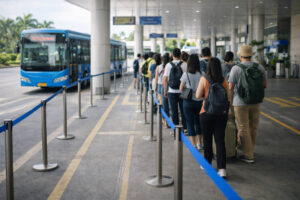 MyBus and other city bus options can be easier to understand than jeepneys because routes are more structured. They’re helpful for specific corridors, especially where stops and terminals are clearer.
Reality Check: Bus routes and schedules can change—treat any blog post or old map as a starting point, not a guarantee.
When to use MyBus (airport, mall-to-mall type routes)
MyBus often makes sense when you’re moving between major hubs—think airport-linked trips and mall-to-mall corridors—especially if you want a more predictable boarding system. For how to get around Cebu City when you don’t want to negotiate or guess, a bus with a clear terminal can be a relief.
How to confirm the latest route and schedule (link to official source)
To confirm route updates and service notices on the day, check check latest MyBus updates before you commit—then plan a backup (taxi/Grab) if service looks limited.
Reality Check: If you’re timing a flight connection, don’t rely on a single option—give yourself a backup ride plan.
Taxis and Grab (best for luggage, late nights, and low-stress rides)
If you want the lowest-friction option for how to get around Cebu City, taxis and Grab are usually the most straightforward—especially with luggage, older travelers, kids, or late-night commutes. In Cebu, you may encounter both metered taxis and situations where someone tries to negotiate a fixed fare.
Reality Check: Demand spikes (rain, rush hour, big events) can raise app prices and increase wait times—build extra time and consider walking to a calmer pickup point.
Typical cost behavior: meter vs app estimate (explain without overpromising exact numbers)
Metered taxi: Typically starts with a posted flag-down rate, then increases by distance and/or time. Heavy traffic can raise the total because the meter continues while you crawl. Grab: Usually shows an upfront estimate before you book, which can feel more predictable, but it can also vary with demand and availability. For how to get around Cebu City when you’re budgeting, treat taxi totals as “variable with traffic” and app totals as “variable with demand.”
How to avoid surprises (meter start, detours, “fixed price” asks)
Before you enter: Confirm the basic fare basis. For taxis, a simple “Meter po?” is useful. If the driver insists on a high fixed price without a clear reason, it’s okay to decline and find another. At the start: Watch for the meter to start at the flag-down rate and reset properly. During the ride: If the driver proposes a detour, ask why and check your map quietly. For how to get around Cebu City without stress, the key is agreement before movement—once you’re already rolling, it’s harder to renegotiate.
Reality Check: Some areas (like busy terminals or airport edges) attract aggressive offers—stepping to an official queue or booking in-app often reduces the noise.
What to screenshot and what to say if there’s an issue
When booking or riding, screenshot what helps you resolve problems quickly: driver name and photo (if in-app), plate number, the booking screen, the fare estimate, the chat thread, and the pickup pin. If there’s an issue, keep your message simple and factual: your pickup location, your destination, and what changed (meter not used, asked to cancel, demanded extra mid-ride). For how to get around Cebu City when something goes wrong, documentation is your leverage.
Where to ask for help: Hotel/front desk staff, mall information counters, official transport counters, and in-app help menus are your best first stops—avoid relying on random solicitors.
Reality Check: If you feel pressured to decide fast, that’s a cue to pause—step aside, breathe, and re-book from a calmer spot.
Motorcycle taxis (only when your bag is small)
Motorcycle taxi services (often booked via apps, such as Angkas when available in your area) can be a time-saver in traffic for solo riders. For how to get around Cebu City quickly on clogged roads, this can be practical—if you’re comfortable and traveling light.
Reality Check: What you save in time, you may pay in comfort—heat, rain, and road conditions matter a lot on two wheels.
When it’s helpful (traffic, short solo rides)
Use a motorcycle taxi for short rides when cars are barely moving, or when you need a quick point-to-point trip and you only have a small daypack. It’s often a good “bridge option” to get from a busy area to a calmer pickup point for a car ride, which can help with how to get around Cebu City during peak congestion.
Safety and luggage limits (helmets, rain, backpack-only)
Plan for backpack-only travel. If you have a suitcase, multiple shopping bags, or fragile items, skip motorcycles. Wear the helmet properly, avoid using your phone while moving, and be extra cautious in rain. For how to get around Cebu City safely on a motorcycle taxi, comfort and weather should decide for you—if you’re hesitating, choose a car.
Reality Check: Rain turns short rides into higher-risk rides—when roads are slick, it’s reasonable to switch plans.
Vans and v-hire (useful for specific routes and nearby cities)
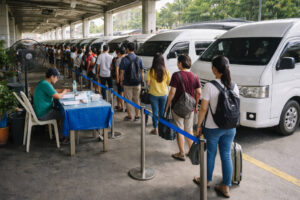 V-hire (van-for-hire) is common for specific routes, sometimes operating as shared vans with per-seat pricing, often from terminals near malls or transport hubs. They can be helpful when you want fewer stops than a bus or when you’re heading toward nearby cities.
Reality Check: Vans can fill up before departing—your “quick ride” might include waiting time, especially off-peak.
What v-hire is and when it’s worth it
Choose v-hire when the route is direct, the terminal looks legitimate, and the fare is clear per seat. This is often a middle ground for how to get around Cebu City and nearby areas: more comfortable than a packed jeepney, sometimes faster than a bus with many stops, but less private than a taxi/Grab.
Where to look for legitimate terminals (and how to confirm fare before boarding)
Look for organized queues and clear dispatch points near major hubs like Ayala and SM City, and ask guards or terminal staff where the official v-hire bay is. Before you board, confirm: (1) fare per person, (2) whether luggage costs extra, (3) where the van will drop you. For how to get around Cebu City without fare surprises, don’t place your bag in the back until you’ve agreed on the basics.
Reality Check: If there’s no clear dispatcher and the “terminal” feels improvised, it’s safer to step back and choose another option.
Tricycles, pedicabs, e-trikes, and where they’re actually allowed
Many visitors assume tricycles are available everywhere, but Cebu’s rules and road conditions mean they are often limited to interior/barangay routes or specific zones—not major roads. For how to get around Cebu City, treat tricycles/pedicabs/e-trikes as “last-mile” options in areas where they’re clearly operating, not as a citywide default.
Reality Check: If you’re standing on a major road and can’t find tricycles, it may be because they’re restricted from that corridor—don’t waste time waiting for something that isn’t allowed there.
Keep this accurate and careful: restrictions are common on major roads
Restrictions on certain roads (including national highways and major thoroughfares) are a real reason these vehicles may not be available where you expect. If you want a policy reference for why some areas restrict certain local vehicles, see this DILG memo circular on restrictions on national highways and apply the practical takeaway: don’t assume a tricycle can legally take you along a main highway route.
Practical guidance: when it’s okay, when to skip, and what to confirm first
Okay to use: short, interior trips where tricycles/pedicabs are clearly operating and where the route stays on smaller streets.
Skip: long rides on major roads, rides with unclear pricing, or situations where you’re carrying luggage and can’t keep it secure.
Confirm first: exact fare, whether it’s a “special trip,” and where the ride will go (some drivers may avoid certain roads). For how to get around Cebu City with fewer misunderstandings, confirm the price before you step in—negotiated fares are normal in some zones, but surprise add-ons should not be.
Reality Check: If the driver can’t explain the fare basis calmly, that’s a sign to walk away and choose a taxi/Grab instead.
Day trips from Cebu City: transport choices that change your whole schedule
Day trips can look “near” on a map but still be draining with traffic, rain, and waiting time. When planning how to get around Cebu City for day trips, decide early whether you’ll prioritize budget (bus) or comfort and flexibility (private vehicle).
Reality Check: A day trip becomes risky if you’re returning late for a flight—don’t plan a tight same-day connection unless you can tolerate delays.
Bus terminal option (early start, longer travel time, cheaper)
 For budget travel, start from North Bus Terminal (for many northern routes) or South Bus Terminal (for many southern routes). Plan to arrive early, confirm the correct bay, and expect longer travel time with stops. For how to get around Cebu City to day trip jump-off points, bus terminals are usually the most cost-efficient—just not the most comfortable if you’re tired or traveling with lots of gear.
Private van/car option (cost split, flexibility, comfort)
Private van/car works well if you’re splitting costs with a group, carrying gear, traveling with seniors/kids, or trying to hit multiple stops. Ask your hotel/front desk for reputable contacts, confirm what’s included (fuel, tolls, driver meals, waiting time), and agree on the return time. For how to get around Cebu City with fewer moving parts, a single vehicle can be the calmest choice.
“Not worth a day trip” warning signs (too far for your flight time, weather, fatigue)
Consider skipping or simplifying if: your destination is far and you have a same-day flight; the forecast looks stormy; you’re already sleep-deprived; or you’d need multiple transfers with luggage. For how to get around Cebu City responsibly, the best plan is the one that still feels safe and manageable at 6–9 PM when you’re tired.
Reality Check: If you’re forcing the itinerary, you’ll likely overpay for last-minute rides—choose fewer stops and leave earlier.
Normal vs not normal checklist (simple, scannable)
When you’re learning how to get around Cebu City, this quick scan helps you decide whether to proceed or walk away. If you want more safety framing for Philippine travel, keep travel safety tips for the Philippines bookmarked for reference.
Reality Check: The safest move is often the simplest one: step away, re-check your options, and choose a clearer pickup point.
Normal
- The fare basis is clear (meter used, app estimate shown, or fixed fare confirmed before you ride).
- You’re boarding from a legitimate pickup point (official queue, terminal bay, hotel/mall pickup zone).
- Driver and vehicle details are visible in-app (if booked), and you can screenshot them.
- You can keep your bag in front of you or within sight; you’re not pressured to hand it off early.
- Questions are answered calmly: destination, fare, route, and where you’ll be dropped off.
Not normal
- A taxi refuses the meter but demands a high fixed price with pressure or irritation.
- Someone asks for extra money mid-ride for vague reasons (“add-on,” “special,” “traffic”) after you already agreed.
- There’s no clear terminal/dispatch, and you’re being pulled away from the main crowd.
- A driver asks you to cancel the booking but still ride (you lose the in-app record and support trail).
- Anyone tries to separate you from your bag (putting it somewhere you can’t see, or insisting you hand it over before agreeing on the ride).
How to Get Around Cebu City FAQ
Reality Check: Exact fares and schedules can change—use these answers as planning guidance, then confirm details on the day.
What’s the easiest way to get around Cebu City if it’s your first time?
For first-timers, how to get around Cebu City is easiest with a “two-layer plan”: use Grab or metered taxis for airport, late nights, and cross-city rides; use MyBus or a simple jeepney/modern jeep corridor only after you’ve identified the right terminal or stop. Start with the most predictable option, then add budget options once you feel oriented.
Which transport is best for short hops versus cross-city rides?
Short hops (under ~2–3 km): walk if practical; otherwise a short public ride or a quick motorcycle taxi if you’re solo with a small bag. Cross-city rides: taxi/Grab for comfort and fewer transfers; MyBus for specific corridors; jeepney/modern jeep if the route is direct and you’re traveling light. This is the core logic of how to get around Cebu City without wasting time.
Is Grab available in Cebu City, and when is it better than a regular taxi?
Grab is commonly used in Cebu City, and it’s often better when you want an upfront estimate, a digital record, and in-app support—especially with luggage or at night. A regular taxi can still be fine when the meter is used properly and you’re boarding from an official queue. For how to get around Cebu City with less negotiation, app booking is usually calmer.
What are typical fares for jeepneys, modern jeeps, and taxis, and what makes the price change?
Jeepney/modern jeep fares are typically low and distance-based, with minimum fares that can change due to regulation. Taxi totals change with distance and time (traffic), and the starting flag-down rate can be updated over time—check the posted rate card and ensure the taxi meter is running. Grab prices typically vary with demand, weather, and pickup availability. For how to get around Cebu City on a budget, the biggest “price changers” are traffic, rain, late-night demand, and unclear fixed-fare negotiations.
Where are the common pickup points (Ayala, SM City, IT Park, Fuente) for public transport?
Common hubs include mall transport bays around Ayala and SM City, pickup areas near IT Park, and central city points around Fuente. Downtown areas like Colon and Carbon Market can be busy but are also places where public routes pass through. For how to get around Cebu City with fewer wrong turns, start from a hub (mall terminal or bus terminal) and ask a guard or dispatcher which lane/stop serves your destination.
How do you get from Mactan-Cebu International Airport to the city safely with luggage?
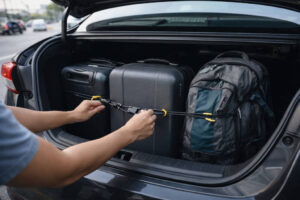 From MCIA, the safest plan is to use official airport transport lanes or app-booked pickup zones: metered taxi queues (where available), Grab pickup (booked in-app), or MyBus when it fits your route and timing. Keep your luggage in sight, avoid accepting rides from aggressive solicitors, and confirm the fare basis before loading bags. This is one of the most important moments for how to get around Cebu City calmly.
Grab vs taxi from the airport: which should you choose?
Choose Grab when you want an upfront estimate and an in-app record; choose a metered taxi when the queue is orderly and the meter is used properly. If anyone pushes a high fixed price without a clear, official basis, decline and go back to the official queue or re-book in-app. For how to get around Cebu City from the airport, clarity beats speed.
How do you avoid taxi surprises?
Before entering: ask for the meter (“Meter po?”) and confirm your destination. At the start: check the taxi meter is running and starts at the flag-down rate. During the ride: watch for unnecessary detours and keep your map view discreet. If the driver tries to change the deal mid-ride, stay calm, repeat what was agreed, and if needed ask to stop at a safe, busy area. For how to get around Cebu City with fewer issues, agreement before movement is the rule.
What’s the safest plan for getting back to your hotel late at night?
 Use Grab or a metered taxi from a well-lit pickup point (mall entrance, hotel lobby, or an official queue). Avoid wandering to isolated corners to “find a cheaper ride.” If you feel uncertain, go inside a lobby and ask staff to help you book. For how to get around Cebu City during a late-night commute, the safest plan is the one with a clear record and a clear pickup location.
When should you use vans (v-hire) instead of buses or jeepneys?
Use v-hire when you find a legitimate terminal with clear per-seat fares and a direct route that reduces transfers—especially for nearby cities or specific corridors. Skip vans when pricing is unclear, the pickup feels improvised, or you have bulky luggage. For how to get around Cebu City efficiently, vans are best when they simplify the route, not when they add uncertainty.
Are tricycles, pedicabs, or e-trikes available in Cebu City, and where are they actually allowed?
They can exist in certain interior/barangay areas or zones, but many major roads restrict them—so availability isn’t citywide. If you’re on a main road and can’t find them, don’t assume they’re just “missing”; they may not be allowed there. For how to get around Cebu City, treat them as last-mile options when you can clearly see them operating in the area.
What should you screenshot or save when booking rides so you can fix problems quickly?
Screenshot driver details, plate number, booking screen, fare estimate, chat messages, and the pickup pin. If you’re paying cash, note the agreed fare basis before you move. For how to get around Cebu City with less stress, those records help you report issues or clarify misunderstandings quickly.
What’s “normal” in Cebu commuting, and what’s a red flag you should walk away from?
Normal: clear fare basis, visible meter or in-app estimate, legitimate pickup area, and no pressure to cancel bookings or change terms mid-ride. Red flag: refusing the meter while demanding a high fixed price, surprise add-ons, being pulled away from public areas, or any attempt to separate you from your bag. For how to get around Cebu City safely, walking away is always allowed—even if someone acts annoyed.
If you want your next reads to stay practical, browse more practical travel tips and build a simple transport plan before you arrive: your airport ride option, your cross-city backup, and your late-night fallback. That small prep is often what makes how to get around Cebu City feel calm instead of chaotic.
One last planning reminder: you don’t need to master every vehicle on day one. Start with the clearest option for your situation, keep small bills ready, use official pickup points, and trust your instincts—if something feels off, step back and choose a safer, clearer ride.