If you’re planning South Cebu, the question usually becomes less about “what’s there” and more about pacing: transfers, check-in time, sea conditions, and how tired you’ll be after early starts. This guide answers How Many Days in Moalboal with realistic expectations—what you can actually fit, what you’ll likely skip, and where a buffer day can save your schedule. If this is your first big Philippines trip, scan Philippines Travel Planning Guide for First Trips first so you build in the right time margins and backups.
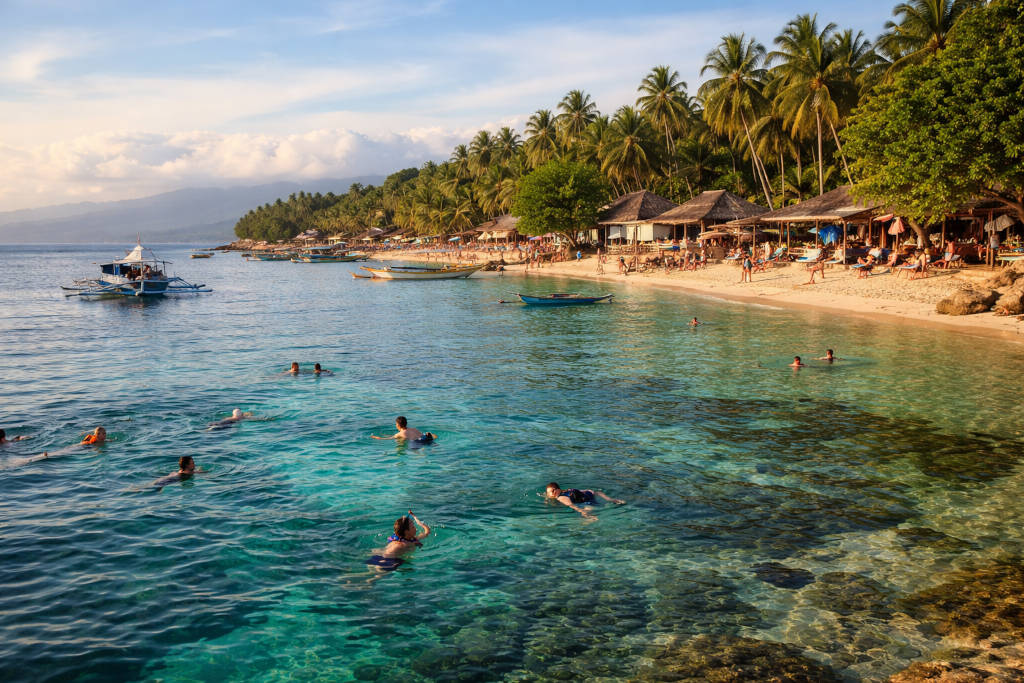
Moalboal Overview: a coastal town in Cebu known for easy access to snorkeling and diving (including the Sardine Run near Panagsama Beach) plus day trips around South Cebu. Reality check: conditions vary—visibility, currents, and crowds change day to day.
At-a-Glance
 Best time window: Dry season months are generally easier for planning, but weather still shifts quickly; check PAGASA Weather Updates close to your travel days.
Realistic travel time: Cebu City to Moalboal often takes around 3.5–5.5 hours door-to-door once you include waiting, traffic, and the last stretch to your accommodation.
Budget band: Mid-range is common (boats, guides, and gear add up), but costs vary depending on diving, private transfers, and room rates.
Crowd risk: Higher on weekends and holidays, plus early mornings at popular sites.
Rain/rough-sea backup: Keep one flexible half-day for rest, shoreline time, or rebooking.
Reality check: “Short” distances in Cebu can still mean long days because of traffic, shared transport schedules, and early meet-up times for tours.
Quick Answer: How Many Days in Moalboal (1, 2, 3, 5, 7 Days)
Use this table to choose based on time, energy, and how much buffer you want for weather and transfers.
| Days | What You Can Realistically Do | What You’ll Likely Skip | Best For |
|---|---|---|---|
| 1 Day | One water highlight near Panagsama Beach + quick meal + travel in/out (very tight) | Pescador Island, Kawasan Falls, slow beach time, recovery blocks | People already in South Cebu, strict schedule, “taste test” visit |
| 2 Days | Two mornings: Sardine Run + one add-on (turtles or easy dive), one relaxed evening | Full-day waterfall trip if you also want a boat day, true rest day | Short trips that still want a calm pace |
| 3 Days | Balanced: one snorkel morning + one boat or dive day + one land day or buffer | Multiple dive days, slow beach days, deep flexibility for weather | First-timers who want choices without rushing |
| 5 Days | Comfortable pacing: 2–3 water sessions + one land day + one buffer + downtime | Very little—you can skip only what doesn’t fit your interests | Divers, mixed groups, anyone wanting buffers |
| 7 Days | Slow travel: dive/snorkel on good days, rest on rough days, repeat favorites | Nothing essential; you can plan loosely and adjust | Remote workers, slow travelers, families, weather-hedgers |
1 Day in Moalboal: What’s Realistic
A true 1-day plan usually works only if you’re already nearby (for example, coming from another South Cebu stop) or you accept that this is a “single highlight” day. Pick one water activity close to shore—many travelers aim for a short Sardine Run snorkel session near Panagsama Beach—then keep everything else minimal.
Time reality: Once you add transfer time, waiting for transport, and check-in friction (even just dropping bags), your usable time shrinks fast. If you arrive late morning and leave mid-afternoon, you’ll feel rushed.
Reality check: if seas are rough or visibility is low on your only day, you may not get the experience you pictured—have a backup like a quieter beach walk, café time, or an early night to reset for the next leg.
2 Days in Moalboal: The Minimum Comfortable Version
Two days gives you the key thing 1 day lacks: two mornings. In coastal towns, mornings are often calmer for water conditions and scheduling. A simple structure is: Morning 1 for the Sardine Run and near-shore snorkeling, then Morning 2 for either a beginner-friendly dive session or a short boat outing depending on conditions.
Suggested pacing: Keep afternoons light—lunch, nap, sunset walk—so you’re not dragging yourself into early meet-ups.
Reality check: if you also want Kawasan Falls on a 2-day trip, you’re choosing intensity. It can still work, but you’ll likely sacrifice slow meals, extra snorkeling, or sleep.
3 Days in Moalboal: The Balanced First-Timer Pace
Three days is the sweet spot for many first-timers because it supports a balanced plan: one dedicated snorkel morning, one boat or dive day (Pescador Island is a common choice for divers and boat trips), and one flexible day for land activities, rest, or weather adjustments.
Why it works: You can separate “big days” (early starts, tours) from “easy days” (shore snorkeling, cafes, short walks). That spacing matters if you get motion sickness, sun fatigue, or you’re traveling with mixed energy levels.
Reality check: if you’re visiting on a weekend, expect more people on the waterfront and in popular restaurants—build in extra time for meals and tricycle rides.
5 Days in Moalboal: Comfort, Buffers, and Better Timing
Five days is where Moalboal starts to feel calm instead of scheduled. You can plan 2–3 water sessions (snorkel and/or dive), add a land day like Kawasan Falls, and still keep one day or half-day open as a buffer. This also lets you time your best water day around conditions instead of forcing it on a fixed date.
Planning tip: Put your “must-do” water activity on Day 2 or Day 3 so you have a second chance if weather turns. For a detailed pacing template, use Moalboal Itinerary for 5 Days With Realistic Buffers.
Reality check: five days can still feel busy if you book something every morning. Protect at least one morning for sleeping in or a no-plan breakfast.
7 Days in Moalboal: Slow Days, Diving Days, and Weather Flex
Seven days is for slow travel and true flexibility. You can do multiple dive days without stacking them back-to-back, repeat the Sardine Run on a calmer morning, and keep rough sea days for land activities, laundry, or reading by the beach. If you’re sensitive to heat or you’re traveling with kids or older family members, this pace is kinder.
How it feels: Less pressure to “maximize.” More space for naps, long dinners, and adjusting to weather.
Reality check: a longer stay doesn’t guarantee perfect conditions—it just gives you more chances to choose the best day.
What Feels Rushed vs Comfortable in Moalboal
When Moalboal Feels Rushed (Transfers, Same-Day Side Trips, Late Check-Ins)
Moalboal feels rushed when your day is shaped by transport schedules instead of your energy. Common triggers: arriving after lunch, squeezing a same-day side trip, or booking an early tour the morning after a late check-in. Add Cebu traffic and waiting time for shared rides, and you can lose hours without noticing.
Reality check: if your plan has two major activities plus long transfers in one day, something will slip—usually meals, rest, or safety margins.
When Moalboal Feels Comfortable (Two Mornings, One Rest Block, One Optional Day Trip)
Moalboal feels comfortable when you have two mornings on the coast, at least one real rest block (not just “free time” between tours), and one optional day trip that can move based on weather. This structure also reduces decision stress, especially for groups.
Reality check: comfort comes from buffers. Even a half-day with no bookings can protect your whole itinerary.
If You’re Short on Time: What to Prioritize
 If you only have 1–3 days, aim for three things: one water highlight, one land highlight, and one recovery block (a nap, slow meal, or early night). That recovery block is what keeps your second day from collapsing.
Priority Set A: Snorkeling-First (Sardine Run and Turtle Time)
Choose this if you want a simple, low-planning trip. Do the Sardine Run near Panagsama Beach in the morning, then add a second short snorkel session for turtle sightings if conditions allow. Keep gear decisions simple: you can rent basics, but bring your own mask if fit is an issue.
Reality check: turtles and sardines are not guaranteed at a specific minute—treat sightings as “likely but variable,” and keep expectations calm.
Priority Set B: Diving-First (Pescador Island and One Easy Shore Session)
 Choose this if you’re certified or traveling with divers. Plan Pescador Island as your main dive/boat day, then keep a second session easy—either a shore dive or a relaxed snorkeling window. This pairing reduces fatigue compared to stacking two big boat days.
Reality check: dive schedules depend on operator timing, surface intervals, and sea state—leave buffers before dinner plans and next-day transfers.
Priority Set C: Land-and-Water Mix (One Water Highlight Plus One Waterfall Day)
Choose this if your group includes non-swimmers or you want variety. Pair one Moalboal water morning with a Kawasan Falls day. To keep it realistic, don’t add extra stops “because it’s on the way.” South Cebu roads and meet-up times make detours expensive in energy.
Reality check: waterfall days can be physically demanding and slippery after rain—bring proper footwear and plan a slower evening after.
How to Add a Buffer Day Without Wasting It
 A buffer day isn’t “doing nothing.” It’s a planning tool: it protects your must-dos from bad weather, rough seas, or unexpected transport delays. If you’re traveling during months with more rain or changing sea conditions, use Philippines Weather and Best Months to Travel to set expectations, and check PAGASA Weather Updates as your dates get close.
Buffer Day Option 1: Weather Hedge and Re-Booking Space
Keep one day with no prepaid tour so you can move your boat or dive day to the best weather window. This is especially helpful if your top priority is underwater visibility. If the sea turns rough, shift to a land day and try water again the next morning.
Reality check: operators can fill up on weekends, so your “buffer” works best when you ask about rebooking rules early and avoid locking everything in.
Buffer Day Option 2: Recovery Day That Still Feels Like Moalboal
Use a buffer as a recovery day: sleep in, have a long breakfast, do a short shore swim if conditions are calm, then slow sunset time. This kind of day makes the rest of your Cebu trip easier—especially if you’re chaining Moalboal with other early-start activities.
Reality check: recovery days prevent sunburn and fatigue. If you’re feeling run down, forcing another tour usually costs more than it gives back.
Buffer Day Option 3: Split the Day for Laundry, Admin, and Sunset Time
Split the buffer: morning for laundry and practical tasks (cash run, bookings, transport confirmations), afternoon for an easy shoreline walk, and evening for a calm dinner. This keeps the “non-fun” tasks from eating into your best weather mornings.
Reality check: connectivity can be uneven depending on your accommodation and network—download maps and confirmations when you have a stable signal.
Common Planning Mistakes (And How to Avoid Them)
 These are small mistakes that create big stress in South Cebu. Treat this as a quick checklist. For general reminders, keep Travel Safety Tips for the Philippines bookmarked for your trip.
Overpacking Activities Into One Day
If you schedule three “high-effort” blocks in one day (early tour + long transfer + night plans), you’ll end up rushing meals and skipping rest. Limit yourself to one major activity per day, then add only small, flexible extras.
Reality check: heat and sun exposure build up. Even fit travelers get wiped out if they ignore recovery time.
Underestimating Transfer Time and Check-In Friction
Transfers often include waiting, traffic, bathroom breaks, and the last kilometer to your hotel. Add a buffer for check-in, shower time, and finding food—especially if you arrive after dark.
Reality check: if your first activity requires an early meet-up, arriving the night before (not same morning) is usually the calmer choice.
Skipping Cash and Backup Connectivity Planning
Plan for cash needs (tricycles, small eateries, gear rentals) and keep offline copies of booking details. If you rely on mobile data for everything, you’re one signal drop away from friction.
Reality check: ATMs can run out of cash in busy periods. Withdraw earlier than you think you need.
Booking Canyoneering Too Tight Before a Travel Day
If you’re doing canyoneering (often paired with Kawasan Falls), avoid placing it right before a long travel day. It’s tiring, sometimes delayed, and can leave you sore for buses or flights the next morning.
Reality check: always plan an easier day after a physically demanding tour, even if it’s just a later departure time.
No Plan for Rain or Rough Sea Days
Have a rainy-day list: rest, café time, shoreline walks, and admin tasks. If seas are rough, avoid forcing a boat plan; move it to your next available good window instead.
Reality check: your best trip often comes from being flexible, not from sticking to a perfect spreadsheet.
Budget and Comfort Notes That Affect Length of Stay
Short Trip vs Longer Trip Cost Trade-Offs (Transport vs Nightly Spend)
Short trips feel efficient, but transport costs per day are higher because the transfer is a fixed cost. Longer stays spread that cost out, but you’ll spend more on accommodation and meals overall. If you want a clear baseline, compare your plan against Philippines Travel Budget Examples for 1 2 and 4 Weeks and adjust for diving, private transfers, and tour days.
Reality check: “cheap per day” can still feel expensive if you book multiple guided activities back-to-back. Budget for at least one low-spend rest day.
When Paying for an Extra Night Saves Stress
An extra night often pays for itself when it removes a same-day transfer problem. If your transport arrival is late, or your must-do activity needs an early start, paying for one more night can protect sleep, reduce missed bookings, and keep your next travel day calm.
Reality check: stress costs money too—last-minute private rides and rebooking fees are often pricier than one planned extra night.
Mini FAQ: How Many Days in Moalboal for Different Travelers
How Many Days in Moalboal Is Enough for First-Timers? For most first-timers, 3 days is the balanced answer: enough for a water highlight, a second activity, and a buffer. If you want comfort and flexibility, 5 days is easier.
Is 1 Day in Moalboal Worth It or Too Rushed? It can be worth it as a quick stop if you’re already in South Cebu, but it’s usually rushed from Cebu City. Treat it as one highlight only, not a complete visit.
Is 2 Nights Enough to See the Sardine Run and Do a Kawasan Falls Day Trip? It can work if you accept early starts and a tight schedule. The calmer version is 3 days so you can separate the waterfall day from your main water day and keep energy stable.
What Feels Rushed vs Comfortable in Moalboal? Rushed: long transfers plus same-day tours and late check-ins. Comfortable: two mornings on the coast, one real rest block, and one optional day you can move around.
What Should You Prioritize If You Only Have 2 or 3 Days? Pick one water highlight (Sardine Run or a dive day), one land highlight (like Kawasan Falls), and one recovery block so your second morning stays usable.
How Do You Add a Buffer Day in Moalboal Without Wasting It? Use it as a weather hedge (move your boat day), a recovery day (sleep and slow meals), or a split day for laundry and admin plus sunset time.
What Are the Most Common Planning Mistakes in Moalboal? Overpacking a day, underestimating transfers, skipping cash and offline planning, scheduling canyoneering too close to a travel day, and having no rain/rough-sea backup.
How Does the Best Time of Year Change How Many Days You Need? In months with higher rain or shifting sea conditions, extra days help because you can wait for a better water window. Use Philippines Weather and Best Months to Travel for seasonal expectations and verify near-term changes with PAGASA Weather Updates.
To wrap it up: if you want a simple, low-stress answer to How Many Days in Moalboal, plan 3 days for balance, 5 days for comfort and buffers, and 2 days only if you’re okay with tighter mornings and fewer backups. If you want more planning reads, browse Tips and Inspiration Guides next.