How many days in Camiguin feels right depends less on the map and more on usable hours, sea conditions, heat, and how gently you want the island to unfold.
Camiguin looks small on the map, which is exactly why many trips end up feeling tighter than expected. The island has that soft, tropical pull that makes everything seem close enough to squeeze into a quick break: a sandbar morning, a spring in the afternoon, a waterfall before sunset, maybe one more stop before dinner in Mambajao.
In real life, though, the right trip length depends on transfer friction, partial arrival days, and how much energy you want to spend moving instead of settling in. This guide stays focused on one question: how many days in Camiguin should you actually book?
 Not every traveler needs a full island week, and not every short stay is a mistake. The best answer changes if you are arriving through Benoni Port, flying in on a limited schedule, traveling with older relatives, planning around the rainy season, or trying to fit White Island and Mantigue Island into the same short window. For most first-timers, the smartest goal is not to do everything. It is to leave enough room for the island to feel pleasant rather than rushed.
At a Glance
- Best window: December to May is usually easier for beach conditions and smoother planning, while the rainy season asks for more flexibility.
- Realistic travel time: Book with transfer time in mind because arrival and departure days are often partial.
- Budget band: Short trips can cost more per day when you compress transport and boat rides.
- Crowd risk: Weekends, holidays, and calm-weather mornings around White Island can feel busier.
- Backup plan: Keep one inland or low-effort stop ready in case heat, rain, or ferry timing changes the day.
Reality Check: Camiguin rewards a steady pace more than an ambitious checklist. Even when distances look manageable, sun exposure, waiting time, and simple travel fatigue can quietly eat into the day.
Quick answer: how many days in Camiguin?
One-sentence recommendation for first-timers
For most first-timers, how many days in Camiguin works best usually lands at 3 days or 3 nights. That gives enough breathing room for one sea trip, one inland loop, good meals, and a little margin for weather or timing delays.
Quick answer table for 1, 2, 3, 5, and 7 days
| Trip length | What it usually feels like |
|---|---|
| 1 day | Only worth it if Camiguin is a stop on a bigger route and expectations are low. |
| 2 days | Doable, but quite rushed unless you are happy to prioritize just a few highlights. |
| 3 days | The sweet spot for many readers, especially first-timers. |
| 5 days | Ideal for a calmer pace, a buffer day, and mixed-energy groups. |
| 7 days | Best for slow travel, weather uncertainty, or travelers who want work-light island time rather than constant sightseeing. |
Reality Check: The most common planning mistake is counting calendar days instead of usable hours. A trip labeled “3 days” can sometimes function more like one and a half sightseeing days once transfers are included.
1 to 7 days in Camiguin: what each trip length really feels like
1 day in Camiguin
A one-day visit is more of a sampler than a trip. If you are asking how many days in Camiguin is enough for a true island feel, one day is not really enough.
It can still work for travelers passing through Northern Mindanao, return visitors who only want a quick reset, or people with very specific priorities. In practice, one day usually means choosing one coastal highlight and one easy inland stop, then letting go of the rest.
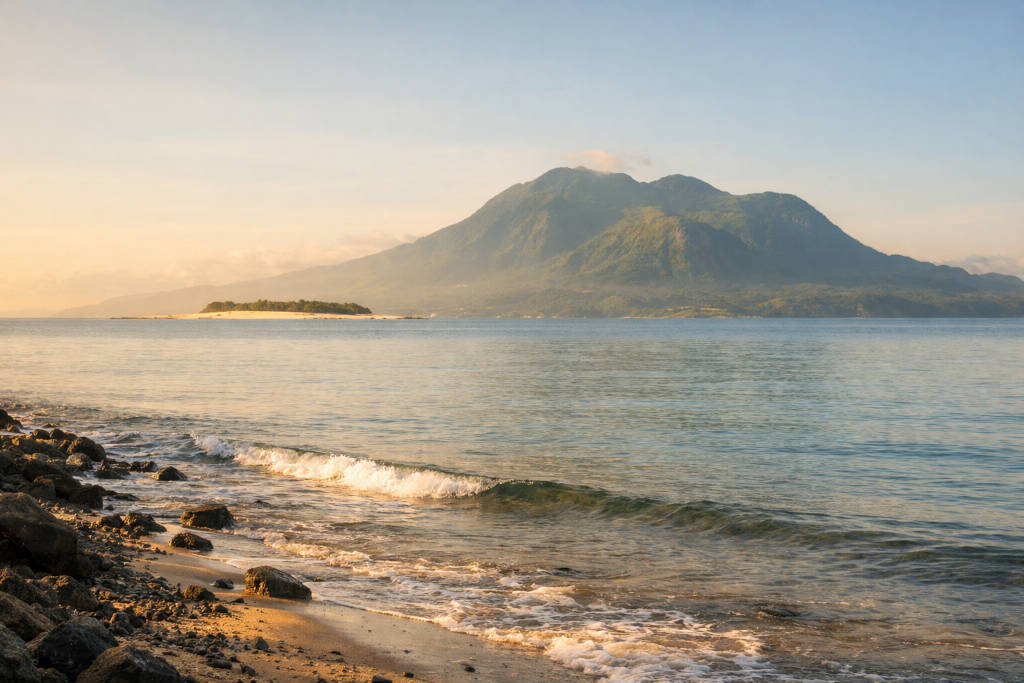
 A realistic one-day plan might be a scenic coastal stretch, the Sunken Cemetery area, a simple lunch, then Ardent Hot Spring or a waterfall depending on weather and energy. White Island can fit only if the morning aligns well and the sea is cooperative. Mantigue Island is usually harder to justify in such a short window because the timing and transfers make the day feel fragile.
Reality Check: One day in Camiguin can be memorable, but it often feels like an introduction rather than a proper stay. It suits decisive travelers, not indecisive planners.
2 days in Camiguin
Is 2 days in Camiguin too rushed? Usually, yes, a little, but not fatally so. Camiguin 2 days can still work if you already know your priorities and accept trade-offs early.
This trip length is often best for weekend travelers coming from nearby points, couples who do not mind early starts, or readers who simply want a compact island break.
With two days, the smartest rhythm is one major sea-or-coast focus and one inland cluster. For example, White Island in a calm morning window, then a slower afternoon with a rest stop, followed by a second day built around Katibawasan Falls, Tuasan Falls, a scenic road stretch, and maybe Ardent Hot Spring later on.
This is also the point where island transport choices start to matter more. Waiting for rides, changing plans midday, or chasing too many separated stops can make Camiguin trip length feel shorter than it really is.
Reality Check: Two days looks efficient on paper, but any late arrival, rough weather, or low-energy morning makes the island feel much more rushed. Keep your must-dos to two or three experiences, not six.
3 days in Camiguin
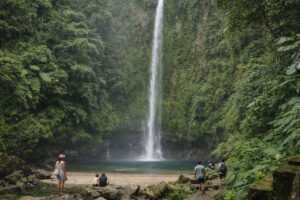 If readers ask is 3 days enough for Camiguin, the most practical answer is yes, for many people it is. A Camiguin itinerary 3 days gives the island enough room to breathe.
That extra day does not just add another attraction. It softens the whole trip. You can take one marine excursion without sacrificing every inland stop, pause for proper meals, and leave a little slack for a rain shower, a delayed start, or simple travel fatigue.
This is why 3 days usually feels like the sweet spot. Day one can absorb arrival timing and a few light stops near Mambajao. Day two can carry the trip’s most weather-sensitive plan, often White Island or Mantigue Island depending on your priorities. Day three can focus on inland highlights like Katibawasan Falls, Tuasan Falls, Ardent Hot Spring, and a few scenic roadside pauses.
Suddenly, how many nights in Camiguin stops feeling like a math problem and starts feeling like a comfortable island plan.
Reality Check: Even with three days, doing White Island, Mantigue, and a demanding Hibok-Hibok plan together can still feel overpacked. Sweet spot does not mean unlimited capacity.
5 days in Camiguin
Camiguin 5 days makes sense for travelers who want both structure and softness. This is a strong choice for families, mixed-energy groups, slow travelers, and anyone visiting during months when weather shifts can interrupt sea plans.
Five days also works well if you want one genuine buffer day without feeling like you overbooked the island.
With this length, you can spread out the highlights rather than stack them. White Island can stay on its own good-weather morning. Mantigue Island can become a separate day or half-day. Inland stops no longer need to race each other.
You can even keep one afternoon empty enough for coffee, a long lunch, or a shaded rest stop. For many readers, this is the point where Camiguin starts to feel restorative instead of efficient.
Reality Check: Five days is not automatically better if you are the kind of traveler who gets restless after two active mornings. More days help only if you actually enjoy a gentler pace.
7 days in Camiguin
Camiguin 7 days is a niche but good option. It works for people who love slow travel, travelers blending work and leisure, return visitors, photographers chasing softer light, or anyone building around weather uncertainty.
It can also suit people who prefer relaxed mornings and shorter daily outings instead of full sightseeing blocks.
Still, how many days in Camiguin should a first visit be? For many first-timers, seven days can be more than necessary unless there is a clear reason to stay longer. The island is peaceful, but it is not the kind of destination that everyone needs to fill with a full week of activity.
A longer stay makes sense when your goal is not to maximize attractions, but to enjoy space, recovery, and flexibility.
Reality Check: Seven days can feel beautiful or too open, depending on your travel style. Book it when you want island time, not just attraction time.
What feels rushed and what feels comfortable in Camiguin
Why arrival and departure days are usually not full sightseeing days
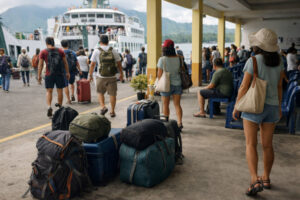 One of the biggest factors behind how many nights in Camiguin you need is the difference between calendar days and usable hours. Arrival days can disappear into transfer logistics, bag drop, waiting, and simply adjusting to the heat.
Departure days can narrow quickly for the same reasons. Even without deep transport mechanics, this matters because ferry timing, airport schedules, and road transfers can turn a “three-day trip” into something that behaves like two active blocks.
That is why first-timers often feel happier when they stop counting the day they arrive late and the day they leave early as full adventure days. This one mindset shift improves trip planning immediately.
How island transport, sea trips, and heat change the pace
Camiguin is compact, but compact does not always mean effortless. Sea trips have their own weather windows. Inland loops involve getting in and out of vehicles, walking in humid conditions, and adjusting plans when skies shift.
Island transport also changes the feel of a short stay. Self-driven travelers can move more fluidly, while travelers relying on arranged rides may naturally need a slower, more deliberate route. For practical route ideas, a helpful internal read is this Camiguin transport guide.
Reality Check: Heat and waiting time are easy to underestimate. A short island hop can still feel tiring when the day starts early and the sun turns strong by late morning.
What to prioritize if you are short on time
One coastal highlight, one inland cluster, and one rest-friendly stop
If your schedule is tight, the cleanest formula is simple: choose one coastal highlight, one inland cluster, and one rest-friendly stop.
For many travelers, that could mean White Island for the coast, Katibawasan Falls and Tuasan Falls as the inland cluster, then Ardent Hot Spring or a calm café break as the softer stop. This keeps how many days in Camiguin from becoming a stressful attempt to sample everything.
Readers who want planning context beyond this island can also browse the Tips & Inspiration hub and the Philippines travel planning guide for broader route decisions.
What to skip when the schedule is already tight
What should you skip when time is short? Usually, skip any combination that forces you to chase two separate sea outings plus a demanding land plan in the same short stay.
Trying to fit White Island, Mantigue, and Hibok-Hibok into one quick visit is one of the classic common Camiguin planning mistakes. It sounds adventurous, but it often leaves little room for weather adjustments, meals, or recovery.
Reality Check: A calm half-day that lands well usually feels better than a full day of rushing between checklists. Camiguin rewards restraint.
When a longer stay makes sense
Slow travel, mixed-energy groups, weather uncertainty, and work-light stays
Longer stays make sense when the group itself sets the pace. Families with kids, older parents, mixed-energy barkadas, or couples who simply want a softer rhythm often benefit from Camiguin 5 days or even Camiguin 7 days.
So do travelers visiting during the rainy season, when a weather buffer can protect the trip from feeling derailed by one rough morning.
If you are mixing remote work and light exploring, a longer stay also helps. You can save the best weather windows for White Island or Mantigue Island and keep inland, low-effort options ready for days that feel grey or humid.
For seasonal context, this broader Philippines weather guide is a useful planning companion, while official destination basics can be checked through the Camiguin destination overview.
When 5 to 7 days is too much for a first visit
A longer stay may be too much when your travel style is naturally fast, your route includes several other destinations, or your budget works better with one efficient island stop.
Travelers who get bored without a full daily plan may find that how many days in Camiguin tops out sooner than expected. In that case, three well-shaped days often feel more satisfying than a week with too much empty space.
Reality Check: Staying longer is not automatically more immersive. The right answer depends on your energy, not just the destination’s size.
How to add a buffer day without wasting it
Weather buffer
A buffer day helps most when your key activity depends on sea conditions. White Island and Mantigue Island can be glorious in the right window and frustrating in the wrong one.
Adding one extra day gives you another chance without forcing a complete reshuffle. This is especially useful in months when rain comes in bursts rather than all-day washouts. Travelers can monitor conditions through PAGASA weather updates.
Recovery day after travel
Sometimes the best buffer day is not about storms at all. It is about recovery. After an early ferry, a multi-leg transfer, or a travel-heavy route across the Philippines, one quieter day can reset the mood of the trip.
This is one reason how many nights in Camiguin for first timers often lands better at three or five rather than two.
Low-effort ideas that still feel worth it
A buffer day does not need to be boring. It can mean a late breakfast in Mambajao, a scenic drive with fewer stops, a hot spring soak, a restful café pause, or a sunset-facing coastal viewpoint.
It can also be the day you leave open for practical errands like cash withdrawal, route changes, or a quieter meal after active mornings. For wider logistics, readers may also find the Philippines public transport guide and the travel safety guide useful.
Reality Check: A buffer day is not wasted time when it protects the mood of the whole trip. In island travel, flexibility is often the difference between calm and chaos.
Common planning mistakes
Counting calendar days instead of usable hours
This is the biggest one. Readers often assume that arriving on Friday and leaving on Sunday means three full days. In reality, Camiguin trip length should be measured in usable half-days and full-day blocks, not just dates on a booking screen.
Trying to fit White Island, Mantigue, and Hibok-Hibok into one short stay
This plan can work only for a narrow slice of very energetic travelers with ideal conditions. For most people, it creates stress and weakens the island’s naturally gentle rhythm.
Decide early whether your short trip is sea-focused, inland-focused, or activity-focused.
Forgetting cash, weather shifts, and transport backup plans
Camiguin feels smoothest when simple basics are handled early. Keep enough cash, watch the weather, and avoid building a short itinerary that depends on every connection working perfectly.
A little backup thinking makes how many days in Camiguin feel far more generous.
Reality Check: Camiguin rarely feels hard when expectations are realistic. It feels rushed when every hour is spoken for.
Final recommendation by traveler type
Weekend travelers
Weekend travelers can make Camiguin 2 days work, but only with firm priorities and acceptance that some highlights will wait for another visit.
First-timers
For first-timers, how many days in Camiguin usually lands best at 3 days or 3 nights. It gives the island enough room for one sea outing, one inland circuit, and a calmer overall pace.
Slow travelers and return visitors
Slow travelers and return visitors will likely appreciate Camiguin 5 days or Camiguin 7 days, especially when weather, recovery, or simple rest is part of the goal.
In the end, how many days in Camiguin is enough depends on whether you want a sampler, a balanced first visit, or a softer island stay with room to adjust.
For most readers, three days is the sweet spot. For calmer travelers, five is generous. For true slow travel, seven can be lovely. The best Camiguin plan is the one that still feels breathable after the ferry timing, the heat, and the little island surprises are all counted in.