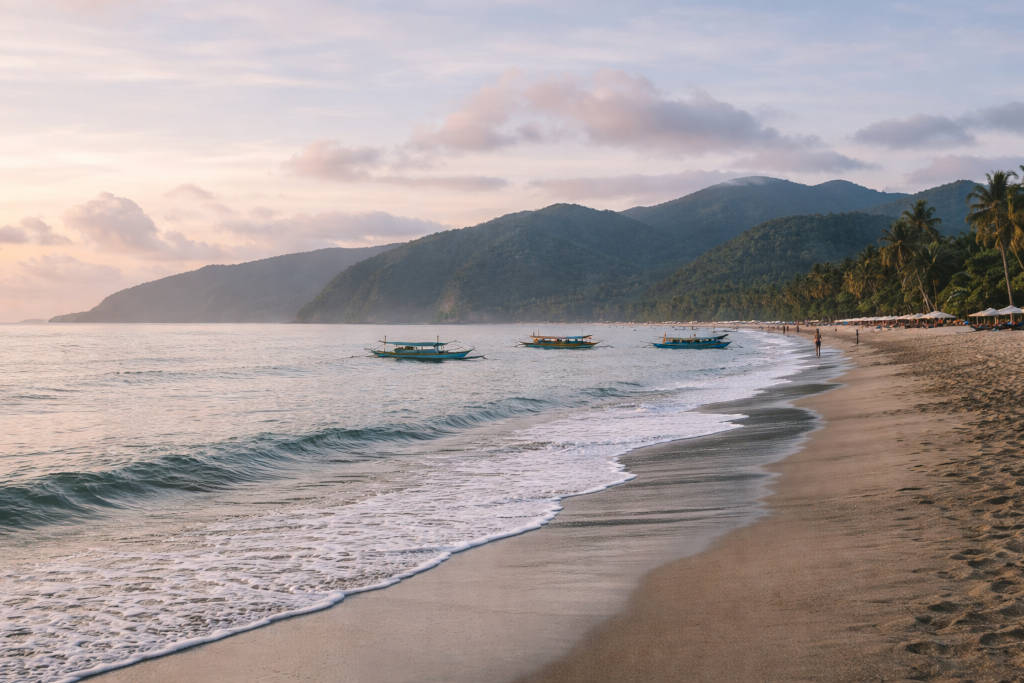
How Many Days In Baler depends less on “how many spots you want” and more on your real time available, road travel fatigue, and how flexible you need to be for weather and swell. Baler, Aurora can be a simple beach-and-town weekend, but it can also turn into a rushed drive-and-checklist if you try to cram nature side trips into a tight daylight window. The calm approach is to pick a day count that matches your energy and then protect it with buffers.
Quick Context: If you are new to the area, skim Baler Aurora Overview Wikipedia for a basic orientation, then use the Municipality Of Baler Official Website for local context and public information.
Quick Answer: How Many Days In Baler Should You Plan
Use this as a simple starting point. You can always add a buffer day if the forecast looks unstable or if your drive times are uncertain.
1 Day Best for: day trip or tight weekend Rushed: nature side trips Comfortable if: town and beach only
2 Days Best for: classic weekend Comfortable: 1 nature day plus 1 easy town beach day Watch-outs: late arrival reduces Day 1
3 Days Best for: first-timers who want choice Comfortable: 1 surf or beach day 1 nature day 1 buffer half-day
5 Days Best for: slower pace and weather flexibility Comfortable: mix of surf rest food short rides with 1 to 2 side trips
7 Days Best for: surf-focused or workation pace Comfortable: multiple rest days and weather buffers Not for: checklist travelers
For habits that make any day count easier (buffers, packing logic, and realistic timing), keep Philippines Travel Planning Guide First Trip in your planning notes.
Reality Check: “One more stop” is usually where Baler days start to feel stressful. If you want the trip to feel good, protect meal time and rest time as real schedule items.
How To Choose Your Day Count (The Decision Rules)
Start with your true available time (include land travel time both ways)
 Before you decide How Many Days In Baler, block out travel time on both ends. Even if you are excited to hit the beach, long road time can quietly remove daylight and add fatigue. A common low-stress move is to treat your arrival day as a “soft day” with minimal goals, then schedule your bigger nature day only when you have a full morning-to-afternoon window.
Reality Check: Road conditions, stopovers, and traffic can change travel time. If your plan depends on arriving “exactly on time,” it is not a calm plan.
Decide your priority type: Surfing focus, Nature focus, Or Rest focus
Pick one primary priority and one secondary priority:
- Surfing focus: You need extra days for lesson windows, recovery time, and changing swell conditions.
- Nature focus: You need daylight windows and energy for side trips, plus buffer time if roads or weather slow you down.
- Rest focus: You need fewer destinations and more time for slow meals, beach walking, and early nights.
Reality Check: Baler can support all three, but not all three in a tight weekend. A clear priority makes the trip feel calmer.
Consider weather and road risk: when you need a buffer day
If the forecast shows frequent rain, strong winds, or uncertain swell, add a buffer day. If you travel during months with more variable weather, plan your nature side trip as flexible rather than fixed. For a broader seasonal guide you can apply across destinations, use Philippines Weather Travel Guide Best Months.
Reality Check: In coastal trips, weather and sea conditions can change quickly. A buffer day is not wasted—it is your safety net and your rest day.
What Feels Rushed Vs Comfortable In Baler
1 Day what you can realistically do without stress
 Comfortable: Town center + a calm Sabang Beach walk + one short viewpoint stop if it is truly on the way. Keep meals simple and plan an early return to avoid driving tired.
Rushed: Adding a far nature side trip after a long road trip, especially if you arrive late. One day works best when you accept “town and beach only.”
Reality Check: One-day Baler plans often underestimate shower time, meal time, and traffic on the way home. Build breathing room.
2 Days what becomes possible (and what still feels tight)
Comfortable: A classic weekend split—one easy town and beach day, plus one nature day. This is where How Many Days In Baler starts to feel like a real break rather than a drive.
Still tight: If you arrive late on Day 1, you may only get a short beach walk and dinner. That is okay, but it means your “two days” is closer to one full day plus a half-day.
Reality Check: Two days can be perfect, but only if you keep Day 1 light and do not stack too many far-apart stops.
3 Days the sweet spot for most first-timers
Comfortable: One surf or beach day, one nature day, and one buffer half-day for slow meals, recovery, and weather flexibility. Three days also lets you move your nature day if rain hits.
Rushed: It only feels rushed if you still try to do “everything.” With three days, the goal is choice, not volume.
Reality Check: If you want the trip to feel calm, schedule one half-day with no “must-do” item. That space absorbs delays and mood changes.
5 to 7 Days when it starts to feel relaxed and why it can be worth it
5 Days: A slower pace with room for surf practice days, rest days, and 1 to 2 side trips when the weather cooperates. Good if you want to avoid doing long drives back-to-back.
7 Days: Works well for surf-focused trips or a workation rhythm: multiple rest days, flexible lesson windows, and time to wait out rain. This is less ideal for checklist travelers who prefer constant movement.
Reality Check: Longer stays feel best when you plan “ordinary days” too—laundry, slow cafés, early nights—so you do not burn out mid-trip.
If You Are Short On Time: What To Prioritize First
 When your time is limited, your priorities should reduce driving, protect daylight, and avoid plans that collapse if one stop runs late.
Priority list for 1 day (town, beach, one short viewpoint, early dinner)
- Arrive, settle, and do a short town walk.
- Sabang Beach shoreline time (walk, sit, light photos).
- One short viewpoint stop only if it is close and safe.
- Early dinner and early departure or early rest.
Reality Check: If you are driving back the same day, the priority is not squeezing more stops—it is arriving home safely and not exhausted.
Priority list for 2 days (split into Town Beach Day and Nature Day)
- Town Beach Day: easy town stops, beach time, early night.
- Nature Day: pick one main side trip and commit to it; keep the rest optional.
Reality Check: Two days feels calmer when you pick one “main” nature target instead of trying to sample multiple far locations.
Priority list for 3 days (add buffer half-day and one flexible activity)
- Day 1: arrival + town + light beach time.
- Day 2: your main nature day or surf lesson day, depending on conditions.
- Day 3: buffer half-day with flexible choices (extra beach time, café, small museum stop, or a second short lesson window).
Reality Check: The buffer half-day is what keeps three days from feeling like a sprint. Protect it.
How To Add A Buffer Day Without Wasting It
 A buffer day is not “empty.” It is a low-pressure day designed to absorb rain, swell changes, fatigue, and delays. It also prevents you from forcing unsafe water or rushed driving.
Buffer day template A low-energy town day (laundry, café, museum, sunset)
- Late breakfast, laundry drop, and a slow café break.
- Short town landmark stop.
- Early dinner, then sunset at a safe, easy-access beach area.
Reality Check: Low-energy days make the trip feel longer and better. They also help you recover from sun exposure and walking.
Buffer day template B weather day (short indoor stops, early meals, short rides)
- Plan meals earlier to avoid peak crowding.
- Short indoor stops and short rides rather than long walks in rain.
- Keep shoes and bags dry; treat it as a reset day.
Reality Check: Rain days can still be good days if you stop trying to “save” the itinerary and focus on comfort.
Buffer day template C surf conditions day (lesson window and rest windows)
- Set one lesson or surf window, then schedule rest and food around it.
- Keep a second optional window only if energy and conditions are good.
- Use the rest of the day for recovery (shade, hydration, early night).
Reality Check: Surf conditions change. A buffer day gives you the freedom to choose the best window instead of forcing the worst one.
Common Planning Mistakes (And The Simple Fix)
- Trying to do a “1 day Baler plus big side trips” after a long road trip: Fix by keeping day trips town-based and saving nature side trips for 2 to 3-day plans.
- Packing too many far-apart stops into one daylight window: Fix by choosing one main side trip per day and making the rest optional.
- Not budgeting for waiting time, food time, and shower rest time after beach: Fix by scheduling meals and cleanup as real blocks, not “in-between.”
- Skipping basic safety habits around water, rocks, and nighttime walking: Fix by doing water activities in daylight, wearing proper footwear near rocks, and keeping evenings simple.
- Not checking weather patterns and not giving yourself a buffer: Fix by adding a buffer half-day or full day, especially when forecasts look unstable.
Reality Check: Most rushed trips are not caused by “too little time.” They are caused by a plan that assumes everything will go perfectly.
Budget Reality Check By Day Count
Costs in Baler can be flexible, but your day count changes how many “drivers” stack up. Use ranges instead of exact promises and remember: transport and accommodation style usually set the floor.
Common per-person daily range (on the ground): around PHP 1,200 to PHP 3,500+ per day, depending on accommodation type, food style, and paid activities.
- Biggest budget drivers: transport to Aurora, surf lessons and board rental, tricycle rides, entrance fees for nature spots, food choices, and accommodation type.
- What changes by day count: longer trips can lower your “per-day” transport cost, but add more meals, more rides, and possibly more paid activities.
- Where overspending happens: last-minute bookings, extra long tricycle routes because you are tired, and impulse add-ons when the day feels “empty.”
For clearer budgeting examples across trip lengths, use Philippines Travel Budget Examples 1 2 4 Weeks.
Reality Check: A buffer day can actually prevent overspending because you are not paying for rushed transport, rushed meals, or last-minute changes.
Safety and Comfort Notes For Beach and Road Trips
Plan your comfort as part of your itinerary. The beach is more enjoyable when you are not sunburnt, hungry, or worried about your things.
- Hydration and sun: bring water, reapply sun protection, and use shade breaks.
- Rain gear: a light poncho and a dry bag help during sudden showers.
- Footwear: use grippy sandals or shoes for wet areas and rocks; avoid slippery soles.
- Valuables: keep phones, cash, and IDs in a small waterproof pouch and do not leave bags unattended.
- Water caution: swim only where you feel confident, avoid rocky entries in strong swell, and keep water activities in daylight.
- Nighttime walking: keep it simple and well-lit; avoid isolated stretches.
For broader reminders you can reuse across destinations, keep Travel Safety Philippines Guide bookmarked.
Reality Check: Comfort is a safety tool. When people get tired or dehydrated, they take riskier shortcuts.
How Many Days In Baler FAQs
Is 1 Day Enough For Baler?
One day can be enough for a simple town and beach visit, especially if you accept a limited plan. It becomes stressful if you add big side trips after a long drive or if you rely on perfect timing.
How Many Days In Baler Feels Comfortable For A First Trip?
For many first-timers, How Many Days In Baler feels most comfortable at 3 days because it allows one beach or surf day, one nature day, and a buffer half-day for rest or weather changes.
What Should You Prioritize If You Only Have One Full Day In Baler?
Prioritize town, Sabang Beach time, one short viewpoint stop only if it is close and safe, and an early dinner. Keep everything else optional so you can adjust to road time and fatigue.
How Do You Add A Buffer Day In Baler Without Wasting It?
Use a buffer day as a low-energy town day (laundry, café, museum, sunset), a weather day plan (short indoor stops and early meals), or a surf conditions day (one lesson window plus rest windows). The goal is comfort and flexibility, not extra distance.
Common Planning Mistakes For Baler Weekend Trips?
Common mistakes include stacking far stops into one daylight window, underestimating meal and cleanup time after the beach, skipping safety habits around water and rocks, and not checking weather patterns or adding buffers. The simple fix is to choose fewer goals and protect rest time.
If you want to tighten your planning habits even more—buffers, pacing, and realistic expectations—revisit Philippines Travel Planning Guide First Trip and Philippines Weather Travel Guide Best Months before you lock your dates. For more calm trip-planning reads, browse Tips And Inspiration. A Baler trip feels best when you plan for the version of the day that includes traffic, rain, and rest—not just the perfect sunny photo hour.